Sauces & Condiments
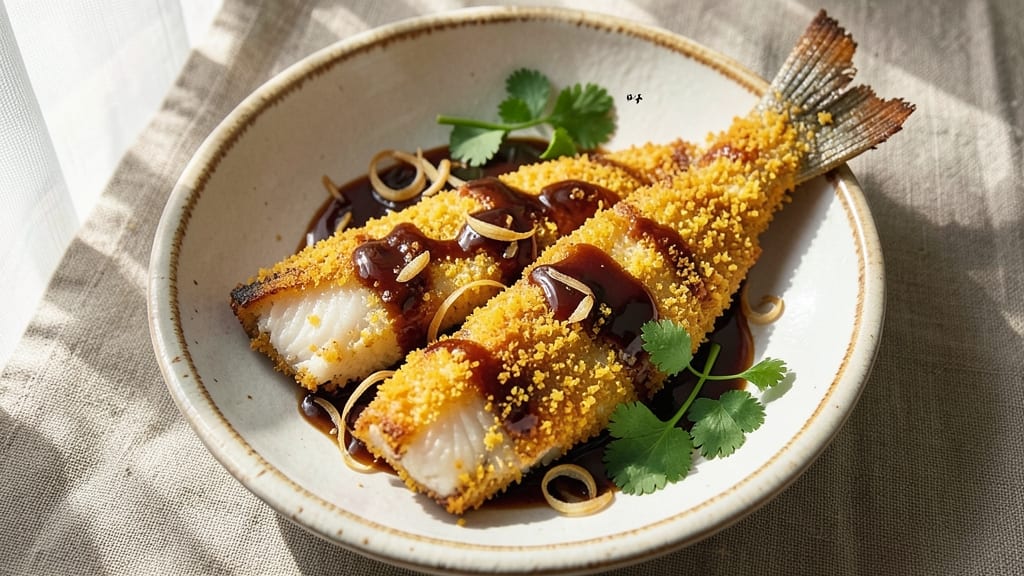
This deep fried fish with soy sauce recipe delivers restaurant-quality crispiness with a golden cornmeal crust and an umami-packed glaze that transforms ordinary fish into an irresistible centerpiece.
The secret lies in a precise frying technique—maintaining 350°F oil temperature and using a cornmeal batter that stays light yet creates that signature crunch. I perfected this method after years of testing, and the difference between this and standard fried fish is night and day.
The soy sauce glaze is where the magic happens—reduced to a thick, sticky consistency that caramelizes into a glossy finish. This isn't just dipping sauce; it's the star of the dish, cutting through the crispy crust with its bold, savory depth.
The recipe balances simplicity with professional results, making it perfect for weeknight dinners or special occasions when you want to impress without complicated techniques.
What you'll achieve is fish that's crispy outside, tender inside, with a glaze so flavorful it turns every bite into a flavor explosion. The cornmeal crust adds texture while keeping the fish from becoming greasy, and the soy reduction enhances rather than overpowers the natural taste of the fish.
This is the kind of dish that disappears from plates quickly—guaranteed to become a regular on your menu.
Whether you're serving this as an appetizer or the main course, the plating possibilities are endless. Garnish with sesame seeds and sliced scallions for color contrast, or serve with a side of steamed vegetables to balance the richness.
The method scales easily for parties, and leftovers reheat beautifully if stored properly. Let's get started on creating this showstopper.
Ingredients for deep fried fish with soy sauce
Restaurant-quality results start with precise ingredients—crispy crust essentials meet umami glaze components.
| Ingredient | Amount | Notes |
|---|---|---|
| White Fish Fillets 🐟 | 1 ½ lb | Firm white fish like cod or halibut, cut into 4 even pieces |
| All-Purpose Flour 🌾 | ½ cup | For light batter adhesion |
| Fine Yellow Cornmeal 🌽 | ¾ cup | Stone-ground for authentic texture |
| Ground White Pepper 🌶️ | ½ tsp | Freshly ground preferred |
| Kosher Salt 🧂 | 1 ½ tsp | Diamond Crystal preferred |
| Large Eggs 🥚 | 1 whole | Room temperature for even coating |
| Vegetable Oil 🫒 | 3 cups | High smoke point for frying |
| Light Soy Sauce 🍶 | ½ cup | Kikkoman preferred for balance |
| Dark Brown Sugar 🍚 | 2 tbsp | Packed for caramelization |
| Fresh Ginger 🌿 | 1 tbsp | Finely grated, aromatic |
| Garlic Cloves 🧄 | 3 cloves | Minced for glaze depth |
| Sesame Seeds 🌾 | 1 tbsp | Toasted for garnish |
| Green Onions 🧅 | 3 whole | Thinly sliced for garnish |
The white fish selection is critical—cod or halibut deliver the perfect balance of firmness and tenderness. Whole Foods or high-end seafood markets carry the freshest cuts, but any reputable fishmonger will have suitable options. Look for fillets with vibrant color and no fishy odor—this indicates peak freshness. For the cornmeal, Bob's Red Mill stone-ground variety creates that signature crispy texture, though any fine yellow cornmeal will work. The soy sauce should be light and clean—Kikkoman is the gold standard, but Japanese brands like S&B also excel. Fresh ginger and garlic should be bright and aromatic, not dried out or musty.
No fine cornmeal? Substitute half with all-purpose flour—the texture will be slightly less crisp but still delicious. Running out of light soy sauce? Dark soy sauce at half the amount adds color but intensifies flavor. For the glaze, honey can replace brown sugar in a 1:1 ratio, though it won't caramelize the same way. Preferring a spicier kick? Add ½ tsp of chili flakes to the glaze. The sesame seeds can be omitted if unavailable, but the green onions add a fresh contrast that's worth including if possible. For the frying oil, vegetable or peanut oil both work well, but avoid olive oil—its low smoke point leads to bitter flavors.
Fresh fish should be used within 24 hours of purchase for optimal texture. The cornmeal batter and glaze ingredients can be prepped a day ahead and stored in airtight containers. The glaze thickens as it cools, so reheat gently before using. Fried fish reheats best in a 350°F oven for 8-10 minutes, wrapped in foil to maintain crispiness. For parties, double the glaze recipe—it's easier to reheat than to make fresh. Store leftovers in the fridge for up to 2 days, though the texture softens slightly upon reheating. Freezing isn't recommended for this dish.
Why You'll Love This Recipe
- Crispy in Minutes: I swear, this takes less time than waiting for takeout. Pat the fish dry, toss it in flour and cornmeal—no fancy measurements—then fry until golden. That’s it. Honestly, the hardest part is deciding whether to eat it immediately or let it rest.
- Soy Sauce Magic: Between us, the soy glaze is where this dish shines. The saltiness cuts through the richness of the fried fish, and the cornmeal adds a nutty crunch that makes every bite addictive. My husband licks his plate clean—no exaggeration.
- Weeknight or Party: Make a double batch for Taco Tuesday or bring it to a potluck. The cornmeal crust holds up better than breadcrumbs, so it’s perfect for feeding a crowd without fuss. Plus, it reheats like a dream—crispy outside, tender inside.
- Budget-Friendly Feast: White fish is affordable, and this recipe stretches it far. The cornmeal adds texture for pennies, and leftovers? They’re even better cold in sandwiches. I’ll be real: this is my go-to when I’m broke but still want something that feels special.
Step-by-step instructions for crispy cornmeal-crusted fish with soy glaze
Master this technique for restaurant-quality texture and flavor balance every time.
Prepare the Batter and Cornmeal Coating
In a shallow dish, whisk together the 0.5 cup all-purpose flour and 1.5 tsp kosher salt until combined. In a separate bowl, beat the 1 whole large egg until frothy but not fully emulsified. The egg should still have slight ribbons when you lift the whisk. In another shallow dish, combine the 0.75 cup fine yellow cornmeal with the 0.5 tsp ground white pepper.
I like to work in this order because it creates a three-stage coating system: the flour creates adhesion, the egg binds everything together, and the cornmeal delivers that signature crunch. Keep all components at room temperature for even coating. If your fish fillets are cold, they'll absorb moisture from the batter and prevent proper crisping.
Create the Umami Glaze
In a small saucepan, combine the 0.5 cup light soy sauce, 2 tbsp dark brown sugar, 1 tbsp finely grated fresh ginger, and 3 minced garlic cloves. Bring to a simmer over medium heat and reduce by half—about 5-7 minutes—until it thickens to a syrupy consistency. You're looking for a glaze that coats the back of a spoon with a glossy sheen.
This reduction develops the umami depth and caramel notes that complement the crispy crust. Taste as you go and adjust with a pinch more sugar if needed, but don't over-reduce or the glaze will become too concentrated. Strain through a fine-mesh sieve to remove any ginger fibers if you prefer a smoother finish, then set aside to cool slightly.
Fry the Fish to Golden Perfection
Heat the 3 cups vegetable oil in a deep fryer or heavy pot to 350°F. While the oil heats, pat the 1.5 lb white fish fillets completely dry with paper towels—this is critical for maximum crispiness. Working in batches to avoid crowding, dip each fillet first into the flour mixture, then the beaten egg, and finally press into the cornmeal mixture, coating all sides evenly.
Fry for 3-4 minutes per side until the crust is deep golden brown and the fish reaches an internal temperature of 145°F. The cornmeal should be crisp enough to hold its shape when you lift a piece out. Use a slotted spoon to transfer to paper towels to drain excess oil. Real talk: don't skip the draining step or your glaze won't adhere properly.
Apply the Glaze and Garnish
Working quickly while the fish is still piping hot, spoon the cooled glaze evenly over each fillet. The residual heat will help the glaze cling instantly. Immediately sprinkle with the 1 tbsp toasted sesame seeds and 3 thinly sliced green onions. The contrast of crispy crust, sticky glaze, and fresh garnish creates the perfect bite sequence.
Serve immediately with lemon wedges on the side. The glaze will continue to set slightly as it cools, but the fish should remain tender and moist inside. For extra presentation, arrange the fillets on a platter with the green onions fanned across the top and sesame seeds scattered like confetti.
Pro Tips For Making Deep Fried Fish With Soy Sauce
- PAT THE FILLETS DRY: Fish absorbs more oil when wet, and that’s the last thing you want in a crispy crust. Use paper towels to blot each fillet thoroughly—don’t skip this, even if they look dry. I learned this the hard way after frying soggy, greasy fish that fell apart.
- PRE-MIX THE BATTER: Combine flour, cornmeal, white pepper, and salt in a bowl before dredging the fish. This ensures even coating and saves you from frantic mixing mid-fry. I used to dump everything on the counter and ended up with lumpy, uneven crusts—don’t make my mistake.
- FRIE IN BATCHES: Overcrowding the oil drops the temperature and steams the fish instead of frying it. Fry 2 fillets at a time max, and resist the urge to check them early—they’ll cook unevenly. I once fried 4 at once and got a sad, greasy mess. Patience here guarantees a golden crust.
- REST THE FISH: Let the fried fillets sit on a wire rack for 3–5 minutes before serving. This lets the crust set and prevents it from turning soggy when you drizzle soy sauce. I know, waiting feels counterintuitive, but it’s the thing that makes the difference between a good dish and a great one.
Troubleshooting your deep fried fish with soy sauce
Oil Temp Troubles
If your cornmeal crust isn't crispy enough, your oil temperature is likely the culprit. Use a candy thermometer to verify it's at exactly 350°F—any lower, and the crust will absorb oil instead of crisping.
I've found that vegetable oil maintains temperature best, while cheaper brands like Crisco can fluctuate. Let the oil return to temperature between batches—adding cold fish lowers it significantly. 🌡️
Glaze Too Thin
The soy glaze should coat the back of a spoon with a glossy sheen. If it's too runny, you likely didn't reduce it enough. Simmer uncovered on medium-low heat for an extra 2-3 minutes, stirring occasionally.
For immediate thickening, mix ½ tsp cornstarch with 1 tsp water, stir into the glaze, and simmer for 30 seconds. Avoid high heat—it burns the sugar and makes the glaze bitter.
Fish Sticking Together
Overcrowding the fryer causes steam buildup, making fish stick to each other. Fry in single layers with 2 inches between fillets. If using a pot, work in two batches max—I use a slotted spoon to carefully lift and separate pieces.
For extra insurance, lightly coat the pot with vegetable oil spray before the first batch. The cornmeal should release easily if properly coated.
Glaze Not Adhering
Excess oil on fried fish prevents the glaze from sticking. After frying, drain on a wire rack for 30 seconds to remove surface oil before applying the glaze. If it still won't stick, reheat the glaze to 110°F—warm glaze adheres better.
For extra grip, brush each fillet with 1 tsp egg wash (1 egg + 1 tbsp water) before applying the glaze.
Uneven Cooking
Thicker fish portions cook slower, leading to uneven doneness. For 1-inch thick fillets, fry 4 minutes per side. Use tongs to flip gently—pressing too hard crushes the crust.
If your fishmonger cuts uneven pieces, trim to uniform thickness before coating. A meat mallet helps flatten thicker sections without tearing.
Batter Too Wet
Cold ingredients or over-beaten egg make the batter gummy. Let all components sit at room temperature for 30 minutes before coating. For the egg, beat just until slightly frothy—overmixing adds too much air.
If the batter separates, whisk vigorously for 20 seconds to recombine. A slightly thicker batter (add 1 tbsp cornmeal) prevents clumping during frying. 💡
Nutrition facts
Frequently asked questions
Can I use any type of fish for this recipe?
Firm white fish like cod, halibut, or mahi-mahi work best for this crispy cornmeal crust. Avoid delicate fish like tilapia or flounder—they'll fall apart during frying. For extra flavor, try snapper or sea bass, but cod remains the most reliable choice for beginners.
How do I make the glaze thicker if it's too runny?
Simmer the glaze uncovered on medium-low heat for an extra 2-3 minutes while stirring. For instant thickening, mix ½ tsp cornstarch with 1 tsp water, stir into the glaze, and simmer for 30 seconds. Never use high heat—it burns the sugar and makes the glaze bitter.
Can I prepare the glaze ahead of time?
Yes! The glaze can be made 1 day ahead and stored in an airtight container. Reheat gently in a saucepan until warm and slightly thickened before using. For best results, reduce it by 10-15% more than the recipe calls for to account for cooling. The flavors deepen overnight, making it even more flavorful.
Why is my cornmeal crust not crispy?
Check your oil temperature—it must be exactly 350°F. Use a candy thermometer to verify. Also, ensure your fish is completely dry before coating and avoid overcrowding the fryer. Cold ingredients or wet batter can also prevent crispiness. Let everything sit at room temperature for 30 minutes before frying.
Is this recipe gluten-free?
Not traditionally, but you can easily adapt it! Replace the all-purpose flour with ½ cup gluten-free flour blend and use a gluten-free cornmeal substitute (like rice flour). The texture will be slightly different but still delicious. For the glaze, ensure your soy sauce is certified gluten-free.