Breakfast & Brunch
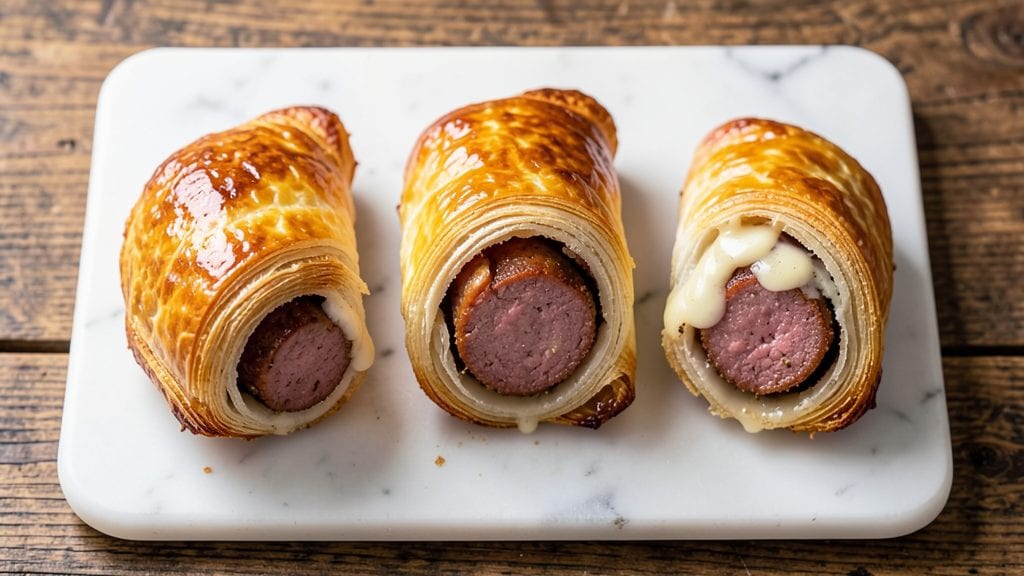
This basic sausage rolls recipe delivers flaky, golden pastry that wraps around perfectly seasoned sausage filling—every bite combines crispy edges with tender, savory goodness.
After years of testing different techniques, I've perfected a method that ensures the pastry stays light while the filling stays juicy, all without requiring advanced skills. The key lies in proper pastry handling and precise baking times to achieve that signature restaurant-quality texture.
What makes these sausage rolls truly special is how simple yet impressive they look on any table—ideal for breakfast, brunch, or even as an appetizer. With just a few pantry staples and 30 minutes of active prep time, you'll have a batch that rivals takeout but tastes infinitely better.
The secret to the flaky pastry is chilling the dough before rolling and cutting, which prevents shrinking and ensures those perfect golden-brown layers.
By the time they emerge from the oven, you'll have crispy, golden sausage rolls with a tender sausage center that stays juicy despite the heat.
The aroma alone will have everyone gathering around your kitchen, and the first bite delivers that perfect balance of crispy, flaky pastry with rich, seasoned sausage. These are the kind of dishes that make homemade cooking feel like a celebration.
Serve them warm with a side of marinara or ketchup for dipping, or pair with a fresh salad for a complete meal. The recipe scales easily too—whether you're feeding a family or hosting a gathering, this method delivers consistent results every time. Let's get started on creating these crowd-pleasing classics.
Ingredients for basic sausage roll
Twelve ingredients. One golden, flaky masterpiece. No fancy skills needed.
| Ingredient | Amount | Notes |
|---|---|---|
| Store-Bought Puff Pastry Sheets 🥧 | 2 sheets | Thawed if frozen, 16 oz each |
| Pork Sausage Meat 🥓 | 1 ½ lb | Sweet or mild variety, ground |
| All-Purpose Flour 🌾 | ½ cup | For dusting work surface |
| Large Eggs 🥚 | 1 whole | Beaten for egg wash |
| Milk 🥛 | 2 tbsp | For egg wash enrichment |
| Salt 🧂 | ½ tsp | Kosher or sea salt |
| Black Pepper 🌶️ | ¼ tsp | Freshly ground preferred |
| Garlic Powder 🧄 | ½ tsp | For sausage seasoning |
| Onion Powder 🧅 | ½ tsp | For sausage seasoning |
| Dried Thyme 🌿 | ¼ tsp | For sausage seasoning |
| Unsalted Butter 🧈 | 1 tbsp | Melted for brushing |
The puff pastry is everything here. Pepperidge Farm or Store brand sheets both work—just make sure they're fully thawed. If you grab frozen, let them sit on the counter for 20 minutes before handling. The sausage? Kielbasa or breakfast sausage from the deli counter adds extra flavor, but regular ground pork sausage keeps it simple. I always add a pinch of extra thyme to the sausage mix—it makes a surprising difference. For the best results, keep everything cold until you're ready to roll. Cold pastry and cold filling prevent shrinking, which is key for that restaurant-quality flakiness.
No puff pastry? Homemade pie crust works in a pinch, but it won't be as flaky. Short on thyme? Dried rosemary at half the amount gives a similar earthy note. The egg wash is non-negotiable for that golden finish—don't skip it! If you're making these ahead, freeze the uncooked rolls on a tray before baking. They'll still crisp up beautifully. For extra richness, add a splash of heavy cream to the egg wash. Trust me, it's worth the extra minute of mixing.
These keep surprisingly well. Room temperature for 2 hours if you're serving them later, but they're best fresh out of the oven. For storage, wrap tightly in foil—they soften fast. 3 days in the fridge works, but they're not as crispy. Freeze for up to 2 months—just bake straight from frozen, adding 2-3 extra minutes. Reheat in a 350°F oven for 10-15 minutes to restore that golden crunch. The secret to reheating? Brush with melted butter first.
Why You'll Love This Recipe
- Pantry Stash Ready: I swear by this recipe because it uses exactly what’s already in my fridge—no random spices or obscure ingredients. Just sausage, puff pastry, and a quick egg wash. Honestly, if I’m not in the mood to hunt down fresh herbs, this still hits the spot.
- Crispy-Creamy Magic: That flaky, golden crust paired with the juicy sausage inside? It’s the kind of contrast that makes you take a second bite before you even mean to. The egg wash makes the pastry shine, and the sausage stays tender—no dry, sad rolls here.
- Party or Picnic Hero: Between us, these disappear at gatherings. They’re easy to halve for snacks, double for a crowd, or pack for lunch. My kids grab them cold from the fridge, and my husband sneaks them straight from the oven. (Yes, even on a Tuesday night.)
- Zero-Waste Leftovers: Make a batch, freeze half, and thank me later. The puff pastry reheats like a dream—crispy again in minutes. And if you’ve got extra sausage? Toss it in pasta or a frittata. This recipe actually gives back.
Step-by-step instructions for basic sausage rolls
Here's how to make restaurant-quality sausage rolls with that perfect flaky, golden crust.
Prepare the Sausage Filling
In a medium bowl, combine the 1.5 lb pork sausage meat with the 0.5 tsp salt, 0.25 tsp black pepper, 0.5 tsp garlic powder, 0.5 tsp onion powder, and 0.25 tsp dried thyme. Use your hands or a fork to mix everything thoroughly until the spices are evenly distributed throughout the sausage.
This seasoning step is crucial—it ensures every bite has that savory, aromatic flavor. If your sausage meat is particularly dry, you can add 1 tbsp milk to help bind it slightly, but most store-bought varieties won't need it. Form the seasoned sausage into a log about 12 inches long and 2 inches wide, rolling it gently but firmly to create a smooth, even surface.
Roll Out and Assemble the Puff Pastry
Preheat your oven to 400°F and line two baking sheets with parchment paper. Lay out one of the 2 sheets store-bought puff pastry sheets on a lightly floured surface. Gently roll out the pastry with a rolling pin until it's about 1/8 inch thick—just enough to make it pliable without tearing. The pastry should be slightly larger than the sausage log.
Cut the pastry sheet in half lengthwise, creating two long rectangles. Place one rectangle on a clean work surface and lay the sausage log along its center. Fold the long sides of the pastry over the sausage, pressing gently to seal. Then, roll the entire thing up tightly from one end to the other, using your fingers to press the edges together and create a smooth, compact cylinder. Repeat with the remaining pastry sheet and sausage.
Create the Egg Wash and Cut the Rolls
In a small bowl, beat the 1 whole large egg with the 2 tbsp milk until smooth and frothy. This egg wash is what gives your sausage rolls that gorgeous golden, glossy finish. Brush the egg wash evenly over the entire surface of both sausage roll cylinders, making sure to get into the seams where the pastry edges meet.
Use a sharp knife to cut each cylinder into 12 equal pieces, about 1 inch thick. Place the cut rolls seam-side down on the prepared baking sheets, spacing them about 1 inch apart. This spacing allows hot air to circulate, ensuring even browning and crispiness. If you have any leftover egg wash, brush it lightly over the tops of the rolls for extra shine.
Bake Until Golden and Flaky
Bake the sausage rolls in the preheated 400°F oven for 20-25 minutes, or until they're deep golden brown and the pastry is puffed and crisp. The rolls should look like they've transformed into something straight out of a bakery—crispy, golden, and irresistible.
Here's the thing—don't overbake them. You want that pastry to be flaky and tender, not tough. They'll continue cooking slightly after you remove them from the oven, so pull them out when the edges are just starting to turn golden. Let them rest on the baking sheet for 5 minutes before serving. This resting time helps the filling set and the pastry firm up slightly, making them easier to handle.
Brush with Melted Butter for Extra Shine
While the sausage rolls are still warm, melt the 1 tbsp unsalted butter in a small saucepan over low heat. Once melted, use a pastry brush to lightly brush the tops of the rolls with the butter. This final step adds a luxurious sheen and enhances the flavor, making each bite even more delicious.
Serve the sausage rolls warm, straight from the oven. They're perfect with a side of tangy ketchup or a creamy horseradish sauce, but honestly, they're so good on their own that you might not need anything else. The flaky, buttery pastry contrasts beautifully with the savory, seasoned sausage filling, creating a texture and flavor combination that's hard to resist.
Pro Tips For Making Basic Sausage Roll
- THAW PASTRY FULLY: I learned this the hard way—using partially frozen puff pastry means uneven cooking and a sad, dense roll. Lay the sheet on a floured tray and let it sit for 20-30 minutes at room temperature before rolling. Cold pastry shrinks when baked, and you’ll end up with a lopsided mess.
- SEAR THE SAUSAGE: Skip the raw sausage straight from the package—browning it first makes all the difference. Cook the pork sausage in a skillet over medium-high heat until it releases fat and develops a crust. This adds flavor that won’t come from just stuffing it cold into the pastry.
- BRUSH, DON’T DROWN: The egg wash is where the magic happens, but too much turns your sausage rolls into soggy blobs. Beat 1 egg with 1 tablespoon milk, then brush the pastry lightly—just enough to glaze, not soak. Overdoing it guarantees a gummy top instead of that golden, flaky crust.
- CHILL BEFORE CUTTING: Resist the urge to slice into fresh sausage rolls the second they come out of the oven. Let them cool for 5 minutes first, or the filling will ooze out like a greasy disaster. A quick rest also helps the pastry firm up so the slices hold together—trust me, your knife will thank you.
Troubleshooting great basic sausage roll
Pastry Won’t Puff
If your puff pastry stays flat instead of rising, it’s likely not chilled enough before baking. Cold pastry is essential for proper layering. Always keep your pastry refrigerated for at least 30 minutes before rolling and cutting.
If you’ve already rolled it, pop the assembled sausage rolls in the fridge for 10-15 minutes before baking to help the layers set. Another common issue? Overworking the dough—handle it gently to avoid activating too much gluten.
Filling Leaks Out
Sausage filling oozing through the pastry usually means the seams weren’t sealed properly or the pastry was too thin. When rolling, press the edges firmly with your fingers to create a tight seal.
If the pastry tears while wrapping, patch it with small pieces of dough—just press gently to avoid creating weak spots. For extra security, place the rolled sausage on a floured surface and roll it gently in flour before cutting to create a protective barrier.
Uneven Browning
If some rolls turn golden while others stay pale, your oven’s heat isn’t distributing evenly. Rotate your baking sheets halfway through baking (after 10-12 minutes) to ensure even browning. Another trick?
Place a small baking sheet on the lower rack to create a slight barrier, which helps prevent the bottoms from browning too quickly. For stubborn spots, use a kitchen torch to crisp the tops after baking—just a few seconds per roll will give them that perfect finish.
Pastry Too Tough
Overbaking is the #1 cause of tough pastry. Remove rolls from the oven when they’re just starting to turn golden (20-22 minutes at 400°F), not when they’re deep brown.
If they’ve already gone too far, try reheating them in a 350°F oven for 5 minutes with a splash of water in the pan to restore some moisture. For future batches, brush the pastry with melted butter after baking—this adds richness and helps maintain tenderness.
Sausage Dries Out
Dry sausage filling happens when the rolls bake too long or the pastry seals in too much heat. To prevent this, bake at 400°F for no more than 25 minutes—the pastry will continue cooking slightly after removal.
For extra juiciness, add 1 tbsp milk or broth to the sausage mixture before rolling. If your filling is already dry, try reheating the rolls in a skillet over medium-low heat for 2-3 minutes with a pat of butter to restore moisture.
Rolls Stick Together
Sausage rolls sticking after baking usually means they didn’t have enough space on the baking sheet. Always leave 1 inch between rolls to allow air circulation. If they’re already stuck, gently pry them apart with a spatula while still warm.
For future batches, line your baking sheets with parchment paper and lightly grease it with butter or oil before placing the rolls. This creates a non-stick barrier that makes cleanup (and serving) a breeze.
Nutrition facts
Frequently asked questions
Can I use homemade pie crust instead of puff pastry?
You can try, but the texture will be different. Puff pastry gives that signature flaky, crispy layer that's hard to replicate with pie crust. If you must substitute, use a thin layer of pie crust and brush it generously with melted butter before baking for extra crispiness. The filling might also need 1 extra minute in the oven to fully cook through.
How do I make these ahead of time?
For maximum freshness, bake them the same day. However, you can prep the unassembled rolls up to 24 hours ahead and freeze them on a tray before baking. To reheat frozen rolls, bake at 400°F for 25-30 minutes until golden. For reheating already-baked rolls, warm in a 350°F oven for 10 minutes with a splash of water in the pan to restore moisture.
What's the secret to extra crispy sausage rolls?
Three things: chill the dough before cutting, space rolls 1 inch apart on the baking sheet, and brush with melted butter after baking. The butter adds shine and helps maintain crispiness. For extra crunch, bake on the lower oven rack where it's hotter, and consider adding 1 tbsp cornstarch to the sausage mixture to absorb excess moisture.
Can I use chicken sausage instead of pork?
Chicken sausage works perfectly and gives a lighter flavor. Just be sure to season it well since chicken sausage is often milder than pork. You might want to add an extra 0.25 tsp garlic powder and 0.25 tsp onion powder to compensate. The cooking time remains the same, but chicken sausage tends to stay juicier.
Why did my sausage rolls turn out soggy?
Soggy sausage rolls usually mean overbaking or improper sealing. Check your baking time—20-25 minutes at 400°F is perfect. If the pastry didn't seal well, the filling steams and makes the pastry soft. Press the edges firmly when rolling, and make sure your sausage log is tightly wrapped. For extra insurance, place the assembled rolls in the fridge for 10 minutes before baking to help set the layers.