
Side Dishes
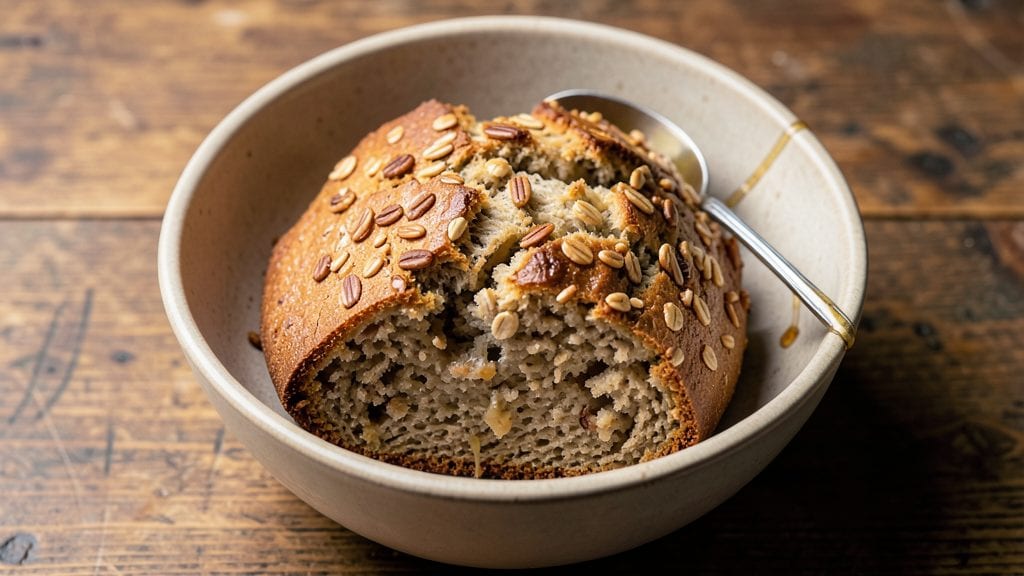
Alton Brown's oat bread recipe delivers the perfect balance of crusty crunch and hearty chew that transforms any meal into something truly special. This isn't just another loaf—it's a textural masterpiece with a golden, crackling crust and a tender, oat-infused crumb that begs to be torn into with your hands.
I've baked countless loaves of bread over the years, but this recipe stands out because it combines simplicity with professional results.
The secret lies in the proper ratio of oats to flour and the precise technique for developing gluten while keeping the crumb open and airy. Unlike dense oatmeal breads, this version achieves that restaurant-quality crust without requiring a steam-injected oven or specialized equipment.
The recipe uses old-fashioned rolled oats for texture and a touch of honey to enhance browning—small details that make all the difference.
What you'll end up with is a loaf so good it disappears faster than you can slice it—crispy on the outside, soft and slightly sweet on the inside, with those perfectly chewy oat pockets that hold up to toast, sandwiches, or served warm with butter.
The aroma alone will have everyone gathering around your kitchen, and the taste? That's where the magic happens.
Whether you're baking for a family dinner or need a foolproof side that pairs with soups and stews, this recipe delivers consistent, professional-quality results every time. Let's get started—your kitchen is about to smell like a bakery, and your dinner table is about to get an upgrade.
Ingredients for alton brown oat bread
Eight simple ingredients transform into a loaf with restaurant-quality crust and chewy oat pockets.
| Ingredient | Amount | Notes |
|---|---|---|
| Old-Fashioned Rolled Oats 🌾 | 1 ½ cups | Uncooked, steel-cut preferred |
| All-Purpose Flour 🌾 | 3 ½ cups | White or bread flour works |
| Active Dry Yeast 🍞 | 2 ¼ tsps | 1 packet, dissolved in warm water |
| Granulated Sugar 🍚 | 1 tbsp | For yeast activation |
| Unsalted Butter 🧈 | ½ cup | Cold, cubed for texture |
| Honey 🍯 | 2 tbsp | Light or clover variety |
| Large Eggs 🥚 | 2 whole | Room temperature preferred |
| Salt 🧂 | 1 ½ tsp | Diamond Crystal kosher salt |
| Warm Water 💧 | 1 ¼ cups | 110°F for yeast activation |
| Cornmeal 🌽 | ¼ cup | For dusting baking sheet |
The oats are everything here—Bob's Red Mill old-fashioned rolled oats give that perfect chewy texture, while the proper ratio of oats to flour ensures a tender crumb. Skip the quick oats; they're too soft. For the yeast, Saf-Instant works if you're in a hurry, but active dry yeast gives better flavor. The butter should be cold—Plugrá from New Zealand if you want to splurge, but any good-quality unsalted butter works. Measure your flour by weight if you can—140g for 3.5 cups—for consistency. The honey isn't just for sweetness; it enhances browning and keeps the crust crisp.
No rolled oats? Steel-cut oats work in a pinch, but they'll be slightly chewier. Substitute the honey with maple syrup if you're avoiding refined sugar, but reduce by 1 tbsp since it's sweeter. The yeast needs to be fresh—if it's past its expiration, test it in warm water to see if it foams within 5 minutes. For a lighter loaf, add 1 tbsp baking powder to the flour. The egg can be replaced with 2 tbsp flaxseed meal + 6 tbsp water for a vegan version, but the texture will be slightly denser. If your kitchen is cold, warm up your yeast and water to 110°F before mixing.
This dough needs 2 hours of proofing time, so plan ahead. Shape it gently—overworking develops too much gluten, which can make the crumb tough. For an extra-crispy crust, score the loaf with a razor blade before baking. The bread keeps best in a bread box or paper bag for up to 5 days. To revive stale slices, wrap in foil and warm at 350°F for 10 minutes. Freeze slices for up to 3 months—toast straight from frozen. The aroma while baking? Worth every minute.
Why You'll Love This Recipe
- No Yeast Fuss: I swear by this recipe because it skips the messy yeast handling—just toss the dry ingredients together, add warm water, and let the oats do the work. The rolled oats soften just enough to create that tender, almost cake-like crumb without any kneading or waiting for dough to rise.
- Buttery Oat Magic: That single stick of butter gets worked into the dough until it’s almost flaky, like a cross between bread and shortbread. Honestly, the moment it comes out of the oven with that golden crust and a hint of caramelized sugar? It’s the kind of bread that disappears faster than my willpower.
- Breakfast to Snack: I make a batch on Sundays and it lasts all week—straight from the toaster for breakfast, toasted with jam for lunch, or even cubed and tossed into salads. The oats add a satisfying chew that holds up better than most bread, so it never feels like a sad, stale loaf by day three.
- Pantry Staple Power: Between us, this recipe uses things you already have—flour, sugar, butter—plus oats that cost pennies. I’ve made it with store-brand yeast and still ended up with a loaf that tastes like it belongs in a bakery. No fancy ingredients, no wasted money, just solid bread that doesn’t break the bank.
Step-by-step instructions for Alton Brown's oat bread recipe
Here's the method that delivers that signature crusty crunch and tender crumb—Alton's way.
Activate the Yeast and Prepare the Oats
In a small bowl, combine the 1.25 cups warm water (about 110°F) with 1 tbsp granulated sugar and 2.25 tsps active dry yeast. Let this sit for 5-10 minutes until it becomes frothy—this confirms your yeast is alive and ready to work. If it doesn't bubble, your yeast may be dead, and you'll need to start over.
While that's happening, pulse the 1.5 cups old-fashioned rolled oats in a food processor until they resemble coarse sand. This texture ensures even distribution and prevents large chunks in your bread. Transfer the oatmeal to a medium bowl and set aside—it's ready to absorb flavor as we build the dough.
Mix Wet Ingredients and Combine with Dry
In the bowl with the processed oats, add the 0.5 cup cold unsalted butter, 2 tbsp honey, and 2 whole large eggs at room temperature. Using a wooden spoon or rubber spatula, mix until the butter is fully incorporated and the mixture looks shaggy. The cold butter will create pockets of steam during baking, contributing to that signature open crumb.
In a separate large bowl, whisk together the 3.5 cups all-purpose flour and 1.5 tsp salt. Create a well in the center and pour in the yeast mixture along with the oat mixture. Gently fold with a dough whisk or spatula until just combined—you should see shreds of flour still visible. Overmixing develops gluten too early, which can make the bread dense rather than tender.
Knead the Dough Until Elastic
Turn the dough onto a lightly floured surface and knead for 8-10 minutes by hand, or use a stand mixer with a dough hook on medium speed for 5-6 minutes. You're looking for smooth, elastic dough that springs back when poked. The oats make this dough slightly stickier than traditional bread dough, so don't be afraid to wet your hands occasionally to prevent tearing.
Real talk: This dough shouldn't be perfectly smooth like French bread dough—it's okay if it looks slightly rustic with oat flecks visible. Shape it into a round loaf, place it in a lightly greased bowl, and cover with a damp towel. Let it rise in a warm place for 1-1.5 hours or until doubled in size. The kitchen should smell like warm honey and yeast—this is where the magic happens.
Shape and Proof the Dough
Turn the risen dough onto a lightly floured surface and gently deflate it. Shape it into a round loaf about 8 inches in diameter, tucking the edges underneath. Place it seam-side up on a parchment-lined baking sheet dusted with 0.25 cup cornmeal. The cornmeal creates that beautiful golden crust while preventing sticking.
Let the shaped loaf proof for another 30-45 minutes until it's puffy and springs back slowly when poked. Preheat your oven to 375°F during this final proofing stage—this ensures your oven is ready when the bread goes in. The dough should feel firm but still yield slightly to gentle pressure.
Bake to Golden Perfection
Bake the loaf for 30-35 minutes until it's deep golden brown and sounds hollow when tapped on the bottom. The internal temperature should reach 190-200°F when measured with an instant-read thermometer. Here's the thing—don't open the oven door during baking or you'll lose that steam that creates the open crumb structure.
Remove the bread from the oven and let it cool on a wire rack for at least 30 minutes before slicing. This resting period allows the steam to redistribute, preventing a gummy interior. The crust should be crisp enough to stand up to a knife, while the crumb remains tender with those beautiful oat flecks throughout. Slice it thick—this bread is meant to be experienced, not just eaten.
Pro Tips For Making Alton Brown Oat Bread
- Toast the Oats First: I learned this the hard way—skipping the toasting step means your bread will taste bland and gummy. Spread the oats on a baking sheet at 350°F for 8–10 minutes until they’re golden and fragrant. This adds depth and prevents that soggy texture you hate.
- Bloom the Yeast Properly: Warm your water to 110°F (just warm to the touch) before mixing with yeast and sugar—cold water kills it, hot water cooks it. Wait 5–7 minutes until it’s bubbly and frothy before adding other ingredients. No bubbles? Start over.
- Don’t Overmix the Dough: After adding the flour, mix just until combined—overworking it makes the bread dense. The dough should be sticky but pull away from the bowl in a clean sheet. Resist the urge to knead like pizza dough; this bread relies on texture, not strength.
- Chill the Dough Overnight: Sounds weird, but it works: shape the dough, cover it, and refrigerate for 8–12 hours. The flavor develops deeper, and the crumb gets lighter. No time? At least let it rest 1 hour at room temp before baking—your future self will thank you.
Wine and beer pairings for this dish
Crisp White Wine
Alton Brown's oat bread pairs beautifully with a dry Riesling or Sauvignon Blanc—their bright acidity cuts through the bread's rich, buttery crust while complementing the subtle sweetness of the honey.
I reach for a German Riesling like Dr. Loosen Blue Slate—its crisp, citrusy notes and slight mineral finish create a perfect contrast. Serve it slightly chilled (45-50°F) to enhance the wine's refreshing qualities against the warm bread. 🍷
Honey Beer Pairing
A Belgian-style witbier like Hoegaarden or Stella Artois is my go-to beer pairing—its coriander and orange peel notes mirror the bread's honey sweetness while the effervescence cleanses the palate.
For a bolder option, try a honey-infused ale like BrewDog's Honey Monster, which amplifies the bread's caramelized crust with its malty sweetness. Serve both beer and bread at room temperature for the best flavor harmony.
Coffee or Tea
If you prefer non-alcoholic options, a strong black coffee or Earl Grey tea enhances the bread's nutty oat flavor. The tannins in coffee or the bergamot notes in tea create a delightful contrast with the bread's buttery richness.
I often serve this bread with a dark roast like Peet's Major Dickason's Blend—its bold, toasty notes complement the bread's crusty exterior perfectly. ☕
Spiced Wine for Winter
For colder months, a mulled wine with cinnamon and cloves elevates the bread's warmth. Heat 1 bottle of Merlot with 1 cinnamon stick, 3 whole cloves, and 1 orange slice until fragrant.
The spices enhance the bread's honeyed depth while the wine's tannins balance the oat's chewiness. This pairing feels especially cozy when served during holiday gatherings. 🍇
Avoid Heavy Reds
Skip bold red wines like Cabernet Sauvignon—their tannins overpower the bread's delicate texture. Instead, opt for lighter reds like Pinot Noir if you prefer red, but even then, choose one with low tannins and bright acidity, such as a New Zealand Pinot.
The wine's red fruit notes will harmonize better with the bread's subtle sweetness without clashing. 🍷
Nutrition facts
Frequently asked questions
Why does this oat bread have a different texture than regular bread?
The rolled oats create those signature chewy pockets while the precise flour-to-oat ratio keeps the crumb tender. The cold butter also generates steam during baking, creating an open, airy structure that's more delicate than dense loaves. That's why it's not your typical sandwich bread—it's designed to be torn, not sliced thin!
Can I substitute quick oats for rolled oats?
Not recommended—they'll turn mushy during baking. If you must, use steel-cut oats and increase processing time in the food processor to achieve a similar texture. The chewiness comes from the oat's structure, so don't skip this step for that authentic Alton Brown texture.
How do I fix dough that's too sticky?
Wet your hands and work quickly—this dough should be tacky, not gluey. If it's unbearable, add 1 tbsp flour at a time until it's manageable. Over-kneading develops too much gluten, so keep sessions short. The oats make it stickier than regular dough, but it's normal!
Can I make this bread without yeast?
No—this recipe relies on yeast for that signature rise and open crumb. For a quick version, try baking powder, but you'll lose the professional texture and flavor. The proofing stages are what create that tender interior with crisp crust.
How should I store leftovers?
Wrap cooled slices in foil and store at room temperature for 2 days, or freeze for up to 3 months. To revive stale bread, wrap in foil and warm at 350°F for 10 minutes. The crust stays crispy best when kept in an airtight container with a slice of bread inside to absorb moisture.