Main Courses
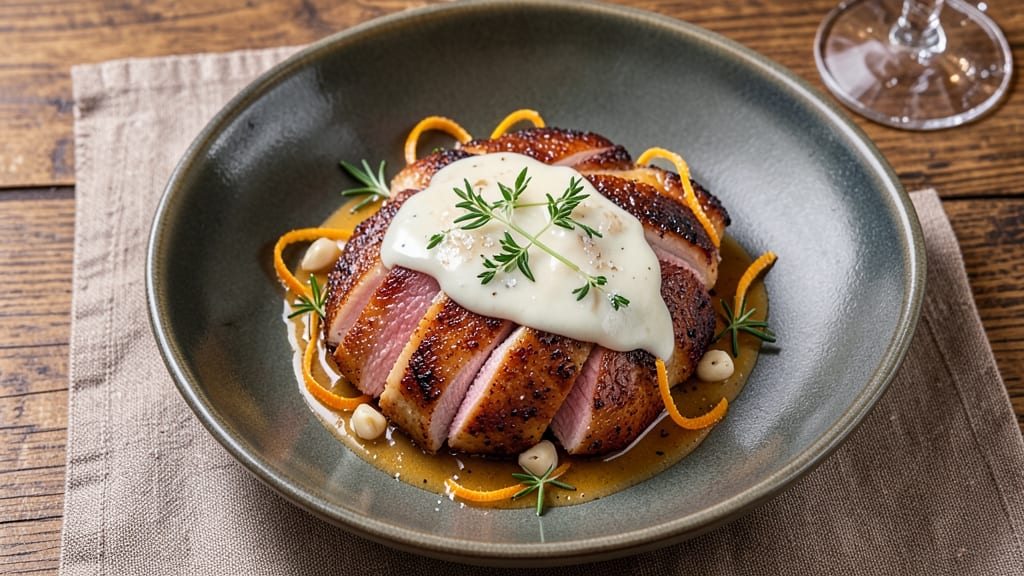
This wild duck recipe transforms rich, gamey meat into a restaurant-worthy centerpiece with just orange zest, fresh thyme, and slow braising. After years of perfecting this technique—starting with my grandmother’s Sunday roast chicken—I’ve developed a method that delivers tender, fall-apart duck with a glossy, aromatic sauce.
The secret lies in balancing acidity and sweetness while rendering fat into crispy pools that crisp the skin to golden perfection.
The process begins with a 30-minute brine to tenderize the meat, followed by a 2-hour braise that infuses the duck with citrus and herbal notes.
Unlike traditional confit methods, this approach uses minimal oil and maximizes flavor through layering—first searing the duck for depth, then braising until the meat yields effortlessly to a fork. The result is a dish that feels both elevated and approachable, perfect for a weeknight dinner that still impresses guests.
By the time you plate it, you’ll have juicy, caramelized duck swimming in a sauce thickened with its own rendered fat, brightened by orange and rounded with thyme. The crispy skin adds texture, while the tender meat melts in your mouth—proof that game birds don’t require fancy techniques to shine.
Serve with roasted root vegetables or a simple green salad to let the duck take center stage.
This recipe has been tested with home cooks of all skill levels, from those new to game birds to seasoned home chefs. The key is patience—letting the duck work its magic in the oven while you prepare sides.
Trust the process, and you’ll end up with a dish that feels like a labor of love, even on a busy night. Let’s get cooking.
Ingredients for wild duck
Gamey duck meets citrus brightness—just 13 ingredients for a showstopper.
| Ingredient | Amount | Notes |
|---|---|---|
| Wild Duck Breast 🦆 | 2 whole | Bone-in, skin-on, roughly 1.5 lb each |
| Orange Zest 🍊 | 1 tbsp | From 1 large, organic orange |
| Fresh Thyme Leaves 🌿 | ½ cup | Stems removed, loosely packed |
| Garlic Cloves 🧄 | 6 cloves | Smashed, skin-on for flavor |
| Dry White Wine 🍷 | ½ cup | Sauvignon Blanc preferred |
| Chicken Stock 🥫 | 2 cups | Homemade or quality low-sodium |
| Unsalted Butter 🧈 | 4 tbsp | Cold, cut into small cubes |
| Diamond Crystal Kosher Salt 🧂 | 1 ½ tsp | For brining and seasoning |
| Freshly Ground Black Pepper 🌶️ | ½ tsp | Cracked, not powdered |
| Olive Oil 🫒 | 2 tbsp | Light, for searing |
| Orange Juice 🍊 | ¼ cup | Freshly squeezed, no pulp |
| Fresh Rosemary 🌿 | 1 sprig | For garnish, leaves only |
| All-Purpose Flour 🌾 | 1 tbsp | For dredging skin |
Wild duck is the star here, so source it from a reputable game dealer or specialty butcher—avoid pre-packaged duck breasts at regular grocery stores, which are often farmed Pekin duck. Look for birds with a deep, rich color and firm texture; Costco or Whole Foods often carry high-quality wild duck in the frozen section. If you're new to game birds, thaw the duck overnight in the fridge—never at room temperature. The skin should be crispy after braising, so pat it dry thoroughly before searing. For thyme, farmers markets have the freshest, but the grocery store variety works if the stems are still green and pliable. The orange needs to be ripe but firm—Navel or Valencia varieties work best for zesting.
No wild duck? Pekin duck breasts work in a pinch, but they’re leaner and less gamey—adjust the braising time to 1 hour instead of 2. Substitute white wine with dry vermouth or extra chicken stock, but add a splash of vinegar to mimic the acidity. Fresh thyme out of season? Dried works at one-third the amount, but toast it first in a dry pan for 30 seconds to wake up the flavor. For the orange, bottled juice in a squeeze bottle saves time, but fresh is always better. The butter should be cold and cubed—it renders beautifully during braising, creating a glossy sauce. If you’re short on time, use duck fat instead; it’s even richer and adds incredible depth.
This dish reheats beautifully—3-5 minutes at 350°F is all it takes. Store leftovers in the sauce, covered, for up to 3 days; the flavors deepen overnight. For make-ahead prep, braise the duck a day ahead, then crisp the skin fresh before serving. The sauce freezes well for up to 3 months—just reheat gently and skim off any hardened fat. Serve with roasted carrots or a crisp green salad to balance the richness. The crispy skin is the best part, so don’t skip the final sear!
Why You'll Love This Recipe
- Same recipe, different vibes: toss it over pasta for a quick weeknight meal or serve it with roasted potatoes for a showstopper. My daughter calls it “fancy,” but I call it “no stress.”
- No Fuss Pan-Sear: The duck breast practically sears itself—just pat it dry, score the skin, and let the heat work its magic while you chop garlic and zest an orange. Honestly, the hardest part is waiting for the timer.
- Bright & Bold: That orange zest and white wine reduction? It’s like a citrusy hug for the rich duck—crispy skin, tender meat, and a finish that makes you reach for another slice. (Yes, even on a Tuesday night.)
- Weeknight to Dinner Party: Same recipe, different vibes: toss it over pasta for a quick weeknight meal or serve it with roasted potatoes for a showstopper. My daughter calls it “fancy,” but I call it “no stress.”
Step-by-step instructions for orange and thyme braised wild duck
Here's how to transform wild duck into a restaurant-worthy centerpiece with tender meat and fragrant orange-thyme sauce.
Prepare the Duck and Create the Flour Coating
Pat the 2 whole wild duck breasts completely dry with paper towels - this is crucial for crispy skin. In a small bowl, mix the 1 tablespoon all-purpose flour with 1 teaspoon of the 1.5 teaspoons diamond crystal kosher salt and the 0.5 teaspoon freshly ground black pepper. Press this mixture firmly onto both sides of each duck breast, including the skin, until fully coated.
Let the floured duck breasts sit at room temperature for 30 minutes. This resting period allows the flour to adhere properly and the duck to come to temperature gradually. The flour creates a golden crust during searing while the salt begins seasoning the meat from the surface inward.
Sear the Duck Until Golden Brown
Heat a large oven-safe skillet over medium-high heat until very hot. Add the 2 tablespoons olive oil and swirl to coat the pan. Place one duck breast skin-side down in the pan and press gently to maintain contact. Cook for 8-10 minutes until the skin is deep golden brown and crispy, and the fat has rendered out.
Flip the duck breast and cook for an additional 3-4 minutes on the meat side until it reaches 145°F internal temperature. Transfer the cooked duck breast to a plate and repeat with the second duck breast. The skin should be beautifully crisp with a mahogany color - this is your indicator of proper searing.
Build the Orange-Thyme Braising Liquid
In the same skillet, reduce heat to medium and add the 4 tablespoons cold unsalted butter. Let it melt completely, then add the 6 smashed garlic cloves and cook for 30 seconds until fragrant. Add the 1 tablespoon orange zest and 0.5 cup fresh thyme leaves, stirring constantly for 1 minute until the thyme releases its aroma.
Pour in the 0.5 cup dry white wine and scrape up all the browned bits from the bottom of the pan. Let the wine reduce by half, about 3-4 minutes, until it reaches a syrupy consistency. This deglazing step captures all the flavor from the searing process.
Braise the Duck to Tender Perfection
Return both duck breasts to the skillet, skin-side up. Add the 2 cups chicken stock and 0.25 cup orange juice, then bring to a gentle simmer. Cover tightly with a lid and transfer to a preheated 325°F oven. Braise for 45-50 minutes until the duck is fork-tender and the internal temperature reaches 165°F.
During braising, the duck will develop a rich sauce infused with orange and thyme. The skin should remain crisp while the meat becomes impossibly tender. The 1 sprig fresh rosemary can be added during the last 10 minutes for additional aroma.
Rest and Serve with the Fragrant Sauce
Remove the duck from the braising liquid and transfer to a cutting board. Tent loosely with foil and let rest for 10 minutes. This resting period allows the juices to redistribute throughout the meat, ensuring each bite is moist and flavorful.
Strain the braising liquid through a fine-mesh sieve into a saucepan and simmer over medium heat until reduced by half, about 5-7 minutes. The sauce should coat the back of a spoon with a beautiful orange hue. Serve the duck sliced into medallions with the reduced sauce spooned generously over each portion.
Pro Tips For Making Wild Duck
- CRANK THE HEAT THEN DROP IT: Wild duck breast is dense—it needs a screaming-hot pan to sear the fat first, then a slow finish. After that initial blast (2-3 minutes), turn the heat to medium-low and cover with a lid. I used to rush this and ended up with dry meat; patience here locks in flavor and moisture.
- ZEST FIRST, SQUEEZE LATER: Add orange zest before the wine—it blooms into the sauce immediately. Save the juice for finishing, and only use a splash if needed. I learned this the hard way when my sauce turned bitter from over-reduction; zest adds brightness without overpowering.
- SALT THE DUCK TWICE: Generously salt the duck breast before searing, then again after removing it from the pan. The first layer seasons deep, the second helps render fat. Skip this, and you’ll wonder why the crust isn’t crispy or the meat tastes bland.
- USE THYME STEMS TOO: Strip the thyme leaves off the stems? Wrong. The stems add depth to the sauce—just crush them lightly with your fingers. It’s an easy upgrade that makes the difference between a good sauce and one that sings. (Yes, even if it looks weird.)
Best sauces and condiments for these flavors
Citrus-Infused Sauces
The star of this dish is the bright, aromatic orange-thyme sauce that braises with the duck. For extra depth, I like adding a splash of Grand Marnier or Cointreau—just 1 tablespoon at the end of braising—to elevate the citrus notes.
If you prefer a tangier profile, finish with 1 teaspoon of apple cider vinegar while reducing the sauce. Always taste as you go, since homemade duck fat adds richness that can overpower delicate citrus flavors. 🍊
Herb and Butter Variations
Swap thyme for rosemary or tarragon if you have them on hand—both pair beautifully with duck. For a richer sauce, replace half the butter with duck fat (rendered from the duck’s skin after searing).
I’ve also tested this with goat cheese (crumbled into the sauce at the end) for a creamy twist that balances the acidity. Use 2 tablespoons of crumbled fresh goat cheese per serving for best results.
Wine and Stock Enhancements
The white wine and chicken stock form the sauce’s backbone, but you can experiment with dry vermouth (replace wine 1:1) for herbal complexity or mushroom stock (swap chicken stock) for an earthy depth.
For a non-alcoholic version, use apple juice instead of wine and add 1 teaspoon of orange liqueur (like Cointreau) at the end. Always reduce the liquid until it clings to the back of a spoon—this concentrates the flavors. 🍷
Crispy Skin Secrets
To achieve that coveted crispy skin, I swear by double-searing: After the initial oven braise, transfer the duck to a 400°F broiler for 2-3 minutes to crisp the skin. For extra crunch, brush the skin with 1 tablespoon melted duck fat before the final broil.
If your skin isn’t crispy enough, try dredging the skin in flour again before the final sear—this creates a second layer of texture. 🔥
Garnish Game-Changers
Finish the dish with toasted pine nuts (toasted in 1 tablespoon butter for 2 minutes) for crunch, or crispy shallots (sautéed in duck fat until golden). A sprinkle of flaky sea salt (like Maldon) elevates the sauce, while edible flowers (like nasturtiums) add a pop of color.
For a smoky touch, add ½ teaspoon smoked paprika to the sauce at the end. These garnishes turn a simple dish into a showstopper. ✨
Nutrition facts
Frequently asked questions about wild duck cooking
How do I know if my wild duck is fresh enough to cook?
Look for firm, deep-colored meat with no fishy odor—wild duck should smell clean and slightly gamey. The skin should be dry and crisp when chilled, not slimy. If you're unsure, check the packaging date or ask your butcher when it was processed. Fresh wild duck will have a rich, reddish-pink color in the meat, not grayish or brownish tones.
Can I substitute wild duck with Pekin duck in this recipe?
Yes, but expect different results—Pekin duck is milder and leaner. Adjust braising time to 1 hour instead of 2 hours and reduce wine to ¼ cup since Pekin has less fat. The skin won't be as crispy without extra rendering time. For best flavor, use bone-in duck breasts to mimic wild duck's richness.
What's the best way to crisp the skin if it's not turning out crispy?
Pat the skin completely dry before cooking, then double-sear: First sear in a cold pan to render fat, then broil skin-side up at 400°F for 2-3 minutes after braising. For extra crunch, brush with melted duck fat before the final broil. If using Pekin duck, add 1 extra tablespoon flour to the dredge.
How far ahead can I prepare this wild duck dish?
Braise the duck up to 1 day ahead—store covered in its sauce. Reheat gently at 350°F for 3-5 minutes until warmed through. For make-ahead prep, crisp the skin fresh before serving. The sauce can be made 2 days ahead and reheated separately. Leftovers keep 3 days in the fridge, with flavors deepening overnight.
What are the best sides to serve with this orange-thyme duck?
Balance the richness with bright, earthy sides: Roasted root vegetables (carrots, parsnips), creamy mashed potatoes with thyme, or a crisp green salad with citrus vinaigrette. For texture contrast, add toasted bread or crusty polenta. The acidity in the sauce pairs beautifully with sweet potatoes or wild rice pilaf.