Main Courses
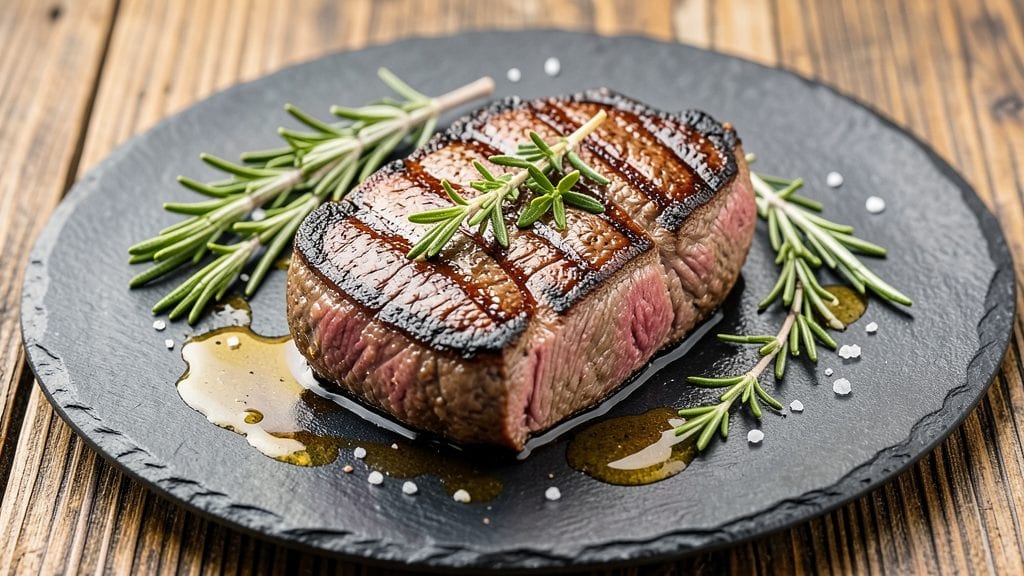
Mastering the perfect Weber steak recipe means balancing smoky char with juicy pink centers—something every grill master should know. The key lies in precise heat control and timing, ensuring your steak emerges with that coveted crust while staying tender inside.
I’ve refined this method over countless grill sessions, and it consistently delivers restaurant-quality results at home.
This recipe focuses on a reverse sear technique, which guarantees even cooking without overcooking the exterior. Start by bringing your steak to room temperature, then sear it low and slow before finishing with high heat for that signature char.
The Weber grill’s heat distribution makes this method foolproof, and the smoky flavor from the grill adds depth no oven can replicate.
By the time you’re done, you’ll have a steak with a crispy exterior, juicy pink core, and a smoky aroma that fills the air. The internal temperature should hit 130°F for medium-rare, and letting it rest for 5–10 minutes ensures every bite stays tender.
Pair it with grilled asparagus or a fresh salad for a complete meal.
Whether you’re grilling for a crowd or treating yourself to a solo dinner, this method delivers consistent, professional results every time. Let’s get started on the perfect steak.
Ingredients for weber steak
Nine essential ingredients for Weber steak perfection—where smoky char meets juicy tenderness.
| Ingredient | Amount | Notes |
|---|---|---|
| Ribeye Steak 🥩 | 1 ½ lb | Bone-in, 1-inch thick preferred |
| Kosher Salt 🧂 | 1 ½ tbsp | Diamond Crystal preferred |
| Freshly Ground Black Pepper 🌶️ | 1 tbsp | Coarse grind for texture |
| Extra-Virgin Olive Oil 🫒 | 2 tbsp | High smoke point preferred |
| Fresh Rosemary 🌿 | ½ oz | Finely chopped sprigs |
| Fresh Thyme 🌿 | ½ oz | Leaves only, stems removed |
| Garlic Cloves 🧄 | 4 cloves | Minced for marinade |
| Balsamic Vinegar 🍷 | 1 tbsp | Aged 25+ months preferred |
| Yellow Mustard 🟡 | 1 tbsp | For even coating |
| Wood Chips 🔥 | ½ cup | Hickory or oak preferred |
| Butter 🧈 | 4 oz | Unsalted, cubed for basting |
| Compound Butter 🧈 | ¼ cup | Optional: garlic and herb blend |
The ribeye is non-negotiable for this technique—bone-in cuts hold moisture better and deliver richer flavor. Source from local butchers or high-end grocery counters like Whole Foods or Kroger's premium section, where you'll find properly aged, dry-brined steaks. Look for marbling that glistens like fat cap—this indicates proper fat distribution for juiciness. The thickness matters too: 1-inch cuts ensure even cooking without over-searing. If your steak arrives vacuum-sealed, pat it dry thoroughly before seasoning—moisture is the enemy of that perfect crust.
No fresh rosemary or thyme? Dried substitutes at half the quantity work, though the aroma won't be as vibrant. The balsamic vinegar can be swapped for red wine vinegar, but aged balsamic adds that caramelized depth. For the wood chips, fruitwood blends (cherry-pecan) offer complexity if you want to experiment. The compound butter is optional but adds a luxurious finish—mix softened butter with minced garlic, salt, and chopped parsley. If you're short on time, skip it and just use the plain butter for basting. The olive oil should have a high smoke point (400°F+)—Avocado oil is a great alternative if you're concerned about olive oil's heat tolerance.
Steaks should rest at room temperature for 1-2 hours before grilling—this ensures even cooking. Store any unused compound butter in an airtight container between parchment and plastic wrap to prevent freezer burn. The wood chips can be pre-soaked in water for 30 minutes before grilling to create more smoke. Leftover steaks reheat beautifully in a 350°F oven for 10 minutes, wrapped in foil with a splash of beef broth. For maximum freshness, consume within 2 days of purchase, or freeze for up to 3 months in vacuum-sealed bags.
Why You'll Love This Recipe
- Two-Ingredient Magic: The secret’s in the salt and oil—no fancy rubs, no confusing steps. Just a quick sear on the Weber, a sprinkle of rosemary at the end, and you’ve got steak that tastes like it came from a steakhouse. Honestly, I’ve made this while my kids were doing homework and still ended up with a juicy, flavorful dinner.
- Crispy-Perfect Every Time: That first sizzle on the grill? It’s the moment this steak becomes ridiculously good. The olive oil keeps it moist inside while the salt and pepper create this perfect crust—no overcooking, no dry bites. Between us, my husband still asks why I don’t make this every week.
- Weekday or Weekend Star: Throw it on the Weber for a quick Tuesday dinner, or fire it up for a summer BBQ. The same simple method works for both. I’ll be real: I’ve even prepped these ahead for game day—just reheat on the grill, and they’re back to perfect in minutes.
- Leftovers That Don’t Suck: Unlike most steak recipes, these actually taste better the second day. Slice them up for sandwiches, toss into salads, or just reheat on the grill for a lazy lunch. Not the prettiest, but the taste makes up for it—and saves me from cooking twice.
Step-by-step instructions for smoky char and juicy pink cores
Master this technique for restaurant-quality grill marks and perfectly tender ribeye every time.
Prepare the Steak for Maximum Flavor
Remove the ribeye from the refrigerator and let it sit at room temperature for 30 minutes. This ensures even cooking throughout. Pat the steak dry with paper towels—moisture prevents proper searing. Season both sides generously with the 1.5 tablespoons kosher salt and 1 tablespoon freshly ground black pepper, pressing firmly so the seasoning adheres.
In a small bowl, combine the 2 tablespoons extra-virgin olive oil, 1 tablespoon balsamic vinegar, and 1 tablespoon yellow mustard. Add the 4 minced garlic cloves, 0.5 ounce finely chopped fresh rosemary, and 0.5 ounce fresh thyme leaves. Brush this mixture evenly over both sides of the steak, reserving about 1 tablespoon for basting later. This marinade creates a flavorful crust while preventing the steak from drying out.
Set Up the Weber for Indirect Heat
Prepare your Weber grill for two-zone cooking: place a drip pan with the 0.5 cup wood chips (hickory or oak) on one side and create a direct heat zone on the other. Light the wood chips and let them smolder for 10-15 minutes until you see a steady stream of thin blue smoke. This ensures proper smoke infusion without overpowering the steak's natural flavor.
Preheat the grill to medium-high heat (400-450°F). Place the ribeye over the direct heat zone, positioning it parallel to the grill grates for even searing. Close the lid and let it sear undisturbed for 4-5 minutes per side, until you see deep grill marks and a dark brown crust. Rotate the steak 90 degrees after the first 2 minutes on each side to create crosshatch patterns.
Move to Indirect Heat for Perfect Doneness
Once the initial sear is complete, carefully move the steak to the indirect heat zone. Add the reserved marinade to the drip pan and let it smoke for 2-3 minutes before using it to baste the steak. Continue cooking with the lid closed, basting every 5 minutes with the marinade and any accumulated juices. For medium-rare (130-135°F internal temperature), this takes approximately 8-10 minutes total cooking time.
Use an instant-read thermometer to check the internal temperature. The steak should feel slightly springy when pressed with your fingers. For extra flavor, add 4 ounces cubed butter to the drip pan during the last 2 minutes of cooking. The melted butter will baste the steak, adding richness and helping create a glossy finish.
Rest and Serve with Compound Butter
Transfer the steak to a cutting board and tent loosely with aluminum foil. Let it rest for 10-15 minutes before slicing. This resting period allows the juices to redistribute, ensuring each bite remains juicy and tender. During this time, soften the 0.25 cup compound butter by letting it sit at room temperature for 5 minutes.
Slice the ribeye against the grain into ½-inch thick pieces. Arrange the slices on a warm platter and top each with a small pat of the compound butter. Serve immediately with any pan juices reduced by 2 minutes over high heat. The combination of smoky char, tender pink cores, and herb-infused butter creates a balanced, restaurant-quality steak experience.
Pro Tips For Making Weber Steak
- Preheat That Grill: Get your Weber screaming hot—at least 450°F—before the steak hits the grates. I used to rush this, and the steak would just sit there, sweating instead of searing. A quick test: hold your hand 2 inches above the grates—if you can’t keep it there for 3 seconds, it’s not hot enough.
- Salt Like It Owes You: Generously coat the ribeye with kosher salt at least 40 minutes before grilling—yes, even if you’re impatient. This isn’t just seasoning; it’s the crust that’ll hold onto that rosemary and caramelize beautifully. Skip this, and you’ll end up with a bland, dry slab.
- Move It, Don’t Crowd: Resist the urge to flip or shuffle the steak every 30 seconds—let it develop that crust undisturbed for 3-4 minutes per side. I learned this the hard way when I kept poking at mine, turning it into a sad, uneven mess. Once you flip, leave it alone until you see a deep brown sear.
- Rosemary Needs Love: Tuck fresh rosemary sprigs underneath the steak while it rests—this infuses flavor without turning your grill into a fragrant disaster. I was skeptical until I tried it: the aroma alone makes the dish feel like a restaurant-worthy upgrade. Just don’t skip the foil tent to keep it moist.
Make-ahead tips for this recipe
Prep Ahead
Season your steak up to 24 hours in advance and store it in an airtight container in the fridge. The salt will penetrate deeper, enhancing flavor. I like to marinate mine for 12 hours—the balsamic and garlic infuse beautifully. Just bring it to room temperature before grilling. 💪
Wood Chip Prep
Soak your hickory or oak wood chips in water for 30 minutes before grilling. Store them in a sealed plastic bag in the fridge for up to 2 weeks.
This pre-soaking ensures consistent smoke production and prevents flare-ups. I always prep mine the night before for stress-free grilling mornings. ✨
Steak Prep Shortcut
If you're short on time, use a meat tenderizer mallet to pound your steak to ¼-inch thickness before seasoning. This reduces cooking time by 30-40%. Store pre-pounded steaks in a sealed bag with a damp paper towel to maintain moisture. I do this when hosting last-minute dinner parties. 💡
Compound Butter Storage
Make your herb compound butter up to 3 days ahead and store it between parchment and plastic wrap in the fridge. For longer storage, freeze it in 1-ounce portions wrapped tightly. Thaw at room temperature for 15 minutes before serving. This saves time and adds restaurant-quality finishing touches. 🧈
Grill Prep Day Before
Clean and oil your Weber grill grates the night before. Use a grill brush and high-heat cooking spray to create a non-stick surface. Store your grill tools in a grill tool roll near the grill for easy access. This ensures your grill is ready to go when you are. 🔥
Reheating Leftovers
Reheat leftover steak slices in a 350°F oven for 10-12 minutes, wrapped in foil with 1 tablespoon beef broth. For a quick fix, use the microwave on 50% power for 1-2 minutes, covered with a damp paper towel.
Always reheat to an internal temperature of 165°F. 💫
Nutrition facts
Frequently asked questions
What's the best cut of steak for grilling on a Weber?
Ribeye is ideal for this recipe due to its rich marbling and flavor, but New York strip or filet mignon also work well. Look for 1-inch thick cuts with visible fat cap—this ensures juiciness. Bone-in steaks hold moisture better, but boneless cuts are fine if you prefer convenience.
How do I know when my steak is done on the Weber?
Use an instant-read thermometer for precision: 125°F for rare, 130°F for medium-rare, and 135°F for medium. For visual cues, press the steak gently—it should feel slightly springy. The reverse sear method guarantees even doneness without overcooking the exterior.
Can I grill this steak without wood chips?
Yes! While wood chips add smoky depth, you can still achieve great flavor using the Weber's built-in heat. For extra aroma, try liquid smoke (½ teaspoon) in the marinade or use flavored grill pellets instead. The key is maintaining consistent medium-high heat (400-450°F) for proper searing.
Why does my steak turn out dry when grilling?
Overcooking or cutting too early are the most common causes. Always let the steak rest for 10-15 minutes before slicing—this redistributes juices. Avoid moving the steak too soon after searing, and use medium heat for even cooking rather than high heat that burns the outside before the inside cooks.
What sides pair best with this Weber steak?
Grilled asparagus with lemon zest or a crisp arugula salad with balsamic glaze complement the rich flavors perfectly. For heartier meals, try garlic mashed potatoes or grilled portobello mushrooms. The smoky notes in the steak pair well with bright, acidic, or earthy sides.