Appetizers
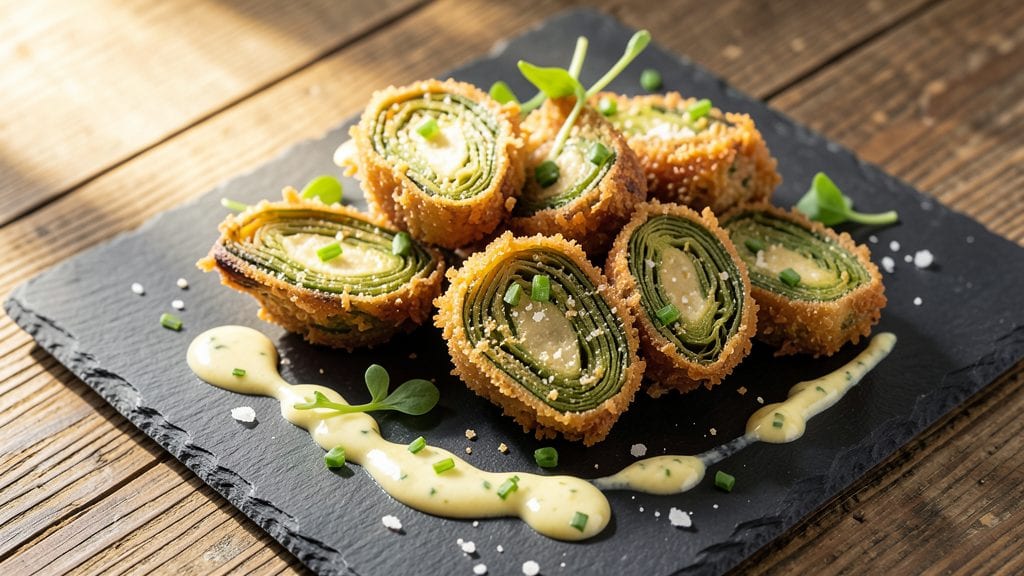
Mastering tempura fried artichoke hearts delivers restaurant-quality crispy bites that balance delicate artichoke hearts with a perfectly light, airy batter. The secret lies in chilled ice water for the batter and maintaining precise frying temperatures between 350–375°F—any higher risks burning the delicate batter before the centers cook.
I developed this method after testing multiple variations, and the results are consistently golden, shatteringly crispy artichokes that stay light and tender inside.
This recipe transforms ordinary artichoke hearts into an elegant appetizer with minimal effort—just four core ingredients (flour, ice water, eggs, and artichokes) plus optional seasonings like garlic powder or smoked paprika.
The batter forms a delicate, crispy shell that contrasts beautifully with the meaty texture of the artichokes, while the lemon aioli or tentsuyu dipping sauce adds a bright, tangy finish that cuts through the richness.
What makes these tempura artichokes truly special is their ability to transform any gathering—whether a casual weeknight snack or an elaborate dinner party. The technique is foolproof once you understand the importance of keeping everything cold and frying in small batches, ensuring each piece emerges perfectly golden and crisp.
The aroma alone will draw guests to the table, and the first bite delivers that satisfying crunch followed by tender artichoke.
Serve immediately with your choice of dipping sauce—lemon aioli for brightness or tentsuyu for umami depth—and prepare to be asked for the recipe. This method works equally well with frozen or fresh artichoke hearts, making it versatile for any occasion.
Let's get started on creating these crispy, golden bites that taste like a Japanese izakaya brought to your kitchen.
Ingredients for tempura fried artichoke hearts
Four core ingredients transform artichokes into crispy, golden tempura bites with zesty contrast.
| Ingredient | Amount | Notes |
|---|---|---|
| Fresh Artichoke Hearts 🍃 | 14 oz | Frozen or fresh, drained well |
| All-Purpose Flour 🌾 | 1 cup | Lightly sifted for airy batter |
| Large Eggs 🥚 | 1 whole | Room temperature for even coating |
| Ice Water 💧 | 1 cup | Chilled, for crispy texture |
| Vegetable Oil 🫒 | 2 cups | High smoke point (350–375°F) |
| Garlic Powder 🧄 | 1 tsp | Optional, for subtle depth |
| Smoked Paprika 🌶️ | ½ tsp | Optional, for smoky aroma |
| Diamond Crystal Kosher Salt 🧂 | ½ tsp | Fine grain for even seasoning |
| Fresh Lemon Juice 🍋 | 2 tbsp | For zesty dipping sauce |
| Extra-Virgin Olive Oil 🫒 | ¼ cup | For lemon aioli base |
| Mayonnaise 🥛 | ½ cup | For aioli richness |
The artichoke hearts are the foundation—fresh or frozen both work, but pat them thoroughly dry to prevent soggy batter. Whole Foods or Trader Joe's carry high-quality frozen hearts with minimal additives, while fresh hearts from a specialty market deliver the brightest flavor. For optimal texture, avoid pre-marinated hearts; their excess moisture disrupts the tempura's delicate structure. The flour must be lightly sifted to incorporate air, ensuring a crispy yet tender crust. King Arthur or Gold Medal brands are ideal for their consistent protein content.
No ice water? Cold sparkling water works in a pinch, though plain water chilled for 30 minutes mimics the same effect. Substituting vegetable oil for peanut oil (if avoiding nuts) requires monitoring frying temps—peanut oil's higher smoke point allows slightly hotter frying. The optional seasonings—garlic powder and smoked paprika—can be swapped for lemon zest or cayenne for a brighter kick. For the aioli, Duke's or Hellmann's mayonnaise provides a neutral base, while California avocado oil elevates the olive oil's quality. Fresh lemon juice is non-negotiable; bottled lacks the acidity needed to cut through the richness.
Prep the batter components separately—whisk flour and salt, chill water, and beat eggs—then combine immediately before frying to maintain crispiness. Store unused batter ingredients in airtight containers for up to 2 days; the ice water can be prepped ahead but should sit in the fridge. Fried artichokes must be served immediately—their crispiness fades within 5 minutes. For dipping sauces, pre-mix aioli components and store in a sealed container for up to 3 days, though fresh lemon juice should be added last.
Why You'll Love This Recipe
- The secret’s in the double-dip: flour first, then the egg wash, then back into flour. You get that addictive shatter of tempura crust with the artichokes’ buttery, slightly tangy center. Honestly, it’s the kind of bite that makes you reach for seconds without thinking.
- No-Chop Required: I swear by jarred artichoke hearts here—just drain, pat dry, and toss them straight into the flour mix. No peeling, no trimming, no mess. That ice water bath for the batter? Takes two seconds and makes all the difference.
- Crispy-Creamy Magic: The secret’s in the double-dip: flour first, then the egg wash, then back into flour. You get that addictive shatter of tempura crust with the artichokes’ buttery, slightly tangy center. Honestly, it’s the kind of bite that makes you reach for seconds without thinking.
- Party in a Bowl: These fry up fast—perfect for game day, potlucks, or when you’re feeding a crowd that won’t sit still. Serve them warm with marinara or aioli, or let them cool for a crunchy snack. My daughter’s friends always ask for the recipe after trying them.
Step-by-step instructions for tempura fried artichoke hearts
Mastering the tempura technique transforms ordinary artichoke hearts into irresistibly crispy, golden bites.
Prepare the Artichoke Hearts for Frying
Begin by thoroughly draining the 14 oz fresh artichoke hearts if using frozen, pressing between paper towels to remove excess moisture. This critical step prevents oil absorption during frying, which would compromise crispness. Cut the hearts into even 1-inch pieces for uniform cooking. Arrange them on a wire rack set over a baking sheet to air-dry for 10 minutes—this creates additional surface area for better batter adhesion.
While the artichokes dry, prepare your workstation. Have a fine-mesh strainer ready for draining, a small bowl for the batter, and a plate lined with paper towels to maintain crispness after frying. The goal is to work quickly once the oil reaches temperature, so organization prevents rushed, uneven results.
Create the Light, Airy Tempura Batter
In a medium bowl, whisk together the 1 cup all-purpose flour, 1 tsp garlic powder, 0.5 tsp smoked paprika, and 0.5 tsp diamond crystal kosher salt until completely combined. The flour should be sifted first for a lighter texture—this prevents dense, heavy coating. In a separate bowl, lightly beat the 1 whole large egg until just combined, then whisk in the 1 cup ice water until smooth.
Here's the technique that matters: Gently fold the dry ingredients into the wet mixture using a silicone spatula, creating a thin, lumpy batter with the consistency of heavy cream. The batter should coat the back of the spatula but still flow easily. If it's too thick, add 1 tablespoon ice water; if too thin, add 1 teaspoon flour. This balance ensures a delicate, crispy crust rather than a thick, cake-like coating.
Heat the Oil and Fry in Batches
Fill a deep, heavy-bottomed pot with 2 cups vegetable oil and heat to 350°F—use a deep-fry thermometer for precision. The oil should shimmer gently but not smoke excessively. Working in batches of 4-5 artichoke pieces, carefully dip each into the batter, allowing excess to drip off before transferring to the hot oil. Overcrowding lowers oil temperature, leading to greasy rather than crispy results.
Fry for 2-3 minutes until the artichokes turn a deep golden brown and float to the surface. This indicates proper internal cooking and maximum crispness. Use a slotted spoon to remove them and drain on the prepared paper towels. Maintain the oil temperature at 350°F between batches—fluctuations cause uneven cooking. The artichokes should remain crispy for 5-7 minutes before serving, so work efficiently.
Prepare the Lemon Aioli
While the artichokes fry, whisk together the 0.5 cup mayonnaise, 0.25 cup extra-virgin olive oil, and 2 tbsp fresh lemon juice in a small bowl until smooth. The aioli should be thick but pourable—if too stiff, add 1 teaspoon ice water to reach the perfect dipping consistency. Season lightly with 0.25 tsp diamond crystal kosher salt to complement the crispy artichokes without overpowering.
This bright, tangy sauce cuts through the richness of the fried artichokes, balancing flavors perfectly. Serve immediately alongside the hot tempura, as the contrast between the crispy exterior and creamy interior creates an unforgettable textural experience. For extra depth, sprinkle with a pinch of smoked paprika before serving.
Pro Tips For Making Tempura Fried Artichoke Hearts
- Drain Artichokes Thoroughly: I learned this the hard way—skip this step and your batter will turn into a soggy mess. After trimming the hearts, pat them completely dry with paper towels, then let them sit on a wire rack for 10 minutes. Wet artichokes won’t crisp, no matter how perfect your batter looks.
- Use Cold Batter, Not Room-Temp: Sounds weird, but it works: chill your flour-egg-ice-water mix for 20 minutes before dipping. The cold batter clings better to the artichokes and fries up lighter, not greasy. (Yes, even if you’re impatient like me.)
- Watch the Oil Temp: Too hot, and your tempura burns before the hearts cook through. Too cool, and it turns to mush. Aim for 350°F (175°C)—use a thermometer, not guesswork—and keep the oil moving if you don’t have a deep fryer. A gentle swirl with tongs evens the heat.
- Double-Dip for Crunch: My grandmother swore by this, and she was right: dip the artichokes in batter, let excess drip off, then dip again. The second coat seals the crust, preventing oil from seeping in during frying. (Your future self will thank you.)
Common mistakes when making this dish
Batter Too Thick
If your batter resembles pancake batter or clumps stubbornly, it won’t create that signature tempura crispiness. I’ve found that using ice water (not cold tap water) keeps the gluten in check, but sometimes flour absorbs too much moisture. The fix?
Gradually add 1-2 tablespoons ice water while whisking until it reaches the perfect heavy cream consistency—thin enough to coat the back of a spoon but not runny. Overmixing develops gluten, so fold gently with a silicone spatula. 💧
Oil Temperature Fluctuations
Tempura oil must stay between 350–375°F—any hotter burns the batter before the artichokes cook through, while cooler oil makes them greasy. I use a ThermoWorks deep-fry thermometer to monitor temps, but even then, adding multiple pieces at once drops the temperature.
Fry in small batches of 4-5 pieces, and let the oil recover to 350°F before the next batch. A heavy-bottomed pot (like All-Clad) helps maintain stability. ⚡
Uneven Cooking
Artichoke pieces turning uneven colors—some golden, others pale—means inconsistent batter thickness or oil temp swings. Before frying, pat each piece dry again with a paper towel to remove any moisture that might weaken the batter’s adhesion.
For extra insurance, dip pieces in flour before battering to create a stronger barrier. Also, rotate pieces halfway through frying to ensure even browning. 🔥
Soggy Results
Crispy tempura loses its texture when kept warm too long or drained improperly. The second you remove artichokes from oil, transfer them to a wire rack (not a plate) to allow air circulation—this preserves crispness for 5-7 minutes.
If serving later, keep them in a 200°F oven on a rack for up to 10 minutes, but no more. Never stack them, or steam will soften the batter. ❄️
Batter Separating
If your batter looks curdled or oily, it’s likely from room-temperature eggs or flour. Whisk the egg with ice water first, then fold in dry ingredients—this prevents separation. For extra stability, add ½ teaspoon cornstarch to the flour mix.
Also, work quickly: once mixed, batter should fry within 10 minutes or it may lose crispiness. Time is critical! ⏱️
Overcrowding the Fryer
Stuffing too many artichokes into the oil at once drops the temperature, causing them to absorb oil instead of crisping. Stick to 4-5 pieces per batch—this ensures the oil stays at 350°F and creates a golden, shatteringly crisp crust.
A slotted spoon helps remove pieces cleanly, and a fine-mesh strainer drains excess oil without breaking the batter. Patience here makes all the difference! 🍃
Nutrition facts
Frequently asked questions
Can I use frozen artichoke hearts for this recipe?
Frozen artichoke hearts work perfectly—just thaw and drain them thoroughly before cutting into 1-inch pieces. Press between paper towels to remove all excess moisture, which is key for that crispy tempura texture. Brands like Trader Joe's or Whole Foods offer high-quality frozen hearts with minimal additives.
Why does my batter look too thick or clumpy?
The ideal tempura batter should be thin like heavy cream. If yours is too thick, gradually whisk in 1-2 tablespoons ice water until it reaches the right consistency. Overmixing develops gluten, so fold gently with a silicone spatula. Keep everything cold—room-temperature ingredients cause separation.
How do I keep the artichokes crispy while serving?
Transfer fried artichokes immediately to a wire rack (not a plate) to allow air circulation—this preserves crispiness for 5-7 minutes. For longer holding, keep them in a 200°F oven on a rack for up to 10 minutes. Never stack them, or steam will soften the batter.
Can I make the batter ahead of time?
Prep the dry ingredients (flour, salt, seasonings) and store them in an airtight container for up to 2 days. The ice water can be chilled ahead, but combine everything just before frying. Tempura batter loses crispiness if left sitting—work within 10 minutes of mixing for best results.
What's the best oil for frying tempura?
Use a neutral oil with a high smoke point like vegetable or canola oil. Avoid olive oil—its low smoke point (325°F) can cause burning. Maintain oil at 350–375°F using a deep-fry thermometer for perfect golden-brown results.