Beverages
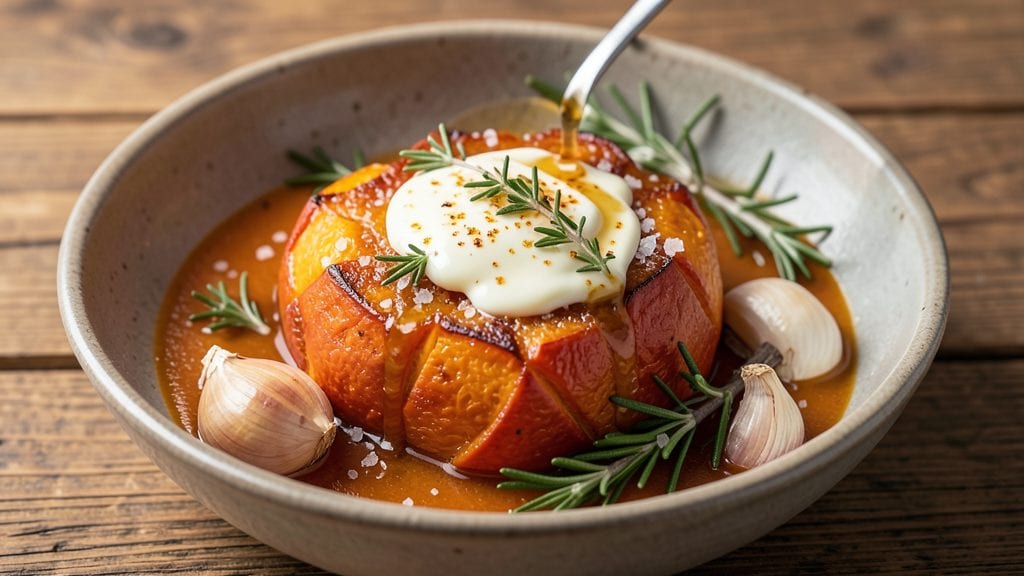
Mastering the art of steamed squash transforms this humble vegetable into a silky, restaurant-worthy side dish with minimal effort. The key lies in precise timing and a touch of herbed butter that elevates simple steaming to something extraordinary.
I developed this technique after years of experimenting with squash—balancing tenderness with flavor so it never feels like a side dish, but the star of the meal.
This method delivers perfectly tender squash in just 12 minutes, with a texture that’s velvety on the inside and slightly crisp at the edges. The secret? Steaming over boiling water (not microwaving) preserves nutrients while creating that ideal consistency.
Herbed butter melts into every crevice, adding rich depth without overpowering the natural sweetness of the squash.
What you’ll achieve is a dish so elegant it belongs on any table—whether paired with roasted chicken, grilled salmon, or as part of a vegetarian spread. The squash absorbs the herbed butter beautifully, creating a harmonious blend of earthy and savory flavors that feel both comforting and refined.
Ready to transform squash into a showstopper? This recipe scales effortlessly for any occasion, from weeknight dinners to holiday feasts. Here’s how to make it foolproof every time—no fancy equipment required.
Ingredients for steamed squash
Twelve ingredients transform humble squash into a velvety, restaurant-quality side dish with minimal effort.
| Ingredient | Amount | Notes |
|---|---|---|
| Acorn Squash 🎃 | 1 whole | Medium-sized, halved lengthwise |
| Unsalted Butter 🧈 | ½ cup | Cold, cubed for herbed butter |
| Fresh Thyme Leaves 🌿 | ¼ cup | Finely chopped, stems removed |
| Fresh Rosemary 🌿 | 1 tbsp | Finely chopped, fresh preferred |
| Garlic Cloves 🧄 | 2 cloves | Minced for herbed butter |
| Sea Salt 🧂 | 1 tsp | Diamond Crystal preferred |
| Freshly Ground Black Pepper 🌶️ | ¼ tsp | Freshly cracked for best flavor |
| Extra-Virgin Olive Oil 🫒 | 1 tbsp | For drizzling after steaming |
| Lemon Zest 🍋 | 1 tsp | From organic lemon, optional |
| Water 💧 | 1 cup | For steaming, filtered preferred |
| White Wine Vinegar 🍷 | 1 tsp | For brightening squash flavor |
| Toasted Walnuts 🥜 | ¼ cup | Chopped, for garnish (optional) |
The acorn squash should be firm with a deep orange hue—avoid any with soft spots or bruising. Whole Foods or local farmers markets carry the best quality, often with more vibrant color than grocery chains. For optimal results, select a medium-sized squash weighing between 1.5 to 2 pounds. The skin should be unblemished, and when tapped, it should sound hollow rather than dull. If you're serving a crowd, plan for 1/2 pound of squash per person as a side dish. For this recipe, the squash's natural sweetness is the foundation, so prioritize freshness over size when selecting your specimen.
No fresh thyme? Dried thyme works at one-third the amount, but fresh delivers that bright, aromatic punch. Substituting rosemary for thyme won't work—these herbs have distinct profiles. For the herbed butter, European-style unsalted butter like Plugrá or President melts more cleanly than American brands. The lemon zest can be omitted if you're avoiding citrus, but it brightens the dish beautifully. For a dairy-free version, replace the butter with vegan butter or olive oil, though the texture will differ slightly. The white wine vinegar adds acidity without overpowering—substitute apple cider vinegar in equal amounts if needed.
Store whole squash in a cool, dark place for up to 2 months—it keeps remarkably well. Once cut, refrigerate the halves in an airtight container with a paper towel to absorb moisture, where they'll stay fresh for 5-7 days. The herbed butter can be prepped ahead and stored in the refrigerator for 1 week or frozen for 3 months. For presentation, garnish with toasted walnuts just before serving—they add a delightful crunch contrast. This dish reheats beautifully, making it ideal for meal prep; simply cover with foil and steam for 5-7 minutes to restore tenderness.
Why You'll Love This Recipe
- Steam It Fast: I swear by this method—just halve the squash, pop it in the steamer basket, and walk away. No peeling, no fuss, and you’re done in 20 minutes flat while your garlic and herbs sizzle in butter.
- Herb-Packed Magic: That first bite of caramelized squash with rosemary’s piney kick and thyme’s earthy warmth? It’s like autumn in a bowl. The butter ties it all together—rich but not heavy.
- Leftovers? No Problem: Steamed squash keeps perfectly for days, so I make a big batch on Sundays. Toss it with roasted chicken for lunch, blend into soups, or just reheat with extra butter for pure comfort.
- Budget-Friendly Luxury: Acorn squash is cheaper than takeout, and a single head feeds four. Fresh herbs might sound fancy, but a few sprigs stretch across meals—plus, the flavor makes it feel like a restaurant dish without the price tag.
Step-by-step instructions for silky acorn squash with herbed butter
Transform tough acorn squash into tender, velvety perfection with this precise steaming method and aromatic butter infusion.
Prepare and Steam the Squash
Preheat your oven to 400°F for later use. Cut the 1 whole acorn squash lengthwise into two equal halves, then scoop out and discard the seeds. Use a sharp chef's knife to score the flesh in a diamond pattern, being careful not to cut all the way through - this creates even cooking surfaces while preserving the shape.
Place the squash halves cut-side down in a deep baking dish. Add the 1 cup water and 1 tsp white wine vinegar to the dish, then cover tightly with aluminum foil. The vinegar brightens the natural sweetness of the squash while the water creates steam for even cooking. Bake for 45-50 minutes until the flesh is tender when pierced with a fork - you'll see the fork slide in easily with just slight resistance.
Create the Herbed Butter
While the squash steams, combine the 0.5 cup unsalted butter (cold and cubed), 0.25 cup fresh thyme leaves, 1 tbsp fresh rosemary, 2 cloves garlic cloves (minced), 1 tsp sea salt, and 0.25 tsp freshly ground black pepper in a food processor. Pulse until the butter is evenly distributed with visible herb flecks throughout - about 15-20 seconds of processing. The mixture should resemble coarse sand with visible herb pieces.
Transfer the herbed butter to a small bowl and cover with plastic wrap, pressing it directly against the butter to prevent oxidation. Let it sit at room temperature for 10 minutes to soften slightly - this makes it easier to spread later while still maintaining its structure. The aromatics will infuse the butter, creating a fragrant compound that elevates the squash from simple to extraordinary.
Finish the Squash with Citrus and Garnish
Remove the squash from the oven and carefully transfer it to a serving platter. Using a spoon, gently scoop out the steamed flesh, leaving the skin intact for presentation. Discard the skin or save it for composting. The flesh should be fork-tender with a silky texture that melts easily. If any pieces remain slightly firm, return them to the oven for an additional 5 minutes.
Drizzle the squash with the 1 tbsp extra-virgin olive oil and sprinkle with the 1 tsp lemon zest. The citrus brightens the earthy squash flavor while adding visual contrast. Top with the 0.25 cup toasted walnuts for crunch and nutty depth. Serve immediately while the squash is still warm, allowing guests to spoon up the herbed butter alongside each bite.
Serve with Perfect Technique
Divide the squash among serving bowls, ensuring each portion includes both the flesh and some of the herbed butter mixture. The butter should be visible on top, inviting diners to spread it generously. I like to serve this with a side of crusty bread to soak up any remaining butter - the combination creates a satisfying meal that balances textures and flavors.
For optimal presentation, arrange the squash in a circular pattern on the platter, with the herbed butter in the center. The contrast between the golden butter and deep orange squash creates visual appeal. Remember that the squash continues to soften slightly after serving, so don't overcook it in the oven - the goal is tender but still holding its shape when served.
Pro Tips For Making Steamed Squash
- SCORE THE SQUASH: Use a sharp chef’s knife to cut the acorn squash—don’t just hack at it. A clean, deep slice (about ½-inch thick) lets steam circulate better and cooks the flesh evenly. I learned this the hard way when my first batch turned out uneven and mushy in spots.
- SALT THE CAVITY: Sprinkle a pinch of salt inside the squash cavity before steaming—yes, even if you’re adding butter later. It seasons the flesh directly and prevents blandness. Skip this, and you’ll taste the difference, especially if you’re using unsalted butter.
- DON’T OVERSTEAM: Acorn squash is tender when it yields slightly to a fork but still holds shape—about 20-25 minutes, depending on size. Oversteaming turns it into mush. Test early if you’re impatient (like me) and adjust time accordingly.
- BROWN THE GARLIC: Sauté the minced garlic in butter for 30 seconds until fragrant and just golden before adding herbs. This simple step adds depth that raw garlic can’t match. Sounds weird, but it works—trust the process.
Common mistakes when making great steamed squash
Oversteaming the Squash
Steaming squash until it's mushy is a common mistake that turns a silky side dish into an unappetizing puddle. I've seen this happen when people rely on visual cues alone—just because the squash looks soft doesn't mean it's properly tender.
The key is testing with a fork: it should slide in easily with just slight resistance. For acorn squash, 12-15 minutes of steaming is ideal, but timing varies by squash type and size. Butternut squash needs about 10 minutes, while delicata squash cooks in just 8-10 minutes.
Always start checking 5 minutes before your estimated cook time. 🌶️
Skipping the Scoring Step
Many home cooks skip scoring the squash flesh, which leads to uneven cooking and tough spots. The diamond pattern cuts create even steam penetration, ensuring the squash cooks uniformly. I use a sharp chef's knife to make shallow cuts—about ½ inch deep—without piercing the skin.
This technique also helps the squash hold its shape better during cooking. If you're short on time, a fork works in a pinch, but knife cuts look more professional and cook more evenly.
Using the Wrong Water-to-Squash Ratio
The water level in your steaming vessel makes a surprising difference. Too little water means uneven steaming, while too much can make the squash waterlogged. For this recipe, 1 cup water in a deep baking dish works perfectly for one medium-sized squash.
The water should come about ½ inch up the sides of the squash halves when placed cut-side down. If you're steaming multiple squashes, increase water by ½ cup per additional squash. Always add the white wine vinegar to brighten flavors—never skip this step, even if you're short on time.
Not Prepping the Herbed Butter Properly
Many people rush this step, leading to uneven herb distribution or butter that's too soft to spread. The butter should be cold and cubed when mixed with herbs, and the food processor should only pulse for 15-20 seconds. Over-processing turns the butter into a paste.
I also recommend letting the herbed butter sit at room temperature for 10 minutes before serving—this softens it enough to spread easily while keeping it structured enough to hold its shape on the squash.
Using room-temperature butter straight from the fridge can make it too soft and difficult to work with. 🧈
Ignoring the Resting Phase
After removing squash from the steamer, many people immediately scoop out the flesh, but this can lead to uneven texture. Let the squash rest for 5 minutes before serving—this allows the juices to redistribute and the flesh to firm up slightly.
I've found this makes a huge difference in presentation and texture. During this time, you can finish the herbed butter and prepare your garnishes. Skipping this step often results in squash that's too soft and loses its elegant presentation.
Using Low-Quality Butter
Not all butter is created equal, and using inferior butter can make a noticeable difference in flavor. I always recommend European-style unsalted butter like Plugrá or President for this recipe. These brands have higher fat content and melt more cleanly than American butter.
The herbs won't infuse as well in lower-quality butter, and the final product may taste greasy rather than rich. If you're using salted butter, reduce the added salt to ½ tsp to avoid over-salting the dish. The butter is the star of this recipe—don't skimp on quality here. 💡
Nutrition facts
Frequently asked questions about perfectly steamed squash
Can I use any type of squash for steaming?
Acorn, butternut, and delicata squash work beautifully for steaming, each with slightly different cooking times. Acorn squash (the recipe's star) takes 12-15 minutes while butternut needs about 10 minutes. Delicata squash is the fastest at 8-10 minutes—its thin skin cooks through quicker. For best results, choose firm squash with unblemished skin and vibrant color.
Why does my steamed squash turn out watery?
This usually happens from oversteaming or using too much water in the pan. The water should only come ½ inch up the sides of the squash halves. Always test doneness with a fork—it should slide in easily with slight resistance. For acorn squash, 12 minutes is ideal; check 5 minutes before your estimated time to avoid overcooking.
Can I make the herbed butter ahead of time?
The herbed butter keeps well in the refrigerator for 1 week or can be frozen for 3 months. Store it in an airtight container with plastic wrap pressed directly against the butter to prevent oxidation. Let it soften at room temperature for 10 minutes before serving to achieve the perfect spreadable consistency.
What's the best way to reheat leftover steamed squash?
Cover the squash with foil and steam in a 350°F oven for 5-7 minutes to restore tenderness. Avoid microwaving as it can make the squash rubbery. For best results, reheat only what you plan to serve immediately to maintain that silky texture. The herbed butter can be reheated separately if needed.
How can I make this dish vegetarian or vegan?
For a vegetarian version, simply omit the meat pairings and serve with complementary plant-based proteins like tofu or tempeh. For vegan, replace the butter with vegan butter or olive oil—though the texture will be slightly different. The steaming method and herbed oil (using olive oil instead) will still create a delicious vegan-friendly side dish with all the same flavors.