
Beverages
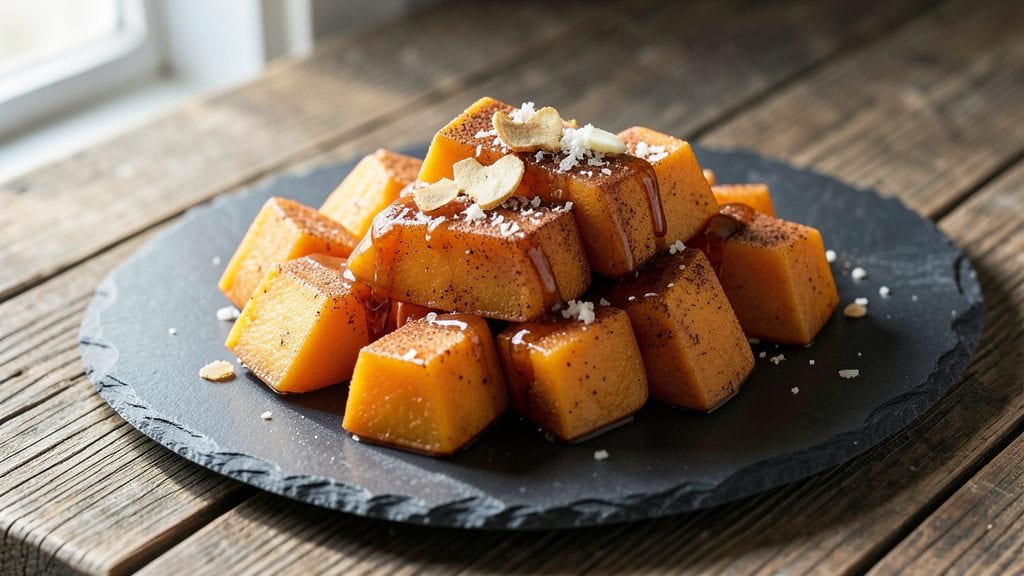
This steamed pumpkin recipe transforms humble winter squash into a velvety, aromatic centerpiece that elevates any autumn table. The gentle steaming process preserves natural sweetness while intensifying earthy flavors, creating a dish that's equally at home as a side, soup base, or vegetarian main.
I developed this method after years of testing—balancing texture, seasoning, and versatility to ensure professional results with minimal effort.
The secret lies in precise steaming time and strategic seasoning: just 20 minutes at 212°F unlocks tender, fork-malleable flesh without drying it out. A blend of cinnamon, nutmeg, and ginger creates warm depth, while a touch of brown sugar caramelizes during steaming for subtle sweetness.
This technique works with sugar pumpkins, kabocha, or butternut—each variety brings its own character to the dish.
What you'll achieve is restaurant-quality pumpkin with a silky texture and complex flavor profile—perfect for mashing into soups, pureeing for risottos, or serving as a standalone dish with toasted nuts and fresh herbs.
The versatility makes it ideal for meal prep: steam a batch ahead and repurpose throughout the week. This is comfort food at its finest, where simplicity meets sophistication.
Pair with plant-based dairy alternatives for a fully vegetarian option, or keep it classic with a drizzle of heavy cream. The recipe scales beautifully for gatherings, yet remains approachable for weeknight cooking. Let's create something truly special from this humble ingredient—where every bite feels like autumn in a bowl.
Ingredients for steamed pumpkin
Six ingredients transform humble pumpkin into a velvety, aromatic masterpiece perfect for autumn tables.
| Ingredient | Amount | Notes |
|---|---|---|
| Sugar Pumpkin 🎃 | 3 lb | Peeled, seeded, cut into 1-inch cubes |
| Unsalted Butter 🧈 | ½ cup | Cold, cubed for even melting |
| Ground Cinnamon 🌿 | 1 ½ tbsp | Sweet, aromatic variety preferred |
| Ground Nutmeg 🌿 | ½ tsp | Freshly grated if available |
| Ground Ginger 🌿 | ½ tsp | Freshly ground for maximum flavor |
| Light Brown Sugar 🍯 | ¼ cup | Packed, for caramelization |
| Extra-Virgin Olive Oil 🫒 | 2 tbsp | For drizzling after steaming |
| Vegetable Stock 💧 | ½ cup | Low-sodium, homemade preferred |
| Fresh Thyme Leaves 🌿 | 1 tbsp | Chopped, stems removed |
| Salt 🧂 | ½ tsp | Diamond Crystal kosher preferred |
| Black Pepper 🌶️ | ¼ tsp | Freshly cracked for aroma |
| Toasted Pecans 🥜 | ¼ cup | Chopped, for garnish |
| Unsweetened Almond Milk 🥛 | ½ cup | Barista-style for creaminess |
The pumpkin selection is critical—sugar pumpkins yield the sweetest, most tender flesh, but kabocha or butternut work beautifully too. Local farmers markets often carry heirloom varieties with superior flavor profiles. For optimal results, choose pumpkins weighing between 3-5 pounds each; their smaller size ensures even cooking. Whole Foods or Trader Joe's typically stock pre-cut pumpkin cubes if you're short on time, though fresh is always superior. The spices should be freshly ground—pre-ground spices lose potency within months, and nutmeg in particular benefits from being freshly grated using a microplane. For the butter, Plugrá or European-style brands melt more evenly due to their higher fat content.
No fresh thyme? Dried thyme at one-third the amount works in a pinch, though the flavor profile differs slightly. Substituting brown sugar? Coconut sugar maintains similar caramelization, though it has a distinct molasses note. For a dairy-free option, swap butter with coconut oil or vegan butter—the latter mimics texture more closely. If you're using kabocha squash, reduce steaming time by 5 minutes as its denser flesh requires less cooking. The vegetable stock can be homemade or high-quality low-sodium brands like Pacific Foods—avoid powdered versions as they often contain anti-caking agents that alter flavor. For the pecans, raw or lightly toasted works best; pre-toasted store-bought nuts can taste overly bitter.
Steamed pumpkin maintains peak texture for 3-4 days when refrigerated in an airtight container, though flavor deepens after 24 hours. For longer storage, freeze portions in 1-cup increments—they thaw beautifully when reheated gently. The spiced mixture keeps well in the pantry for up to 6 months if stored in an airtight jar away from light. For meal prep, steam an extra batch and portion into containers—add a splash of almond milk when reheating to restore creaminess. The toasted pecans should be stored separately and added fresh before serving to preserve their crunch.
Why You'll Love This Recipe
- Steam It Fast: I swear by this method—just halve the pumpkin, steam it for 20 minutes, and you’ve got tender, buttery flesh without the oven mess. No peeling, no dicing, no waiting for a hot stove. My lazy Sundays thank me.
- Spice Magic Unlocked: That trio of cinnamon, nutmeg, and ginger? It’s like autumn in a bowl—warm, cozy, and just sweet enough to make you forget it’s technically healthy. The nutmeg lingers in a way that’s weirdly addictive (yes, even on a Tuesday night).
- Leftovers That Shine: Steamed pumpkin keeps for days in the fridge, so I make a big batch and use it in soups, oatmeal, or even toasted with honey. Honestly, the second day is when it gets even better—slightly caramelized edges from reheating? Chef’s kiss.
- Budget-Friendly Luxury: A single sugar pumpkin costs less than $3 at the farmers’ market, and the spices? You already have them. This is the kind of recipe that makes you feel fancy without breaking the bank—or your grocery budget. My college-student self would’ve cried.
Step-by-step instructions for steamed pumpkin with spiced creaminess
Transforming sugar pumpkin into a velvety, aromatic puree requires precision—here's how to achieve perfect texture and depth of flavor.
Prepare and Steam the Pumpkin
Cut the 3 lb sugar pumpkin in half lengthwise, remove seeds, and scoop out the stringy membrane. Peel the flesh and cut it into 1-inch cubes for even cooking. Arrange the cubes in a single layer on a steamer basket placed over a pot of boiling water. Cover and steam for 15-20 minutes until a paring knife slides in easily with minimal resistance.
Real talk: Don't rush this step. Understeamed pumpkin will yield a watery puree, while oversteaming turns it mushy. The cubes should be tender but still hold their shape slightly when pierced. Keep the lid on tightly to maintain even steam circulation throughout the pot.
Build the Spiced Base
While the pumpkin steams, melt the 0.5 cup unsalted butter in a large saucepan over medium heat. Whisk in the 0.25 cup packed light brown sugar, 1.5 tbsp ground cinnamon, 0.5 tsp ground nutmeg, and 0.5 tsp ground ginger until fully dissolved and aromatic. Add the 0.5 cup vegetable stock and 1 tbsp chopped fresh thyme leaves, bringing to a gentle simmer.
This spice mixture should smell like a cozy autumn morning. Let it simmer uncovered for 3-4 minutes until slightly reduced and fragrant. The sugar will begin caramelizing at the edges—this deepens the flavor profile dramatically. Keep a close eye to prevent burning, as spices can darken quickly.
Create the Velvety Puree
Transfer the steamed pumpkin cubes to the saucepan with the spiced butter mixture. Using a potato masher or wooden spoon, gently break down the pumpkin while stirring continuously. Add the 0.5 cup unsweetened almond milk and continue mashing until completely smooth with no visible lumps. Season with 0.5 tsp salt and 0.25 tsp freshly cracked black pepper.
The puree should be silky with a thick, pudding-like consistency—similar to a well-made mashed potato but with pumpkin's natural sweetness. If it's too thick, whisk in 1-2 tablespoons of hot vegetable stock to reach your desired texture. Taste and adjust seasoning; you may need more cinnamon or sugar depending on your pumpkin's natural sweetness.
Finish with Toasted Pecans and Olive Oil
Return the puree to a gentle simmer over low heat and stir in the 2 tbsp extra-virgin olive oil. Remove from heat and let it cool slightly for 5 minutes while you prepare the toasted pecans. In a dry skillet over medium heat, toast the 0.25 cup chopped toasted pecans for 2-3 minutes until fragrant and golden.
Real talk: The olive oil infusion at the end creates a luxurious mouthfeel. The pecans should be just golden—not dark brown—so they maintain their nutty crunch. Once cooled slightly, drizzle the puree with the toasted pecans and serve immediately while warm. The contrast of warm spiced pumpkin with cool pecans creates an irresistible texture experience.
Pro Tips For Making Steamed Pumpkin
- CUT THE PUMPKIN THIN: Sugar pumpkin steams unevenly if chunks are thick—aim for ½-inch slices, no thicker. I learned this the hard way when my first batch had a raw center while the outside was mushy. A sharp knife and steady hand save time and frustration.
- USE COLD BUTTER: Mix the butter into the spiced pumpkin after steaming, not before. Cold butter melts slower, creating pockets of richness that disappear if added too early. Trust me, the texture makes a real difference—especially with nutmeg’s sharp edge.
- STEAM UNTIL TENDER: Check for doneness by piercing a slice with a fork—it should slide in like butter, not meet resistance. Oversteaming turns pumpkin into glue; understeaming leaves it chalky. Start checking at 15 minutes, then go by texture.
- SPICE IN STAGES: Toss half the cinnamon and ginger into the pumpkin before steaming, then fold in the rest with the butter at the end. Nutmeg’s flavor is delicate—adding it all at once can overwhelm. This keeps the spices balanced without bitterness.
Storing and reheating your leftovers
Refrigerator Storage
Steamed pumpkin maintains its velvety texture beautifully in the fridge for 3-4 days when stored in an airtight container. I use glass Pyrex bowls with snap-on lids because they preserve flavor longer than plastic.
Let the puree cool completely before sealing to prevent condensation, which can make it watery. The spices and almond milk blend perfectly overnight, deepening the flavor profile for reheating. 🥥
Freezer Prep Tips
For longer storage, portion the puree into 1-cup servings in silicone ice cube trays—they stack efficiently and thaw quickly. Once frozen, transfer cubes to freezer bags and remove as much air as possible to prevent freezer burn.
Label with dates as steamed pumpkin keeps quality for up to 3 months. Thaw overnight in the fridge for best texture retention.
Reheating Methods
For stovetop reheating, transfer portions to a saucepan with 1 tablespoon water or almond milk per cup to restore creaminess. Heat over low heat for 5-7 minutes, stirring frequently.
Microwave reheating works too: cover with a damp paper towel and heat on 50% power for 1-2 minutes, then stir and repeat until reaching 165°F internally. Always add a pinch of salt after reheating.
Reviving Texture
If reheated pumpkin seems dry, whisk in 1-2 teaspoons of olive oil or a splash of warm vegetable stock. For extra richness, stir in 1 tablespoon of butter or coconut oil while reheating.
The toasted pecans should always be added fresh after reheating to maintain their crunch—never store them with the puree. This keeps the dish restaurant-quality every time. ✨
Meal Prep Strategy
Double the recipe and store half for later—steamed pumpkin makes an excellent base for soups, curries, or breakfast hash. When reheating for these applications, add 2 tablespoons of liquid per cup (stock, milk, or broth) to maintain consistency.
I often prep a batch on Sundays and use it throughout the week in different dishes. The spiced mixture remains flavorful even after multiple reheats. 📅
Garnish Refresh
Before serving reheated pumpkin, always refresh the garnishes. Toast fresh pecans in a dry skillet for 1-2 minutes to restore their aroma, and drizzle with extra-virgin olive oil for that restaurant-finished touch.
A sprinkle of fresh thyme leaves or a pinch of cinnamon adds brightness. This simple step transforms reheated pumpkin into something special every time. 🌿
Nutrition facts
Frequently asked questions
Can I use canned pumpkin instead of fresh?
Freshly steamed pumpkin gives the best texture and flavor, but you can substitute 1 (15 oz) can of pumpkin puree if needed. Reduce the vegetable stock to 0.25 cup and add 1 tbsp cornstarch to thicken since canned versions are often thinner. The spice blend will still work beautifully, though you'll miss the natural sweetness of fresh pumpkin.
How do I adjust this for kabocha or butternut squash?
Kabocha and butternut work wonderfully—just reduce steaming time by 5 minutes since their denser flesh cooks faster. For kabocha, peel first as the skin can be tough. With butternut, cut into 1-inch chunks and steam until fork-tender (12-15 minutes). The natural sweetness in butternut may reduce the need for added sugar by 1-2 tablespoons.
Can I make this dairy-free?
Replace the butter with 0.5 cup coconut oil or vegan butter, and use 0.5 cup full-fat coconut milk instead of almond milk. The texture remains creamy, though coconut adds a subtle tropical note. For extra richness, stir in 1 tbsp nutritional yeast after cooking. The toasted pecans and olive oil finish keep it satisfyingly hearty.
What's the best way to reheat leftovers?
For stovetop, heat in a saucepan with 1 tbsp liquid (water, stock, or plant milk) per cup over low heat for 5-7 minutes, stirring constantly. Microwave on 50% power for 1-2 minutes with a damp paper towel covering. Always add a pinch of salt and fresh pecans after reheating to restore texture and flavor. Never reheat beyond 165°F to prevent drying.
Can I steam pumpkin ahead of time?
Yes! Steam the pumpkin cubes 1-2 days ahead and store in an airtight container in the fridge. Reheat by steaming again for 5 minutes or simmering in a pot with 0.25 cup water until tender. The flavor actually improves overnight as spices meld. For longer storage, freeze steamed cubes for up to 3 months**—thaw before adding to the spiced mixture.