
Main Courses
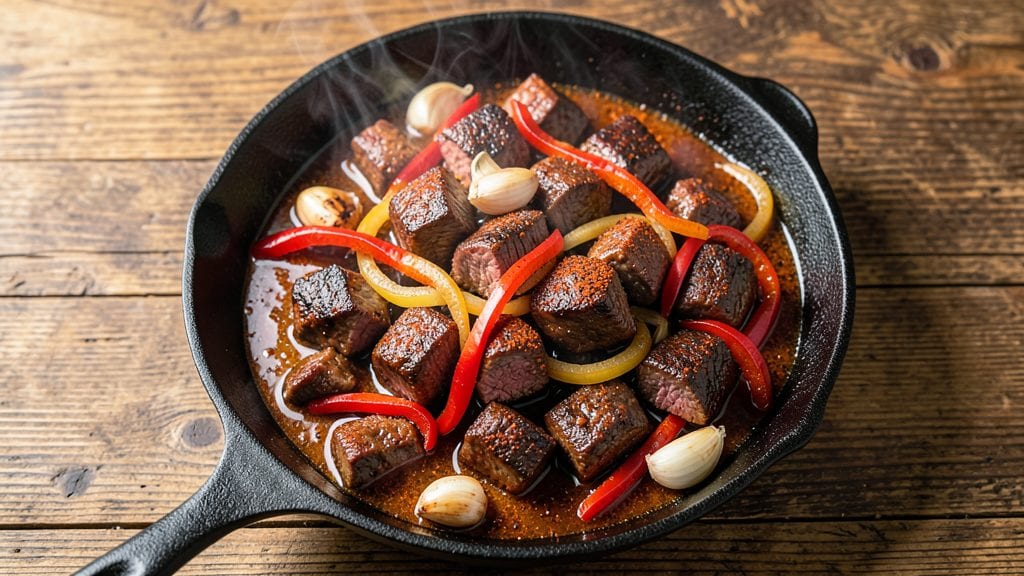
This Southern pepper steak recipe delivers the perfect marriage of tender beef bites and a bold Cajun crust that transforms a simple meal into a restaurant-worthy experience. The secret lies in marinating the beef overnight with a blend of spices that penetrate deeply, ensuring every bite is packed with flavor.
I developed this recipe after years of perfecting the balance between heat and tenderness, and it never fails to impress.
The process begins with a simple yet effective marinade that includes cayenne, paprika, and garlic—key ingredients that create that signature Southern kick. You'll sear the beef in a cast-iron skillet until it develops a rich, caramelized crust, then finish it with a sauce that ties everything together.
This isn't just another steak recipe; it's a method that transforms tough cuts into melt-in-your-mouth perfection.
What you'll end up with is a dish that's as visually striking as it is delicious—golden-brown beef with a deep red sauce clinging to every bite.
The crust is crispy enough to stand up to the tender meat inside, and the sauce adds a tangy, slightly sweet contrast that keeps every mouthful exciting. This is the kind of recipe that turns weeknight dinners into memorable meals.
Serve it with buttery mashed potatoes or crusty bread to soak up every last drop of that rich pepper sauce. The beauty of this recipe is its versatility—it works as a main course for a family dinner or as the centerpiece of a dinner party. Let's get cooking!
Ingredients for southern pepper steak
Bold spices, tender beef, and a signature Cajun crust—this recipe delivers restaurant-quality Southern pepper steak.
| Ingredient | Amount | Notes |
|---|---|---|
| Chuck Roast Beef 🥩 | 2 lb | Cut into 1-inch cubes, boneless |
| Yellow Onion 🧅 | 1 whole | Medium, sliced into half-moons |
| Green Bell Pepper 🌶️ | 1 whole | Medium, sliced into strips |
| Garlic Cloves 🧄 | 6 cloves | Fresh, minced |
| Cayenne Pepper 🔥 | 2 tsp | Adjust for heat preference |
| Paprika 🌶️ | 2 tbsp | Smoked variety preferred |
| Ground Black Pepper 🌶️ | 1 tbsp | Freshly ground |
| Salt 🧂 | 1 ½ tbsp | Kosher or sea salt |
| All-Purpose Flour 🌾 | ½ cup | For coating |
| Vegetable Oil 🫒 | ½ cup | For frying |
| Tomato Paste 🍅 | ¼ cup | Smooth, not chunky |
| Beef Broth 💧 | 1 cup | Low-sodium preferred |
| Red Wine Vinegar 🍷 | 2 tbsp | For tangy finish |
| Brown Sugar 🍯 | 1 tbsp | Light or dark |
| Fresh Thyme Leaves 🌿 | ¼ cup | Or 1 tsp dried thyme |
The beef is the foundation. Chuck roast delivers that melt-in-your-mouth tenderness when cut into uniform 1-inch cubes—sirloin or ribeye will stay too firm. Grab it from the butcher section if your store has it pre-cubed, or ask for it to be cut for you. For the marinade, Penzeys or local spice shops carry the best cayenne and smoked paprika, but the grocery store brands work fine if they're fresh. Look for vibrant color and a strong aroma—dull spices mean old spices. The garlic should be firm and free of sprouts, and the bell pepper should be crisp with no soft spots.
No smoked paprika? Regular paprika plus a pinch of liquid smoke gets you close. Fresh thyme unavailable? Dried works at one-third the amount, but it lacks that bright herbal note. The tomato paste can be the squeeze tube kind from Trader Joe's—it's convenient and keeps well. For the beef broth, low-sodium options like Swanson or Pacific Foods prevent over-salting. The red wine vinegar adds that signature tang—substitute apple cider vinegar in a pinch. If you're short on time, marinate the beef for at least 4 hours instead of overnight, though the flavor penetration will be less deep.
Marinated beef keeps in the fridge for up to 2 days, but it's best used within 24 hours. The sauce thickens as it cools, so reheat it gently on the stove with a splash of water or broth. Portion the sauce into containers and freeze it for up to 3 months—it reheats beautifully. For meal prep, cook the entire batch and store the beef and sauce separately. The crust stays crispy when reheated in a skillet for 2-3 minutes per side, so it's perfect for quick weeknight dinners.
Why You'll Love This Recipe
- One-Pot Magic: I swear by this recipe when I’m too tired to scrub pots. Chuck roast and peppers simmer together—no extra pans, no fuss—just that deep, smoky flavor from the cayenne cutting through the richness. Honestly, the only thing I measure is the salt.
- Cayenne Kick: That little pinch of cayenne isn’t just for heat—it’s the secret to making this dish sing. The green bell pepper adds sweetness, while the onion and garlic build layers, but it’s the cayenne that turns it from good to "I need this every week" good. (Yes, even on a Tuesday night.)
- Leftovers That Shine: This steak gets better the next day—tender, saucy, and perfect for sandwiches or tacos. I’ll be real: my kids beg for it cold in wraps, and my husband saves the extra for his lunchbox. Not the prettiest, but the taste makes up for it every time.
- Budget-Friendly Feast: Chuck roast stretches across meals, and the veggies are cheap staples. Between us, I’ve fed six people for under $15 with this recipe, and no one complains about the leftovers. It’s my go-to when I need to stretch a paycheck without sacrificing flavor.
Step-by-step instructions for Southern pepper steak
Here's how to transform tough chuck roast into melt-in-your-mouth beef bites with a crispy Cajun crust.
Prep and Season the Beef
Cut the 2 lb chuck roast beef into 1-inch cubes and place them in a large bowl. In a separate bowl, whisk together the 0.5 cup all-purpose flour, 2 tbsp paprika, 2 tsp cayenne pepper, 1 tbsp ground black pepper, 1.5 tbsp salt, and 1 tbsp brown sugar. This spice blend is the secret to that signature Southern kick.
Pour the flour mixture over the beef cubes and toss gently to coat evenly. Let the seasoned beef rest for 15 minutes at room temperature. This allows the spices to adhere and the meat to cook more uniformly. Don't skip this step—it ensures maximum flavor penetration and even browning.
Sear the Beef for Maximum Flavor
Heat 0.5 cup vegetable oil in a large skillet over medium-high heat until shimmering but not smoking. Working in batches, add the seasoned beef cubes to the skillet and cook undisturbed for 3-4 minutes per side until deep golden brown and crispy. This initial sear locks in juices and builds that essential crust.
Transfer the seared beef to a plate and set aside. If the oil starts to smoke excessively, reduce the heat slightly—you want a gentle sizzle, not a fire. The beef should release easily from the pan when ready to flip, indicating it's developed a proper crust.
Sauté the Vegetables
In the same skillet (no need to clean it—the browned bits add flavor), add 0.5 cup vegetable oil if needed and increase heat to medium. Add the 1 whole yellow onion and 1 whole green bell pepper, sliced as directed, along with the 6 cloves minced garlic. Cook for 5-6 minutes until the vegetables soften and the garlic becomes fragrant.
Here's where the real flavor develops—those caramelized onions and peppers form the base of your sauce. Stir occasionally to prevent burning, and watch for the onions to turn translucent and slightly golden. If they stick, add a splash of beef broth to deglaze and scrape up any browned bits from the bottom of the pan.
Build the Sauce
Reduce heat to medium-low and stir in the 0.25 cup tomato paste, 1 cup beef broth, 2 tbsp red wine vinegar, and 0.25 cup fresh thyme leaves. Let the mixture simmer for 8-10 minutes until it thickens slightly and coats the back of a spoon. This sauce should be rich but not gluey—if it's too thick, add a little more broth.
Return the seared beef to the skillet and spoon the sauce over the top. Cover and simmer on low heat for 15-20 minutes, stirring occasionally, until the beef is fork-tender and the sauce has reduced to a glossy consistency. The beef should pull apart easily with a fork, indicating perfect tenderness.
Finish and Serve
Remove the skillet from heat and let the pepper steak rest for 5 minutes before serving. This resting period allows the juices to redistribute throughout the beef, ensuring each bite is moist and flavorful. Taste and adjust seasoning if needed—you might want to add a pinch more salt or cayenne to suit your preference.
Serve the Southern pepper steak hot over buttered egg noodles, fluffy rice, or crusty bread. The combination of tender beef, crispy crust, and rich sauce makes this dish a true crowd-pleaser. The key to success lies in that perfect sear and the balanced blend of spices—don't rush either step, and you'll achieve restaurant-quality results at home.
Pro Tips For Making Southern Pepper Steak
- SEAR THE CHUCK LONG: Chuck roast needs patience—don’t rush the sear. After seasoning, let it sit in a hot skillet for 4-5 minutes per side until deep brown, even if it looks uneven. I used to flip too soon, and the sauce never stuck right.
- CHAR THE PEPPERS: Cut bell peppers into thick strips (about ½-inch) and sear them directly in the same pan after the meat. The blackened edges add smoky depth—skip this, and you’re missing the soul of the dish. (Yes, even if it looks burnt.)
- SALT THE ONIONS: Toss sliced yellow onions with a pinch of salt before cooking. It draws out moisture, so they crisp up faster and sweeten the sauce. I learned this the hard way when my onions turned mushy mid-cook.
- DEGLAZE WITH CAYENNE: After browning the meat, splash in ½ cup beef broth and scrape the bits—then add the cayenne now. It blooms the heat evenly instead of clumping. (And no, don’t add it later; it’ll just sit like dust.)
Wine and beer pairings for this recipe
Bold Red Wine Pairings
The rich, spicy depth of this Southern pepper steak demands a wine with equal intensity. I always reach for a Zinfandel from California—its jammy blackberry notes and peppery finish mirror the dish's bold flavors.
A Cabernet Sauvignon from Napa Valley also works beautifully, especially if you prefer a wine with more structure and tannins. 🍷
For a slightly lighter option, try a Rhône-style Syrah from Washington State. The dark fruit and spice notes complement the cayenne and smoked paprika without overpowering the beef. Avoid overly oaky Chardonnays or light whites—they simply can't stand up to the dish's complexity.
Craft Beer Complements
If wine isn't your thing, a well-chosen beer can elevate this dish to new heights. I love pairing it with a Belgian-style Dubbel like Westmalle Dubbel—its caramel malt sweetness balances the heat while the spiced notes enhance the crust.
For something more approachable, a dark amber ale with chocolate and coffee undertones works perfectly. 🍺
Southern-style beers like Fat Tire Amber Ale from New Belgium Brewing provide a malty backbone that stands up to the sauce's tanginess. Avoid overly hoppy IPAs or light lagers—they'll clash with the rich, spicy flavors. Pro tip: Chill your beer slightly before serving to enhance its malt profile.
Unexpected Non-Alcoholic Options
For those skipping alcohol, a sparkling hibiscus tea with a splash of lime creates a refreshing contrast. The tartness cuts through the richness while the effervescence cleanses your palate between bites. I also love serving it with a ginger beer—the spicy kick complements the cayenne beautifully. 💛
For a more traditional approach, try a smoked black tea like Lapsang Souchong. The smoky notes bridge the gap between the beef's crust and the sauce's depth. Serve it chilled for an unexpected but harmonious pairing that surprises guests.
Regional Wine Adaptations
In the Deep South, where this dish originated, Moscato d'Asti from Italy might seem odd—but its light sweetness and floral notes actually work surprisingly well with the heat. The sugar helps balance the cayenne while keeping the wine crisp.
For a Texas twist, try a Texas Hill Country Red blend—these wines often incorporate native grapes that pair perfectly with local cuisine. 🗺️
Up North? A New York State Merlot with its velvety texture and subtle oak provides a smoother experience. The cooler climate grapes create a wine with enough body to handle the dish's richness without overpowering the delicate beef crust.
Nutrition facts
Frequently asked questions about Southern pepper steak
Can I use a different cut of beef for this recipe?
While chuck roast works best for its tenderness when cubed, you can substitute with sirloin or ribeye if needed. However, these cuts stay firmer and may require an extra 5-10 minutes of simmering time to reach fork-tenderness. For best results, marinate overnight regardless of the cut.
How do I adjust the heat level in this recipe?
Start by reducing the cayenne pepper to 1 teaspoon for mild heat, or increase to 3 teaspoons for extra spice. For a smoky kick, add ½ teaspoon chipotle powder to the marinade. Always taste the sauce before serving and adjust with more cayenne or a pinch of sugar to balance.
Can I make this recipe in a slow cooker?
Yes! After searing the beef, transfer everything to a slow cooker and cook on low for 6-8 hours or high for 3-4 hours. Add ½ cup beef broth to prevent drying. The sauce may need thickening with cornstarch slurry before serving. The slow cooker method works especially well for tougher cuts.
What's the best way to reheat leftovers?
Reheat in a skillet over medium heat with a splash of beef broth for 3-4 minutes to restore the crispy crust. Avoid microwaving—it makes the beef rubbery. For the sauce, reheat separately and stir in a little water if it thickens too much. Store leftovers for up to 3 days in the fridge.
Why is my sauce too thin?
Sauce thinning usually happens when too much broth is added or the mixture wasn't reduced enough. Fix it by simmering uncovered for 5-10 extra minutes to evaporate excess liquid. For instant thickening, mix 1 tablespoon cornstarch with 1 tablespoon cold water, stir into the sauce, and cook for 2 minutes until thickened.