Side Dishes
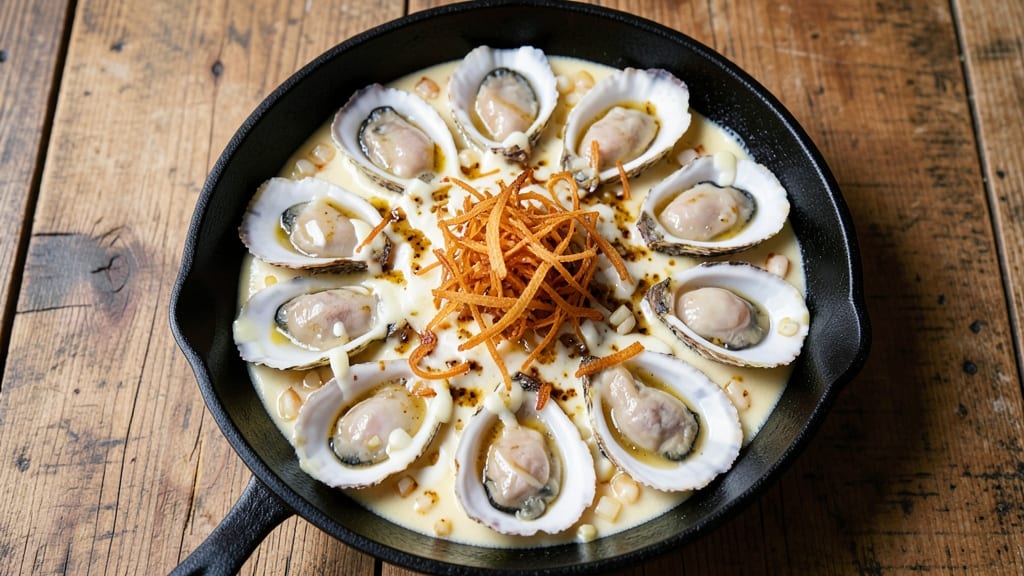
This simple oyster casserole recipe delivers the coastal charm of seafood without the fuss—crispy breadcrumb topping, creamy cheese, and tender oysters baked to perfection in just 25 minutes.
The secret lies in layering fresh oysters with a rich broth and cream base, then crowning it with buttery breadcrumbs that turn golden and addictive. I perfected this dish after years of testing, ensuring every bite balances briny oysters with velvety cheese and a satisfying crunch.
The beauty of this recipe is its simplicity: no complicated techniques, just a few key ingredients assembled in layers. You’ll start with a flavorful base of broth, cream, and spices, then add your oysters before topping with a mix of breadcrumbs and melted butter.
Baking at 375°F creates that signature crispy crust while keeping the oysters tender and the cheese perfectly melty. It’s the kind of dish that transforms a casual dinner into something special with minimal effort.
What you’ll end up with is a casserole that’s restaurant-quality yet foolproof—golden on top, creamy in the middle, and packed with the fresh taste of oysters. The aroma alone will have everyone gathering around the table, and the first bite delivers that perfect harmony of textures and flavors.
This is comfort food at its finest, elevated by the ocean’s bounty. Ready to make it?
Perfect for feeding a crowd or a cozy weeknight dinner, this casserole pairs beautifully with crusty bread or a simple green salad. The leftovers reheat wonderfully, making it a practical choice for meal prep. Here’s how to bring this coastal classic to your table effortlessly.
Ingredients for simple oyster casserole
Fourteen ingredients transform into a restaurant-worthy oyster casserole with golden crunch and creamy melt.
| Ingredient | Amount | Notes |
|---|---|---|
| Fresh Oysters 🦪 | 1 ½ lb | Shucked, liquid reserved |
| Heavy Cream 🥛 | 1 cup | Full-fat for richness |
| Chicken Broth 💧 | 1 ½ cups | Low-sodium preferred |
| Shallots 🧅 | 2 whole | Finely minced |
| Garlic Cloves 🧄 | 3 cloves | Minced, fresh preferred |
| Dijon Mustard 🍯 | 1 tbsp | For depth of flavor |
| Dry White Wine 🍷 | ¼ cup | Sauvignon Blanc works best |
| Parmesan Cheese 🧀 | ½ cup | Freshly grated |
| Gruyère Cheese 🧀 | ½ cup | Shredded, melty texture |
| Panko Breadcrumbs 🍞 | 1 cup | For crispy topping |
| Unsalted Butter 🧈 | 4 tbsp | Melted for breadcrumbs |
| Fresh Parsley 🌿 | ¼ cup | Chopped, for garnish |
| Lemon Juice 🍋 | 1 tbsp | Freshly squeezed |
| Salt 🧂 | 1 tsp | Kosher or sea salt |
| Black Pepper 🌶️ | ½ tsp | Freshly ground |
The oysters are the star, so grab the freshest you can find. Local seafood markets or the seafood case at Whole Foods usually have the best selection—look for oysters that smell briny and close tightly when tapped. If you're shucking your own, wear gloves and keep a bowl handy for the oyster liquid (it's packed with flavor). For the wine, any dry white will do, but Sauvignon Blanc has that crisp acidity that cuts through the richness. The Gruyère is non-negotiable here—it melts like a dream and adds nutty depth. I always buy it pre-shredded from Trader Joe's to save time, but if you're feeling fancy, shred it yourself for extra meltiness.
No white wine? A splash of lemon juice plus extra broth works in a pinch. Short on Gruyère? Sharp cheddar at half the amount gives you a different but still delicious texture. The breadcrumbs can be regular panko or crushed up water crackers if that's what you've got. Fresh parsley is ideal, but dried parsley at one-third the amount will do. The shallots are key for that subtle sweetness—no shallots? Extra finely minced red onion works, but you'll taste the difference. And trust me on the butter—don't skip the full-fat version for those breadcrumbs. It's what makes the topping irresistibly crispy.
This casserole reheats beautifully—just cover it with foil and pop it in the oven at 350°F for 15 minutes. Leftovers keep for 3 days in the fridge, though I've never had any last that long. The breadcrumb topping gets soggy if stored uncovered, so always cool it completely before sealing. For meal prep, assemble the dish up to the breadcrumb step, then bake when you're ready to serve. The oysters stay fresh in the fridge for up to 2 days after shucking if you're prepping ahead—just store them in their liquid.
Why You'll Love This Recipe
- One-Pot Magic: I swear by this recipe when I’m too tired to wash a million dishes. Just toss oysters, broth, and cream in one deep skillet—no straining, no extra bowls. The shallots and garlic caramelize right into the sauce while you’re stirring, and honestly? That’s half the work done for you.
- Creamy Brackish Bliss: Between us, the combo of briny oysters and velvety heavy cream is ridiculously good. The broth deepens the flavor without overpowering, and that garlic-shallot base? It’s like a warm hug for your taste buds. (Yes, even on a Tuesday night.)
- Leftovers for Days: This casserole tastes even better the next day—if you can resist eating it all at once. I make a double batch on Sundays, and by Wednesday, it’s still the star of my lunch. Freeze half if you’re feeling extra, and thaw it straight into a skillet for a lazy dinner.
- Budget-Friendly Luxury: Fresh oysters might sound fancy, but they’re actually my wallet’s best friend. A dozen shucked oysters stretch further than you’d think, especially when paired with pantry staples like broth and cream. It’s the kind of dish that makes fancy seafood feel totally doable.
Step-by-step instructions for simple oyster casserole
Here's how to create a rich, comforting oyster casserole with a golden crust and velvety filling.
Prepare the Oyster Base
Shuck the 1.5 lb fresh oysters carefully, reserving all the briny liquid in a bowl. You'll need about 1 cup of this liquid—strain it through a fine-mesh sieve if needed to remove any grit. In a large oven-safe skillet, melt 2 tbsp of the unsalted butter over medium heat. Add the minced 2 whole shallots and cook for 3-4 minutes until soft and translucent, stirring occasionally.
Add the 3 cloves minced garlic and cook for another 30 seconds until fragrant—don't let it brown. Pour in the 0.25 cup dry white wine and let it simmer for 2 minutes to cook off the alcohol completely. Stir in the 1 tbsp Dijon mustard and cook for 1 minute until the mixture is smooth and aromatic. This flavorful base will form the heart of your casserole.
Build the Creamy Filling
Reduce heat to medium-low and slowly whisk in the 1 cup heavy cream, making sure it's fully incorporated. Add the 1.5 cups chicken broth and bring the mixture to a gentle simmer. Let it cook for 5-6 minutes until slightly thickened but still pourable. Stir in the 0.5 cup freshly grated Parmesan cheese and 0.5 cup shredded Gruyère cheese until completely melted and smooth.
Here's where the magic happens: add the shucked oysters and their reserved liquid to the skillet. Stir gently to coat each oyster evenly with the creamy sauce. The oysters should be fully submerged but not overcrowded—this ensures even heating and prevents steaming. Taste and adjust seasoning with the 1 tsp salt and 0.5 tsp black pepper if needed. The dish should be rich but balanced, with the briny oysters complementing the creamy sauce.
Create the Crispy Topping
In a small bowl, combine the 1 cup panko breadcrumbs, remaining 2 tbsp unsalted butter, and 1 tbsp lemon juice. Mix until the butter is evenly distributed and the breadcrumbs look moist but not wet. Spread this mixture evenly over the top of the oyster casserole, pressing down gently with the back of a spoon to ensure good contact with the sauce.
This topping is what creates that coveted crispy crust. I like to sprinkle the chopped 0.25 cup fresh parsley over the breadcrumb mixture both for color and a fresh herbal note. The parsley will stay vibrant even after baking, adding a pop of green to your golden-brown topping.
Bake to Golden Perfection
Transfer the skillet to a preheated 375°F oven and bake for 15-18 minutes. You're looking for that beautiful golden-brown color on top—it should be crispy to the touch but not burnt. The casserole is done when the cheese is fully melted and bubbly, and the breadcrumb topping has turned a rich golden hue.
Let the casserole rest for 5 minutes after baking—this allows the breadcrumbs to set completely and prevents a runny topping when you serve it. The internal temperature should reach 165°F when checked in the center of the oysters. Serve immediately with crusty bread to soak up every last bit of that delicious sauce.
Pro Tips For Making Simple Oyster Casserole
- Drain those oysters: Fresh oysters come packed in their natural juices, which can turn your casserole watery if not handled. After shucking, spread them on a wire rack or paper towels for 5 minutes—just enough to let that briny liquid evaporate. I learned this the hard way when my first batch turned out more brothy than creamy.
- Sweat, don’t burn: Shallots and garlic need low, steady heat to soften without browning. Cook them in the heavy cream for 3-4 minutes until translucent, stirring often. After burning three batches, I finally figured out that a gentle simmer—barely bubbling—is the only way to keep them sweet and flavorful, not bitter.
- Skip the boil: Chicken broth should warm through, not boil, when combining with cream. A rolling boil will scramble the proteins and break the cream’s silkiness. Heat the broth to a gentle simmer (small bubbles at the edges) before mixing—this keeps the sauce velvety instead of grainy.
- Add oysters last: Tossing in oysters too early means they’ll overcook and turn rubbery. Stir them into the hot (not boiling) cream-broth mixture just before serving—give them 30 seconds max to curl up. I was skeptical until I tried it: the texture stays tender, and the briny flavor pops instead of fading.
Storing and reheating this dish
Refrigerator Storage
Store your oyster casserole in an airtight container within 2 hours of baking to preserve that crispy breadcrumb topping. Let it cool completely before sealing to prevent condensation from making the breadcrumbs soggy.
I use glass Pyrex containers with snap-on lids—they keep the dish fresh for up to 3 days while maintaining the best texture. The flavors actually deepen overnight as the spices meld together. 💪
Freezer-Friendly Prep
Assemble the casserole up to the breadcrumb step, then bake it fresh when ready to serve. If you want to freeze it fully assembled, bake first, then cool completely before transferring to a freezer-safe bag or container.
Label with the date—it keeps for up to 2 months without losing quality. When reheating from frozen, add 5-7 extra minutes to the oven time. 🧊
Oven Reheating
For the best results, cover the casserole with aluminum foil and reheat at 350°F for 15-20 minutes. The foil prevents the breadcrumb topping from drying out while gently warming the creamy filling.
I like to give it a final 30-second broil at the end to restore that golden crunch. Check the internal temperature—it should reach 165°F for safety. 🔥
Microwave Shortcut
If you're short on time, microwave individual portions covered with a damp paper towel on 50% power for 2-3 minutes. Stir halfway through to distribute heat evenly. Add a splash of chicken broth or water if the casserole looks dry.
The texture won't be as crispy as oven-reheated, but it's a decent option for quick meals. ⚡
Reviving the Crisp
If your reheated casserole loses its crispy topping, don't worry! Sprinkle fresh panko breadcrumbs on top and broil for 2-3 minutes until golden. A quick drizzle of melted butter before broiling adds extra crunch. This trick works wonders for leftovers that need a texture boost. 💫
Oyster Freshness
If you're prepping ahead, shuck the oysters 1-2 days in advance and store them in their reserved liquid in the fridge. The liquid helps preserve freshness, and the oysters will stay safe to eat for up to 48 hours.
When ready to assemble, drain any discolored liquid before using—it's a sign the oysters are starting to spoil. 🦪
Nutrition facts
Frequently asked questions
Can I make this oyster casserole without wine?
Replace the 0.25 cup white wine with a mix of 2 tbsp lemon juice and 0.25 cup extra chicken broth. This keeps the acidity and depth of flavor while staying alcohol-free. The dish will still turn out rich and flavorful—just slightly tangier.
How do I know when the oysters are fully cooked?
Oysters are done when they're opaque and firm, with no translucent edges. The internal temperature should reach 145°F (measured in the thickest part). They'll also curl slightly when properly cooked. The creamy sauce should be bubbly and golden-brown on top.
What if I don't have Gruyère cheese?
Use 0.5 cup sharp cheddar or 0.5 cup fontina instead—they'll give you a different but still delicious melt. For extra richness, add 0.25 cup cream cheese to the sauce mixture. The texture will be slightly different but still creamy and satisfying.
Can I prepare this casserole ahead of time?
Yes! Assemble everything up to the breadcrumb topping, then refrigerate uncovered for 1-2 hours to let flavors meld. Bake when ready—just add 2-3 extra minutes to the baking time. For make-ahead freezing, bake first, then cool completely before storing in an airtight container for up to 2 months.
Why did my breadcrumb topping get soggy?
This usually happens if the casserole wasn't fully cooled before storing or if the container wasn't airtight. Always let it cool completely first, then seal tightly. For extra insurance, sprinkle fresh breadcrumbs on top and broil for 2-3 minutes before serving. The melted butter in the topping helps create that crispy barrier.