
Beverages
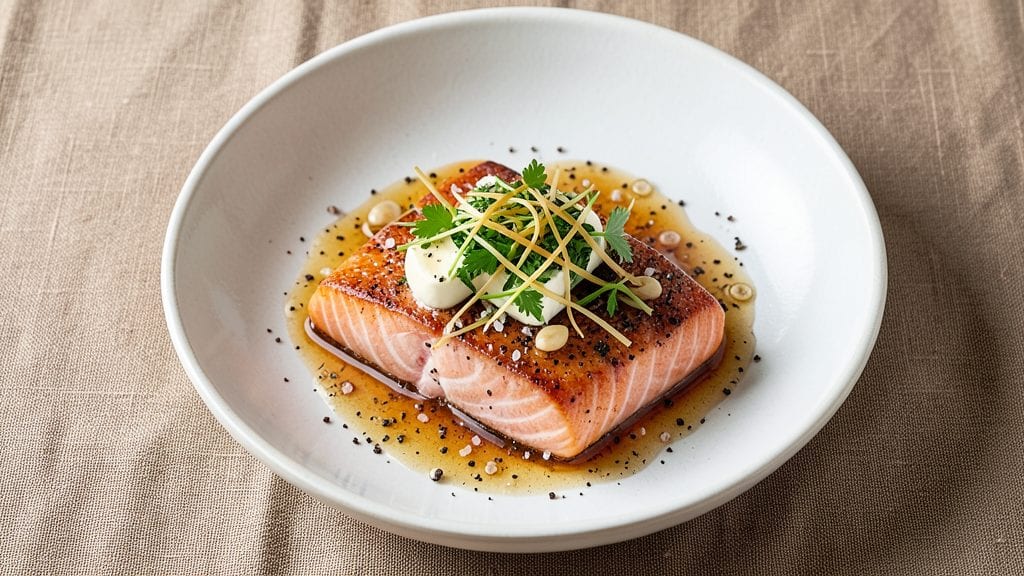
This salmon white wine recipe transforms simple ingredients into a restaurant-worthy dish with a herbed butter crust and bright acid balance that cuts through the richness. The key lies in deglazing the pan with white wine after searing the salmon, creating a silky, flavorful sauce that clings to every flake.
I’ve perfected this method over years of testing—it’s foolproof for weeknight dinners or special occasions.
The recipe starts with pan-searing salmon fillets until golden, then basting them with a reduction of white wine, shallots, and fresh herbs. A dollop of herbed butter on top adds a luxurious finish while keeping the dish light.
The white wine not only infuses flavor but also balances the richness of the butter, ensuring each bite is harmonious. This method works with any dry white wine—think Sauvignon Blanc or Pinot Grigio.
By the end, you’ll have perfectly cooked salmon with crisp edges, tender centers, and a glossy sauce that ties everything together. The herbed butter crust adds texture and depth, while the wine’s acidity keeps the dish from feeling heavy.
Serve it alongside roasted asparagus or a simple green salad for a complete meal that feels effortless yet impressive.
Whether you’re cooking for two or a small gathering, this recipe scales beautifully while maintaining its elegant balance. The technique is simple, but the result is anything but ordinary—proof that a little wine and butter can elevate salmon to new heights.
Let’s get started on creating this dish that’s sure to become a favorite.
Ingredients for salmon white wine
Twelve ingredients, four elegant components—herbed butter, wine reduction, crisp salmon, and bright acid balance.
| Ingredient | Amount | Notes |
|---|---|---|
| Center-Cut Salmon Fillets 🐟 | 4 whole | Skin-on, 6-8 oz each |
| Unsalted Butter 🧈 | ½ cup | Cold, cubed for crust |
| Fresh Thyme Leaves 🌿 | ¼ cup | Chopped, stems removed |
| Fresh Parsley Leaves 🌿 | ¼ cup | Chopped, flat-leaf preferred |
| Garlic Cloves 🧄 | 3 cloves | Minced, fresh preferred |
| Shallots 🧅 | 2 whole | Thinly sliced, 1 tbsp each |
| Dry White Wine 🍷 | ½ cup | Sauvignon Blanc or Pinot Grigio |
| Lemon Juice 🍋 | 2 tbsp | Freshly squeezed |
| Extra-Virgin Olive Oil 🫒 | 1 tbsp | For searing |
| Kosher Salt 🧂 | 1 tsp | Plus extra for seasoning |
| Ground Black Pepper 🌶️ | ½ tsp | Freshly cracked |
| Heavy Cream 🥛 | ¼ cup | Optional for sauce richness |
| Fresh Dill 🌿 | 1 tbsp | Chopped, for garnish |
The salmon quality makes all the difference here. Center-cut fillets with skin stay intact during searing, creating that perfect crisp. Whole Foods or local fishmongers carry the best—look for fillets with vibrant pink flesh and no fishy odor. If using frozen, thaw overnight in the fridge, skin-side down. The butter should be cold and cubed (not melted) for the crust. I like Plugrá butter for its rich flavor, but any high-quality unsalted works. Fresh herbs are non-negotiable—Trader Joe's sells pre-chopped thyme and parsley if you're short on time, but fresh always tastes better.
No white wine? Fish or seafood stock with a splash of apple cider vinegar mimics the acidity. Substitute shallots with 1/2 cup finely chopped red onion if needed, though shallots add subtle sweetness. For the herbed butter, dried herbs at half the amount work in a pinch, but the texture suffers. The heavy cream is optional—omit if you prefer a lighter sauce. If using, whisk it into the warm wine reduction at the end. For extra brightness, add 1 tsp lemon zest to the butter mixture. The wine should be dry and crisp—Yellow Tail or La Crema are reliable affordable options.
Prep the herbed butter first—it needs 10 minutes to chill before using. Salmon can be prepped 1 hour ahead and refrigerated on a plate. The wine reduction keeps 3 days refrigerated—reheat gently and drizzle over grilled salmon or pasta. Store leftovers 1 day max due to the butter. For make-ahead meals, bake the salmon at 375°F for 12-15 minutes instead of searing—it won't be as crispy but maintains moisture. Garnish with fresh dill just before serving to preserve its vibrant color.
Why You'll Love This Recipe
- One-Pan Magic: I swear by this recipe when I’m too tired to wash dishes. Just sear the salmon, deglaze with white wine, and let the butter and thyme work their magic—no extra pans, no fuss.
- Buttery Wine Kiss: That moment when the salmon absorbs the garlic, butter, and white wine? Pure satisfaction. The edges get crispy while the center stays tender, and the parsley finishes it with a bright, fresh punch.
- Weeknight to Dinner Party: Honestly, this is my go-to for both lazy Tuesdays and impressing guests. The rich, herby sauce feels fancy, but the prep is simple enough that I don’t stress if my in-laws show up unannounced.
- Leftovers That Don’t Suck: Between us, most salmon leftovers are sad. Not this one. The wine-infused butter keeps it moist, and I’ll reheat slices in a pan with a splash of broth—still delicious the next day. (Yes, even on a Tuesday.)
Step-by-step instructions for herbed butter crust salmon with white wine sauce
This method delivers perfectly crisp skin, tender fillets, and a bright white wine reduction that balances richness.
Prepare the Herbed Butter and Season the Salmon
In a small bowl, combine the 0.5 cup unsalted butter with the 0.25 cup chopped fresh thyme leaves, 0.25 cup chopped fresh parsley leaves, 3 cloves minced garlic, 0.5 tsp ground black pepper, and 1 tsp kosher salt. Mix until evenly distributed and form into a log shape. Wrap tightly in plastic wrap and chill for at least 30 minutes - this keeps the butter firm for perfect crust formation.
Pat each of the 4 whole center-cut salmon fillets dry with paper towels, removing any moisture from the skin. Season both sides generously with additional kosher salt and freshly cracked black pepper. The dry skin is essential for achieving that crispy crust we're after.
Create the Crust and Sear the Salmon
Preheat your oven to 400°F. Place the salmon fillets skin-side down on a parchment-lined baking sheet. Unwrap the herbed butter and slice into 4 equal pieces. Press each butter piece firmly onto the skin of each fillet, covering completely. The butter should adhere well to the dry skin.
Heat 1 tbsp extra-virgin olive oil in an oven-safe skillet over medium-high heat until shimmering. Carefully transfer the salmon fillets (with their butter crusts) to the skillet. Cook for 4-5 minutes until the skin is golden brown and crispy, and the butter has rendered slightly. The salmon should release easily from the skillet at this point.
Bake to Perfect Doneness
Transfer the skillet to the preheated oven and bake for 8-10 minutes. You'll know it's done when the salmon flakes easily with a fork and reaches an internal temperature of 145°F. The skin should remain crisp while the flesh stays moist and tender. Don't overcook - salmon continues cooking slightly after removal from heat.
While the salmon bakes, prepare the white wine sauce. In the same skillet (after removing the salmon), add the 2 whole thinly sliced shallots and cook for 2 minutes until softened. Pour in the 0.5 cup dry white wine and scrape up any browned bits from the bottom of the pan. Simmer for 3-4 minutes until reduced by half.
Finish with Lemon and Cream
Remove the salmon from the oven and let it rest for 5 minutes on a warm plate. The resting period allows the juices to redistribute, ensuring each bite is perfectly moist. Return the skillet with the reduced wine to medium heat and stir in the 2 tbsp freshly squeezed lemon juice and 0.25 cup heavy cream. Simmer for 1-2 minutes until slightly thickened.
To serve, spoon the bright white wine sauce over each fillet. Garnish with the 1 tbsp chopped fresh dill and additional cracked black pepper. The acidity from the lemon cuts through the richness of the butter and salmon, while the wine sauce adds depth without overpowering the delicate fish flavor.
Pro Tips For Making Salmon White Wine
- Sear First, Deglaze Last: Hit the salmon skin-side down in a cold pan, then turn the heat to medium-high until it crackles—about 3-4 minutes. After removing the fish, don’t rush the deglaze; let those browned bits sizzle in the wine for 2 full minutes. That’s where the flavor actually builds, not in the rushed splash-and-stir you might skip when you’re hungry.
- Pat Dry, Then Salt: Wipe the salmon fillets thoroughly with paper towels before seasoning—wet skin won’t sear, it’ll steam. Salt them 10 minutes early (yes, even if you’re impatient like me) so the salt draws out moisture and the butter clings better. Trust me, the crust will be worth the wait.
- Garlic Needs Love: Smash those garlic cloves flat with the side of your knife before adding them to the butter—this releases more flavor without burning. And if you’re using fresh thyme, strip the leaves just before tossing them in; bruised stems turn bitter fast. (I learned this after one disastrous batch where I prepped everything at once.)
- Wine Should Simmer, Not Boil: Reduce the white wine to half its volume over gentle heat—if it’s bubbling hard, you’re cooking off the alcohol too fast. The goal is a glossy, syrupy sauce, not a sad, watery glaze. A splash of cold water at the end helps thicken it up without scrambling the butter.
Troubleshooting perfect results
Skin Not Crisping
If your salmon skin stays soft instead of crispy, it’s likely because the fillets weren’t dry enough before searing. Pat them thoroughly with paper towels—moisture is the enemy of crisp skin.
Also, ensure your skillet is hot enough (medium-high heat) and the butter is cold and firm when pressing it onto the skin. I’ve found that using center-cut fillets with intact skin works best—avoid fillets with damaged edges. 🔥
Wine Sauce Too Thin
The wine reduction should coat the back of a spoon but not be watery. If it’s too thin, simmer it uncovered for an extra 1-2 minutes to evaporate excess liquid. For a thicker sauce, whisk in 1 tsp cornstarch mixed with 1 tbsp cold water at the end.
If using heavy cream, reduce the wine by half before adding it to prevent dilution. 💡
Salmon Overcooking
Overcooked salmon turns opaque and dry. Use a meat thermometer to check for 145°F internal temperature—it’s done when it flakes easily with a fork. If baking, remove it from the oven 2-3 minutes early and let it rest.
For pan-searing, watch closely—the 8-10 minute bake time is just a guideline. Salmon continues cooking post-oven, so err on the side of undercooking slightly. ⏰
Butter Melting Too Fast
If the herbed butter melts before the salmon is fully cooked, chill it longer (up to 1 hour) before using. Press the butter firmly onto the skin and avoid overcrowding the pan—cook one fillet at a time if needed.
A cold skillet can also help; heat it just until shimmering before adding the salmon. For extra insurance, place the skillet on a wire rack in the oven to prevent overheating. 🧈
Fishy Aftertaste
A fishy flavor often means the salmon wasn’t fresh enough or the wine wasn’t reduced long enough. Use wild-caught or sustainably farmed salmon for the best flavor. For the sauce, reduce the wine until it’s deep golden and syrupy—this concentrates the flavors and masks any off-notes.
Adding a splash of lemon juice at the end also brightens the dish. 🌿
Sauce Too Alcoholic
If the wine flavor is too strong, reduce it longer or add 1 tbsp fish stock to mellow it out. A pinch of sugar (½ tsp) can also help balance the acidity.
For a subtler wine taste, use a lighter white wine like Pinot Grigio instead of a bold Sauvignon Blanc. Always simmer the wine until at least 75% reduced to mellow the alcohol. 🍷
Nutrition facts
Frequently asked questions
What's the best white wine to use for this salmon recipe?
Go for a dry, crisp white wine like Sauvignon Blanc or Pinot Grigio—their bright acidity cuts through the richness of the butter beautifully. Avoid sweet wines or heavily oaked varieties, as they'll overpower the delicate salmon flavor. A budget-friendly option like Yellow Tail works perfectly for this dish.
Can I make this recipe without heavy cream?
The recipe works just as well without heavy cream—simply omit it from the sauce. The wine reduction will still be flavorful, though slightly lighter. For extra richness, substitute with 2 tbsp crème fraîche or 1 tbsp Greek yogurt at the end. The acidity from the lemon will keep the dish balanced.
How do I store leftovers?
Store the salmon and sauce separately in airtight containers for up to 2 days in the refrigerator. Reheat gently in a skillet with a splash of water or wine to restore moisture. The sauce can also be reheated alone and drizzled over other dishes like pasta or grilled vegetables. Never reheat salmon above 165°F to prevent drying out.
What's the secret to getting crispy salmon skin?
The key is dry skin and high heat. Pat the salmon fillets completely dry with paper towels before seasoning, and ensure your skillet is properly heated (medium-high) before adding the butter. Use center-cut fillets with intact skin for the best results. Press the butter firmly onto the skin and avoid moving the fillets until the crust forms.
Can I use frozen salmon?
Yes, but thaw it properly first. Place frozen salmon in its packaging on a plate and refrigerate overnight (about 12 hours). Once thawed, pat it dry thoroughly and proceed with the recipe as written. Never thaw salmon at room temperature, as this promotes bacterial growth. For best texture, use fresh salmon whenever possible.