
Main Courses
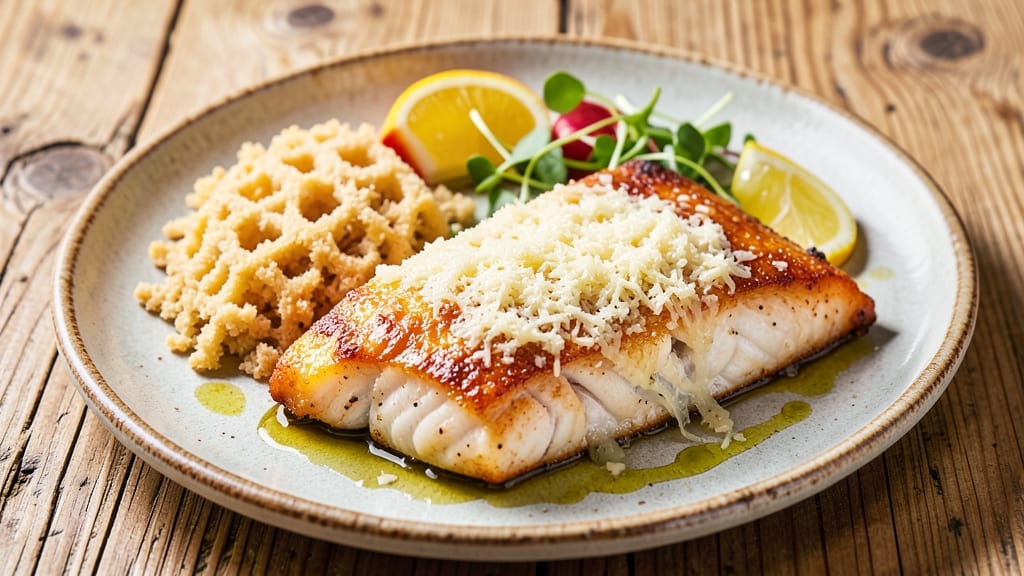
This parmesan baked cod recipe delivers restaurant-quality results with a crispy golden crust and tender, silky centers—all in just 20 minutes. The secret lies in the perfect balance of seasoning, breading, and baking technique that transforms simple cod fillets into a dish worthy of any seafood lover’s table.
I’ve perfected this method over countless test batches, ensuring it’s foolproof for both beginners and seasoned home cooks.
The recipe starts with fresh cod fillets seasoned with salt, pepper, and a touch of lemon zest—bright flavors that cut through the richness of the parmesan. A light coating of flour and panko breadcrumbs creates the ideal texture: crispy on the outside while keeping the inside delicate and flaky.
Baking at the right temperature ensures even cooking without drying out the fish, a common mistake that ruins many baked cod dishes.
What you’ll end up with is a dish that looks as impressive as it tastes—golden, bubbling edges with a creamy parmesan crust that melts into every bite. The lemon wedges on the side add a fresh contrast, balancing the richness of the parmesan.
This recipe is perfect for weeknight dinners, special occasions, or when you want to impress without spending hours in the kitchen.
Pair it with roasted asparagus or a simple green salad to round out the meal, and you’ve got a complete, restaurant-worthy dinner in under half an hour. The instructions are straightforward, and the results are consistently delicious—no guesswork involved. Let’s get started on creating this elegant yet simple dish.
Ingredients for parmesan baked cod
Restaurant-quality crust and tender centers start with these simple yet precise ingredients.
| Ingredient | Amount | Notes |
|---|---|---|
| Cod Fillets 🐟 | 4 whole | Fresh, skinless, 6-8 oz each |
| All-Purpose Flour 🌾 | ½ cup | Lightly seasoned with salt |
| Panko Breadcrumbs 🍞 | ¾ cup | Japanese-style preferred |
| Parmesan Cheese 🧀 | ½ cup | Freshly grated from block |
| Extra-Virgin Olive Oil 🫒 | 2 tbsp | For dredging and baking |
| Fresh Lemon 🍋 | 1 whole | Zest and 2 wedges for serving |
| Salt 🧂 | 1 tsp | Kosher or sea salt |
| Ground Black Pepper 🌶️ | ½ tsp | Freshly ground preferred |
| Garlic Powder 🧄 | ½ tsp | For added depth |
| Dried Parsley 🌿 | 1 tbsp | For garnish, optional |
| Unsalted Butter 🧈 | 1 tbsp | For greasing baking dish |
The cod is the star—freshness matters most. Look for fillets with a vibrant color and firm texture at your local seafood counter or trusted fishmonger. Whole Foods and Trader Joe's typically carry high-quality cod, but ask for it to be skinless if you prefer. The fillets should be roughly 6-8 ounces each for even baking. If you can't find cod, halibut or mahi-mahi work as substitutes, though texture may vary slightly. For the Parmesan, grate it yourself—pre-grated often contains anti-caking agents that prevent proper melting. A Parmigiano-Reggiano wedge from the deli section delivers the best results.
No panko? Toast regular breadcrumbs in a dry pan until golden for a similar texture. Substituting flour? Almond flour works too, though it adds a nutty flavor. The lemon zest brightens the dish—if you're short on time, a lemon juice splash in the breading mixture helps. For extra richness, add a tablespoon of mayonnaise to the breading. The garlic powder enhances flavor without overpowering, but fresh minced garlic can replace it at half the amount. Store-bought lemon juice? Freshly squeezed is ideal, but bottled works in a pinch if it's labeled 'pure'.
Prep ahead for convenience: Grate the Parmesan and mix the breading ingredients in advance, storing them in separate airtight containers in the fridge for up to 3 days. The cod should stay refrigerated until ready to use—never thaw frozen fillets in warm water, as this can make them mushy. Once baked, the dish reheats beautifully in a 350°F oven for 5-7 minutes. For meal prep, portion the baked cod into containers with a sprinkle of fresh parsley—keeps well for 2 days. Freeze any leftovers for up to 1 month, though texture may be slightly drier after thawing.
Why You'll Love This Recipe
- No-Fuss Crispiness: Honestly, the panko and parmesan combo does all the work for you—just press, bake, and boom, golden crust that shatters with every bite. No flipping, no frying mess, just that perfect crunch I crave after a long day.
- Umami Bomb: That salty, nutty parmesan clinging to the cod? It’s like a flavor upgrade—simple olive oil and flour can’t compete. The moment it hits my tongue, I’m hooked (yes, even on a Tuesday night).
- Meal Prep MVP: Bake a whole sheet pan on Sunday, and you’ve got lunches for the week—reheat in seconds, no soggy fish here. My kids grab it straight from the fridge, and honestly? They never complain about leftovers.
- Budget Bright Spot: Cod’s affordable, and a single fillet stretches into two servings with this method. Plus, panko and parmesan stretch my grocery budget further than I expected—without sacrificing taste. (Between us, it’s my secret weapon for fancier dinners.)
Step-by-step instructions for parmesan baked cod
Here's the method for achieving perfectly crispy crust and tender cod every time.
Prepare the Breading Station
In a shallow dish, combine the 0.5 cup all-purpose flour, 0.5 tsp garlic powder, 0.5 tsp ground black pepper, and 1 tsp salt. Mix thoroughly with a fork to distribute the seasonings evenly. In another shallow dish, mix the 0.75 cup panko breadcrumbs with the 0.5 cup freshly grated parmesan cheese. The panko should be light and fluffy, not packed down.
I like to use two separate dishes for the flour and breadcrumb mixtures to create distinct layers of texture. The flour creates a fine, crisp crust, while the panko and parmesan provide a crunchy, cheesy exterior. Keep these stations ready on your work surface for quick assembly.
Season and Dredge the Cod Fillets
Pat each cod fillet dry with paper towels—this is crucial for achieving a crispy crust. Season both sides generously with additional salt and pepper if desired, though the seasoning in the flour mixture will provide enough flavor. Working with one fillet at a time, press it gently into the flour mixture, coating both sides completely. Tap off any excess flour by holding the fillet over the dish.
Next, transfer the floured fillet to the panko-parmesan mixture, pressing firmly to ensure an even coating. The breadcrumbs should adhere tightly to the fish. I find it helps to use my fingers to press the mixture into any thin edges where the coating might be sparse. Place the breaded fillets on a wire rack set over a plate to keep them elevated and prevent sogginess.
Preheat and Prepare the Baking Dish
Preheat your oven to 425°F. While it heats, lightly grease a baking dish with 1 tablespoon unsalted butter using a paper towel. The butter adds flavor and helps prevent sticking. Arrange the breaded cod fillets in a single layer in the prepared baking dish, leaving about 1 inch of space between each fillet. This allows the hot air to circulate and ensures even browning.
Drizzle the fillets with 2 tablespoons extra-virgin olive oil, dividing it evenly among them. The oil helps create a golden crust and prevents the breading from becoming dry. Sprinkle the cod with a pinch of additional salt and pepper if needed, though the initial seasoning should be sufficient.
Bake to Golden Perfection
Bake the cod for 12-15 minutes, or until the edges are deep golden brown and the internal temperature reaches 145°F when measured with an instant-read thermometer. The breading should be crispy and slightly puffed, while the fish underneath should be just opaque—no pink should remain in the thickest part of the fillet.
I know it's tempting to check early, but resist the urge to open the oven door. The sudden temperature drop can cause the breading to soften. If the top isn't browning quickly enough, you can broil the cod for the last 1-2 minutes for extra crispiness, but watch it closely to avoid burning.
Finish with Lemon and Serve Immediately
Remove the cod from the oven and let it rest for 2-3 minutes on a wire rack. This brief rest allows the juices to redistribute, ensuring each bite is moist. While the cod rests, zest the fresh lemon and cut it into 2 wedges for serving. The bright acidity of the lemon cuts through the richness of the parmesan and balances the fish's natural flavor.
Garnish each fillet with a sprinkle of dried parsley for a pop of color and freshness. Serve the cod immediately with the lemon wedges on the side, along with your choice of steamed vegetables or a simple salad. The contrast of the crispy, cheesy crust with the silky, flaky fish makes every bite irresistible.
Pro Tips For Making Parmesan Baked Cod
- Pat Dry First: Cod stays soggy when wet—rub it with paper towels until it’s bone-dry before dredging. I learned this the hard way when my first batch turned out like a fishy fritter instead of crispy perfection.
- Use Cold Olive Oil: Chill your olive oil in the fridge for 10 minutes before dipping the cod. Cold oil clings better to the crust, and the fish won’t steam itself under before it hits the oven.
- Press the Crust: After coating, press the panko-parmesan mix hard onto the fillets with your palm—no gaps, no loose crumbs. I used to skip this, and the crust always fell apart halfway through baking.
- Bake on Wire Racks: Place cod on a wire rack over a baking sheet to let hot air circulate underneath. No rack? Use crumpled foil to elevate it—this keeps the crust crisp instead of turning it into a sad, greasy mess.
Troubleshooting perfect results
Uneven Breading Fix
If your cod fillets aren’t getting an even coating, try this trick: Chill the cod for 15 minutes before breading. Cold fish holds the breading better. For stubborn edges, use a pastry brush dipped in beaten egg (1 egg + 1 tbsp water) to help the crumbs stick.
Press the panko-parmesan mix extra firmly on thin areas, especially near the tail. 💡
Soggy Crust Solution
The #1 cause of soggy crusts is moisture. Pat the cod fillets bone-dry with paper towels before breading—no shortcuts here. If your kitchen feels humid, preheat your oven for 10 minutes before adding the cod to blast away moisture.
For extra insurance, broil for 1-2 minutes at the end to crisp up any soft spots.
Fish Sticking Problem
Grease your baking dish properly with 1 tbsp butter (not oil) for best results. For stubborn sticking, parchment paper works wonders—just cut circles slightly larger than your fillets. Place the parchment directly on the rack in your baking dish before adding the cod.
If using foil, poke holes in it to prevent steam buildup, which makes breading soggy.
Overcooked Cod
Cod cooks fast—145°F internal temp is perfect. If yours is dry, you likely overbaked. Check at 12 minutes and remove when edges are golden. For thicker fillets (>1 inch), reduce oven temp to 400°F and bake for 10-12 minutes.
A meat thermometer is your best friend here—no guessing! 🌡️
Parmesan Not Melting
Pre-grated Parmesan has anti-caking agents that prevent melting. Grating your own from a block is key. For extra melt, mix 1 tbsp heavy cream into your panko-parmesan mixture. Another trick: Broil for 30 seconds at the end to help the cheese soften. Avoid pre-shredded cheese—it’s a game-changer!
Breading Falling Off
If your breading keeps falling off, your cod might be too wet. Double-pat dry with paper towels, then freeze the fillets for 10 minutes before breading. For extra adhesion, dip in beaten egg (1 egg + 1 tbsp water) between flour and panko layers.
Press the breading on firmly—no floating crumbs! A wire rack keeps air circulating underneath for better adhesion. 🍞
Nutrition facts
Frequently asked questions
Can I use frozen cod for this recipe?
Yes, but thaw it properly first. Place frozen cod fillets in a sealed bag and submerge in cold water for 30-45 minutes, changing the water every 10 minutes. Never thaw at room temperature—this makes the fish mushy. Once thawed, pat completely dry before breading for the best crust.
What's the best way to store leftovers?
Store baked cod in an airtight container with parchment paper between layers to prevent sticking. It keeps well in the fridge for 2 days or frozen for 1 month. Reheat gently at 350°F for 5-7 minutes—microwaving can make the crust soggy.
Can I make this dish ahead of time?
Prepare the breading mixture in advance and store it in the fridge for up to 3 days. For the cod itself, bread the fillets up to 4 hours ahead and refrigerate on a wire rack. Bake fresh when ready—this prevents soggy breading. The lemon should be added fresh before serving.
What wine pairs well with this dish?
A crisp Sauvignon Blanc or light Chardonnay complements the parmesan and lemon perfectly. For red wine lovers, try a Pinot Noir—its acidity balances the richness without overpowering. Serve slightly chilled for best flavor.
Why did my cod turn out dry?
Overcooking is the most common cause. Cod cooks quickly—remove it when the internal temp reaches 145°F (about 12-15 minutes at 425°F). Thicker fillets need 10-12 minutes at 400°F. Always use a meat thermometer for accuracy.