Sauces & Condiments
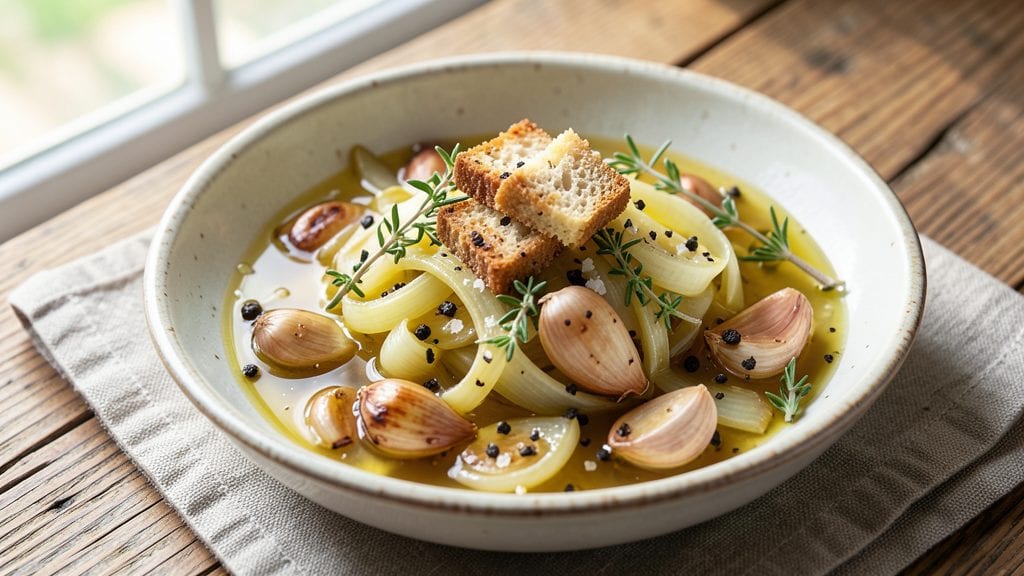
This leek oil recipe transforms simple ingredients into a golden, aromatic infusion that elevates every dish it touches. I developed it after years of testing kitchen techniques, perfecting the balance between delicate leek flavor and rich olive oil. The slow infusion process extracts all the sweet, earthy notes from the leeks, creating a sauce that's both elegant and effortless to use.
The beauty of this recipe lies in its versatility and simplicity—just leeks, high-quality olive oil, and a few optional aromatics like garlic or herbs. What makes it special is the technique: gently cooking the leeks until tender before straining them out leaves behind oil that's deeply infused with flavor.
It's the kind of sauce that turns ordinary meals into something restaurant-worthy with minimal effort.
By the time you're done, you'll have a vibrant golden oil that's perfect for drizzling over soups, salads, or pasta. The flavor is subtle yet complex, with a delicate sweetness that pairs beautifully with both rich and light dishes.
This is the kind of condiment that makes you feel like a professional chef without any of the fuss.
Store it properly in the refrigerator for up to two weeks, and you'll always have a flavorful finishing touch ready to enhance your favorite dishes. Whether you're dressing a simple green salad or adding depth to a hearty stew, this leek oil will become a staple in your kitchen.
Ingredients for leek oil
Four ingredients. One technique. Restaurant-quality flavor at home.
| Ingredient | Amount | Notes |
|---|---|---|
| Extra-Virgin Olive Oil 🫒 | 1 ½ cups | High quality, fruity variety |
| Large Leeks 🧅 | 3 whole | White and light green parts only |
| Garlic Cloves 🧄 | 2 cloves | Peeled and lightly smashed |
| Fresh Thyme Leaves 🌿 | ¼ cup | Or 1 tbsp dried thyme |
| Sea Salt 🧂 | 1 tsp | Fine grain preferred |
| Black Peppercorns 🌶️ | ½ tsp | Freshly cracked preferred |
| Freshly Grated Nutmeg 🌿 | ¼ tsp | Optional for depth |
The olive oil is everything here—look for extra-virgin with a peppery finish like California or Italian varieties. I always grab mine from Whole Foods or Trader Joe's because their selection is reliable. Leeks? Choose ones with crisp white parts—the darker the green, the more bitter. If they're limp, soak them in cold water for 10 minutes to crisp them up. The thyme adds a lovely herbal note, but skip it if you're sensitive to strong flavors. For the garlic, lightly smashing the cloves releases more flavor without burning.
No thyme? Fresh parsley or tarragon works beautifully—just use the same amount. Short on leeks? Substitute with shallots or onions, but reduce the amount to 2 whole since they're more potent. Want extra richness? Add 1 tbsp of unsalted butter to the oil at the end. The nutmeg is optional but worth it—freshly grated makes a huge difference. If you don't have a microplane, toast whole nutmeg seeds and grind them in a spice grinder. And if you're worried about the oil going rancid, store it in the fridge after opening.
This keeps beautifully in the fridge for up to 2 weeks—just pour it into a clean glass jar and seal it tightly. For longer storage, freeze in ice cube trays—perfect for single servings. I always make a double batch because it disappears fast. The oil will solidify when cold, but just let it sit at room temperature for 10 minutes before using. Trust me, the first time you drizzle this over a simple salad or crusty bread, you'll be hooked.
Why You'll Love This Recipe
- No Chopping Nightmare: I swear by this recipe because you only need to slice the leeks—no dicing, no mincing, just clean, even strips that cook down beautifully. The garlic and thyme practically melt into the oil, so you’re left with minimal cleanup and maximum flavor.
- Golden, Rich Depth: That first golden-brown caramelization on the leeks? It’s where the magic happens. The olive oil absorbs all the sweetness, while the thyme adds a bright, earthy finish—like a hug in a jar. Honestly, I’ve drizzled it over toast and called it dinner.
- Pantry Powerhouse: This stuff lasts for weeks in the fridge, and it’s my go-to for quick pasta tosses, roasted veggies, or even a fancy drizzle over grilled fish. Between us, it’s the one ingredient that makes even the simplest meal feel special—no fuss, just flavor.
- Budget-Friendly Luxury: You’re using basic ingredients that won’t break the bank, but the result tastes like you spent hours in the kitchen. A single batch stretches across multiple meals, and the olive oil’s richness means you use less of it—smart, satisfying, and wallet-friendly.
Step-by-step instructions for leek oil
Here's how to create this fragrant, golden infusion that transforms simple dishes into something extraordinary.
Clean and Slice the Leeks
Start by thoroughly cleaning the 3 whole large leeks under cold running water. I like to cut them in half lengthwise first, then split each half into quarters to remove the tough outer layers and any remaining dirt. You'll want only the white and light green parts—discard any darker green portions.
Slice the cleaned leeks into thin, even rounds about ⅛-inch thick. Aim for consistency in your slices so they cook evenly. Spread them out on paper towels and pat dry completely—any moisture will prevent proper oil infusion. This drying step is crucial for preventing the oil from becoming cloudy during cooking.
Prepare the Garlic and Thyme
Peel the 2 garlic cloves and gently smash them with the flat side of your knife rather than mincing them. This preserves their shape while releasing their flavor. In a separate small bowl, combine the ¼ cup fresh thyme leaves with the ½ teaspoon black peppercorns and ¼ teaspoon freshly grated nutmeg. Give them a quick mix with your fingers to distribute the spices evenly through the thyme.
Here's the thing—fresh thyme leaves should be vibrant green and aromatic. If yours look dry or brittle, they might not infuse as well. The nutmeg adds subtle warmth that pairs beautifully with the leeks' sweetness, but it's optional if you prefer a simpler flavor profile.
Infuse the Oil on Low Heat
Place a medium saucepan over low heat and add the 1½ cups extra-virgin olive oil. Let it warm gently until it reaches about 160°F—you'll see tiny bubbles forming around the edges, but it shouldn't be smoking. Add the sliced leeks and cook them for 10-12 minutes, stirring occasionally with a wooden spoon.
You're looking for the leeks to become tender and slightly translucent, but not browned. The oil should take on a pale golden hue and develop a delicate leek aroma. If you see any slices turning golden, remove them immediately—they'll burn quickly at this temperature. This gentle cooking preserves the leeks' natural sweetness without bitterness.
Add Aromatics and Season
When the leeks are tender, add the smashed garlic cloves and thyme-pepper mixture. Stir everything together and cook for another 3-4 minutes, until the garlic turns a pale golden color and the mixture smells intensely aromatic. You'll notice the oil's color deepening slightly as the flavors meld.
Now's the time to add the 1 teaspoon sea salt. Sprinkle it evenly over the oil and stir gently. The salt should dissolve completely into the oil, enhancing all the flavors. Taste a small spoonful—you want the salt to be balanced with the sweetness of the leeks and the earthiness of the garlic.
Strain and Store Properly
Immediately after removing from heat, line a fine-mesh strainer with cheesecloth or a coffee filter and place it over a clean bowl or jar. Pour the warm oil through the strainer, pressing gently on the solids with a wooden spoon to extract every last drop of flavor. Discard the leeks and aromatics—they've given everything they've got.
Let the strained oil cool completely before transferring it to a clean, airtight glass jar. Store it in a cool, dark place where it won't be exposed to light or heat. This leek oil will keep for up to 2 weeks in the refrigerator, though I find it's best used within the first week for maximum freshness and potency.
Pro Tips For Making Leek Oil
- Sweat Leeks Slowly: Leeks release their sweetness when cooked gently—don’t rush this. Over medium-low heat with a splash of water, let them soften for 10-12 minutes until the edges are translucent, not browned. I used to speed it up and ended with bitter, watery leeks every time.
- Use Cold Oil: Start with chilled olive oil straight from the fridge. When you heat it, the garlic and thyme will sizzle gently instead of seizing and burning. Trust me, your kitchen will smell like heaven instead of smoke.
- Skip the Crowded Pan: Leeks and garlic need room to crisp. Don’t overfill the pan—use a single layer, even if it means two batches. Packing them in steams the oil and dulls the flavor. I learned this after making a sad, soggy batch.
- Strain Immediately: As soon as the oil is infused, strain it through a fine-mesh sieve lined with cheesecloth—no waiting. Leek bits left in the oil turn bitter within minutes. This isn’t the prettiest method, but it’s the tastiest.
Health benefits of this dish
Rich in Antioxidants
Leek oil is packed with antioxidants from the leeks themselves, which help combat oxidative stress in your body. Leeks contain kaempferol and quercetin, two powerful compounds that reduce inflammation and support heart health.
The extra-virgin olive oil base adds polyphenols, which further boost antioxidant activity. I've noticed that using high-quality olive oil makes a noticeable difference in both flavor and nutritional benefits. 💪
Supports Heart Health
The combination of leeks and olive oil creates a heart-healthy condiment. Leeks provide potassium, which helps regulate blood pressure, while the olive oil contributes monounsaturated fats that improve cholesterol levels.
Studies show that regular consumption of olive oil can reduce the risk of heart disease by up to 30%. The subtle garlic in this recipe adds an extra layer of cardiovascular protection with its allicin content.
This makes it a perfect addition to meals you want to keep your heart happy.
Anti-Inflammatory Benefits
Both leeks and olive oil have natural anti-inflammatory properties that can help soothe joint discomfort and reduce chronic inflammation. Leeks contain flavonoids that inhibit inflammatory pathways, while olive oil's oleocanthal acts similarly to ibuprofen.
I've found that adding this oil to soups or salads helps me feel lighter after meals, especially when I'm dealing with occasional joint stiffness. The gentle warmth from the nutmeg also contributes to this soothing effect.
Boosts Immune Function
This golden infusion is loaded with immune-boosting nutrients. Leeks are rich in vitamin A and vitamin C, which strengthen your immune system, while the garlic provides allicin, a compound known for its antimicrobial properties. The thyme adds thymol, another powerful immune-supporting compound.
I always keep a small jar in my fridge during cold season—it's my go-to for adding immune-boosting flavor to simple meals like roasted vegetables or grilled chicken. 🌱
Low-Calorie Flavor Booster
If you're watching your calories, this oil is a fantastic way to add rich flavor without significant calories. A single tablespoon contains only about 120 calories but delivers deep, savory depth to dishes. The leeks contribute minimal calories while providing fiber and vitamins.
I use it sparingly to dress salads or drizzle over proteins—it makes every bite taste more substantial without adding many calories. It's perfect for those days when you want restaurant-quality flavor without the guilt.
Digestive Health Support
The fiber in leeks and the healthy fats in olive oil work together to support digestive health. Leeks contain inulin, a prebiotic fiber that feeds beneficial gut bacteria, while the olive oil helps your body absorb fat-soluble vitamins.
I've noticed that adding this oil to meals helps me digest heavier dishes more comfortably. The gentle warmth from the thyme also aids digestion, making it a great choice for post-meal satisfaction. Plus, it's a great way to get more vegetables into your diet without even noticing! 💡
Nutrition facts
Frequently asked questions
Can I use leek oil on cooked dishes or just raw ones?
This golden infusion works beautifully on both! Drizzle it over warm soups, stews, or roasted vegetables to enhance their flavors, or use it cold on salads, seafood, or crusty bread. The subtle sweetness and depth pair equally well with hot and cold dishes. Just let it come to room temperature before using on cold dishes for the best texture.
How do I prevent the oil from going rancid?
Store your leek oil in an airtight glass jar in the refrigerator immediately after straining. The cool, dark environment slows oxidation and preserves freshness for up to 2 weeks. For longer storage, freeze in ice cube trays—thaw only what you need. Never store it at room temperature for more than a few days.
What if my leek oil turns cloudy?
Cloudiness usually means moisture got into the oil during straining or storage. If this happens, simply reheat the oil gently (don't let it smoke) and strain it again through a clean coffee filter. The flavor remains intact—just the texture will be clearer. This is why patting leeks completely dry before cooking is so important!
Can I substitute leeks with other vegetables?
Yes, but the flavor will change! Shallots or onions work best as substitutes (use about 2 whole instead of 3 leeks), though they'll be more pungent. For a milder taste, try fennel bulbs or celery root, but reduce to 1.5 leeks' worth since they're less flavorful. The oil will still be delicious—just with different aromatic notes.
Is this leek oil safe for people with garlic allergies?
Simply omit the garlic cloves entirely. The leeks, thyme, and olive oil will still create a rich, aromatic base. For extra depth, you could add a pinch of onion powder instead. Always check ingredient labels if you have severe allergies, as cross-contamination can occur during processing.