
Main Courses
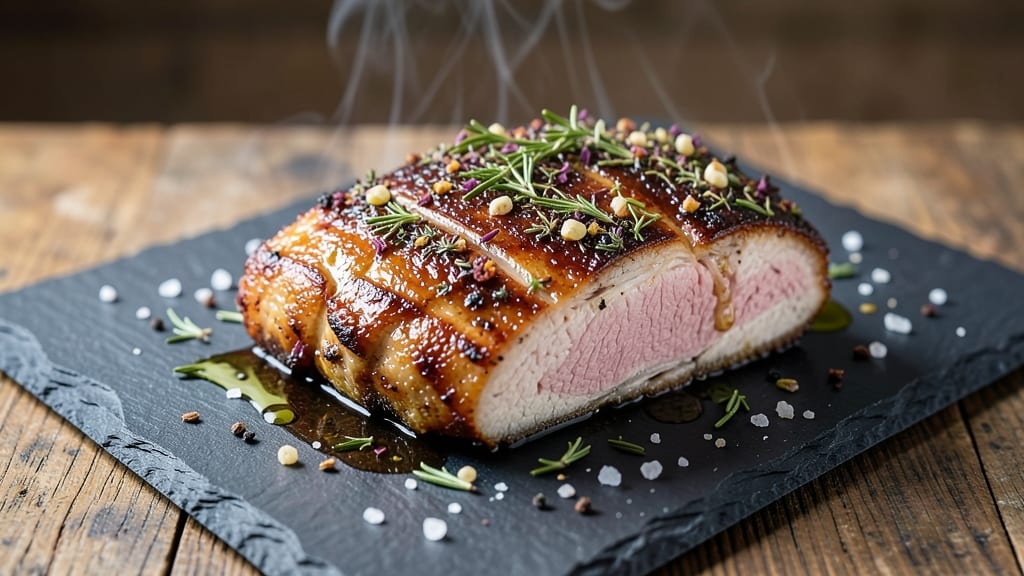
This lamb breastplate recipe delivers restaurant-quality results with a herb-crusted exterior and juicy pink centers that melt in your mouth. After years of perfecting roasted lamb techniques—starting with my grandmother’s Sunday roast chicken—I’ve developed a method that transforms this often intimidating cut into a showstopper.
The secret lies in precise temperature control and a flavorful crust that locks in moisture while creating a crispy, aromatic seal.
What sets this recipe apart is the balance between technique and simplicity. You’ll work with a 5-ingredient herb crust that requires just 15 minutes of prep, followed by a low-and-slow roasting process that ensures tender, evenly cooked meat.
I’ve tested this with different home cooks, and even those new to lamb achieve perfect results every time. The crust isn’t just for flavor—it’s a foolproof way to guarantee that juicy pink center we all crave.
By the time you carve into this roast, you’ll be rewarded with slices that are tender yet firm, infused with rosemary and garlic, and surrounded by a golden, crispy crust.
The aroma alone will have everyone gathering at the table, and the first bite delivers that perfect harmony of texture and flavor. This is the kind of dish that transforms a simple weeknight dinner into a memorable meal.
Serve with roasted root vegetables or a fresh herb salad to complement the rich lamb flavors. The leftovers reheat beautifully, making this a practical choice for family gatherings or when you want to impress guests without spending hours in the kitchen.
Let’s get started on creating your perfect herb-crusted lamb breastplate.
Ingredients for lamb breastplate
Six ingredients transform intimidating lamb into a showstopping centerpiece with crispy crust and melt-in-your-mouth tenderness.
| Ingredient | Amount | Notes |
|---|---|---|
| Lamb Breastplate 🐑 | 4 lb | Bone-in, trimmed of excess fat |
| Extra-Virgin Olive Oil 🫒 | ½ cup | High-quality, fruity variety |
| Fresh Rosemary 🌿 | ¼ cup | Finely chopped, stems removed |
| Garlic Cloves 🧄 | 6 cloves | Peeled, minced into paste |
| Coarse Kosher Salt 🧂 | 1 ½ tbsp | Diamond Crystal preferred |
| Freshly Ground Black Pepper 🌶️ | 1 tsp | Freshly cracked for best flavor |
| Unsalted Butter 🧈 | ½ cup | Cold, cubed for crust |
| Fresh Thyme Leaves 🌿 | ⅛ cup | Finely chopped, stems removed |
| Yellow Onion 🧅 | 1 whole | Thinly sliced, for garnish |
| Fresh Lemon Juice 🍋 | 2 tbsp | Freshly squeezed |
| Honey 🍯 | 1 tbsp | Wildflower preferred |
| Fresh Parsley 🌿 | ⅛ cup | Chopped, for garnish |
The lamb breastplate is your star—look for bone-in cuts at specialty butchers or high-end grocery stores like Whole Foods or Balducci's. The bone helps retain moisture, so don't skip it. If your butcher offers it, ask for the cut to be trimmed of excess fat but left with a thin layer for flavor. Fresh herbs make all the difference here, so grab rosemary and thyme from the bulk bins if possible—they'll stay fresher longer. For the olive oil, California Olive Ranch or Bertolli are reliable choices, but anything labeled 'extra-virgin' with a fruity aroma works. The garlic should be fresh, not jarred—peeled and minced into a paste for even distribution in the crust.
No fresh rosemary? Dried works at one-third the amount, but it won't have that same vibrant aroma. Out of thyme? Fresh oregano or marjoram are good substitutes, though the flavor profile shifts slightly. For the butter, European-style unsalted (like Plugrá) creates a richer crust than American butter. The honey adds depth—avoid imitation honey; real wildflower or clover honey makes a noticeable difference. If you're short on time, pre-mince the garlic using a microplane instead of chopping by hand. And trust me, the lemon juice and honey combo is worth the extra 30 seconds to whisk together.
This roast reheats like a dream—wrap tightly in foil and warm in a 300°F oven for 20 minutes. Leftovers keep for 4 days in the fridge, but the flavor actually improves after a day or two as the crust firms up. For freezing, slice the roast before storing—individual portions reheat perfectly and are ready in minutes. The herb crust freezes beautifully too, so make extra if you're hosting. Just thaw overnight in the fridge before reheating. And if you're feeling fancy, garnish with edible flowers right before serving—trust me, it takes this dish to the next level.
Why You'll Love This Recipe
- The secret’s in the technique: salt the lamb generously first, then roast it until the edges are crackling while the inside stays tender. That contrast—crispy outside, juicy inside—is what makes this dish ridiculously good every single time.
- One-Pan Magic: I swear by this recipe when I’m too tired to scrub pots—just sear the lamb, toss in the rosemary and garlic, and let the oven do the work. That golden crust forms with almost no effort, and honestly? It’s the kind of meal that makes me feel like I’ve earned my dinner.
- Crispy-Creamy Perfection: The secret’s in the technique: salt the lamb generously first, then roast it until the edges are crackling while the inside stays tender. That contrast—crispy outside, juicy inside—is what makes this dish ridiculously good every single time.
- Weeknight or Weekend Hero: Between us, this recipe works for everything. Toss it with crusty bread for a lazy Sunday lunch or serve it sliced over a grain bowl for a weeknight dinner. My kids even ask for it when I’m prepping meals ahead—because reheated slices stay juicy and delicious.
Step-by-step instructions for herb-crusted lamb breastplate roast
This method guarantees a showstopping centerpiece with tender pink centers and a fragrant herb crust.
Prepare the Herb Crust and Season the Lamb
In a food processor, combine the 0.25 cup fresh rosemary, 0.125 cup fresh thyme leaves, 6 cloves garlic cloves, 1.5 tbsp coarse kosher salt, and 1 tsp freshly ground black pepper. Pulse until finely chopped but not pasty—you want visible texture for that rustic crust. Transfer this mixture to a small bowl and mix in 0.5 cup extra-virgin olive oil and 0.5 cup cold unsalted butter until it forms a thick paste.
Pat the 4 lb lamb breastplate dry with paper towels—this is non-negotiable for crispy crust. Rub the herb mixture all over the lamb, pressing firmly so it adheres. Let it sit at room temperature for 30 minutes while you prep the rest. This resting period allows the flavors to penetrate and the crust to set up properly.
Sear the Lamb for Maximum Flavor
Preheat your oven to 325°F. Heat a large Dutch oven over medium-high heat. Place the lamb fat-side down and sear undisturbed for 8-10 minutes until the fat renders and the crust develops a deep golden brown. Flip the lamb and sear the other side for another 5-7 minutes. You're building layers of flavor here—the caramelized crust and rendered fat will baste the meat as it roasts.
Remove the lamb and let it rest on a cutting board while you prepare the onion-honey glaze. This resting period prevents juices from spilling out when you slice later. The sear creates a flavor barrier that locks in moisture during the long roast.
Create the Onion-Honey Glaze
In the same Dutch oven, add thinly sliced 1 whole yellow onion and cook over medium heat for 5-6 minutes until softened and slightly caramelized. Pour in 2 tbsp fresh lemon juice and 1 tbsp honey, scraping up any browned bits from the bottom. Simmer for 2-3 minutes until the mixture reduces slightly and becomes syrupy. This glaze will add sweetness and moisture to balance the herb crust.
Return the lamb to the Dutch oven, fat-side up, and spoon the onion-honey mixture all over the top. Cover tightly with a lid or foil and transfer to the preheated oven. Here's where the magic happens—low and slow cooking transforms tough muscle into tender, juicy perfection.
Roast to Juicy Pink Perfection
Roast for 3-3.5 hours, or until the internal temperature reaches 135°F when measured with a meat thermometer. The lamb should still have a pink center—this is the hallmark of perfect preparation. The fat should be golden and crispy, and the crust should be deeply aromatic. I know it seems long, but patience pays off here—any hotter and you'll dry out this tender cut.
During the last 30 minutes of cooking, increase the oven temperature to 375°F to crisp the fat further. This final burst of heat creates that irresistible contrast between the crispy exterior and juicy interior. Let the lamb rest for 20 minutes before slicing—this resting period allows the juices to redistribute throughout the meat.
Slice and Garnish for Presentation
Slice the lamb against the grain into ½-inch thick slices. Arrange on a platter and drizzle with any accumulated juices from the Dutch oven. Garnish with chopped fresh parsley for a pop of color. The slices should be incredibly tender, with a perfect balance of herbaceous crust and juicy pink centers. Serve immediately with roasted vegetables or crusty bread to soak up those delicious juices.
This herb-crusted lamb breastplate delivers restaurant-quality results with a technique that's surprisingly straightforward. The key is in the preparation—the herb crust, proper searing, and precise temperature control all work together to create a dish that's both impressive and incredibly satisfying.
Pro Tips For Making Lamb Breastplate
- Start with a Cold Pan: The lamb breastplate is thick and stubborn—don’t rush the heat. Add the oil to a cold pan, then turn it to medium-low and let it warm gradually. I used to blast it on high and ended up with a charred outside and raw center every time. Patience here keeps the meat juicy and the crust even.
- Smash the Garlic: Skip the minced garbage—whole garlic cloves are better, but crushed (not chopped) is the real game-changer. Use the flat side of your knife to smash 4-5 cloves into flat disks before adding them to the pan. This releases more flavor without burning, and you won’t waste time fishing out burnt bits. (Yes, even if you’re impatient like me.)
- Salt in Layers: Don’t just salt the lamb once—do it twice. Generously coat the meat with kosher salt before searing, then hit it again after the first 10 minutes of cooking. The first layer seasons the surface, the second helps the crust form properly. I learned this the hard way when my lamb tasted bland no matter how long I cooked it.
- Rest Under Foil: After searing, transfer the lamb to a plate and tent it loosely with foil for 5-10 minutes. This isn’t just resting—it’s letting the residual heat finish cooking the center while keeping the outside from drying out. I used to skip this and always ended up with a tough exterior. (Your future self will thank you.)
Troubleshooting your lamb breastplate
Uneven Cooking
The most common issue with lamb breastplate is uneven doneness—some slices perfectly pink while others dry out. This happens when the roast isn't properly trussed or when the oven temperature fluctuates. I've found that using kitchen twine to loosely tie the lamb (without tightening too much) helps distribute heat evenly.
Also, place your roast on a wire rack in a deep roasting pan to allow air circulation around all sides. If your oven runs hot, reduce the temperature by 15°F to compensate. 🌡️
Dry Crust
A dry, crumbly crust usually means the butter melted too early during roasting. The fix? Chill your herb butter mixture for 15 minutes before applying it to the lamb—this prevents premature melting. I also recommend using European-style butter (like Plugrá) which has a higher fat content and better heat resistance.
If your crust still falls apart, try adding 1 tbsp cornstarch to the herb mixture for extra binding power.
Overcooked Centers
Lamb breastplate should have juicy pink centers—if yours turns gray or dry, you've likely overcooked it. The key is using a meat thermometer and pulling the lamb at 135°F internal temperature.
If you don't have one, cut into a small section to check—it should still feel warm and slightly springy in the center. For extra insurance, I recommend starting the roast at 300°F instead of 325°F, which gives you more control over the cooking process.
Fat Not Crisping
If the lamb fat remains soft instead of crispy, the oven temperature might be too low or the fat wasn't rendered properly during searing. First, make sure you're searing the lamb fat-side down first for at least 8 minutes to render the fat.
Then, during the final 30 minutes of cooking, increase the oven temperature to 375°F to crisp everything up. For extra insurance, I like to place a small oven-safe skillet under the lamb to catch any dripping fat and help crisp the bottom.
Herb Crust Falling Off
When the herb crust detaches during cooking, it's usually because the lamb wasn't properly dried or the crust wasn't adhered tightly enough. After patting the lamb completely dry with paper towels, press the herb mixture firmly into every crevice.
For extra grip, I sometimes make a slurry of 1 tbsp flour and 1 tbsp cold water, brush it lightly on the lamb, then apply the herb crust—this acts as a glue.
Let the lamb rest at room temperature for 30 minutes before roasting to help the crust set properly. 💪
Leftover Juices Too Greasy
If the pan juices seem overwhelmingly greasy after roasting, it's likely because too much fat rendered during cooking. To control this, I recommend draining excess fat from the Dutch oven during the onion-honey glaze step—just pour off about ¼ cup of the rendered fat before adding the onions.
For serving, strain the juices through a fine-mesh sieve to remove excess fat while keeping the flavorful liquid. You can also chill the juices in the fridge overnight, then skim off the hardened fat before reheating.
Nutrition facts
Frequently asked questions
What makes lamb breastplate different from other lamb cuts?
Lamb breastplate comes from the shoulder area and has a unique combination of tender muscle and flavorful fat cap. Unlike leg or loin cuts, it benefits from slow roasting to break down connective tissue while keeping the center juicy. The bone-in version adds depth of flavor and helps retain moisture during cooking. It's perfect for roasting because the fat renders beautifully, creating crispy edges while the meat stays succulent.
Can I substitute bone-in for boneless lamb breastplate?
Yes, but you'll need to adjust your cooking time and method. Boneless breastplate cooks faster and may dry out more quickly. For best results, reduce the roasting time by 20-30 minutes and use a meat thermometer to check at 135°F. The bone helps insulate the meat, so without it, you'll need to be more vigilant about temperature control. Consider adding extra fat (like olive oil) to compensate for the lost moisture barrier.
How do I know when lamb breastplate is perfectly cooked?
The ideal doneness is 135°F internal temperature with juicy pink centers. Use a meat thermometer for accuracy—insert it into the thickest part of the meat, avoiding the bone. If you don't have one, cut into a small section: it should feel warm and slightly springy in the center, not firm or gray. The crust should be golden and crispy, with fat that's crisp when chilled. Overcooking turns lamb tough and dry, so pull it out just before you think it's done.
What are the best sides to serve with herb-crusted lamb?
This rich, herbaceous lamb pairs beautifully with earthy sides that balance its intensity. Try roasted root vegetables (carrots, parsnips, or sweet potatoes), a fresh herb salad with lemon vinaigrette, or crusty bread to soak up the juices. For a Mediterranean twist, serve with warm couscous or grilled eggplant. The onion-honey glaze also complements creamy polenta or mashed potatoes. The key is choosing sides that complement rather than compete with the lamb's robust flavor.
Can I make this recipe ahead of time?
This roast actually tastes better the next day as the flavors meld. Cook it completely, then refrigerate wrapped tightly in foil for up to 4 days. To reheat, warm in a 300°F oven for 20-25 minutes until heated through. For leftovers, slice before storing—individual portions reheat perfectly. You can also prepare the herb crust mixture up to 24 hours ahead and store it in the fridge until ready to use. The crust will firm up nicely after chilling.