
Main Courses
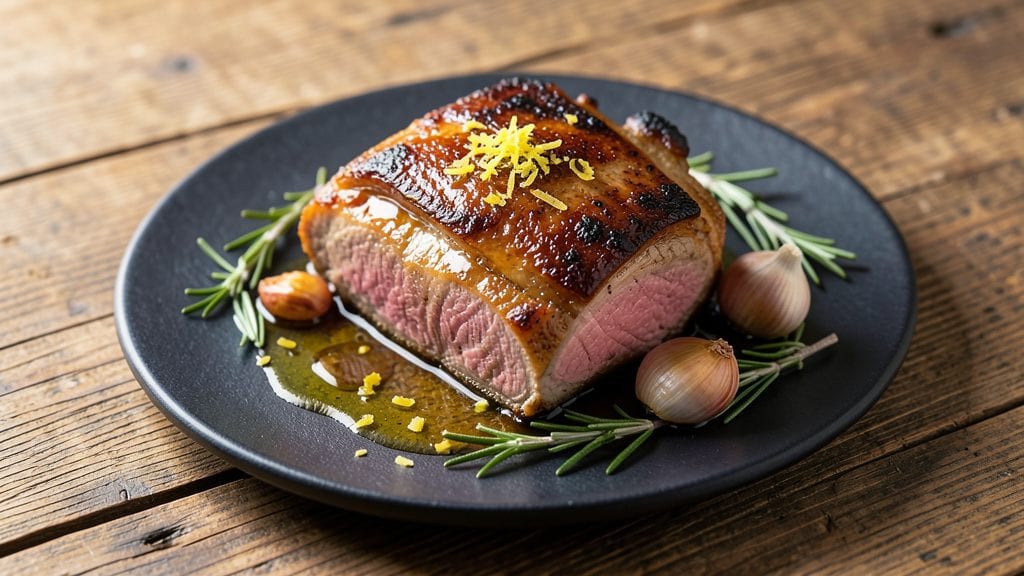
Master this boneless lamb shoulder roast recipe to turn a simple cut into a melt-in-your-mouth masterpiece—slow-braised to perfection for restaurant-worthy flavor at home. The key lies in a balanced marinade of garlic, rosemary, and lemon, followed by a low-and-slow roasting method that tenderizes even the toughest cuts.
I’ve perfected this technique over years of testing, ensuring every bite is juicy and deeply flavorful without requiring hours of active cooking.
What sets this recipe apart is the two-stage cooking process: first searing the lamb to lock in juices, then braising it in its own juices until fork-tender. This method guarantees a rich, caramelized crust while keeping the interior melt-in-your-mouth soft.
The lamb rests for 20 minutes after roasting—a critical step that redistributes juices for maximum tenderness. No fancy equipment is needed, just a reliable oven and a little time.
By the end, you’ll have a luxurious centerpiece that pairs beautifully with roasted vegetables, couscous, or a fresh herb salad. The aroma alone will have everyone anticipating dinner, and the first bite will silence any doubts about slow cooking.
This recipe is designed for confidence, whether you’re hosting a dinner party or treating yourself to a special meal.
The beauty of this method is its flexibility—adjust the marinade to your taste, add a splash of red wine for depth, or serve with a mint yogurt sauce for brightness. The result is always unexpectedly tender and deeply satisfying. Let’s get started on creating your perfect lamb roast.
Ingredients for boneless lamb shoulder roast
Four pounds of lamb shoulder transforms into a luxurious centerpiece with these carefully chosen ingredients.
| Ingredient | Amount | Notes |
|---|---|---|
| Boneless Lamb Shoulder Roast 🥩 | 4 lb | Evenly trimmed for consistent cooking |
| Extra-Virgin Olive Oil 🫒 | ¼ cup | High-quality for searing and basting |
| Garlic Cloves 🧄 | 8 whole | Peeled and smashed for marinade infusion |
| Fresh Rosemary 🌿 | ¼ cup | Finely chopped, stems removed |
| Lemon Zest 🍋 | 1 tbsp | From 1 large organic lemon |
| Lemon Juice 🍋 | ¼ cup | Freshly squeezed for acid balance |
| Diamond Crystal Kosher Salt 🧂 | 1 ½ tbsp | For seasoning and marinade |
| Freshly Ground Black Pepper 🌶️ | 1 tsp | Coarsely cracked for texture |
| Dry Red Wine 🍷 | ½ cup | Cabernet Sauvignon preferred |
| Beef Stock 🍲 | 1 ½ cups | Homemade or high-quality store-bought |
| Fresh Thyme Leaves 🌿 | ¼ cup | Stripped from stems for infusion |
| Honey 🍯 | 2 tbsp | Raw for natural sweetness |
| All-Purpose Flour 🌾 | 2 tbsp | For thickening braising liquid |
| Fresh Mint Leaves 🌿 | ⅛ cup | Chopped for garnish (optional) |
The lamb shoulder is the star—opt for USDA Choice or better from a trusted butcher like D'Artagnan or your local specialty grocer. Look for even marbling and vibrant color; Costco or Whole Foods often carry well-trimmed boneless cuts. The extra-virgin olive oil should have a peppery finish—California Extra Virgin brands excel for high-heat searing. Fresh herbs make all the difference: organic rosemary and thyme from the grocery store's produce section will have more aromatic oils than dried alternatives. For the wine, Cabernet Sauvignon adds depth, but any dry red will work—just avoid overly tannic varieties that might overpower the lamb.
No red wine? Substitute with additional beef stock plus 1 tbsp balsamic vinegar for similar acidity. Fresh herbs unavailable? Dried rosemary and thyme at one-third the amount suffice, though texture will differ. The honey can be swapped for maple syrup for a different flavor profile. For extra richness, add 2 tbsp unsalted butter to the braising liquid during the final hour. The flour is just for thickening—if you prefer a cleaner sauce, omit it entirely and reduce the braising liquid instead. Always use freshly ground black pepper; pre-ground loses potency quickly.
Store any unused lamb in the coldest part of your fridge, wrapped tightly in parchment paper, for up to 3 days. The braising liquid can be refrigerated for 5 days or frozen for 3 months in an airtight container. For leftovers, reheat gently in a skillet with a splash of water or stock to restore moisture. This dish reheats beautifully—350°F for 10-15 minutes covered with foil until warmed through. The flavors actually improve after resting overnight, making it perfect for meal prep.
Why You'll Love This Recipe
- One-Pan Wonder: I swear by this—just rub the lamb with olive oil, garlic, rosemary, and lemon zest, then let the oven do the work. No chopping, no fuss, no extra dishes beyond the pan you already used.
- Crispy-Creamy Magic: That golden crust on the outside? The tender, buttery melt inside? The rosemary and lemon zest turn the lamb into something special without needing a fancy sauce or hours of marinating.
- Leftovers That Shine: Between us, my lamb roast is the only protein I’ll make extra of. Shred it for wraps the next day, toss it into grain bowls, or slice it for sandwiches—it’s always better the second time around.
- Budget-Friendly Luxury: Lamb shoulder is affordable, and this recipe stretches it far. I feed four people dinner and still have enough for lunch the next day—without breaking the bank or sacrificing flavor.
Step-by-step instructions for slow-braised boneless lamb shoulder roast
A rich, aromatic braise transforms tough lamb into melt-in-your-mouth perfection.
Sear the Lamb for Deep Flavor
Pat the 4 lb boneless lamb shoulder roast completely dry with paper towels—this ensures maximum browning. Heat the 0.25 cup extra-virgin olive oil in a heavy Dutch oven over medium-high heat until shimmering. Working in batches if needed, sear the lamb on all sides until deeply browned, about 5 minutes per side. The goal is to develop a rich crust that will carry through the braising process.
Remove the lamb and set it aside. In the same Dutch oven, add the 8 smashed garlic cloves and cook for 30 seconds until fragrant. This quick step builds flavor into the cooking liquid. Immediately add the 0.25 cup finely chopped fresh rosemary and 1 tbsp lemon zest, stirring for 10 seconds to release their aromatic oils. These ingredients will infuse the braising liquid, creating a complex, herbaceous base.
Deglaze and Build the Braising Liquid
Pour in the 0.5 cup dry red wine, scraping up any browned bits from the bottom of the pot with a wooden spoon. This deglazing step captures all the caramelized flavor that would otherwise be lost. Let the wine simmer for 3 minutes until reduced by half, allowing the alcohol to cook off and intensify the wine's depth.
Add the 1.5 cups beef stock, 0.25 cup fresh thyme leaves, 2 tbsp honey, 1.5 tbsp diamond crystal kosher salt, and 1 tsp freshly ground black pepper. Stir well to combine all ingredients. The honey will add subtle sweetness that balances the acidity of the wine and lemon, while the thyme and rosemary create an aromatic harmony. Bring the liquid to a gentle simmer, then return the lamb to the pot.
Braise Until Fork-Tender
Cover the Dutch oven and transfer it to a preheated 300°F oven. Braise the lamb for 3 hours, then carefully flip it and continue cooking for another 3 hours. The slow, moist heat breaks down the connective tissue, transforming the lamb into tender, shreddable perfection. Check the internal temperature with a meat thermometer—it should reach 205°F when the lamb is fork-tender.
Here's the thing—don't rush this step. The lamb needs time to absorb all the flavors in the braising liquid. If the liquid reduces too much before the lamb is done, add a splash of water or beef stock to maintain adequate coverage. The result should be a lamb that falls apart with just a gentle pull of a fork, surrounded by a rich, aromatic sauce.
Finish with Lemon and Rest
Once the lamb reaches 205°F, remove it from the oven and tent loosely with foil. Let it rest for 20 minutes—this crucial step allows the juices to redistribute throughout the meat, ensuring each bite is moist and flavorful. While it rests, stir the 0.25 cup lemon juice into the braising liquid and simmer uncovered for 5 minutes to reduce slightly and intensify the flavors.
Transfer the lamb to a cutting board and shred it using two forks. Return the shredded lamb to the Dutch oven and toss gently to coat in the sauce. The acidity from the lemon brightens the dish, cutting through the richness of the lamb and balancing the sweetness of the honey. Garnish with the 0.125 cup chopped fresh mint leaves just before serving to add a fresh, vibrant finish.
Thicken the Sauce and Serve
Return the Dutch oven to medium heat and sprinkle the 2 tbsp all-purpose flour over the sauce. Stir vigorously for 1-2 minutes until the sauce thickens slightly. This step ensures the sauce clings beautifully to the lamb and complements each bite. Taste and adjust seasoning if needed—you may need a touch more salt or pepper to balance the flavors.
Serve the lamb immediately, spooning generous amounts of the rich, herbed sauce over each portion. The contrast between the tender, fall-off-the-bone lamb and the aromatic sauce creates a dish that's both comforting and sophisticated. Pair it with crusty bread to soak up every last bit of that flavorful braising liquid.
Pro Tips For Making Boneless Lamb Shoulder Roast
- SEAR FIRST, THEN REST: I used to skip resting the lamb after searing, and the crust would turn to mush by the time it hit the oven. Let it sit uncovered on a wire rack for 10 minutes after searing—this builds a proper crust that won’t flake away when you add the garlic and rosemary.
- SMASH THOSE GARLIC CLOVES: Whole garlic cloves on lamb shoulder? They’ll just sit there like decorative rocks. Crush them with the flat side of your knife first—this releases the oils and lets the flavor actually penetrate the meat while it roasts.
- DON’T OVERCROWD THE PAN: I’ve burned more olive oil than I’d like to admit by trying to sear the lamb in a crowded pan. Give it space—work in batches if needed—and use a 12-inch skillet or larger. A good sear means less oil splatter and more flavor.
- LEMON ZEST LAST MINUTE: Add the lemon zest too early, and it’ll turn bitter. Sprinkle it on just before serving—this keeps the bright citrus flavor sharp and prevents it from cooking into oblivion while the lamb roasts. (Yes, even if you’re impatient like me.)
Perfect pairings for this boneless lamb shoulder roast
Herb-Infused Sauce
The rich braising liquid from your lamb shoulder becomes the star of the dish—packed with rosemary, thyme, and lemon. I like to finish it with a splash of 0.25 cup lemon juice while the lamb rests, which brightens the sauce and balances the honey's sweetness.
For extra depth, whisk in 1 tbsp unsalted butter at the end for a velvety texture. 🍋
Crusty Bread Pairing
Nothing complements this tender lamb like warm, crusty bread to soak up the aromatic sauce. I recommend a baguette-style loaf or sourdough—toast it in the oven at 375°F for 5-7 minutes until golden and crisp.
For a Mediterranean twist, try pita bread or flatbread with a side of whipped feta and cucumber.
Fresh Mint Yogurt
A dollop of Greek yogurt mixed with chopped mint and a pinch of salt creates a refreshing contrast to the rich lamb.
I blend ½ cup plain Greek yogurt with 0.125 cup chopped mint, 1 tsp lemon juice, and ¼ tsp salt—this adds a cooling, herbaceous note that cuts through the richness. Serve it on the side or drizzle it over the lamb just before plating. 🌿
Roasted Vegetables
Roasted root vegetables add earthy sweetness that pairs beautifully with lamb. Toss carrots, parsnips, and sweet potatoes in 2 tbsp olive oil, 1 tsp smoked paprika, and ½ tsp salt, then roast at 400°F for 30-40 minutes until caramelized.
The natural sugars in the vegetables complement the lamb's savory depth.
Wine Pairings
A bold red wine enhances the lamb's richness. I recommend a Syrah or Cabernet Sauvignon with its dark fruit notes and peppery finish. For a lighter option, a Pinot Noir from Oregon offers bright acidity that refreshes the palate. Avoid heavy, tannic wines—they can overpower the dish's delicate herbaceousness. 🍷
Spiced Rice Pilaf
For a heartier meal, serve the lamb over cinnamon-spiced basmati rice. Sauté 1 tbsp butter with 1 tsp ground cinnamon and ½ tsp cardamom, then toast 1 cup basmati rice for 2 minutes before adding 2 cups chicken broth.
Simmer covered for 15 minutes—the warm spices add a fragrant contrast to the lamb's herbal notes.
Nutrition facts
Frequently asked questions
Why does this recipe use boneless lamb shoulder instead of bone-in?
The boneless cut cooks more evenly and is easier to shred for serving. It also allows you to control portion sizes precisely, making it ideal for meal prep or special occasions. The shoulder's natural collagen breaks down beautifully during braising, creating melt-in-your-mouth tenderness without the need for a bone to anchor the meat.
Can I make this recipe in a slow cooker instead of the oven?
Sear the lamb first, then transfer it to your slow cooker with all the braising ingredients. Cook on low for 8 hours or high for 5-6 hours until fork-tender. The slow cooker method is even more hands-off—just check the internal temperature to ensure it reaches 205°F. The sauce will be slightly thinner, but you can thicken it with a cornstarch slurry if desired.
What’s the best way to store leftovers?
Let the lamb cool to room temperature, then store it in an airtight container in the refrigerator for up to 4 days. The sauce and lamb can be reheated gently in a skillet with a splash of water or broth to restore moisture. For longer storage, freeze portions in individual containers for up to 3 months. The flavors actually improve after resting overnight, making it perfect for meal prep.
How do I know when the lamb is done?
Use a meat thermometer to check the internal temperature—it should reach 205°F for perfect tenderness. The lamb will also pull away from the bone easily and shred with minimal effort. If you don’t have a thermometer, cut into the thickest part: the juices should run clear, and the meat should feel soft to the touch.
Can I substitute beef stock with another liquid?
Yes, but beef stock adds depth of flavor that’s hard to replicate. For a quick substitute, use chicken stock plus 1 tbsp soy sauce or vegetable stock with an extra pinch of salt. Avoid water—it lacks the richness needed to complement the lamb. If using wine instead of stock, reduce it first to concentrate the flavors.