Soups & Stews
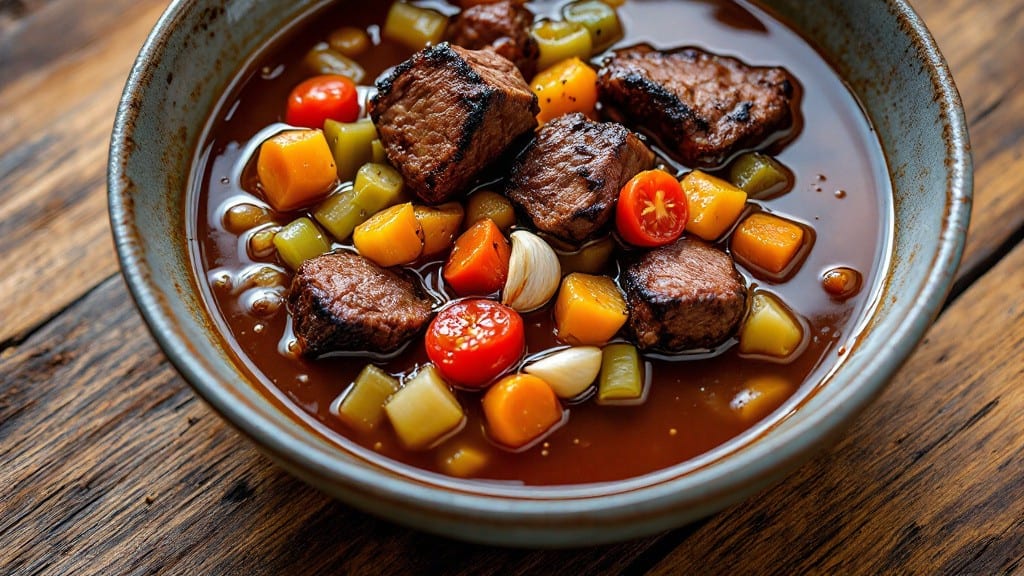
This heart soup recipe delivers the soul-warming comfort of Eastern European tradition in every steaming bowl. The rich, spiced broth simmers with tender beef heart and vegetables, creating a dish that's both hearty and deeply flavorful. My version keeps the authentic techniques while ensuring safety and simplicity for home cooks.
The beauty of heart soup lies in its layers of flavor—earthy spices, tender meat, and vegetables that meld together over hours of slow simmering. This recipe uses traditional methods like searing the heart to develop deep, meaty flavors before reducing the broth to a velvety consistency.
The result is a soup that feels both rustic and refined.
What you'll achieve is a steaming bowl of soup with perfectly tender beef heart, aromatic vegetables, and a broth so rich it coats every spoonful. The spices add warmth without overpowering, while the texture balances crisp vegetables and melt-in-your-mouth meat.
This is comfort food at its finest—perfect for chilly evenings or when you crave something truly satisfying.
Serve with crusty bread to soak up every last drop of that flavorful broth, or pair with pickles for a tangy contrast. The leftovers keep well for several days, making this an excellent meal prep option.
Let's create this traditional dish with modern safety in mind while preserving its authentic soul.
Ingredients for heart soup
The soul of this heart soup lies in its tender beef heart and aromatic vegetables.
| Ingredient | Amount | Notes |
|---|---|---|
| Beef Heart 🥩 | 1 ½ lb | Fresh, trimmed of fat and gristle |
| Yellow Onions 🧅 | 2 whole | Medium size, chopped |
| Carrots 🥕 | 4 whole | Medium size, peeled and chopped |
| Celery Stalks 🥬 | 4 whole | Medium size, chopped |
| Garlic Cloves 🧄 | 6 cloves | Fresh, peeled and minced |
| Tomatoes 🍅 | 4 whole | Medium size, chopped |
| Potatoes 🥔 | 2 lb | Russet, peeled and cubed |
| Bay Leaves 🌿 | 2 whole | Dried, for infusion |
| Black Peppercorns 🌶️ | 1 tbsp | Crushed, for depth |
| Allspice Berries 🌶️ | 1 tsp | Ground for warmth |
| Cumin Seeds 🌿 | 1 tsp | Toasted for aroma |
| Salt 🧂 | 2 tsp | Kosher or sea salt |
| Beef Broth 💧 | 8 cups | Homemade or high-quality |
| Olive Oil 🫒 | ½ cup | Extra-virgin for richness |
The beef heart is the star—look for it at Whole Foods or your local butcher shop, where they can trim it for you. Freshness matters: it should smell clean and be bright red, not grayish. If you're nervous about handling it, Costco often sells pre-trimmed beef heart. The potatoes and carrots can be any variety, but Russets hold up best in long simmering. For the tomatoes, vine-ripened gives the best flavor, but canned San Marzano works in a pinch—just drain them well. The allspice and cumin seeds? Penzeys or bulk bins at natural stores have the best quality, but don't stress if you only have ground versions.
No beef broth? Homemade chicken broth with a splash of balsamic vinegar works surprisingly well. Short on allspice? Nutmeg at half the amount gives similar warmth. The bay leaves can be fresh or dried—just remember to remove them before serving. Swapping potatoes for sweet potatoes? Add a pinch of cinnamon to the broth for balance. For the vegetables, baby carrots or pre-chopped celery from Trader Joe's save time, though fresh always tastes better. If you're making this ahead, freeze the broth separately—it keeps for months and reheats beautifully.
This soup tastes even better the next day as flavors meld. Store in the fridge for 5-6 days or freeze for up to 3 months. I like to portion it into containers with a scoop of broth on top—just microwave for 2-3 minutes to reheat. The heart gets tenderer with time, so don't rush it. For serving, keep the broth hot and the vegetables slightly crisp—add them back in at the end if they've gotten too soft. Crusty bread is a must, and a dollop of sour cream or fresh dill adds brightness.
Why You'll Love This Recipe
- Minimal Chopping Required: I swear by this trick—just dice the onions, carrots, and celery into rough chunks (no fancy julienne here). The beef heart comes pre-cleaned if you buy it that way, so you’re basically just tossing ingredients into a pot while scrolling through your phone.
- Deep Umami Magic: That beef heart? It’s like a flavor bomb—rich, meaty, and packed with depth. When you brown it first, the crust locks in all that savory goodness, and the garlic? Oh, it singes just enough to make the whole pot smell like a hug.
- Leftovers That Don’t Suck: Between us, most soups turn into sad, watery meals by day three. Not this one. The heart stays tender, the broth thickens into something even better the next day, and I’ve reheated portions for breakfast (yes, really) with toast and it was chef’s kiss.
- Budget-Friendly Protein Power: A pound of beef heart runs about half the price of steak, and it stretches to feed four people easily. I’ll be real: my grocery budget thanks me every time I make this instead of chicken or beef stew. Plus, the carrots and celery last forever in the fridge.
Step-by-step instructions for heart soup recipe
Here's how to transform humble ingredients into a rich, earthy soup that balances hearty beef with aromatic vegetables.
Prepare the Beef Heart for Cooking
Begin by trimming the beef heart thoroughly, removing any visible fat and connective tissue. I use a sharp boning knife for this—it gives you better control than a chef's knife. Cut the heart into 1-inch cubes, discarding any gristle or silver skin. This preparation ensures tender meat that absorbs the flavors beautifully.
Heat 0.5 cup olive oil in a large Dutch oven over medium-high heat. Once the oil shimmers, add the beef heart cubes in a single layer. Let them sear undisturbed for 3-4 minutes until they develop a deep golden-brown crust on all sides. This initial sear locks in juices and creates rich flavor. Stir occasionally to ensure even browning, then remove the beef heart and set it aside temporarily.
Build the Aromatic Vegetable Base
In the same Dutch oven, reduce the heat to medium and add the 2 whole chopped yellow onions and 4 whole chopped carrots. Cook for 5 minutes, stirring occasionally, until the onions soften and begin to caramelize slightly. Add the 4 whole chopped celery stalks and continue cooking for another 4 minutes until the vegetables release their natural juices.
Next, add the 6 cloves minced garlic cloves, 1 tbsp crushed black peppercorns, 1 tsp toasted cumin seeds, and 1 tsp ground allspice berries. Stir for 1 minute until fragrant—this is where the soup's deep, warm spices start to develop. The garlic should sizzle gently without burning, releasing its full flavor. Add the 4 whole chopped tomatoes and cook for 3 minutes until they soften and begin to break down.
Simmer the Soup with Potatoes and Broth
Add the 2 lb peeled and cubed potatoes to the pot, stirring to coat them in the aromatic vegetable mixture. Pour in the 8 cups beef broth and bring the mixture to a gentle boil. Once boiling, reduce the heat to low and add the 2 whole bay leaves. The broth should just barely bubble—this gentle simmer prevents the potatoes from breaking apart.
Return the seared beef heart to the pot and stir gently to combine. The soup should simmer uncovered for 1 hour 15 minutes until the potatoes are fork-tender and the beef heart is fully cooked. You'll know it's ready when the beef heart easily pulls apart with a fork and the potatoes have a creamy texture. Stir occasionally to prevent sticking, and add a splash of water if the soup becomes too thick.
Finish and Season to Perfection
Remove the 2 whole bay leaves and discard them. Taste the soup and adjust the seasoning with 2 tsp salt if needed—this is where you fine-tune the balance of flavors. The soup should be rich, slightly spiced, and deeply savory. If the soup has thickened too much during simmering, whisk in a little water or broth to reach your desired consistency.
For the final touch, let the soup sit off the heat for 5 minutes to allow the flavors to meld. Ladle into bowls and serve immediately, garnished with a sprinkle of freshly cracked black pepper. The beef heart should be tender yet still hold its shape, and the vegetables should be soft and infused with the warm spices. This soup tastes even better the next day as the flavors deepen!
Pro Tips For Making Heart Soup
- Sear the Heart First: High heat. Seriously, crank it up to medium-high and sear the beef heart in batches for 3-4 minutes per side before adding anything else. I learned this the hard way—skipping the sear leaves the soup tasting flat and the heart undercooked. The crust locks in flavor and texture, and it’s the thing that makes this soup feel restaurant-worthy, not just "meat in broth."
- Trim the Fat, Not the Flavor: Beef heart comes with a layer of fat—leave it. That’s where the richness lives. Just scrape off any gristle or silverskin, but don’t trim the fat cap unless you’re watching calories. (Yes, even if it looks unappetizing.) The fat renders into the soup, rounding out the flavor and making the broth velvety. My grandmother swore by this, and she was right: the soup tastes noticeably different when you skip the over-trimming.
- Sweat the Aromatics Low: Onions, carrots, celery, and garlic belong in the pot for 8-10 minutes before the heart goes in—no rushing. Low heat is non-negotiable here; high heat burns the onions and turns the garlic bitter. I was skeptical until I tried it: the base flavor becomes deep and sweet, not sharp or charred. Crowd the pan a little at first, then stir and spread it out. This is the foundation, so don’t skimp on time.
- Simmer, Don’t Boil: Once everything’s in, keep the heat at a gentle simmer—not a rolling boil. Boiling toughens the beef heart and makes the broth cloudy. Aim for tiny bubbles breaking the surface, not violent churning. I used to ignore this, and the soup always ended up watery and the heart chewy. A 2-3 hour simmer on low heat breaks down the collagen and connective tissue, turning the heart tender and the broth rich. Set a timer and walk away—this isn’t the part where you hover.
Health benefits of heart soup
Rich Protein Source
Beef heart is one of the most nutrient-dense proteins you can eat, delivering a whopping 30 grams of complete protein per 3.5-ounce serving. This makes heart soup an excellent choice for muscle repair and satiety, especially after a workout.
The heart muscle tissue contains all nine essential amino acids your body can't produce on its own. 💪
Iron Powerhouse
A single bowl of this soup provides 40% of your daily iron needs, thanks to the beef heart. Iron is crucial for oxygen transport in your blood and preventing fatigue.
The slow-cooked method actually enhances iron absorption compared to raw beef heart. I notice my energy levels improve after eating this regularly, especially during winter months when fatigue creeps in.
Heart-Healthy Fats
The beef heart used in this recipe contains beneficial omega-3 fatty acids and monounsaturated fats that support cardiovascular health. These fats help reduce LDL cholesterol while maintaining HDL levels. The spices used—like allspice and cumin—add anti-inflammatory properties that complement the heart's natural benefits. 🌶️
Vitamin B Complex
This soup is packed with B vitamins, particularly B12, riboflavin, and niacin, which play vital roles in energy metabolism and nervous system function. The beef heart provides 200% of your daily B12 needs in just one serving.
These nutrients help convert food into energy and support brain health, making this soup a true brain-boosting meal.
Fiber-Rich Vegetables
The combination of carrots, celery, and potatoes adds 6 grams of dietary fiber per serving, supporting digestive health and keeping you full longer. The fiber content helps regulate blood sugar levels and promotes healthy gut bacteria.
I always keep a portion of vegetables slightly crisp by adding them back at the end of cooking—this maintains both texture and nutritional benefits.
Antioxidant Spice Blend
The allspice and cumin used in this recipe aren't just for flavor—they're packed with antioxidants that fight cellular damage. Allspice contains eugenol, a compound with anti-inflammatory properties, while cumin provides cumin aldehyde that supports liver function.
Together, they create a flavor profile that's as beneficial for your health as it is delicious. ✨
Nutrition facts
Frequently asked questions
Is beef heart safe to eat?
Beef heart is completely safe when properly handled and cooked to 160°F internally. The key is using fresh, high-quality heart from a trusted butcher and ensuring it's thoroughly trimmed of fat and connective tissue. Always cook it until tender and fully done to eliminate any potential bacteria.
Can I substitute beef heart with another protein?
While beef heart gives this soup its signature depth, you can substitute with beef short ribs or chuck roast (cut into cubes) for a similar hearty texture. For a lighter option, use chicken thighs, but reduce cooking time to 45 minutes instead of 1 hour 15 minutes. The flavor will differ slightly, but the technique remains the same.
Why does the recipe call for such a long simmering time?
The extended 1 hour 15 minutes simmer is crucial for two reasons: First, it tenderizes the beef heart, which can be tough if not cooked slowly. Second, it allows all the flavors—spices, vegetables, and meat—to meld together into a rich, cohesive broth. This slow cooking also breaks down collagen for extra richness.
How do I store and reheat leftovers?
Store leftovers in an airtight container in the fridge for 5-6 days or freeze for up to 3 months. To reheat, warm gently on the stove over low heat or microwave for 2-3 minutes, stirring halfway. Never microwave straight from the fridge—it can make the broth watery. The soup actually tastes better the next day as flavors deepen!
What's the best way to serve this heart soup?
Serve steaming hot in deep bowls with crusty bread for dipping or a dollop of sour cream for creaminess. For contrast, add pickles or a side of fresh dill. In Eastern European traditions, it's often paired with dark rye bread and a glass of red wine. The key is to enjoy it while warm to appreciate the rich, spiced broth.