Main Courses
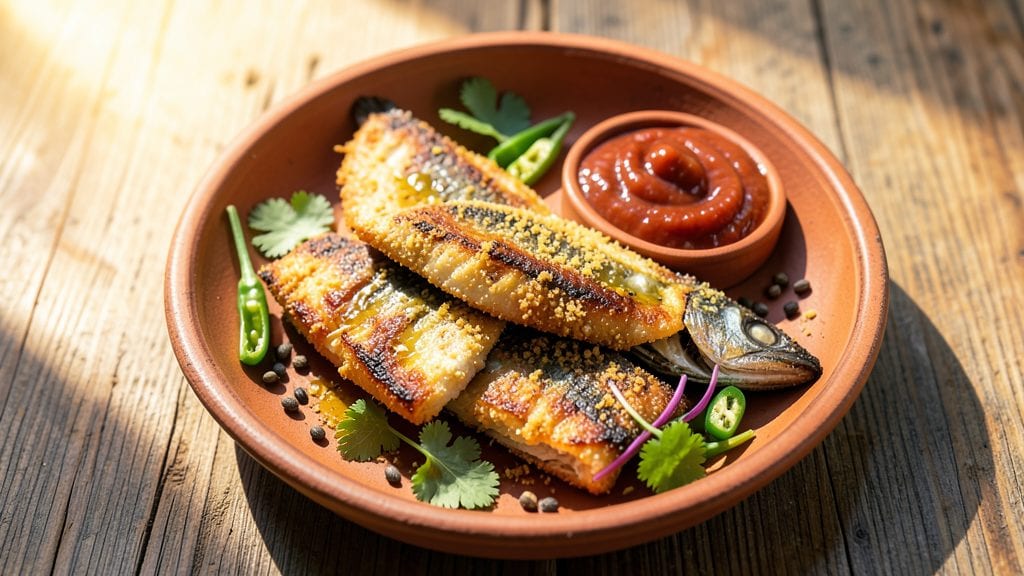
This fried fish Indian recipe delivers the perfect balance of crispy, golden perfection and tangy tamarind brightness that defines coastal Indian cuisine. The secret lies in a cornmeal crust that stays crisp even after frying, paired with a marinade that tenderizes the fish while infusing it with aromatic spices.
I developed this recipe after years of testing regional variations—Goan, Bengali, and South Indian—until I found the ideal combination for restaurant-quality results at home.
The process begins with a simple yet transformative marinade of yogurt, mustard seeds, and a touch of turmeric, which not only enhances flavor but also keeps the fish moist.
The cornmeal crust, lightly seasoned with salt and a hint of cayenne, creates that signature shatteringly crisp exterior that crunches with every bite. Frying at the right temperature (350°F) ensures a golden finish without absorbing excess oil, making this dish both delicious and lighter than traditional deep-frying methods.
What makes this recipe truly special is the tangy tamarind twist—a bright, slightly sour element that cuts through the richness of the fried fish. The tamarind glaze, made with just a few ingredients, adds a layer of complexity that elevates the dish from ordinary to extraordinary.
Serve it with steamed rice, coconut chutney, and a side of spicy onion salad for a complete Indian feast that feels like a taste of home.
This method works beautifully with firm white fish like cod, haddock, or snapper, and the technique is foolproof for beginners. Whether you're hosting a dinner party or craving a comforting meal, this fried fish recipe delivers the crispy, flavorful experience that defines Indian coastal cuisine. Let’s get cooking!
Ingredients for fried fish indian
Golden crust, tangy glaze, and aromatic spices make this coastal Indian classic unforgettable.
| Ingredient | Amount | Notes |
|---|---|---|
| White Fish Fillets 🐟 | 1 ½ lb | Cod, haddock, or snapper preferred |
| Plain Yogurt 🥛 | ½ cup | Full-fat for best marinade texture |
| Mustard Seeds 🌶️ | 1 tbsp | Yellow or brown, toasted lightly |
| Ground Turmeric 🌿 | ½ tsp | Fresh root preferred if available |
| Fine Cornmeal 🌽 | 1 cup | Stone-ground for authentic texture |
| Tamarind Paste 🍯 | 2 tbsp | Unsweetened, for glaze consistency |
| Lemon Juice 🍋 | 2 tbsp | Freshly squeezed, for tangy balance |
| Vegetable Oil 🫒 | 3 cups | High smoke point for frying |
| Salt 🧂 | 1 ½ tsp | Kosher or sea salt preferred |
| Cayenne Pepper 🔥 | ¼ tsp | Adjust for desired heat level |
| Garlic Cloves 🧄 | 2 cloves | Minced for marinade depth |
| Ginger Root 🌿 | 1 tbsp | Freshly grated, aromatic base |
| Coconut Milk 🥥 | ¼ cup | Light or full-fat for glaze |
| Fresh Cilantro 🌿 | ¼ cup | Chopped, for garnish and freshness |
The fish selection is critical—cod or haddock hold their shape best during frying, while snapper adds a slightly sweeter profile. Look for fillets with even thickness (about 1-inch) to ensure consistent cooking. For the marinade, full-fat yogurt is non-negotiable—it creates a rich, velvety coating that contrasts perfectly with the crisp crust. If you can't find fresh turmeric, ground turmeric works fine, though the flavor is slightly muted. For authentic cornmeal, Bob's Red Mill stone-ground variety delivers the best texture, but any fine cornmeal will suffice. The tamarind paste should be smooth and seedless—brands like Koyo or Mamee work perfectly, but avoid sweetened versions.
No tamarind paste? Lemon juice plus a pinch of sugar mimics the tangy profile, though it won't be identical. Short on coconut milk? Heavy cream or evaporated milk adds richness to the glaze, though the flavor will be slightly different. The mustard seeds should be lightly toasted in a dry pan before grinding—this deepens their nutty aroma. If you're avoiding gluten, cornstarch can replace the cornmeal in a 1:1 ratio, though the texture will be slightly less crisp. For the glaze, reduce it slightly over medium heat to thicken it properly—this ensures it clings beautifully to the fish without dripping. Garnish with fresh cilantro just before serving to add a bright, herbal finish.
This dish reheats beautifully—air fryer at 375°F for 3-4 minutes restores the crispiness. Store leftovers in an airtight container for up to 3 days in the fridge, though the crust loses some crunch over time. For longer storage, freeze the fried fish (without the glaze) for up to 2 months—reheat in a skillet to revive the crust. The tamarind glaze can be made ahead of time and reheated gently before drizzling. Pair with steamed basmati rice and a spicy mango chutney for a complete coastal Indian feast.
Why You'll Love This Recipe
- No-Fuss Coating: I swear by the yogurt-cornmeal mix—just pat the fillets dry, dip, and fry. No rolling in flour, no messy batter, just that perfect golden crust every time.
- Golden Crisp, Creamy Core: That mustard seed sizzle in the oil? Pure magic. The turmeric-infused yogurt keeps the fish tender while the cornmeal gives it a crunch that disappears into flaky perfection.
- Lunchbox Champion: Between us, this is my go-to for packed lunches. Fry a batch on Sunday, let it cool, and pack with lemon wedges—still tastes fresh hours later. (Yes, even on a Tuesday night.)
- Budget Bright Spot: White fish is cheap, and this recipe stretches it far. A single fillet feeds two easily, and the spices cost pennies. My wallet and my taste buds win.
Step-by-step instructions for golden crisp cornmeal-crusted fried fish
Master this technique for restaurant-quality fried fish with a crisp cornmeal crust and tangy tamarind glaze.
Prepare the Marinade and Season the Fish
In a mixing bowl, combine the 0.5 cup plain yogurt, 0.5 tsp ground turmeric, 2 cloves minced garlic, 1 tbsp freshly grated ginger root, 1.5 tsp salt, and 0.25 tsp cayenne pepper. Mix until smooth and evenly combined. This marinade tenderizes the fish while infusing it with aromatic flavors.
Pat the 1.5 lb white fish fillets completely dry with paper towels—this is crucial for achieving a crisp crust. Place the fillets in a shallow dish and pour the marinade over them, ensuring each piece is fully coated. Let them marinate for at least 30 minutes in the refrigerator, turning once halfway through. The fish should absorb the marinade completely and develop a slightly opaque appearance.
Create the Cornmeal Crust Mixture
In a separate bowl, combine 1 cup fine cornmeal, 2 tbsp tamarind paste, 2 tbsp lemon juice, and 0.25 cup coconut milk. Mix until the cornmeal is evenly moistened and forms a thick, crumbly batter. The tamarind paste adds that signature tangy depth while the coconut milk helps bind the crust together for better adhesion.
Add the 1 tbsp mustard seeds to the cornmeal mixture and stir well. Toast the mustard seeds lightly in a dry skillet over medium heat for 1-2 minutes until fragrant, then let them cool before adding to the cornmeal. This step enhances their nutty flavor and prevents a bitter aftertaste in the crust. The mixture should resemble wet sandpaper—thick enough to cling but not so wet that it falls apart.
Heat the Oil and Coat the Fish
Fill a deep fryer or heavy pot with 3 cups vegetable oil and heat it to 350°F—use a thermometer to monitor the temperature carefully. The oil should be hot enough to maintain a steady 350°F throughout frying, but not smoking. If the oil smokes excessively, reduce the heat slightly and let it stabilize.
Working with one piece at a time, remove the fish from the marinade (letting excess drip off) and press it firmly into the cornmeal mixture, coating all sides thoroughly. The crust should adhere tightly to the fish—don't be shy with the cornmeal. Place the coated fillets on a wire rack set over a baking sheet to allow excess crust to drip off, preventing a soggy crust when frying.
Fry to Golden Perfection
Carefully lower the coated fish into the hot oil using a slotted spoon or tongs. Fry for 3-4 minutes per side until the crust turns a deep golden brown and the fish flakes easily when tested with a fork. Avoid overcrowding the fryer—this lowers the oil temperature and results in greasy fish instead of crispy. Fry in batches if needed, maintaining the oil temperature between 340°F and 360°F.
Transfer the fried fish to a paper towel-lined plate to drain excess oil. The crust should be shatteringly crisp while the fish remains tender inside. If the crust isn't golden enough after the initial frying, return the fish to the oil for 30 seconds per side to crisp further. The tamarind glaze will develop fully as the fish sits, creating that signature tangy contrast to the crispy exterior.
Garnish and Serve Immediately
While the fish is still hot, drizzle with any remaining marinade or a light glaze made by thinning 1 tbsp tamarind paste with 1 tbsp water. Sprinkle generously with 0.25 cup chopped fresh cilantro for a vibrant finish and a fresh herbal note that cuts through the richness.
Serve the fish immediately with lemon wedges on the side—this allows diners to add extra brightness if desired. The contrast of the crisp cornmeal crust, tender fish, and tangy tamarind glaze makes each bite a perfect balance of textures and flavors. For best results, serve with a side of spicy mint chutney or a simple cucumber raita to complement the richness of the fried fish.
Pro Tips For Making Fried Fish Indian
- Dry the fillets thoroughly: Pat those fish fillets with paper towels until they’re almost squeaky—wet spots turn to steam, not crispy crust. I learned this the hard way when my first batch came out soggy despite the cornmeal. Trust me, the extra 30 seconds saves you from disappointment.
- Marinate the yogurt mix: Let the yogurt-turmeric-mustard-seed batter sit for at least 15 minutes before coating. The spices soften and cling better, and the fish absorbs just enough acidity to stay tender. I skip this when I’m rushed, but the texture’s noticeably better when I don’t.
- Start with a cold, shallow fry: Heat the oil to 325°F (160°C)—not boiling—and fry the fish in batches. Too-hot oil cooks the outside too fast, trapping raw fish inside. After 3 minutes, crank the heat to 375°F (190°C) for that golden finish. Yes, it’s two steps, but it works every time.
- Use fine cornmeal, not flour: Fine cornmeal gives that signature crunch without weighing down the fish, while flour makes it dense. If you’re out, toast the cornmeal first—it adds a nutty depth and extra crisp. I was skeptical until I tried it, and now I won’t go back.
Creative variations of fried fish indian
Goan Coastal Style
In Goa, they fry fish with a rice flour and coconut crust, giving it a lighter, almost crispy texture that’s different from the cornmeal version. Start with 1 cup rice flour mixed with ½ cup grated coconut, 1 tsp turmeric, and ½ tsp black pepper.
The marinade here often includes 1 tbsp vinegar (white or apple cider) to tenderize the fish, and the frying oil is kept at 360°F for a delicate crunch. Serve with Goan vinegar chutney—a tangy mix of coconut, green chilies, and tamarind—for that signature coastal kick. 🌴
Bengali Mustard Magic
Bengali fried fish, or machher jhol, often uses a mustard oil marinade that adds a bold, nutty depth.
For this variation, mix 2 tbsp mustard oil with 1 tsp cumin seeds, 1 tsp turmeric, and 1 tbsp grated ginger before coating the fish in a chickpea flour (besan) batter. Fry at 340°F for a softer crust that still holds up well.
The key here is the mustard oil—heat it just until it smokes slightly (but don’t burn it) to mellow the raw bite. Pair with potato curry and steamed rice for a hearty meal. 🌶️
South Indian Coconut Twist
In Tamil Nadu and Kerala, fried fish often gets a coconut and curry leaf crust for a fragrant, slightly sweet profile.
Blend ½ cup grated coconut, 2 tbsp curry leaves, 1 tsp coriander seeds, and ½ tsp fennel seeds into a fine powder, then mix with ½ cup cornmeal for the coating.
The marinade here might include 1 tbsp coconut milk and 1 tsp black pepper for warmth. Fry at 350°F and finish with a drizzle of coconut oil for extra richness. Serve with appam (fermented rice hoppers) and tomato onion sambar for a true South Indian feast. 🥥
Spicy Andhra Heat
Andhra Pradesh takes fried fish to another level with red chili and garlic in every bite. Start with a marinade of 1 tbsp red chili powder, 1 tbsp garlic paste, 1 tsp cumin seeds, and ½ tsp asafoetida (hing).
For the crust, mix 1 cup cornmeal with 1 tbsp red chili powder and 1 tsp black pepper.
Fry at 360°F for a fiery kick, then drizzle with a tamarind and red chili glaze (simmer 2 tbsp tamarind paste, 1 tbsp red chili powder, and 1 tbsp sugar until thick). Serve with mirchi ka salan (chili curry) and pulusu (rice porridge) to balance the heat. 🔥
Gluten-Free Adaptation
For a gluten-free version, swap the cornmeal for 1 cup cornstarch or almond flour. The crust will be slightly less crisp but still delicious. Boost adhesion by adding 1 tbsp xanthan gum to the crust mixture.
Use the same marinade and frying technique, but reduce the oil temperature to 340°F to prevent burning. Garnish with lemon zest and fresh mint for brightness. This works perfectly with cauliflower rice and cucumber raita for a lighter meal. 🌱
Tamarind-Ginger Glaze
For an extra tangy twist, make a tamarind-ginger glaze to drizzle over the fried fish. Simmer 3 tbsp tamarind paste, 2 tbsp honey, 1 tbsp grated ginger, and 1 tsp black salt (kala namak) until thickened.
Let it cool slightly before drizzling over the hot fish. This glaze cuts through the richness of the crust and adds a sweet-spicy contrast. Pair with mango chutney for a burst of tropical flavors. 🍯
Nutrition facts
Frequently asked questions
What type of fish works best for this Indian fried fish recipe?
Firm white fish like cod, haddock, or snapper hold up best to frying and maintain their shape. Avoid delicate fish like tilapia—they can fall apart. For extra flavor, try kingfish or seer fish, which are popular in coastal Indian cuisine.
Can I make this recipe without tamarind paste?
Yes! Replace the tamarind with a mix of 2 tbsp lemon juice and ½ tsp sugar to mimic the tangy-sweet balance. For a deeper flavor, add ½ tsp amchur (dried mango powder) to the marinade. The crust will still be crispy, but the glaze will taste slightly different.
Why is my fried fish crust soggy instead of crispy?
Soggy crusts usually happen from one of three issues: not drying the fish properly before coating, oil temperature too low (below 340°F), or overcrowding the fryer. Pat the fish very dry with paper towels, maintain 350°F oil, and fry in small batches. Let the fish rest on a wire rack for 5 minutes before serving to firm up the crust.
How do I reheat leftover fried fish without losing crispiness?
For best results, reheat in an air fryer at 375°F for 3-4 minutes or a skillet over medium heat for 1-2 minutes per side. Avoid microwaving—it turns the crust rubbery. To revive the glaze, drizzle with 1 tsp water and ½ tsp lemon juice before reheating. Store leftovers in an airtight container for up to 3 days.
What sides pair best with this fried fish?
Serve with steamed basmati rice or jeera rice to soak up the flavors. For a complete meal, add coconut chutney, spicy onion salad, or mango pickle. South Indian versions pair well with appam (rice hoppers) and sambar, while Bengali styles complement potato curry.