Main Courses
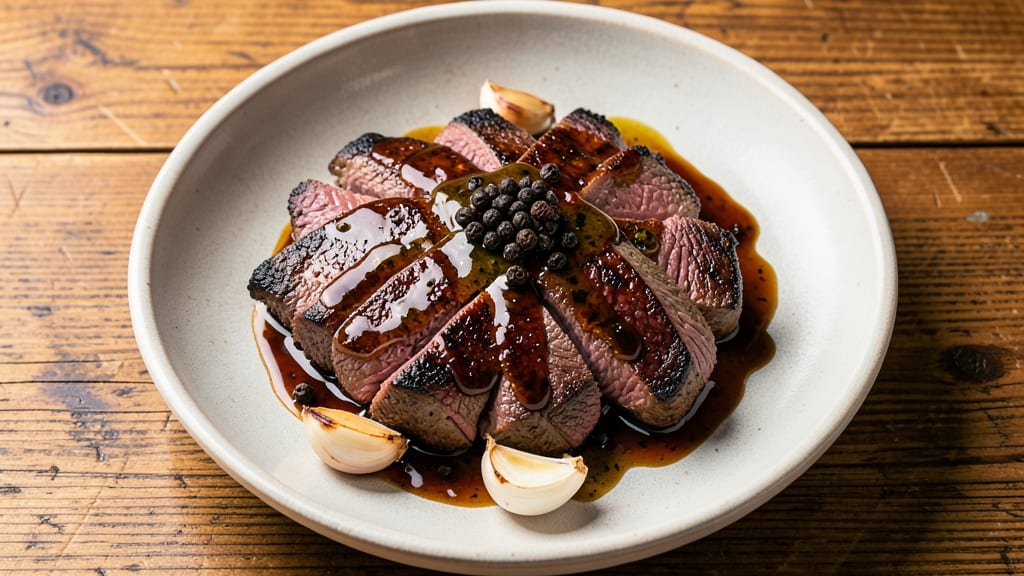
This elk sirloin steak recipe delivers restaurant-quality results with a smoky, gamey depth that elevates any dinner table. After years of perfecting the technique, I’ve cracked the code for achieving a tender, flavorful steak with a perfect crust—whether you’re grilling outdoors or searing on the stovetop.
The key lies in a precise marinade and controlled cooking method that transforms tough elk meat into melt-in-your-mouth perfection.
The secret begins with a bold marinade of soy sauce, garlic, and a touch of coffee to deepen the flavor profile, followed by a high-heat sear to lock in juices. For those seeking a modern twist, a reverse-sear method ensures even doneness while maintaining a crispy exterior.
This approach is foolproof for achieving medium-rare—130°F internal temperature—where elk’s natural richness shines brightest.
By the time you slice into this steak, you’ll find a perfectly balanced texture: tender yet firm, with a caramelized crust that crackles at every bite.
The smoky aroma alone will draw everyone to the table, while the rich, gamey flavor pairs beautifully with classic sides like roasted root vegetables or a bold red wine reduction. It’s the kind of dish that turns a simple meal into an unforgettable experience.
Whether you’re grilling for a crowd or treating yourself to a special night in, this recipe ensures professional results without the guesswork. Let’s get started on creating your best elk steak yet—one that rivals the finest steakhouses.
Ingredients for elk sirloin steak
Gather these bold ingredients for elk steak that rivals high-end steakhouses.
| Ingredient | Amount | Notes |
|---|---|---|
| Elk Sirloin Steak 🦌 | 2 lb | Center-cut, 1-1.5 inches thick |
| Extra-Virgin Olive Oil 🫒 | ¼ cup | High-quality, fruity variety |
| Soy Sauce 🍶 | ¼ cup | Low-sodium preferred |
| Garlic Cloves 🧄 | 8 cloves | Freshly minced |
| Instant Coffee Granules ☕ | 1 tbsp | Finely ground for depth |
| Black Peppercorns 🌶️ | 2 tsp | Freshly cracked |
| Kosher Salt 🧂 | 1 tbsp | For seasoning and marinade |
| Brown Sugar 🍯 | 1 tbsp | Lightly packed |
| Fresh Rosemary 🌿 | ½ oz | Finely chopped |
| Fresh Thyme 🌿 | ½ oz | Leaves only |
| Yellow Onion 🧅 | 1 whole | Thinly sliced for garnish |
| Red Wine Vinegar 🍷 | 1 tbsp | For balancing flavors |
| Unsalted Butter 🧈 | 2 tbsp | Cold, for basting |
The elk matters most—center-cut sirloin is your best bet for tenderness. Look for 1-1.5 inch thick slices at specialty butchers or game stores like Wild Game Supply. If your local grocery carries elk, check the freezer section—it’s often sold pre-packaged. The thicker the steak, the better it holds up to high heat. I’ve found that elk from Colorado or Montana has the most balanced gamey flavor, but any quality source works. Avoid anything with a strong ammonia smell (that’s a sign of poor handling).
No instant coffee? Cold brew concentrate works in a pinch, but the granules are key for that deep, smoky note. Short on rosemary? Fresh sage at half the amount gives a similar earthy punch. The soy sauce should be low-sodium—you’re adding salt separately. For the olive oil, California avocado oil holds up better to high heat than regular olive oil. If you’re prepping ahead, marinate the steak for up to 12 hours (longer than 24 hours can make it mushy). The red wine vinegar isn’t just for flavor—it helps tenderize the meat slightly.
Marinated steak keeps 3-4 days in the fridge, sealed in a zip-top bag. For longer storage, freeze the marinade separately and add it fresh before cooking. The steak itself reheats poorly—plan to cook it fresh. If you’re grilling outdoors, charcoal creates the best smoky crust, but a gas grill with a smoke tube works too. Leftovers? Slice thin and use in tacos or sandwiches within 2 days—the texture changes after that.
Why You'll Love This Recipe
- Five-Ingredient Magic: I swear, this recipe feels like cheating—just sear the steak, toss in olive oil, soy, minced garlic, and a pinch of coffee granules for that deep, earthy kick. That’s it. No fancy techniques, no stress.
- Umami Bomb: The coffee and soy sauce combo? It’s like a flavor explosion in your mouth. Rich, slightly sweet, with a smoky edge that makes this steak taste like it’s been slow-cooked all day—even though it’s ready in minutes.
- Leftovers That Shine: Slice the cooked steak thin and toss it into salads, wraps, or even pasta the next day. The flavors only get better as it sits, and honestly? You’ll find yourself sneaking extra pieces just to eat them cold.
- Budget-Friendly Protein: Elk is leaner than beef but packed with flavor, and this recipe stretches it further than you’d think. A single sirloin feeds four, and the ingredients cost next to nothing—no wasted money, just serious satisfaction.
Step-by-step instructions for smoky-grilled elk sirloin steak
Here's how to transform your elk sirloin into a perfectly seasoned, smoky masterpiece with deep gamey flavor.
Create the Flavorful Marinade
In a medium bowl, combine the 0.25 cup extra-virgin olive oil, 0.25 cup soy sauce, 1 tbsp brown sugar, 1 tbsp red wine vinegar, 1 tbsp instant coffee granules, 1 tbsp kosher salt, and 2 tsp freshly cracked black peppercorns. Stir until the brown sugar dissolves completely—this ensures even distribution throughout the marinade.
Next, add the 0.5 oz finely chopped fresh rosemary and 0.5 oz fresh thyme leaves, stirring gently to incorporate. The herbs should be evenly distributed but still visible—this guarantees their aromatic oils infuse the meat. Transfer the marinade to a resealable plastic bag and add the 2 lb elk sirloin steak, pressing the marinade into all surfaces. Seal the bag and refrigerate for at least 4 hours, or preferably overnight for maximum flavor penetration.
Prep the Grill and Sear the Steak
Remove the steak from the marinade and let it sit at room temperature for 30 minutes before grilling. Preheat your grill to high heat, around 450°F, and clean the grates thoroughly with a grill brush. You want these grates to be completely clean so the steak gets those beautiful grill marks without sticking.
Place the steak on the hottest part of the grill and sear for 4-5 minutes per side until deep brown crust forms. Here's the thing—don't move the steak during the first 2 minutes on each side. This allows time for those perfect crosshatch grill marks to develop. You'll know it's ready to flip when it releases easily from the grates with a gentle shake.
Build Smoky Depth with Garlic and Onion
While the steak rests, prepare the garlic-onion mixture. In a small skillet over medium heat, add 2 tbsp cold unsalted butter and the 8 minced garlic cloves. Cook for 1-2 minutes until the garlic becomes fragrant but doesn't brown—you want aromatic, not bitter flavors here.
Add the 1 thinly sliced whole yellow onion and cook for another 3-4 minutes until the onions soften slightly but maintain their shape. Remove from heat and set aside. This simple preparation adds another layer of flavor that complements the gamey richness of the elk.
Finish with Perfect Doneness
Transfer the seared steak to a cutting board and let it rest for 10-15 minutes before slicing. This resting period is crucial—it allows the juices to redistribute throughout the meat, ensuring each bite stays moist and flavorful. The internal temperature should reach 135-140°F for medium-rare, which is perfect for elk's leaner profile.
Slice the steak against the grain into ½-inch thick portions and arrange on plates. Spoon the garlic-onion butter mixture over the top, then garnish with additional thinly sliced yellow onion if desired. The combination of smoky grill marks, tender meat, and aromatic butter creates a restaurant-quality elk steak experience you'll want to recreate.
Pro Tips For Making Elk Sirloin Steak
- CRANK THE HEAT FIRST: Elk sirloin is leaner than beef—it needs screaming-hot oil (medium-high heat) for that crust before you even think about garlic. I used to walk away too soon, and the steak would steam instead of sear. Keep it moving until you get black spots in 30 seconds.
- GRILL THE GARLIC: Minced garlic burns faster than you’d guess. Sear it in the same pan with the steak’s fat for 30 seconds until it’s golden, not brown—then pull it out. That’s where the flavor lives. (Yes, even if it looks weirdly uncooked.)
- SALT BEFORE SEASONING: Pat the steak dry, then hit it with kosher salt before you add soy or coffee. The salt draws out moisture, so the crust forms better. I learned this after my first batch tasted like wet cardboard—don’t skip the 10-minute dry rub.
- USE COLD COFFEE: Dissolve the instant coffee in cold water first, then stir it into the soy sauce. Hot water makes it bitter, and this marinade needs balance. A splash of cold water also thins it just enough to cling to the steak. (Trust me, your taste buds will notice.)
Pro cooking tips for perfect results
Reverse Sear Method
Elk’s lean nature makes it perfect for the reverse sear technique—low-and-slow cooking followed by a high-heat crust. Start by cooking the steak in a 275°F oven (or on a grill set to 225°F) for 20-25 minutes per inch of thickness until it reaches 110-115°F internal temperature.
For a 1.5-inch steak, this means about 45 minutes total. The slow cook ensures even doneness while preserving moisture. 🌡️
Finish with a 2-minute sear on each side in a screaming-hot cast-iron skillet or over an open flame. This creates the perfect crust while keeping the interior tender. I use a Lodge cast iron preheated with 1 tbsp high-smoke-point oil (like avocado oil) to prevent sticking.
The high heat triggers the Maillard reaction, delivering that irresistible caramelized flavor.
Grill Temperature Control
Elk’s lean profile demands precise temperature control to avoid drying out. Use a two-zone fire setup on your grill—one side with hot coals (450°F) for searing, and the other with smoldering coals (250°F) for indirect heat.
Place the steak over the hot zone to sear, then move it to the indirect zone to finish cooking. A meat thermometer is non-negotiable here—I recommend the ThermoWorks Smoke for accuracy. 🔥
For charcoal grills, arrange coals in two piles: one on each side of the grill. This creates the two-zone effect without needing a gas grill. If using propane, adjust the burners to high on one side and medium on the other.
The goal is to maintain 250°F indirect heat while searing at 450°F. Elk cooks faster than beef, so keep a close eye on the internal temperature to avoid overcooking.
Butter Basting Technique
Basting with garlic butter isn’t just for flavor—it’s a moisture lock. After searing the steak, add 2 tbsp cold unsalted butter to the hot skillet or grill grates. Tilt the pan slightly and spoon the melted butter over the steak every 30 seconds during the last 2 minutes of cooking.
This basting creates a glossy finish while keeping the meat juicy. For extra richness, add 1 tsp fresh thyme leaves to the butter before basting. 🧈
Pro tip: Use a basterspoon (or a regular spoon with a long handle) to reach all sides of the steak. The butter should sizzle but not burn—if it starts smoking, reduce the heat slightly.
After basting, let the steak rest for 10 minutes before slicing to allow the butter to fully absorb into the meat. This technique transforms a simple steak into a restaurant-worthy centerpiece.
Resting for Juiciness
Skipping the rest is the fastest way to ruin your elk steak. When you transfer the steak from the grill or pan to a cutting board, tent it loosely with aluminum foil. This allows the meat to breathe while retaining heat.
The resting period—10-15 minutes—lets the muscle fibers relax and juices redistribute. I’ve seen many cooks rush this step, leading to dry, tough bites. Patience here is everything. ⏰
For thicker cuts (1.5 inches), extend the rest to 15 minutes. Use this time to prepare your sides or assemble garnishes. The steak will hold its temperature perfectly during this time.
If you’re serving a crowd, cover the cutting board with a clean kitchen towel to keep the steak warm. The first slice should glisten with juices—if it doesn’t, your steak needs more rest time.
Nutrition facts
Frequently asked questions
How thick should elk sirloin steaks be for perfect results?
For ideal tenderness and even cooking, aim for 1-1.5 inch thick slices. This thickness holds up well to high heat while ensuring the center stays juicy. Thinner cuts (½ inch) cook faster but may dry out if overcooked. Always measure before cooking to adjust your timing accordingly.
Can I substitute coffee in the marinade?
Yes! If you don’t have instant coffee, use 1 tbsp cold brew concentrate or ½ tsp liquid smoke for a similar depth of flavor. The coffee adds a subtle smokiness that complements elk’s gamey taste. Just ensure you balance it with the other marinade ingredients—too much liquid smoke can overpower the dish.
What’s the best way to reheat leftover elk steak?
Elk steak reheats poorly due to its lean nature, but if needed, slice it thin and warm in a 350°F oven for 5-7 minutes with a splash of beef broth. For sandwiches or tacos, reheat briefly in a skillet over medium-low heat—never microwave, as it dries out the meat. Leftovers are best used within 2 days for optimal texture.
Why does my elk steak turn out tough?
Overcooking is the #1 culprit—elk’s lean profile means it dries out quickly. Use a meat thermometer and stop at 130-135°F for medium-rare. Another mistake? Skipping the rest—always let it rest 10-15 minutes before slicing. For extra tenderness, try the reverse-sear method (slow cook to 110°F first, then sear).
What sides pair best with elk sirloin?
Elk’s rich, gamey flavor pairs beautifully with earthy sides like roasted root vegetables, creamy mashed potatoes, or grilled asparagus. For a bold contrast, try a red wine reduction or berry compote. Avoid overly sweet sides—they can clash with the meat’s natural depth.