Appetizers
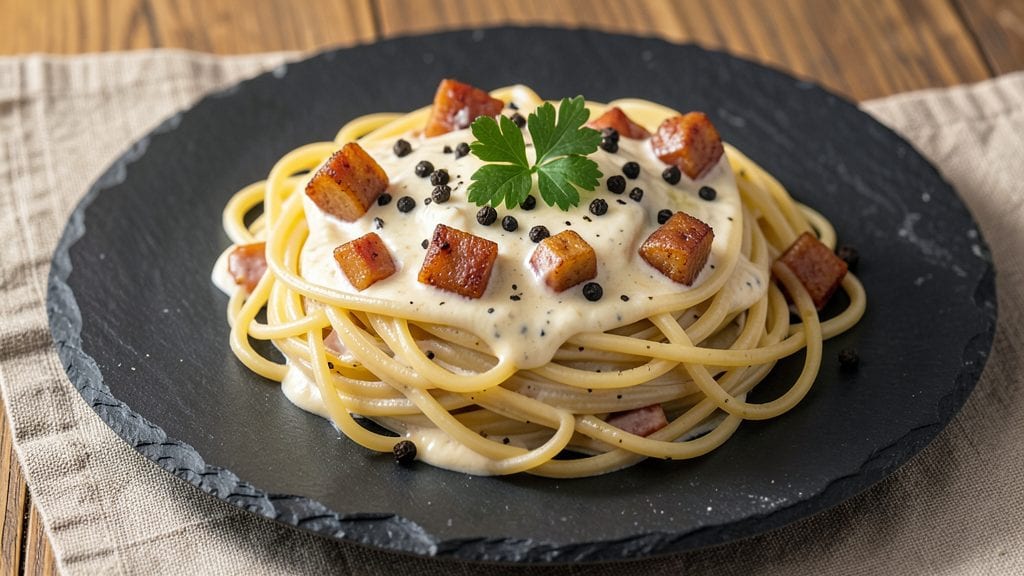
This carbonara with Philadelphia cheese recipe transforms a classic into something even more decadent—silky, ultra-creamy sauce that clings to every strand of pasta without scrambling the eggs. The secret lies in stovetop technique and the velvety texture Philadelphia brings, replacing traditional pecorino while keeping that signature richness.
I developed this version after years of perfecting the no-boil method, which preserves al dente pasta and prevents that dreaded rubbery texture.
The beauty of this recipe is its simplicity: just a handful of ingredients—pasta, eggs, Philadelphia cheese, pancetta, and black pepper—cooked together in one pot. No complicated techniques, no waiting for the sauce to thicken on its own.
The Philadelphia cheese melts into the eggs, creating a luxurious sauce that coats the pasta perfectly, while crispy pancetta adds a satisfying crunch. This is the kind of dish that feels indulgent yet comes together in under 20 minutes.
What you'll end up with is a plate of golden pasta glistening with a glossy, velvety sauce that's impossible to resist. Each bite delivers tender al dente pasta, creamy cheese, and savory pancetta in perfect harmony.
The sauce should be rich but not heavy, clinging to the pasta without overwhelming it. This is carbonara reimagined—creamy, foolproof, and restaurant-quality at home.
Serve immediately with a fresh grind of black pepper and a sprinkle of parsley for color, or add crispy pancetta on top for extra texture. The leftovers reheat beautifully, making this the perfect weeknight dinner that feels like a special occasion. Let's get cooking!
Ingredients for carbonara with philadelphia cheese
Eight essential ingredients transform into ultra-creamy carbonara with velvety Philadelphia sauce.
| Ingredient | Amount | Notes |
|---|---|---|
| Spaghetti 🍝 | 12 oz | Dry, high-quality pasta |
| Philadelphia Cream Cheese 🧀 | 8 oz | Full-fat, room temperature |
| Large Eggs 🥚 | 4 whole | Fresh, room temperature |
| Pancetta 🥓 | 6 oz | Diced, not pre-cooked |
| Freshly Ground Black Pepper 🌶️ | 1 tsp | Coarsely cracked |
| Extra-Virgin Olive Oil 🫒 | 2 tbsp | For crisping pancetta |
| Fresh Parsley 🌿 | ¼ cup | Chopped, for garnish |
| Diamond Crystal Kosher Salt 🧂 | ½ tsp | For seasoning pasta water |
The Philadelphia cream cheese is the star here—opt for full-fat to ensure that luxurious, velvety texture. Store-bought tubs work perfectly, but avoid the low-fat versions, which can turn grainy. For the pancetta, avoid pre-cooked bacon—it lacks that crispy, savory bite. Freshly ground black pepper is non-negotiable; pre-ground loses potency quickly. The spaghetti should be high-quality, like De Cecco or Barilla, to hold its shape during the no-boil method. If you can't find pancetta, thick-cut bacon works in a pinch, but render the fat thoroughly.
No Philadelphia cream cheese? Substitute with equal parts heavy cream and cream cheese, though the texture won't be identical. Short on pancetta? Guanciale or thick-cut bacon are ideal swaps, but render the fat well. Fresh parsley is ideal for garnish, but dried parsley at half the amount works if needed. The olive oil should be extra-virgin—California or Italian varieties add a fruity depth. For the eggs, room temperature ensures even cooking, so take them out 10 minutes before starting. If your pasta water isn't salty enough, add Diamond Crystal kosher salt—it dissolves faster than table salt.
This dish reheats beautifully—simply add a splash of water or pasta water to loosen the sauce. Store leftovers in an airtight container for up to 3 days in the fridge, but reheat gently to preserve that creamy texture. The pancetta can be pre-cooked and stored separately for up to 1 week in the fridge. For a restaurant-quality finish, garnish with extra black pepper and parsley right before serving. The sauce should coat the pasta like silk—no lumps, no scrambling, just pure indulgence.
Why You'll Love This Recipe
- No Egg Scramble Needed: I’ll be real—this is the only carbonara I’ll make. No messy egg scrambles or last-minute sauce disasters. Just whisk the yolks with cream cheese, toss with al dente spaghetti, and let the pancetta’s salty crunch melt into the creamy goodness. It’s foolproof, even when I’m distracted.
- Creamy Without the Drama: That Philadelphia cheese? It’s the secret weapon. No need to worry about breaking eggs perfectly or balancing a starchy roux—just fold it in, and you’ve got a velvety sauce that clings to every strand. Honestly, it’s the kind of rich, satisfying bite that makes you forget you’re eating "healthy-ish" weeknight food.
- Date Night or Lazy Sunday: Between us, this dish works for both. Fancy a dinner with friends? Add a sprinkle of parsley and serve with crusty bread. Craving something simple on a Sunday? Toss it together while the coffee brews. The pancetta adds enough savory punch to feel special, but the prep is so easy it won’t stress you out.
- Leftovers That Don’t Suck: Most carbonara turns into gluey pasta the next day. Not this one. The cream cheese keeps it creamy, and the peppery bite stays sharp. I’ve reheated mine for lunch twice—no one ever guessed it wasn’t freshly made. Plus, it’s budget-friendly enough to make twice in one week without feeling guilty.
Step-by-step instructions for carbonara with Philadelphia cheese
Master this ultra-creamy, no-boil technique that delivers velvety perfection every time.
Prepare the Pancetta for Crispy Rendering
In a large skillet, heat the 2 tablespoons extra-virgin olive oil over medium heat until shimmering. Add the 6 ounces diced pancetta and cook undisturbed for 5-6 minutes until the fat renders and the pancetta becomes deep golden brown with crispy edges. Stir occasionally to prevent burning, but avoid breaking up the larger pieces too much—you want substantial, flavorful chunks.
As the pancetta cooks, you'll notice the fat pooling in the pan. This rendered fat is essential for building flavor and creating the creamy sauce. Once the pancetta reaches golden brown and the fat has rendered sufficiently (about ¼ cup remaining), remove the skillet from heat and set it aside. The residual heat will keep everything warm while you prepare the egg mixture.
Create the Egg-Cream Cheese Custard
In a medium bowl, combine the 8 ounces Philadelphia cream cheese with the 4 whole large eggs until fully blended and smooth. The mixture should be thick and creamy, almost like a custard. I use a whisk for this step to ensure there are no lumps—cream cheese can be stubborn, so take your time and scrape the bowl thoroughly to incorporate all the cream cheese.
Next, add the 1 teaspoon freshly ground black pepper and mix until evenly distributed. The pepper should be coarsely cracked to add texture and a robust flavor. Set this mixture aside while you prepare the pasta. This step is critical—if the cream cheese isn't fully dissolved, you'll end up with grainy sauce. I like to let the mixture sit for 2-3 minutes to ensure everything is perfectly combined before moving forward.
Cook the Spaghetti Al Dente and Reserve Water
Bring a large pot of water to a rolling boil, then add the 0.5 teaspoon Diamond Crystal kosher salt—the water should taste like the sea. Add the 12 ounces spaghetti and cook until 1 minute shy of the package's recommended al dente time. This ensures the pasta finishes cooking in the sauce and absorbs its creamy richness.
Before draining, reserve 1 cup of pasta water in a measuring cup. This starchy water is your secret weapon for achieving the perfect creamy consistency. Drain the spaghetti, but don't rinse it—those surface starches are what help the sauce cling to every strand. Return the drained pasta to the pot and toss it with 1 tablespoon of the rendered pancetta fat to prevent sticking while you finish the sauce.
Combine Pasta and Sauce Off Heat
With the skillet still off the heat, add the drained spaghetti to the pancetta and toss to coat evenly in the rendered fat. This step ensures the pasta absorbs some of the pancetta's flavor before the sauce comes together. Next, pour the egg-cream cheese mixture over the pasta in a slow, steady stream while tossing vigorously with tongs.
Add ½ cup of the reserved pasta water and continue tossing for 1-2 minutes until the sauce thickens and coats the pasta completely. The residual heat from the pasta and pancetta will gently cook the eggs into a silky, creamy sauce. If the sauce starts to look too thick, add more pasta water 1 tablespoon at a time until you reach your desired consistency. The key here is to work quickly but carefully—you want the sauce to emulsify smoothly without scrambling the eggs.
Finish and Garnish for Restaurant-Quality Results
Once the sauce is perfectly creamy and clings to the pasta, remove the skillet from heat and stir in the remaining 1 tablespoon pancetta and the 0.25 cup chopped fresh parsley. The parsley adds a bright, fresh contrast to the rich, creamy sauce. Taste and adjust the seasoning with additional freshly ground black pepper if needed—carbonara should be bold and peppery.
Serve immediately, garnished with extra parsley and a sprinkle of freshly cracked black pepper. The sauce should be ultra-creamy, with no trace of scrambled eggs or graininess. Each bite should deliver a perfect balance of creamy richness, salty pancetta, and peppery brightness. This no-boil technique ensures the pasta absorbs the sauce perfectly, delivering that restaurant-quality texture you crave. Enjoy while warm!
Pro Tips For Making Carbonara With Philadelphia Cheese
- CRANK THE PANCETTA LOW: I learned this the hard way—crispy pancetta tastes amazing, but it burns faster than you think. Cook it on medium-low until just golden (about 8-10 minutes), then pull it out while it’s still slightly soft. You’ll need that fat later, and it won’t turn into bitter bits if you rush it.
- WHISK EGGS LIKE A MANIAC: No one likes scrambled eggs in their carbonara. Beat the eggs and cream cheese until the mixture is uniform and slightly thickened—about 30 seconds past when it looks "done." This ensures a silky sauce, not a gloppy one, when it hits the hot pasta.
- SALT THE PASTA WATER HARD: Your pasta should taste like the sea when it’s done. Use at least 2 tablespoons of salt per 4 quarts of water—more if you’re using unsalted butter later. Trust me, the dish won’t be bland; it’ll be perfectly balanced.
- RESERVE THAT PANCETTA FAT: After cooking the pancetta, don’t toss the rendered fat—strain it through a fine-mesh sieve into a small bowl. You’ll need about 2 tablespoons of it to toss with the pasta before adding the egg mixture. This upgrades the texture and flavor instantly.
Creative variations of these flavors
Creamy White Carbonara
Swap the traditional tomato base for a luxurious white sauce by replacing the pancetta with 4 oz chopped mushrooms sautéed in 1 tbsp butter until golden. Use ½ cup heavy cream instead of pasta water to emulsify the egg-Philadelphia mixture.
The result is a velvety white carbonara with earthy mushroom notes—perfect for mushroom lovers. 🍄
Spicy Arrabbiata Twist
Add 1 tbsp Calabrian chili paste or 2 tsp red pepper flakes to the pancetta fat before tossing with pasta. For extra heat, stir in ½ tsp cayenne pepper with the black pepper.
Balance the spice with a splash of lemon juice at the end—this adds brightness and cuts through the richness beautifully.
Seafood Carbonara
Replace pancetta with 6 oz cooked shrimp or 4 oz smoked salmon, chopped into bite-sized pieces. Add 1 tbsp lemon zest to the egg mixture for brightness. Cook the seafood separately in 1 tbsp olive oil for 2-3 minutes until just done, then fold into the finished pasta.
Garnish with extra lemon wedges for serving. 🦐
Vegetarian Version
Use 6 oz chickpeas (cooked and drained) instead of pancetta for protein. Sauté with 1 tsp smoked paprika and 1 minced garlic clove in olive oil until crispy.
Add ¼ cup nutritional yeast to the egg mixture for a cheesy, umami depth. Top with fresh basil instead of parsley for a fresh finish.
Breakfast Carbonara
Transform this into a brunch dish by serving over crispy hash browns or toasted sourdough. Add 2 tbsp grated Parmesan to the egg mixture and top with a fried egg cooked sunny-side up. The runny yolk blends perfectly with the creamy sauce for a decadent breakfast. 🍳
Gluten-Free Adaptation
Use gluten-free spaghetti like Barilla GF or Jovial. Cook the pasta in well-salted water and reserve ½ cup pasta water as usual. The no-boil method works perfectly—just ensure your GF pasta cooks slightly faster than traditional wheat pasta.
For extra binding, add 1 tbsp cornstarch to the egg mixture before combining with pasta.
Nutrition facts
Frequently asked questions
Why does Philadelphia cheese make carbonara extra creamy?
The Philadelphia cheese's high fat content (33%) melts smoothly into the eggs, creating a velvety emulsion that clings to pasta better than traditional pecorino or Parmesan. Its mild tang also balances the richness without overpowering the dish. The no-boil method preserves this luxurious texture by using residual heat from the pasta and pancetta to gently cook the eggs.
Can I use Philadelphia cheese instead of pecorino in classic carbonara?
Yes, but with adjustments! Philadelphia replaces pecorino's sharpness with creamy richness. For a more authentic flavor, mix 4 oz Philadelphia with 2 oz grated Parmesan—this gives you both creaminess and umami depth. The recipe's no-boil technique works perfectly with this blend, maintaining that signature carbonara texture.
What's the best pasta shape for this creamy version?
Spaghetti or rigatoni work best—their ridges and long strands hold the creamy sauce exceptionally well. For extra indulgence, try fettuccine or pappardelle, which create a "trough" for maximum sauce clinging. Avoid short shapes like penne, as they can't trap the sauce as effectively. The no-boil method requires slightly undercooked pasta to finish in the sauce.
Why does the sauce get grainy if I add pasta water too slowly?
Adding pasta water too quickly can cause the eggs to scramble before emulsifying properly. Instead, pour it in a slow, steady stream while tossing vigorously—this gradual addition lets the heat from the pasta gently cook the eggs into a smooth sauce. If it starts looking curdled, immediately add more pasta water and keep moving the pasta with tongs. The key is patience and constant motion.
How do I make this ahead of time without drying out the sauce?
Cook the pasta and sauce as directed, then let it cool completely before storing in an airtight container with a sprinkle of pasta water on top. Reheat gently in a skillet over low heat with an extra splash of water or pasta water until warmed through. For best results, serve within 2 days—the texture won't be as velvety after that, but it'll still be delicious.