
Main Courses
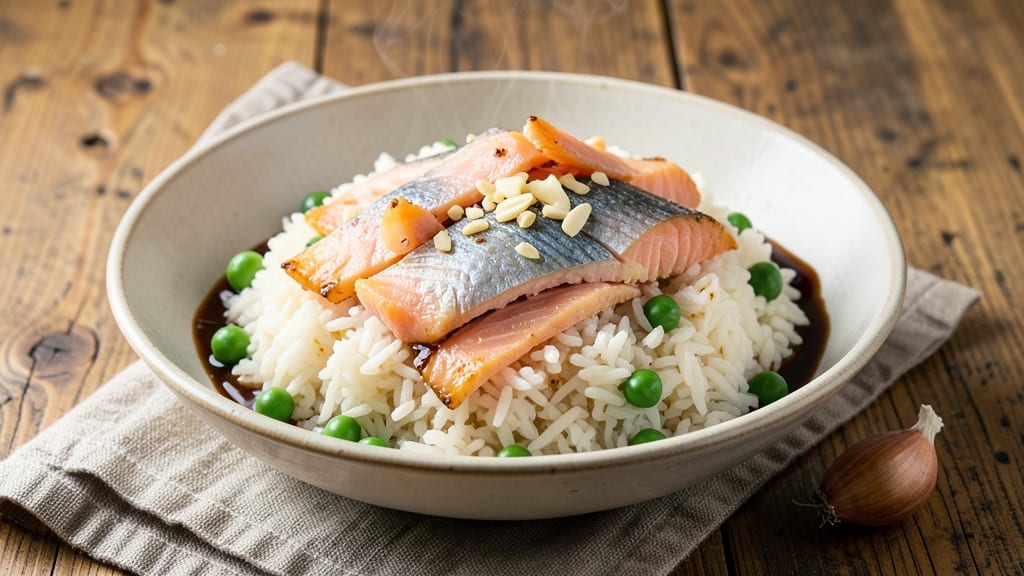
This one-pot canned salmon and rice recipe transforms pantry staples into a protein-packed meal faster than takeout delivery—no fancy ingredients required.
The secret lies in combining canned salmon with rice in a single pot, where the fish's natural oils infuse the grains with rich, savory depth while keeping prep under 20 minutes.
I developed this after realizing how often canned salmon sits forgotten in my pantry, and it’s now a go-to for quick lunches or dinners that feel restaurant-quality.
What makes this dish work is the balance of textures and flavors: flaky salmon flakes over tender rice, while optional add-ins like soy sauce, garlic, or frozen peas elevate it from basic to bold.
The method is simple—just combine ingredients in one pot, simmer until the rice absorbs the liquid, and let the salmon's natural oils create a subtle, umami-rich finish. It’s the kind of meal that proves canned fish can be the star of the plate without any fuss.
The result is a hearty, satisfying dish that’s perfect for busy weeknights or meal prep. The rice comes out perfectly cooked with a light, fluffy texture, while the salmon adds a satisfying protein punch.
Serve it as-is for a minimalist meal, or top with a fried egg, sliced avocado, or a drizzle of sriracha for extra flavor. This recipe proves one-pot meals don’t have to sacrifice depth or nutrition.
Whether you’re feeding a family or meal prepping for the week, this dish delivers big flavor with minimal effort. The best part? It’s fully customizable—swap in different veggies, adjust the seasoning, or even use different types of rice. Let’s get cooking!
Ingredients for canned salmon and rice
Pantry staples meet restaurant-quality flavor in this one-pot salmon and rice dish.
| Ingredient | Amount | Notes |
|---|---|---|
| Canned Salmon (wild, in water) 🐟 | 2 cans | High-quality, no added salt |
| Long-Grain White Rice 🍚 | 1 cup | Uncooked, jasmine or basmati preferred |
| Water 💧 | 2 cups | Filtered or spring water |
| Low-Sodium Soy Sauce 🍜 | 2 tbsp | For umami depth |
| Garlic Cloves 🧄 | 3 cloves | Freshly minced for aroma |
| Frozen Peas 🌱 | ½ cup | Optional, for texture |
| Lemon Juice 🍋 | 1 tbsp | Freshly squeezed for brightness |
| Extra-Virgin Olive Oil 🫒 | 1 tbsp | For finishing drizzle |
| Salt 🧂 | ½ tsp | Kosher or sea salt |
| Black Pepper 🌶️ | ¼ tsp | Freshly ground for heat |
| Fresh Parsley 🌿 | ¼ cup | Chopped, for garnish |
| Green Onions 🧅 | 2 whole | Sliced, for freshness |
The salmon is the star here, so opt for wild-caught, high-quality canned salmon in water—it has better texture and flavor than oil-packed or low-grade varieties. Trader Joe’s and Wild Planet brands are reliable choices, but any reputable brand will work. Look for cans with minimal additives and no added salt; you’ll control the seasoning yourself. The rice should be long-grain white—jasmine or basmati—since it stays separate and absorbs the salmon’s rich oils beautifully. Fresh garlic and parsley elevate the dish, so grab them at the produce section; organic garlic tends to have more flavor, but conventional works fine too.
No soy sauce? Substitute with coconut aminos or a splash of fish sauce for umami. Skip the peas if you prefer a simpler texture, but they add a nice pop of color and sweetness. The lemon juice is key for brightness—bottled works in a pinch, but fresh is always better. For extra depth, add a dash of sriracha or a pinch of smoked paprika. If you’re short on time, pre-cooked rice (like microwaveable pouches) cuts prep time by half, though the texture won’t be as light. The green onions can be swapped for chives or scallions if that’s what you have on hand.
This dish reheats beautifully—just add a splash of water and warm through. Stores for 4 days in the fridge or 3 months in the freezer. For meal prep, portion into containers with a drizzle of olive oil on top to keep the rice from drying out. The salmon’s natural oils make this dish even better the next day as the flavors meld. Double the recipe and freeze half for a quick future meal; it’s perfect for busy weeknights or lunches.
Why You'll Love This Recipe
- Fewer Ingredients, Same Magic: I swear by this recipe because it’s that simple—just salmon, rice, garlic, and a splash of soy sauce. No chopping, no fuss, and still packs a punch with that bright, umami-rich flavor from the wild salmon.
- Garlic-Glazed Goodness: The minced garlic sizzling in the pan? It transforms this into something restaurant-worthy. That crispy edge on the salmon with the tender rice underneath—honestly, it’s the kind of dish that makes you pause mid-bite.
- Lunchbox Hero: Between us, this is my go-to for meal prep. Toss it in containers with a sprinkle of sesame seeds, and it’s ready for work lunches or school lunches. (Yes, even my picky teen eats it.)
- Budget Meal, Big Payoff: Wild salmon sounds fancy, but canned makes it affordable. A single can feeds four, and the leftovers reheat like a dream—no soggy rice here. My wallet and taste buds thank me.
Step-by-step instructions for canned salmon and rice
This one-pot recipe delivers a complete meal in minutes using simple ingredients you already have.
Prepare the Rice and Aromatics
In a medium saucepan, combine the 1 cup long-grain white rice with the 2 cups water. Bring to a boil over medium-high heat, then immediately reduce to low heat and cover tightly with a lid. Let the rice simmer for exactly 10 minutes without peeking—this steam cooking creates perfectly fluffy grains.
While the rice cooks, finely mince the 3 cloves garlic and slice the 2 whole green onions. Set them aside in separate small bowls. The garlic should be minced into tiny pieces, almost like a paste, while the green onions should be cut into thin rings. These aromatics will infuse the dish with bright, fresh flavors that balance the rich salmon.
Cook the Salmon and Vegetables
Drain the 2 cans canned salmon, reserving 2 tablespoons of the liquid from each can. In a separate skillet, heat the 1 tablespoon extra-virgin olive oil over medium heat. Add the minced garlic and sauté for 30 seconds until fragrant—you'll smell that wonderful garlic aroma that signals it's ready.
Add the drained salmon to the skillet along with the 0.5 cup frozen peas. Stir gently to combine, cooking for 2-3 minutes until the peas are just thawed and heated through. The salmon should warm through completely while maintaining its tender texture. Remove from heat and set aside.
Combine Everything in One Pot
After the 10 minutes of rice cooking, remove the lid and stir in the 2 tablespoons low-sodium soy sauce, 0.5 teaspoon salt, and 0.25 teaspoon black pepper. Add the cooked salmon mixture and stir gently to distribute everything evenly. The rice should absorb the flavors quickly, creating a cohesive dish.
Return the pan to low heat and stir in the 1 tablespoon lemon juice. Let the mixture simmer for an additional 2 minutes, allowing the bright citrus flavor to meld with the other ingredients. The lemon juice will cut through the richness of the salmon while adding a refreshing note.
Finish and Serve
Remove the pan from heat and stir in the chopped 0.25 cup fresh parsley and sliced green onions. The parsley adds a fresh, vibrant finish while the green onions contribute a mild onion flavor that brightens the dish. Taste and adjust seasoning if needed—you might want to add a bit more soy sauce for more umami depth.
Let the dish sit covered for 2-3 minutes before serving. This resting period allows all the flavors to meld together perfectly. Serve immediately while the rice is still warm and fluffy. Each serving delivers a perfect balance of protein, vegetables, and grains in every bite.
Pro Tips For Making Canned Salmon And Rice
- Drain and Flake Salmon Properly: Skip pouring the canned salmon straight from the can—drain it first, then break it up with a fork. The water in the can makes the rice soggy, and flaking it ensures even distribution. I learned this the hard way after serving mushy rice to a crowd.
- Toast the Garlic First: Mince the garlic, then sauté it in a dry pan for 30 seconds until fragrant before adding anything else. This step prevents the garlic from turning bitter and adds depth to the dish. Yes, even if you're impatient like me.
- Use Double the Water for Rice: Most recipes say 1:2 rice-to-water, but with canned salmon, aim for 1:2.5—salmon releases moisture, and you want fluffy, not sticky, rice. I was skeptical until I tried it, and now I never go back.
- Add Soy Sauce Late: Stir in the low-sodium soy sauce only in the last 2 minutes of cooking. This keeps the rice from absorbing too much salt and lets the flavor bloom at the end. Sounds weird, but it works—trust the process.
Troubleshooting this dish
Rice Overcooked?
If your rice turns out mushy, you likely peeked while cooking or used too much water. For perfect texture, stick to the 1:2 rice-to-water ratio and avoid lifting the lid during the 10-minute cook time.
If it’s still too firm after cooking, add 2 tablespoons hot water and cover for another 2 minutes. I’ve found using a heavy-bottomed saucepan (like All-Clad) helps distribute heat evenly and prevents sticking. 💡
Salmon Too Dry?
Canned salmon can dry out if overcooked. Warm it gently in the skillet for just 2-3 minutes—no more! If it’s already dry, revive it by adding 1 tablespoon water or broth to the pan and covering for 1 minute off the heat.
For extra moisture, stir in a dollop of Greek yogurt or cream cheese at the end. I also recommend using wild-caught salmon in water (not oil-packed) for better texture retention.
Flavor Too Mild?
Boost umami by adding 1 teaspoon fish sauce or ½ teaspoon smoked paprika to the rice while cooking. For brightness, squeeze in an extra 1 tablespoon lemon juice at the end. If the dish lacks saltiness, a pinch of kelp flakes (about ¼ teaspoon) adds depth without overpowering.
I often finish with a drizzle of tobiko (flying fish roe) for a pop of color and saltiness.
Peas Still Frozen?
Frozen peas need gentle heat to thaw evenly. Cook them in the skillet with the salmon for 2-3 minutes max—any longer, and they’ll turn mushy. For quicker thawing, microwave the peas for 30 seconds before adding them to the pan.
If you’re short on time, swap them for fresh peas or corn kernels, which cook faster. 🌱
Sauce Too Thin?
If the rice absorbs all the liquid too quickly, stir in 1-2 tablespoons water or broth at the end for a creamier texture. For a richer sauce, mix 1 tablespoon cornstarch with 1 tablespoon water, then stir it into the pan and simmer for 1 minute until thickened.
I also like adding a spoonful of crème fraîche for a tangy finish.
Rice Stuck to Pan?
Prevent sticking by using a non-stick saucepan (like Calphalon) and ensuring the rice is rinsed before cooking. If it sticks anyway, add 2 tablespoons water to the pan, cover, and let it steam for 2-3 minutes off the heat.
For stubborn stuck rice, a wooden spatula works best—never metal, or you’ll scratch the pan. 🔥
Nutrition facts
Frequently asked questions
Can I use oil-packed canned salmon instead of water-packed?
Yes, but drain it thoroughly and reduce the olive oil to ½ tablespoon to avoid excess richness. Oil-packed salmon has a slightly different texture and may make the dish heavier. For best results, stick with water-packed for a lighter, fluffier finish.
What's the best rice for this recipe?
Long-grain white rice (jasmine or basmati) works perfectly as it stays separate and absorbs flavors beautifully. For extra texture, try brown rice or forbidden black rice, but increase cooking time by 5-10 minutes and add ½ cup extra water. Short-grain rice will turn mushy.
How do I make this dish spicier?
Add ½ teaspoon red pepper flakes or 1 teaspoon sriracha while cooking the rice. For heat with depth, stir in 1 teaspoon gochujang (Korean chili paste) at the end. Top with sliced jalapeños or a dash of cayenne for extra kick.
Can I make this ahead of time?
The flavors improve overnight. Store in an airtight container for up to 4 days in the fridge. Reheat with 2 tablespoons water on low heat, stirring occasionally. For freezing, portion into containers and freeze for up to 3 months. Thaw overnight in the fridge before reheating.
What if I don't have soy sauce?
Use coconut aminos (1:1 ratio), fish sauce (½ teaspoon), or even Worcestershire sauce (1 teaspoon). For a dairy-free option, mix 1 teaspoon nutritional yeast with 1 teaspoon lemon juice. Each adds umami in different ways.