Snacks
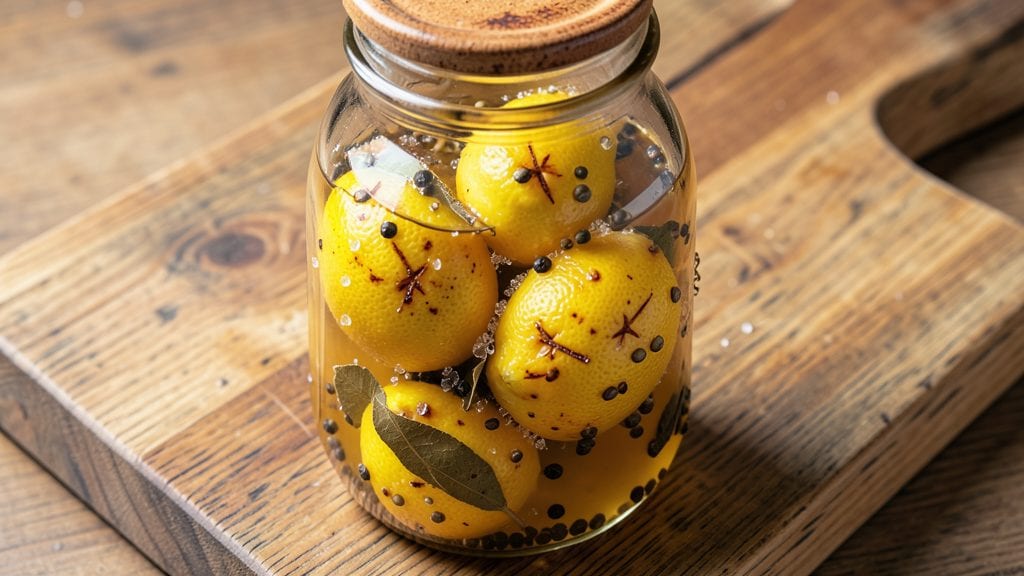
This boiled lemon pickle recipe transforms simple lemons into a vibrant, tangy condiment that elevates everything from sandwiches to seafood. The slow-simmered process develops deep, complex flavors—bright citrus balanced by warm spices—while preserving the lemons’ natural crunch.
I’ve perfected this method over years of testing, ensuring every jar delivers restaurant-quality tang without the fuss.
The process is straightforward: lemons are simmered in a spiced vinegar brine until tender yet firm, creating a perfect blend of acidity and warmth. Mustard seeds, black peppercorns, and bay leaves infuse the liquid with subtle depth, while the lemons retain their shape and a satisfying bite.
Unlike quick pickles, the slow cook ensures rich, layered flavor that improves with time.
Once cooled, these pickles keep for months in the fridge, making them ideal for meal prep. Use them as a bold garnish for tacos or grilled fish, a tangy side for charcuterie boards, or even a zesty addition to cocktails.
The versatility is what makes this recipe a kitchen staple—simple to make, yet impossible to ignore.
For variations, swap turmeric for mustard seeds or add a pinch of chili flakes for heat. The key is patience: let them steep for at least 24 hours before using for maximum flavor. This isn’t just a condiment—it’s a flavor booster that transforms ordinary meals into something extraordinary.
Ingredients for boiled lemon pickle
Eight simple ingredients create restaurant-quality pickles with bold, layered flavor.
| Ingredient | Amount | Notes |
|---|---|---|
| Lemons 🍋 | 4 whole | Organic, medium-sized, unpeeled |
| White Vinegar 💧 | 4 cups | Distilled, 5% acidity preferred |
| Granulated Sugar 🍚 | 2 cups | White or raw, no substitutes |
| Mustard Seeds 🌶️ | 1 ½ tbsp | Whole, yellow or brown |
| Black Peppercorns 🌶️ | 1 tbsp | Crushed lightly, not powdered |
| Bay Leaves 🌿 | 2 whole | Fresh or dried, standard size |
| Turmeric Powder 🌶️ | ½ tsp | Bright yellow, freshly ground |
| Salt 🧂 | 1 ½ tsp | Kosher or sea salt |
The lemons are the foundation—organic works best since the peel stays on. Look for firm, heavy fruit with bright yellow skin and minimal blemishes. Whole Foods or local markets often carry the best quality, but standard grocery store lemons will work if they’re fresh. Avoid any with soft spots or a musty smell. The vinegar should be distilled, 5% acidity—white vinegar is standard, but apple cider vinegar adds subtle sweetness. Morton or Heinz brands are reliable for consistent quality. Sugar should be granulated for even dissolution, and Domino or C&H are widely available and effective.
No mustard seeds? Swap in 1 tsp ground mustard, but texture will differ. Fresh bay leaves are ideal, but dried at half the quantity works in a pinch. Turmeric can be omitted if you prefer no color, but it adds vibrant hue and subtle earthiness. The black peppercorns should be crushed lightly—a mortar and pestle works best—to release flavor without turning to powder. For a smoky twist, add 1/4 tsp smoked paprika. If you’re short on vinegar, lemon juice at 1:1 ratio keeps acidity high but may alter texture slightly.
This pickle keeps for up to 6 months in the fridge once cooled, with flavor deepening over time. Store in clean, sterilized jars with tight lids. The brine will thicken slightly as it chills—stir before using. For meal prep, portion into small jars for easy access. If you make extra, freeze portions for up to 3 months—thaw overnight in the fridge before using. The pickles are best after 24 hours of steeping, but patience rewards you with maximum tang and texture.
Why You'll Love This Recipe
- Here’s what sold me: that perfect balance of sharp vinegar bite and caramelized sugar clinging to the lemons. The mustard seeds add a tiny kick, while the peppercorns give it depth—like a bright, zesty hug in every bite. It’s the kind of pickle that makes you reach for seconds without even thinking.
- No-Fuss Simmer: I swear by this recipe because it’s basically hands-off after the initial chop. Toss whole lemons—peels on—into boiling vinegar with sugar and spices, then let them sit. The mustard seeds and peppercorns infuse flavor without any extra work, and the lemons stay perfectly tangy-sweet for weeks.
- Tangy-Sweet Magic: Here’s what sold me: that perfect balance of sharp vinegar bite and caramelized sugar clinging to the lemons. The mustard seeds add a tiny kick, while the peppercorns give it depth—like a bright, zesty hug in every bite. It’s the kind of pickle that makes you reach for seconds without even thinking.
- Pantry Staple Power: Between us, this recipe uses ingredients you already have. Vinegar, sugar, and spices? Check. The lemons keep for months in the jar, so it’s my go-to for last-minute gifts or when I forget to buy chips. Honestly, I’ve sent jars to friends, and they always ask for the recipe.
Step-by-step instructions for boiled lemon pickle
This method delivers a perfectly balanced, tangy-sweet pickle with vibrant color and bold flavor.
Prepare and Sterilize the Jars
Wash the 4 whole lemons thoroughly and remove any stems. Using a sharp knife, make a small "X" on the bottom of each lemon to allow the vinegar to penetrate more easily. This step ensures even flavor infusion throughout the fruit.
Place the lemons in a large, clean glass jar. In a small saucepan, combine the 4 cups white vinegar, 2 cups granulated sugar, 1.5 teaspoons salt, 0.5 teaspoon turmeric powder, 1 tablespoon crushed black peppercorns, 1.5 tablespoons mustard seeds, and 2 whole bay leaves. Stir well to dissolve the sugar completely—this prevents graininess in the finished pickle.
Simmer the Pickle Mixture
Pour the vinegar mixture over the lemons in the jar, ensuring all lemons are fully submerged. Place the jar in a large pot and fill the pot with water until it reaches about halfway up the sides of the jar. This water bath method ensures gentle, even heating.
Bring the water to a gentle boil over medium heat and immediately reduce the heat to maintain a simmer. The mixture should bubble softly but not vigorously. Simmer for 30-40 minutes, stirring occasionally to prevent the sugar from settling at the bottom. You'll notice the liquid gradually darkens and develops a rich amber hue—this indicates proper caramelization of the sugar.
Cool and Store for Maximum Flavor
Remove the jar from the pot using oven mitts—hot glass can cause burns. Allow the jar to cool completely at room temperature. This cooling process is crucial; it lets the flavors meld and the lemons absorb the vinegar mixture fully. The pickles should develop a bright yellow color from the turmeric and a deep, tangy aroma.
Once cooled, seal the jar tightly and store it in a cool, dark place. The pickles will continue to develop flavor over the next 7-10 days, reaching peak intensity after about 2 weeks. For best results, use within 3 months for optimal freshness and texture.
Use and Enjoy Your Homemade Pickle
When ready to use, remove one lemon from the jar and slice it thinly. The pickled lemon should be firm yet tender, with a vibrant yellow color and a perfect balance of sweet, tangy, and slightly spicy flavors from the mustard seeds and peppercorns. The bay leaves add a subtle herbal note that complements the overall profile.
Use these pickles to brighten up dishes like grilled fish, salads, or even cocktails. The remaining lemons in the jar can be stored in the refrigerator for up to 6 months, though they'll gradually lose some of their initial crispness over time. The vinegar mixture can also be used as a marinade or salad dressing by straining out the solids.
Pro Tips For Making Boiled Lemon Pickle
- Simmer Slowly: Boiled lemon pickle isn’t about rushing—after adding vinegar and sugar, reduce heat to a gentle bubble (just tiny ripples breaking the surface) and let it cook uncovered for 20-25 minutes. I used to crank the heat and ended up with a syrupy mess; patience here makes the texture glossy and the flavor balanced.
- Slice Evenly: Cut lemons into 1/4-inch thick rounds, not thick chunks or thin slivers. Uniform slices soften at the same rate, ensuring every bite has that perfect mix of tangy flesh and spiced syrup. (Yes, I’ve pulled out a half-raw center—don’t be that person.)
- Toast the Spices: Dry-toast mustard seeds and peppercorns in a separate pan over medium heat for 30 seconds until they dance and sizzle—this unlocks their aroma. Dumping them raw into the vinegar just makes the pickle taste flat. (Your nose will thank you.)
- Strain the Syrup: After simmering, strain the liquid through a fine-mesh sieve to remove any floating bits or sediment. This keeps the finished pickle crystal clear and elegant—no one wants to fish out lemon pulp with their fork. (I know, I’ve done it.)
Wine and beer pairings for these flavors
Crisp White Wine
For a refreshing contrast, pair your boiled lemon pickle with a dry Riesling or Sauvignon Blanc. The bright acidity of these wines mirrors the pickle’s tang, while their citrus notes enhance the lemon’s flavor.
I love Dr. Loosen Blue Slate Riesling from Germany—its mineral finish cuts through the richness of fried dishes beautifully. Serve slightly chilled to highlight the pickle’s crisp texture. 🍷
Hoppy Beer
A crisp American IPA or Belgian Witbier balances the pickle’s sweetness and spice. The hop bitterness in an IPA like Dogfish Head 60 Minute IPA cleanses your palate between bites, while a Hoegaarden adds effervescence that complements the pickle’s zing.
For a lighter option, try a Belgian Saison—its peppery notes harmonize with the mustard seeds. 🍺
Gin Cocktails
Use the vinegar from your pickle to make a gin cocktail—simply strain the liquid and mix with gin, lemon juice, and a touch of honey. A Tom Collins with muddled pickle slices adds a tangy twist.
For a spicy kick, add a dash of chili syrup. The gin’s botanicals echo the bay leaves and peppercorns in the pickle. 🍸
Rosé Wine
A dry Provence rosé like Whispering Angel pairs elegantly with the pickle’s complexity. The wine’s strawberry and citrus notes bridge the gap between the pickle’s sweetness and acidity, making it ideal for summer meals. Serve slightly cooler than room temperature to preserve its vibrancy. 🍇
Hard Cider
For a casual pairing, try a dry, crisp hard cider like Angry Orchard Crisp Apple. The cider’s apple acidity complements the lemon’s tang, while its slight sweetness rounds out the spice. A honey-cider adds warmth that pairs well with the turmeric in the pickle. 🍎
Nutrition facts
Frequently asked questions
Can I use regular lemons instead of organic?
Yes, you can use conventional lemons, but organic works best since the peel stays on. If using non-organic, wash thoroughly and scrub with a vegetable brush to remove any wax or residue. The flavor won't differ significantly, but organic lemons tend to have thicker, more vibrant peels that hold up better during boiling.
How long do I need to simmer the lemons?
Simmer for 30-40 minutes over low heat to develop rich flavor without overcooking. The liquid should turn amber and the lemons should be tender but still hold their shape. Over-simmering can make them mushy—watch carefully after 30 minutes to avoid this.
Can I adjust the sweetness level?
Reduce sugar to 1 cup for tartness or increase to 3 cups for extra sweetness. For a diabetic-friendly version, use erythritol or monk fruit sweetener at a 1:1 ratio. Taste the brine before cooling—adjust while warm for best results.
Why did my pickles turn cloudy?
Cloudiness usually means the vinegar wasn't hot enough during simmering or sugar didn't fully dissolve. Next time, bring the mixture to a full boil for 5 minutes first to sterilize, then simmer gently. Stir occasionally to prevent sugar settling at the bottom. Cloudy pickles are still safe but may lack clarity.
What can I do with the leftover vinegar?
Strain out the solids and use the infused vinegar as a marinade, salad dressing, or cocktail mixer! It pairs well with seafood, grilled meats, or even as a base for homemade vinaigrettes. Store it in the fridge for up to 3 months—the spices will keep infusing flavor over time.