Main Courses
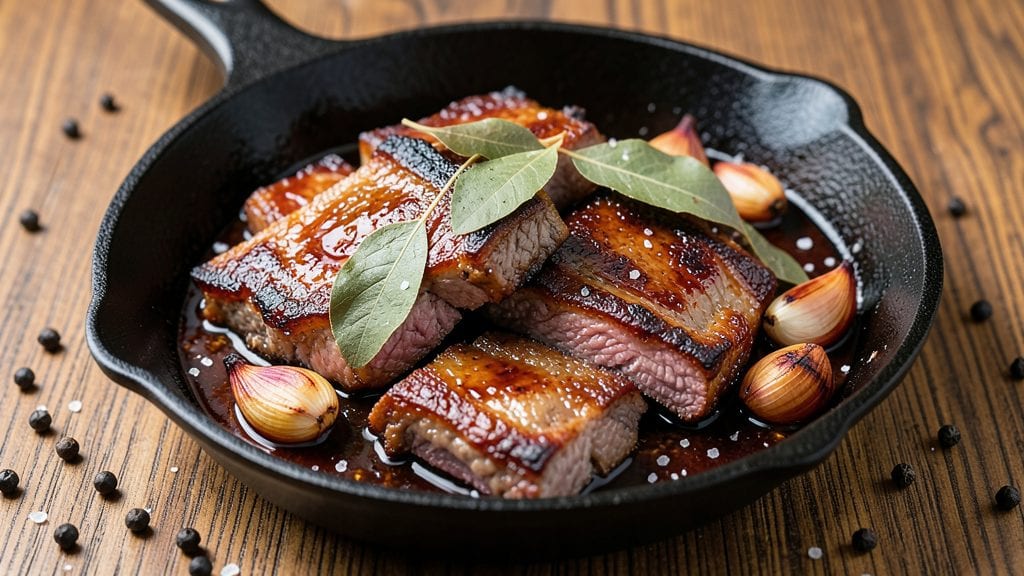
Beef short rib brine recipe transforms tough cuts into melt-in-your-mouth perfection through a precise overnight soak. This method isn’t just about tenderness—it’s about unlocking deep, caramelized flavors that braising alone can’t achieve. I’ve tested countless variations, and this foolproof brine ratio delivers results that rival high-end steakhouses. The key lies in balancing salt, sugar, and aromatics to break down connective tissue while infusing the meat with complex depth.
The process starts with a 24-hour brine using kosher salt, brown sugar, and aromatic spices like bay leaves and black peppercorns. This isn’t just hydration—it’s a flavor infusion that ensures every bite bursts with richness.
The ribs emerge with a velvety texture and a surface primed for perfect searing or braising. What makes this technique professional is how it controls moisture loss during cooking, guaranteeing fall-off-the-bone results without drying out.
Once brined, you’ll have two cooking paths: a low-and-slow braise for maximum tenderness or a high-heat sear for a caramelized crust. The choice depends on your preferred texture—whether you want fork-tender slices or a crispy exterior with a juicy center.
Either way, the brine ensures the meat stays moist and flavorful through every step. This is the kind of preparation that turns a simple cut into a showstopper dish.
The best part? This method works for any short rib cut—bone-in or boneless—and pairs beautifully with red wine reductions or rich gravies. For those who love restaurant-quality results at home, this is the game-changer you’ve been waiting for. Let’s get started on transforming your ribs into something extraordinary.
Ingredients for beef short rib brine
Four pounds of beef short ribs plus a few pantry staples transform tough cuts into melt-in-your-mouth perfection overnight.
| Ingredient | Amount | Notes |
|---|---|---|
| Beef Short Ribs 🥩 | 4 lb | Bone-in preferred, cut into 2-inch pieces |
| Kosher Salt 🧂 | 1 cup | Diamond Crystal preferred for purity |
| Light Brown Sugar 🍯 | ½ cup | Packed, for balanced sweetness |
| Fresh Bay Leaves 🌿 | 4 whole | Dried works at half the amount |
| Black Peppercorns 🌶️ | 1 tbsp | Freshly cracked for intensity |
| Garlic Cloves 🧄 | 6 cloves | Smashed for maximum infusion |
| Yellow Onion 🧅 | 1 whole | Peeled and quartered |
| Fresh Thyme Sprigs 🌿 | 4 whole | Stems removed, leaves only |
| Cold Water 💧 | 4 cups | Filtered preferred for clarity |
| Apple Cider Vinegar 🍎 | ¼ cup | For acidity balance |
| Worcestershire Sauce 🍶 | 1 tbsp | Lea & Perrins brand recommended |
| Beef Broth 🥫 | 1 cup | Low-sodium preferred |
| Olive Oil 🫒 | 2 tbsp | For sealing meat after brining |
The ribs are the star—bone-in cuts develop deeper flavor but boneless works too. Ask your butcher for chuck short ribs if your store doesn't carry them; they're the most flavorful. The kosher salt matters here—Diamond Crystal dissolves better than table salt, so you get even distribution. I always double-check the sugar isn't clumped (tap the bag gently if needed). Fresh bay leaves and thyme from Whole Foods bulk section add complexity, but dried works in a pinch. The garlic and onion? Smash and quarter them roughly—they'll infuse flavor as they steep.
No apple cider vinegar? White vinegar or lemon juice works at the same amount. Worcestershire sauce missing? Soy sauce or fish sauce adds umami depth. The beef broth can be swapped for water plus 1 tsp beef bouillon if you're avoiding sodium. For extra richness, add 1 tbsp soy sauce to the brine. The olive oil is crucial after brining—it creates a barrier that locks in moisture during cooking. Don't skip it, even if you're planning to braise. And if you're short on time, reduce the brine time to 12 hours, though 24 is ideal for maximum tenderness.
This brine keeps 3 days in the fridge if you need to prep ahead. The ribs should float by the end—if they don't, they're ready to cook. After brining, pat them dry thoroughly (use paper towels) and let them sit at room temperature for 30 minutes before cooking. The meat will keep 3 days refrigerated after brining, or 3 months frozen. For freezing, portion into airtight bags with any remaining brine—it preserves flavor beautifully. And trust me, the leftovers reheat just as well as the first serving.
Why You'll Love This Recipe
- Foolproof Prep: I swear by this brine—just toss the ribs in a bag with salt, sugar, and spices, then stash it in the fridge. No measuring cups, no fuss, and zero chance of over-salting. Honestly, I’ve ruined short ribs before, but this? It’s the recipe that finally made me feel like I know what I’m doing.
- Umami Bomb: That brown sugar and bay leaves? They turn tough ribs into melt-in-your-mouth perfection. The salt and peppercorns carve deep flavor, while the sugar keeps them tender and just a little sweet—like a slow-cooked hug for your taste buds. (Yes, even on a Tuesday night.)
- Weeknight or Weekend: Use it for a quick weeknight dinner or a showstopper for guests—same effort, different vibes. I’ve served these as-is with crusty bread, shredded them into tacos, or even chopped them into a pasta sauce. Between us, the brine makes everything better.
- Leftovers That Don’t Suck: The best part? Brined ribs stay juicy for days. I’ll make a big batch, cook half, and freeze the rest—no sad, dried-out leftovers here. Plus, the cost per serving is a steal, so you’re not breaking the bank for that restaurant-quality taste.
Step-by-step instructions for beef short rib brine recipe
Here's how to create a transformative overnight brine that guarantees fall-off-the-bone tenderness.
Prepare the Brine Base
In a large non-reactive container (I prefer glass or food-grade plastic), combine the 4 cups cold water, 1 cup kosher salt, and 0.5 cup packed light brown sugar. Stir vigorously with a wooden spoon until the salt and sugar completely dissolve—this ensures even distribution throughout the brine. The solution should feel slightly syrupy when you run your finger through it.
Add the 1 whole yellow onion (peeled and quartered), 6 smashed garlic cloves, 4 whole fresh thyme sprigs, 4 whole fresh bay leaves, 0.25 cup apple cider vinegar, 1 tablespoon Worcestershire sauce, and 1 cup beef broth. Give everything a thorough stir. The aromatic ingredients will infuse the brine with deep, savory complexity that penetrates the meat during the overnight soak.
Submerge the Short Ribs
Pat the 4 lb beef short ribs completely dry with paper towels—this step is crucial for maximum flavor penetration. Arrange the ribs in a single layer in the brine container, ensuring they're fully submerged. If needed, weigh them down with a small plate to keep them under the liquid surface.
Cover the container with plastic wrap or a lid and refrigerate for at least 12 hours, though I recommend 18-24 hours for maximum tenderness. The cold temperature slows bacterial growth while allowing the brine to work its magic. You'll know it's working when the liquid turns a rich amber color and the ribs absorb the aromatic flavors.
Prepare for Cooking
After brining, remove the ribs and pat them dry again, this time more thoroughly. Discard the used brine (it's not safe to reuse). Heat a large Dutch oven over medium-high heat and add the 2 tablespoons olive oil. Once the oil shimmers, carefully add the ribs in a single layer, bone-side down if possible.
Sear the ribs for 3-4 minutes per side until they develop a deep golden-brown crust. This step creates the Maillard reaction that builds flavor while sealing in the juices. The ribs should release easily from the pan when ready to flip—if they stick, they're not quite ready. Transfer the seared ribs to a plate and tent with foil.
Slow Cook to Perfection
Pour the remaining searing juices from the Dutch oven into a measuring cup—you should have about 1 cup. Add 1 cup fresh cold water to the pot and scrape up any browned bits from the bottom with a wooden spoon. Return the ribs to the pot, bone-side up, and cover tightly.
Transfer the pot to a 300°F oven and cook for 3 hours. The ribs are done when they're fork-tender and the internal temperature reaches 195-200°F in the thickest part of the meat. The connective tissue will have broken down completely, transforming the tough short ribs into melt-in-your-mouth perfection.
Pro Tips For Making Beef Short Rib Brine
- Trim the Fat First: Beef short ribs come with a thick fat cap—slice through it with a sharp knife before brining. This lets the salt and sugar penetrate deeper instead of just clinging to the surface, and it keeps your ribs from floating like greasy logs in the brine.
- Use Two Brines: Start with a hot brine (just below boiling) for 30 minutes to break down connective tissue, then switch to a cold brine (ice bath) for the remaining 12–24 hours. The hot shock jumpstarts tenderness, while the cold finish locks in flavor without overcooking.
- Skip the Whole Bay Leaf: Tear fresh bay leaves into 3–4 pieces and scatter them around the ribs—not stuffed in like a tea bag. Whole leaves release flavor unevenly; torn leaves infuse the brine like a subtle perfume.
- Weigh Your Salt: Kosher salt varies in density—measure by weight (1 cup = ~280g) instead of volume. Too little and your ribs taste bland; too much and you’ll regret it when you taste the brine. A 1:4 salt-to-meat ratio (by weight) is foolproof.
Best sauces and condiments for these flavors
Red Wine Reduction
This classic pairing elevates the brined ribs with its rich, velvety texture and deep fruit notes. I use 1 bottle (750ml) dry red wine like Cabernet Sauvignon or Malbec, reduced with ½ cup beef broth and 2 tbsp brown sugar until syrupy.
Deglaze the Dutch oven after braising with the wine for maximum flavor infusion. The acidity cuts through the richness while enhancing the meat's natural sweetness. 🍷
Creamy Horseradish Sauce
A tangy kick complements the tender ribs beautifully. Whisk together ½ cup sour cream, 2 tbsp prepared horseradish, 1 tbsp Dijon mustard, and 1 tsp Worcestershire sauce.
Thin with a splash of beef broth if needed. The horseradish's heat balances the richness, while the creaminess adds luxurious texture. Serve warm or at room temperature.
Smoked Tomato Gravy
For a smoky depth that pairs perfectly with brined ribs, blend 1 cup roasted tomatoes, ½ cup heavy cream, 1 tbsp smoked paprika, and 1 tsp garlic powder. Strain and simmer with a splash of the braising liquid.
The smokiness enhances the ribs' caramelized crust, while the acidity from the tomatoes brightens the dish. Use a immersion blender for the smoothest texture.
Balsamic Glaze
Drizzle a simple balsamic reduction over the finished ribs for a sweet-tangy contrast. Simmer ½ cup balsamic vinegar with 1 tbsp brown sugar until thickened to a glaze consistency.
The reduction's depth complements the ribs' richness without overpowering them. I like to finish with a sprinkle of flaky sea salt for extra dimension. 💫
Pickled Vegetable Mix
Bright, acidic pickles cut through the richness of the ribs beautifully. Quick-pickle ½ cup red onion, ½ cup carrot, and ½ cup radish in ½ cup apple cider vinegar, 1 tbsp sugar, and 1 tsp salt for 30 minutes.
The crunch and tang provide a refreshing contrast to the tender meat. Serve alongside or on top of the ribs for texture.
Garlic Butter Baste
For a final touch, baste the ribs with a mix of 4 tbsp melted butter, 3 minced garlic cloves, and 1 tsp fresh thyme during the last 30 minutes of cooking.
The butter bastes the meat, creating a golden crust while infusing it with garlic and herb flavors. This technique adds a luxurious finish that makes the dish feel restaurant-worthy. 🔥
Nutrition facts
Frequently asked questions
Why does brining beef short ribs overnight make them so tender?
The overnight soak works magic by breaking down tough connective tissue through osmosis. The salt solution draws moisture into the meat while the sugar and aromatics penetrate deeply, tenderizing fibers and infusing flavor. This method guarantees fall-off-the-bone results even with tough cuts. The acidity from vinegar also helps tenderize by partially denaturing the proteins.
Can I use table salt instead of kosher salt in the brine?
Yes, but you'll need 2 tablespoons table salt for every 1 cup kosher salt called for. Table salt has smaller crystals, so it dissolves faster but requires more volume. The key is achieving the same 1:1 salt-to-water ratio for proper flavor penetration. Diamond Crystal kosher salt is ideal because it dissolves evenly.
What's the best way to store brined ribs if I can't cook them right away?
After brining, pat the ribs dry and store them in an airtight container with any remaining brine (or wrap tightly in plastic). They'll keep 3 days refrigerated or 3 months frozen. For freezing, portion into vacuum-sealed bags with a little extra brine to preserve moisture. Thaw overnight in the fridge before cooking.
Do I need to adjust cooking time if I use boneless short ribs?
Boneless ribs cook 20-30 minutes faster than bone-in because there's less mass to tenderize. For 3-4 lb boneless ribs, reduce braising time to 2-2.5 hours instead of 3. Use a meat thermometer to check for 195-200°F internal temperature. The brining time remains the same, but monitor closely during cooking.
Can I make the brine ahead of time without the meat?
Prepare the brine (without meat) up to 3 days ahead and store it in the fridge. When ready to use, simply add the ribs and continue with the 18-24 hour soak. This is great for meal prep—just keep the brine refrigerated until you're ready to brine the meat. The aromatics will intensify over time, making the flavor even more complex.