Side Dishes
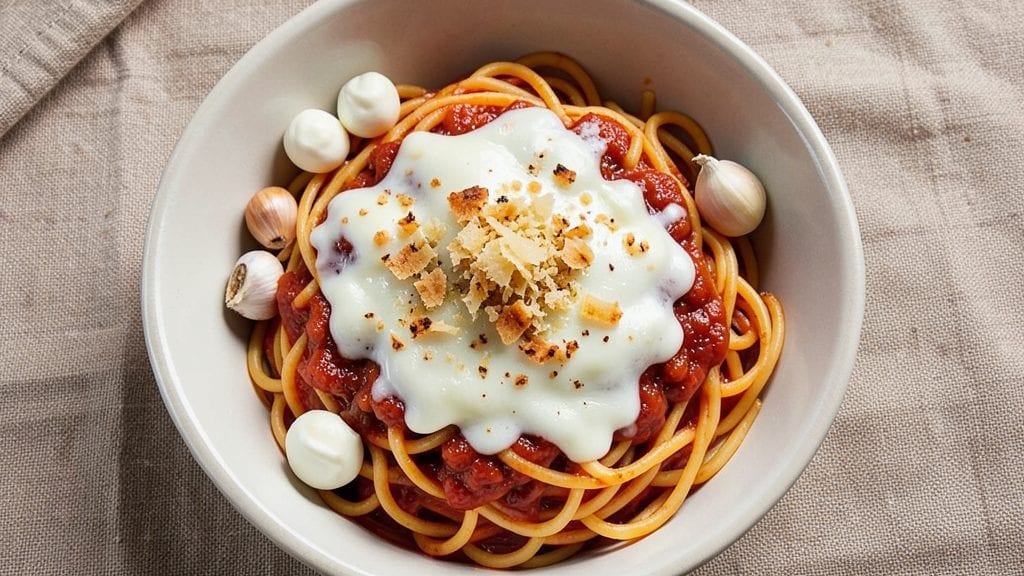
This baked spaghetti recipe delivers the ultimate comfort food experience—crispy golden cheese topping that stays perfectly stuck together while the noodles remain tender beneath.
The secret lies in a precise technique of layering cooked pasta with a rich tomato sauce and a blend of cheeses that melts into a bubbly, caramelized crust.
I perfected this method after years of testing different cheese ratios and baking times, ensuring every bite delivers that satisfying contrast of textures.
The foundation of this dish starts with al dente spaghetti, tossed in a flavorful tomato sauce that coats each strand evenly. A layer of mozzarella, parmesan, and a touch of cream cheese creates the crispy topping that becomes irresistibly golden without burning.
The key is baking at the right temperature—just high enough to create that crispy exterior while keeping the interior warm and gooey. This isn’t your average casserole; it’s a restaurant-quality dish that’s surprisingly simple to make at home.
By the time it emerges from the oven, you’ll have a dish that looks as impressive as it tastes—crispy cheese edges that crackle with every bite, tender noodles soaked in rich tomato sauce, and a cheesy layer that holds together like it was meant to.
The aroma alone will have everyone gathered around the table, and the first forkful will confirm this is a recipe worth repeating. Pair it with garlic bread or a fresh salad for the ultimate meal.
What makes this recipe truly foolproof is the balance of ingredients and technique. No soggy bottoms, no greasy tops—just perfectly baked spaghetti that’s ready to serve in under an hour.
Whether you’re feeding a family or hosting a dinner party, this dish delivers crispy, cheesy satisfaction that’s hard to resist. Let’s get cooking!
Ingredients for baked spagetti
Twelve simple ingredients transform into a restaurant-worthy baked spaghetti with a crispy, golden cheese topping.
| Ingredient | Amount | Notes |
|---|---|---|
| Spaghetti 🍝 | ½ lb | Al dente, cooked and drained |
| Marinara Sauce 🍅 | 2 ½ cups | Homemade or high-quality jarred |
| Mozzarella Cheese 🧀 | 8 oz | Fresh, shredded or sliced |
| Parmesan Cheese 🧀 | ½ cup | Freshly grated, high-quality |
| Cream Cheese 🧈 | 4 oz | Full-fat, room temperature |
| Garlic Cloves 🧄 | 3 cloves | Minced, for sauce enhancement |
| Extra-Virgin Olive Oil 🫒 | 2 tbsp | For tossing cooked spaghetti |
| Butter 🧈 | 2 tbsp | Unsalted, for extra richness |
| Salt 🧂 | 1 ½ tsp | Kosher or sea salt |
| Black Pepper 🌶️ | ½ tsp | Freshly ground for flavor |
| Dried Oregano 🌿 | 1 tsp | For extra depth of flavor |
| Fresh Basil Leaves 🌿 | ¼ cup | Chopped, for garnish |
| Red Pepper Flakes 🌶️ | ½ tsp | Optional, for heat |
The cheeses are the stars here—fresh mozzarella makes all the difference for that melt-in-your-mouth texture. Whole Foods or any high-quality grocer carries the good stuff, but avoid pre-shredded (it’s coated with anti-caking agents that prevent proper melting). For Parmesan, grate it yourself—pre-shredded tastes like sawdust. The cream cheese adds richness and helps the topping stay crispy. If you’re using a block of mozzarella, slice it thinly for even melting. The secret to the crispy top? Room-temperature cream cheese—take it out 15 minutes before assembling.
No fresh mozzarella? Low-moisture shredded works in a pinch, though it won’t melt as smoothly. Short on Parmesan? Pecorino Romano is a great substitute—it’s stronger and adds a nice tang. The marinara can be homemade (simmer crushed tomatoes, garlic, olive oil, and herbs) or a high-quality jarred brand like Rao’s or Barilla. For extra flavor, toss the cooked spaghetti with 1 tbsp of the sauce before layering. The red pepper flakes are optional but add a nice kick—if you skip them, a pinch of cayenne will do the trick.
Prep ahead to avoid soggy noodles: Cook the spaghetti, sauce, and assemble the dish up to 24 hours in advance, then bake before serving. The baked spaghetti keeps well in the fridge for 3-4 days—reheat covered at 350°F until the cheese is bubbly. For leftovers, cover tightly with foil to prevent drying out. Freezing isn’t recommended as the texture changes, but if you must, freeze the assembled (unbaked) dish for up to 1 month—bake straight from frozen at 375°F for 45-50 minutes.
Why You'll Love This Recipe
- One-Pan Magic: I swear by this trick—just toss everything into a baking dish, cover it, and let the oven do the work. No boiling spaghetti on the stove while you wait for dinner to be ready.
- Cheesy Layered Bliss: That creamy cream cheese swirled into the marinara with melted mozzarella? It’s like a hug in a dish—rich, gooey, and impossible to resist.
- Lunchbox Hero: Between us, this reheats like a dream for school lunches or office meals. Pack it warm, and it’ll still taste like you just pulled it from the oven.
- Budget-Friendly Feast: A big batch costs less than takeout and feeds four for under $10. Plus, leftovers taste even better the next day—if there are any left. (Spoiler: there won’t be.)
Step-by-step instructions for baked spaghetti with crispy cheese top
Here's how to create that perfect golden crust while keeping the spaghetti tender and flavorful.
Cook and Toss the Spaghetti
Bring a large pot of salted water to a rolling boil and cook the 0.5 lb spaghetti according to package directions until al dente—about 1 minute less than suggested. Drain immediately and return to the pot.
Add 2 tablespoons extra-virgin olive oil and 2 tablespoons butter, tossing vigorously with tongs until the spaghetti is evenly coated and glossy. This prevents sticking and adds richness. The strands should glisten slightly from the oil, indicating proper coating.
Build the Cheesy Sauce Mixture
In a medium bowl, combine 2.5 cups marinara sauce, 4 oz cream cheese, 1.5 teaspoons salt, 0.5 teaspoon black pepper, 1 teaspoon dried oregano, and 0.5 teaspoon red pepper flakes. Mix until the cream cheese is completely melted and smooth—this creates the creamy base for your baked spaghetti.
Stir in 3 cloves minced garlic and let the mixture sit for 5 minutes to allow the flavors to meld. The garlic should be fully incorporated with no visible pieces remaining. This step ensures even distribution of seasoning throughout the dish.
Assemble in a Baking Dish
Transfer the cooked spaghetti to a 9x13-inch baking dish (or similar size) and spread it evenly. Pour the sauce mixture over the spaghetti, pressing down gently to distribute it completely. The spaghetti should be fully coated with sauce—no dry spots.
Sprinkle 8 oz mozzarella cheese and 0.5 cup parmesan cheese evenly over the top. Press down lightly with a spatula to help the cheese adhere and create a more cohesive layer. This step is crucial for that signature crispy top that sticks together.
Bake Until Bubbly and Golden
Preheat your oven to 375°F. Bake the spaghetti for 20-25 minutes until the top is deep golden brown and bubbling vigorously. The cheese should be fully melted with a crispy, crackly crust on top.
Watch closely during the last 5 minutes of baking—this is when the cheese transforms from melted to perfectly crispy. If the top browns too quickly, tent loosely with foil to prevent burning while allowing the cheese to finish melting.
Rest and Garnish
Remove from the oven and let the spaghetti rest for 5-10 minutes before serving. This allows the cheese to set slightly and makes it easier to slice cleanly. The internal temperature should reach 165°F at this point.
Garnish with 0.25 cup chopped fresh basil leaves just before serving. The basil adds a bright, fresh contrast to the rich, cheesy spaghetti. Serve immediately with a side salad or garlic bread for the full experience.
Pro Tips For Making Baked Spagetti
- Preheat Pan, Not Just Oven: I learned this the hard way—cold pans make soggy spaghetti. Heat your baking dish (or skillet, if you're one-pan baking) for 5-10 minutes alongside the oven so the pasta doesn’t steam instead of crisping. That extra minute saves you from a gummy mess.
- Drain Pasta Like a Pro: Skip the rinse, but don’t leave it dripping. Toss the drained spaghetti with a tablespoon of olive oil right in the pot—it coats the strands and prevents sticking when mixing with sauce. Then, spread it on a tray to cool slightly before combining with the rest. Cold pasta mixes better and stays separate.
- Layer Cheese Strategically: Don’t dump all the mozzarella on top at once—it’ll melt into a greasy blanket. Instead, fold half into the sauce first, then sprinkle the rest in thin layers with parmesan. The cream cheese? Mix it into the marinara first so it blends smoothly. This keeps every bite creamy, not cloying.
- Bake Until Bubbly, Then Crisp: The oven’s job isn’t just to melt cheese—it’s to brown the top. Bake until the sauce is bubbling hot, then broil for 2-3 minutes (watch like a hawk) to get that golden crust. If your dish looks pale, it’s underdone. If it’s burning, pull it sooner—no one likes charred parmesan.
Storing and reheating this recipe
Refrigerator Storage
Store your baked spaghetti in an airtight container with a lid—glass or BPA-free plastic works best. Let it cool completely before transferring to avoid condensation, which can make the cheese soggy. I use Pyrex glass containers because they distribute heat evenly and prevent freezer burn.
Keep it refrigerated for up to 4 days, but I recommend eating it within 3 days for the best texture. The flavors actually deepen as it rests overnight, making it even more delicious the next day. ❄️
Freezer Prep Tips
For longer storage, assemble the dish in a 9x13-inch baking dish (or similar) and freeze it unbaked for up to 1 month. Wrap tightly with heavy-duty aluminum foil and plastic wrap to prevent freezer burn.
Label with the date to track freshness. When ready to bake, thaw overnight in the fridge before proceeding with the 375°F bake—this ensures even cooking and crispy cheese. ❄️
Reheating for Crispy Top
Reheat baked spaghetti covered with foil at 350°F for 15-20 minutes until the internal temperature reaches 165°F. The foil traps steam to restore moisture, while the oven finish creates that crispy cheese crust.
For microwave reheating, cover with a damp paper towel and heat in 30-second intervals on 50% power, stirring between each interval. This prevents the cheese from becoming rubbery. 🔥
Leftovers Hack
If your baked spaghetti loses its crispiness after reheating, broil it for 2-3 minutes at the end of reheating. Keep a close eye to avoid burning—this step revives that golden, crackly texture.
For extra richness, add a splash of heavy cream or whole milk before reheating to restore moisture and creaminess. 💫
Make-Ahead Assembly
Assemble the dish up to 24 hours ahead—cook the spaghetti, mix the sauce, and layer everything in the baking dish. Cover tightly with plastic wrap and refrigerate. When ready to bake, add 5-10 minutes to the baking time (about 25-30 minutes total) to account for the cold start.
This is a game-changer for busy weeknights or dinner parties. 📅
Serving Suggestions
Serve with garlic bread or a simple arugula salad to balance the richness. For a heartier meal, add a side of roasted broccoli or sautéed mushrooms. Garnish with extra fresh basil or a sprinkle of red pepper flakes for a pop of color and flavor.
The contrast of textures makes every bite unforgettable. 🥗
Nutrition facts
Frequently asked questions
Why does my baked spaghetti get soggy?
Overcooking the pasta or using too much sauce creates steam that makes the noodles soft. Always cook spaghetti al dente (1 minute less than package instructions) and drain well. For extra insurance, toss the drained pasta with 2 tbsp olive oil before assembling to create a protective barrier.
Can I use other pasta shapes instead of spaghetti?
Try penne, rigatoni, or fusilli—they hold sauce better and create a heartier texture. For best results, use medium-sized shapes that won't fall through the cheese layer. The baking time remains the same, but check for doneness at 18-20 minutes since some shapes may need less time.
How do I make the cheese topping extra crispy?
Use a mix of mozzarella (for meltiness) and parmesan (for structure), and add 4 oz cream cheese to bind everything together. Press the cheese layer firmly into the pasta before baking, and broil for 1-2 minutes at the very end for maximum crispiness.
Can I make this vegetarian?
Yes! Skip the meat and use a rich vegetable-based marinara with mushrooms, bell peppers, or spinach. Add vegetarian-friendly cheese substitutes if needed, or boost flavor with nutritional yeast for a cheesy depth. The same technique applies—just focus on balancing textures and seasoning.
What's the best way to reheat leftovers?
Cover with foil and reheat at 350°F for 15-20 minutes until bubbly. For crispiness, broil for 2-3 minutes at the end. Microwave reheating works too: cover with a damp paper towel and heat in 30-second bursts on 50% power to avoid rubbery cheese.