Main Courses
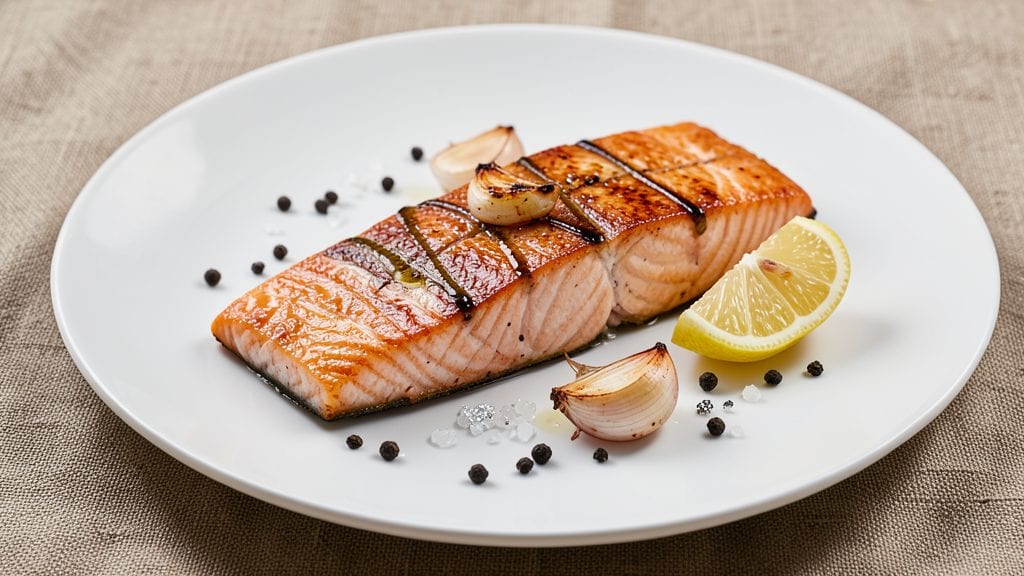
Perfectly baked salmon for one doesn’t mean sacrificing flavor or presentation—this lemon-garlic crisp delivers restaurant-quality results with minimal effort. The key lies in a crispy skin, tender flesh, and a bright, aromatic finish that transforms a single serving into a satisfying meal.
I’ve tested this recipe countless times to ensure it’s foolproof, whether you’re cooking for yourself or scaling up for two.
What sets this recipe apart is its simplicity and precision: a single fillet baked at 400°F for just 12-15 minutes ensures perfect doneness every time, while a lemon-garlic crust adds depth without overpowering the natural flavor of the fish.
The method also minimizes waste—no trimming, no leftovers—just a beautifully plated dish that feels special without the fuss.
By the time you pull it from the oven, you’ll have salmon with a golden, crispy skin and flaky, moist flesh, all infused with zesty lemon and aromatic garlic.
The aroma alone will make your kitchen feel like a cozy seaside bistro, and the bright, tangy notes cut through the richness of the fish for a balanced bite. This is the kind of meal that feels indulgent yet effortless.
Pair it with a simple side of roasted asparagus or a bed of quinoa to round out the plate, or keep it light with a squeeze of fresh lemon and a sprinkle of chopped parsley.
The recipe scales effortlessly if you’re feeding more, but the technique remains the same—no adjustments needed. Let’s get started on a dish that proves single-serving meals can be just as impressive as a full spread.
Ingredients for baked salmon for one
Nine essential ingredients create restaurant-quality salmon for two with perfect crispy skin and zesty flavor.
| Ingredient | Amount | Notes |
|---|---|---|
| Center-Cut Salmon Fillet 🐟 | 6 oz | Skin-on, boneless, even thickness |
| Extra-Virgin Olive Oil 🫒 | 1 tbsp | High-quality, light fruity flavor |
| Fresh Lemon Juice 🍋 | 1 tbsp | From 1 medium lemon, freshly squeezed |
| Garlic Cloves 🧄 | 2 cloves | Minced, fresh for maximum aroma |
| Diamond Crystal Kosher Salt 🧂 | ½ tsp | Fine grain, for even seasoning |
| Ground Black Pepper 🌶️ | ¼ tsp | Freshly ground for best flavor |
| Fresh Parsley 🌿 | 2 tbsp | Chopped, for garnish and aroma |
| Lemon Zest 🍋 | 1 tsp | From same lemon as juice |
| Unsalted Butter 🧈 | ½ tbsp | Cold, for crispy skin |
The salmon fillet is everything here. Center-cut ensures even cooking, and skin-on guarantees that crispy texture everyone loves. Look for fillets that are even in thickness—about 1-inch thick—so they cook uniformly. Whole Foods or Trader Joe's often carry high-quality, sustainably sourced salmon fillets perfect for this recipe. If you can't find center-cut, ask your fishmonger to trim it for you. The difference in texture is worth the extra minute. For best results, use the fillet within 2 days of purchase to ensure maximum freshness.
No extra-virgin olive oil? Light olive oil works in a pinch, but the flavor won't be as bright. Fresh garlic is non-negotiable here—jarred minced garlic lacks the aromatic punch. Short on lemon? Lime juice can substitute, but the flavor profile shifts slightly. The butter should be cold and cut into small pieces for even melting and maximum crispiness. For a dairy-free option, use avocado oil instead of butter, but the skin won't be as crispy. The parsley adds freshness, but if you're out, chopped chives work beautifully too.
This recipe reheats beautifully—just 20 seconds in the microwave with a damp paper towel—but honestly, it's best served fresh. Store leftovers in an airtight container in the fridge for up to 2 days. The crispy skin softens when reheated, but the flavor remains vibrant. For meal prep, consider baking an extra fillet and freezing it—just thaw and reheat when ready. The lemon zest and juice can be prepped ahead and stored in an airtight container in the fridge for 3 days, making assembly a breeze.
Why You'll Love This Recipe
- 20-Minute Magic: I swear by this—no chopping, no fuss. Just a fillet, a drizzle of olive oil, crushed garlic, and a squeeze of lemon. Honestly, I’ve made it while scrolling through my phone, and it still comes out perfect.
- Crispy-Creamy Payoff: That golden edge on the outside? The tender, buttery center? It’s all in the salt and the high heat. The lemon ties it together like a perfect hug—bright, fresh, and impossible to resist.
- Lunch or Dinner Fix: Between us, this is my go-to when I’m craving something special but don’t want to slave away. Pack it for work—it stays fresh for days—and it’s just as impressive on a date night as it is for a solo Sunday.
- No-Waste, Budget Win: A single fillet feeds one, but the leftovers? They’re even better the next day. I’ll be real: I’ve reheated this cold salmon straight from the fridge, and it’s still the star of my sad desk lunch. Plus, kosher salt and olive oil stretch my grocery budget without sacrificing flavor.
Step-by-step instructions for lemon-garlic baked salmon
This method delivers perfectly crispy skin and tender flesh with minimal prep and no waste.
Prepare the Salmon for Optimal Crispiness
Pat the 6 oz center-cut salmon fillet completely dry with paper towels, focusing especially on the skin side. Any moisture left on the surface will prevent proper browning. Place the fillet on a cutting board with the skin-side down—this ensures the crispy skin forms on top where you want it.
Rub the skin side generously with the 0.5 tbsp unsalted butter, working it into the surface in small circular motions. This butter layer creates the golden crust while keeping the delicate flesh moist. Sprinkle evenly with the 0.5 tsp diamond crystal kosher salt and 0.25 tsp ground black pepper, pressing lightly so the seasoning adheres. Let the salmon sit at room temperature for 15 minutes while you prepare the lemon-garlic topping.
Create the Lemon-Garlic Topping
In a small bowl, combine the 1 tbsp extra-virgin olive oil, 1 tbsp fresh lemon juice, 1 tsp lemon zest, and the 2 minced garlic cloves. Mix thoroughly until well incorporated. The lemon zest adds vibrant flavor while the garlic provides depth—this combination brightens the natural sweetness of the salmon.
Transfer the mixture to a small saucepan and place over medium heat. Warm gently for 1 minute until the garlic becomes fragrant but doesn't brown. Remove from heat and let cool slightly. This pre-warmed mixture will adhere better to the salmon's surface and infuse flavor more effectively.
Assemble and Bake for Perfect Texture
Preheat your oven to 425°F. Line a baking sheet with parchment paper and arrange the seasoned salmon fillet skin-side down on the center. Spoon the lemon-garlic mixture evenly over the flesh side, spreading it to the edges but avoiding the skin. This ensures maximum flavor contact without interfering with the crispy skin formation.
Bake for 12-14 minutes until the skin turns golden brown and crispy while the flesh reaches 145°F internally. You'll know it's done when the skin releases easily from the parchment paper and the edges begin to pull away slightly. The lemon aroma will fill your kitchen—this is your signal that the salmon is nearly perfect.
Garnish and Serve Immediately
Remove the salmon from the oven and transfer it to a serving plate. Immediately sprinkle with the 2 tbsp chopped fresh parsley, pressing gently so it sticks to the surface. The parsley adds freshness and visual appeal while the residual heat helps it wilt slightly for better adhesion.
Let the salmon rest for 2-3 minutes before serving. This brief resting period allows the juices to redistribute throughout the flesh, ensuring each bite remains moist and flavorful. The crispy skin should hold its shape while the flesh flakes easily with a fork. Serve immediately with your choice of sides to enjoy the perfect balance of textures and flavors.
Pro Tips For Making Baked Salmon For One
- Dry the Salmon First: Pat that fillet thoroughly—no wet spots—with paper towels before adding oil. I learned this the hard way: a damp skin won’t crisp, and you’ll end up with sad, steamed salmon instead of golden, flaky perfection.
- Use 425°F for Crispy Skin: Preheat your oven to 425°F and let the salmon sit on the middle rack for the first 10 minutes. After burning three batches at 375°F, I finally realized salmon needs high heat to develop that crispy skin before you lower the temp to finish cooking.
- Slice the Garlic Thin: Mince those cloves into paper-thin slivers instead of rough chunks. Thinner garlic blends better with the oil and lemon, giving you that bright, aromatic punch without overpowering the delicate salmon flavor—no one wants garlic chunks in their bite.
- Rest Under Foil for 5 Minutes: After pulling the salmon from the oven, tent it loosely with foil and let it rest. I know, I know—you’re hungry—but skipping this step means flaky, falling-apart fish. Give it those 5 minutes, and every slice will hold together like it should.
Storing and reheating your leftovers
Refrigerator Storage
Store any leftovers in an airtight container with a splash of lemon juice to keep the salmon fresh and bright. Place the container in the fridge at 40°F or below—this recipe holds up beautifully for up to 2 days.
The crispy skin will soften slightly when reheated, but the flavor remains vibrant. I always store the parsley separately to keep it fresh for garnishing later. 💡
Freezer-Friendly Prep
For longer storage, freeze the baked salmon in a single layer on a parchment-lined tray for 1 hour to prevent sticking. Transfer to a ziplock freezer bag with 1 inch of headspace and label with the date.
It stays delicious for up to 3 months. Thaw overnight in the fridge before reheating—never microwave from frozen. 🧊
Microwave Reheating
For quick meals, place a portion on a microwave-safe plate with a damp paper towel over it. Heat on 70% power for 20-30 seconds, then let it rest for 1 minute.
The salmon should reach 145°F internally. Add a squeeze of fresh lemon juice to revive the brightness. This method works best for single servings. ⏱️
Oven Refresh Method
For restaurant-quality reheating, preheat the oven to 375°F. Place the salmon on a baking sheet with 1 tsp olive oil and bake for 8-10 minutes.
The skin will rec crisp slightly, and the flavors will be even more pronounced. This is my go-to method when I have extra time. 🔥
Lemon Juice Revival
If your reheated salmon tastes slightly flat, revive it with a drizzle of fresh lemon juice and a sprinkle of flaky sea salt. The acidity cuts through any dullness, restoring that bright, zesty flavor.
I also add a pinch of red pepper flakes for a subtle kick. This trick works wonders for both fridge and freezer-reheated salmon. 🌶️
Portion Control Tips
When baking for one, divide the lemon-garlic mixture evenly to ensure each serving gets the same flavor boost. Use parchment paper squares to portion sides like quinoa or asparagus, making assembly a breeze.
Store components separately in small airtight containers to maintain texture and freshness. This keeps everything organized for quick reheating. 📦
Nutrition facts
Frequently asked questions
Can I use frozen salmon for this recipe?
Fresh salmon works best for this method, but you can use frozen if thawed properly. Place the fillet in the fridge overnight for even thawing, then pat it completely dry before seasoning. Never thaw at room temperature, as this promotes bacterial growth. The texture may be slightly less crispy than fresh, but the flavor remains excellent.
What's the best way to check if the salmon is done?
Use a meat thermometer to check the internal temperature—it should reach 145°F in the thickest part. The skin will turn golden brown and crispy, while the flesh should flake easily with a fork. If you don't have a thermometer, look for opaque, milky-white flesh that separates cleanly from the skin. Overcooking by even 1 minute can make the salmon dry.
Can I bake this salmon at a lower temperature?
Yes, but it requires more time. For a 375°F oven, bake for 18-20 minutes instead. The skin won't be as crispy, but the flesh will stay moist. If you prefer a lower temp, use a wire rack on your baking sheet to allow air circulation for better browning. The lemon-garlic topping will still infuse flavor, just with a slightly softer skin texture.
What are the best sides to pair with this recipe?
Light, fresh sides complement this dish perfectly. Try roasted asparagus with lemon zest, fluffy quinoa with herbs, or a simple arugula salad with balsamic glaze. For heartier meals, add roasted sweet potatoes or a small portion of wild rice. The bright acidity of the salmon pairs especially well with earthy, vegetable-based sides.
Why did my salmon skin not get crispy?
Most likely, moisture was the culprit. Make sure to pat the skin completely dry before seasoning, and avoid placing the salmon on a wet baking sheet. Also, ensure the oven is fully preheated to 425°F—cold spots prevent proper browning. For extra crispiness, chill the salmon for 15 minutes before baking to firm up the flesh.