Main Courses
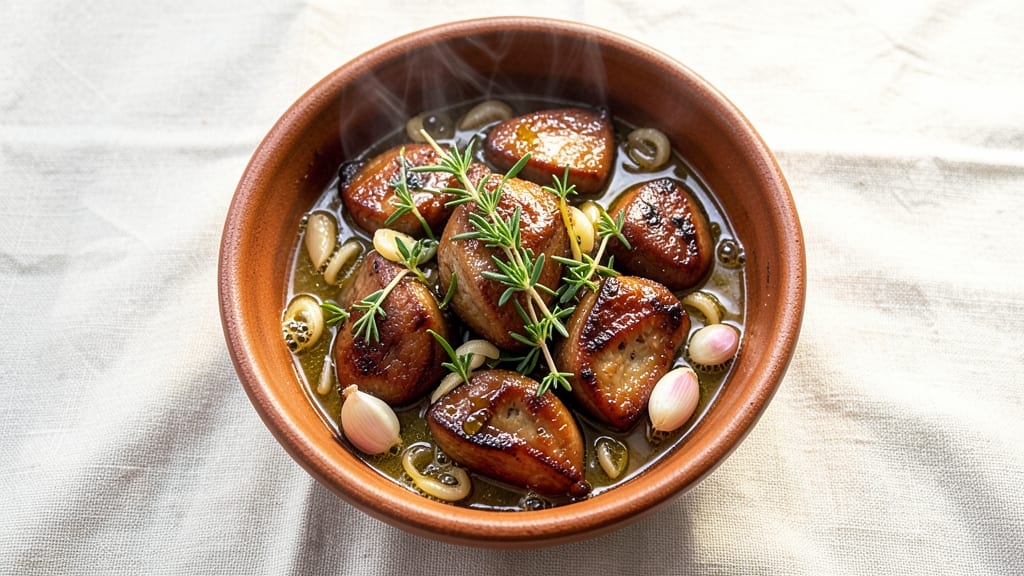
This baked chicken livers recipe delivers a luxurious balance of rich umami crust and buttery interiors that elevate any dinner table. After years of experimenting with offal dishes, I’ve perfected a method that transforms these often intimidating ingredients into a restaurant-worthy main course—tender, flavorful, and impossible to resist.
The secret lies in precise preparation and a French-inspired butter-basting technique that ensures perfect doneness every time.
What sets this recipe apart is the simple yet transformative process—no complicated steps, just careful cleaning, marinating, and baking at the right temperature to achieve that signature caramelized exterior.
Unlike traditional recipes that rely solely on salt and pepper, I incorporate aromatic herbs and a touch of sweetness to enhance the natural depth of the livers. This approach makes them approachable for home cooks while delivering professional results.
The outcome is a dish that’s deeply savory, slightly crisp at the edges, and velvety inside, with a golden crust that’s impossible to ignore.
Served with a drizzle of pan juices or a bright lemon wedge, these livers become the star of the meal—rich enough to stand alone but versatile enough to pair with roasted potatoes, crusty bread, or a simple green salad. The transformation from raw to restaurant-quality is nothing short of remarkable.
Whether you’re preparing for a special occasion or simply craving something bold, this recipe proves that chicken livers can be foolproof, flavorful, and utterly satisfying. The method is designed to build confidence, so even those new to offal cooking will achieve impressive results.
Let’s get started on creating a dish that’s equal parts elegant and approachable.
Ingredients for baked chicken livers
The foundation of restaurant-quality chicken livers: premium proteins paired with aromatic fats and herbs.
| Ingredient | Amount | Notes |
|---|---|---|
| Fresh Chicken Livers 🍗 | 1 ½ lb | Trimmed of connective tissue |
| Unsalted Butter 🧈 | ½ cup | Cold, cubed for basting |
| Extra-Virgin Olive Oil 🫒 | 2 tbsp | For searing and basting |
| Shallots 🧅 | 3 whole | Finely minced for marinade |
| Garlic Cloves 🧄 | 4 cloves | Minced for aromatic depth |
| Fresh Thyme Leaves 🌿 | 1 tbsp | Chopped from sprigs |
| Fresh Rosemary 🌿 | 1 tbsp | Finely chopped sprigs |
| Diamond Crystal Kosher Salt 🧂 | 1 ½ tsp | For seasoning and crust |
| Freshly Ground Black Pepper 🌶️ | ½ tsp | Cracked over livers |
| Honey 🍯 | 1 tbsp | For subtle sweetness |
| Lemon Zest 🍋 | 1 tsp | Brightens final flavor |
| Fresh Parsley 🌿 | 2 tbsp | Chopped for garnish |
| All-Purpose Flour 🌾 | 2 tbsp | For dredging |
The quality of chicken livers makes all the difference. Fresh, organic livers from a trusted butcher—like those at Whole Foods Market or D'Artagnan—ensure optimal texture and flavor. Look for vibrant red color and minimal connective tissue. If using frozen, thaw overnight in the refrigerator. The butter should be European-style unsalted (like Plugrá or Kerrygold) for superior flavor. Fresh herbs are non-negotiable here—their bright notes cut through the richness. Store livers in an airtight container with a paper towel to absorb any moisture, and use within 2 days of purchase for peak freshness.
No fresh thyme? Dried thyme at one-third the amount works in a pinch, though fresh is ideal. Substitute shallots with 1/4 cup finely minced red onion if unavailable. For a deeper umami profile, add 1 tsp fish sauce to the marinade. The honey can be swapped for 1 tbsp maple syrup for a different sweetness profile. If you're concerned about the texture of chicken livers, soaking them in 1 cup cold milk for 30 minutes before cooking helps tenderize. For extra crispiness, use cornstarch instead of flour for dredging. The lemon zest is crucial—it balances the richness and adds a bright finish that elevates the dish.
Prepped livers can be refrigerated in an airtight container for up to 12 hours before baking, though they're best cooked fresh. The marinade ingredients keep well in the fridge for 3 days or frozen for 3 months. Once baked, these livers reheat beautifully—place them in a 350°F oven for 5-7 minutes to restore their crisp edges. For meal prep, portion the baked livers into glass containers with a drizzle of reserved pan juices to maintain moisture. The crust will soften slightly but remains flavorful. Store leftovers for up to 3 days in the refrigerator.
Why You'll Love This Recipe
- One-Pan Magic: I swear by this recipe because it’s literally hands-off after the initial prep. Just toss the livers with butter, olive oil, and shallots on a sheet pan, then let the oven do the work—no flipping, no fussing, no extra pots.
- Rich, Earthy Depth: That combo of caramelized shallots and garlic cloves? It turns simple chicken livers into something ridiculously flavorful. The butter keeps them moist while the olive oil adds a bright finish—every bite has that perfect balance of savory and umami.
- Weeknight or Weekend: Honestly, this recipe works for any meal. Need a quick weeknight dinner? Done. Hosting a dinner party? It’s impressive but still easy. Even my picky husband devours these—no complaints, just seconds.
- Budget-Friendly Luxury: Chicken livers are cheap, but they feel like a fancy ingredient. A single panful stretches easily for leftovers, and the flavors only get better reheated. Plus, using butter and olive oil makes it taste like you splurged—without the price tag.
Step-by-step instructions for baked chicken livers with buttery crust
This method transforms delicate chicken livers into restaurant-quality bites with crisp exteriors and velvety interiors.
Prepare the Livers and Marinade
Rinse the 1.5 lb fresh chicken livers under cold water and pat them completely dry with paper towels. Remove any connective tissue or silver skin using a sharp knife—this ensures tender results. In a medium bowl, combine the 3 whole shallots and 4 cloves garlic cloves until finely minced. Add the 1 tablespoon fresh thyme leaves, 1 tablespoon fresh rosemary, 1 tablespoon honey, and 1 teaspoon lemon zest. Mix well to create the marinade.
Transfer the livers to a resealable plastic bag and pour the marinade over them. Gently massage the mixture into the livers, ensuring even coating. Let them marinate in the refrigerator for at least 30 minutes, though I prefer 1 hour for maximum flavor penetration. This step develops the deep umami character that makes these livers exceptional.
Dredge and Sear the Livers
Preheat your oven to 425°F. In a small bowl, mix the 2 tablespoons all-purpose flour with 1.5 teaspoons diamond crystal kosher salt and 0.5 teaspoon freshly ground black pepper. Remove the livers from the marinade (reserve the marinade for basting) and dredge each piece in the flour mixture, pressing gently to adhere. Shake off any excess flour.
Heat 1 tablespoon of the extra-virgin olive oil in an oven-safe skillet over medium-high heat. Add half of the dredged livers in a single layer, allowing them to sear undisturbed for 2-3 minutes until golden brown on one side. Flip carefully and sear the other side for another 2-3 minutes. Transfer the seared livers to a plate and repeat with the remaining livers, adding more olive oil if needed. This initial searing creates the foundational crust that will develop further in the oven.
Bake to Perfect Doneness
Return the skillet to the stovetop and add the 0.5 cup unsalted butter, allowing it to melt and foam. Pour in the reserved marinade and scrape up any browned bits from the bottom of the pan. Transfer the skillet to the preheated oven and bake for 8-10 minutes until the livers reach an internal temperature of 145°F when measured with an instant-read thermometer.
During baking, baste the livers with the buttery marinade every 3-4 minutes to maintain moisture and enhance browning. The livers should emerge with a deep golden crust and juicy, tender interiors. If the butter begins to brown too quickly, reduce the oven temperature to 375°F for the final 2 minutes to prevent burning. This careful temperature management ensures perfect results every time.
Finish and Garnish
Remove the skillet from the oven and let the livers rest for 2-3 minutes. This brief resting period allows the juices to redistribute, preventing them from running out when served. Transfer the livers to a serving platter and drizzle generously with the buttery pan sauce. Garnish with the 2 tablespoons chopped fresh parsley for a pop of color and freshness.
Serve immediately while the livers are piping hot. The contrast of crispy exterior and buttery interior creates a luxurious texture experience. Pair with crusty bread to soak up the rich sauce or serve alongside roasted vegetables for a complete meal. The balance of sweet honey, bright lemon zest, and savory herbs makes each bite unforgettable.
Pro Tips For Making Baked Chicken Livers
- Trim the Gall Bladder: DESCRIPTION: Chicken livers come with a tiny green sac—don’t leave it in. It’s bitter and can ruin the whole batch, so snip it off before rinsing. I learned this the hard way after eating a batch that tasted like someone dumped grass clippings in the pan.
- Sear in Batches: DESCRIPTION: High heat. Seriously, crank it up for that crust. But don’t overcrowd the pan—cook them in 2-3 batches if needed. Rushing this step makes them steam instead of brown, and no one wants mushy livers.
- Soak in Milk First: DESCRIPTION: Toss the cleaned livers in cold milk for 30 minutes—it mellows the iron taste and keeps them from turning to rubber. Skip this, and you’ll end up with a dish that tastes like a metal spoon.
- Deglaze with Wine: DESCRIPTION: After searing, splash in a splash of dry white wine (or even a splash of water) to scrape up those browned bits. It’s the difference between a pan sauce and just a sad pool of grease. My grandmother swore by this, and she was right.
Dietary considerations for this baked chicken livers
Gluten-Free Adaptations
Chicken livers naturally contain no gluten, but the flour dredge in this recipe needs adjustment for gluten-free diets. Replace the 2 tablespoons all-purpose flour with 2 tablespoons gluten-free flour blend (like King Arthur Measure for Measure) or 2 tablespoons cornstarch for an equally crisp coating.
The cornstarch option creates a slightly lighter crust while maintaining texture. 🌾
Low-Carb/Keto Options
For a keto-friendly version, skip the flour entirely and use 1 tablespoon finely ground almond flour mixed with 1 teaspoon psyllium husk powder for binding. The almond flour adds a subtle nutty depth while keeping carbs minimal.
Alternatively, simply sear the livers without dredging—they'll still develop a beautiful crust from the butter basting.
Allergy Considerations
This recipe is naturally dairy-free if you omit the butter, but the original method relies on it for that signature rich flavor. For dairy-free cooks, substitute the butter with ½ cup olive oil (same quantity) or ½ cup dairy-free margarine (like Miyoko's).
The olive oil option works especially well with the lemon zest and herbs, providing a bright, fruity contrast.
Vegetarian Substitutes
While chicken livers aren't vegetarian, you can create a similar texture experience using mushroom medley (like shiitake and cremini) or hearts of palm. Slice mushrooms into ¼-inch thick pieces, marinate in the same herb mixture, and follow the same baking method.
The hearts of palm option mimics the liver's tender texture particularly well when cooked to 145°F internal temperature.
Protein-Packed Modifications
For those seeking extra protein without changing the core recipe, add ½ cup cooked quinoa to the marinade or serve alongside 2 scrambled eggs per person. The eggs complement the rich livers beautifully while adding a complete protein profile.
Another option is to include ¼ cup crumbled feta cheese in the final presentation for a salty, tangy contrast.
Child-Friendly Adjustments
Children often find chicken livers intimidating due to their strong flavor. To make them more approachable, reduce the honey to ½ tablespoon and add 1 teaspoon maple syrup instead. The sweeter profile helps balance the umami, while still delivering the same cooking technique.
Serve with a familiar side like mashed sweet potatoes or apple slices to ease them into the dish.
Nutrition facts
Frequently asked questions
Why do chicken livers need to be cleaned before cooking?
Cleaning removes connective tissue and blood vessels that can make them tough or bitter. Trim the silver skin and any fibrous bits—this step ensures a silky texture. Pat them completely dry afterward to help the marinade adhere properly and prevent steaming instead of browning.
Can I use frozen chicken livers in this recipe?
Yes, but thaw them overnight in the refrigerator first. Never use cold livers straight from the freezer—they won't cook evenly. If short on time, submerge the sealed package in cold water for 1 hour while changing the water every 15 minutes to speed up thawing.
What's the best way to reheat leftover baked chicken livers?
Place them in a 350°F oven for 5-7 minutes on a wire rack to restore crispiness. Avoid microwaving—it turns the crust soggy. For extra flavor, drizzle with a little olive oil and fresh herbs before reheating to revive the golden crust.
How do I know when chicken livers are fully cooked?
Use an instant-read thermometer to check for 145°F internal temperature. The edges should be golden brown, and the center should be just opaque—not pink. Overcooking makes them dry, so remove them when they reach 140°F and let them carry over to 145°F while resting.
What if my chicken livers turn out too bitter?
Bitterness usually comes from overcooking or using old livers. Next time, cook to 145°F exactly and use fresh, high-quality livers. Soaking them in 1 cup cold milk for 30 minutes before cooking also helps remove impurities and mellow the flavor.