
Soups & Stews
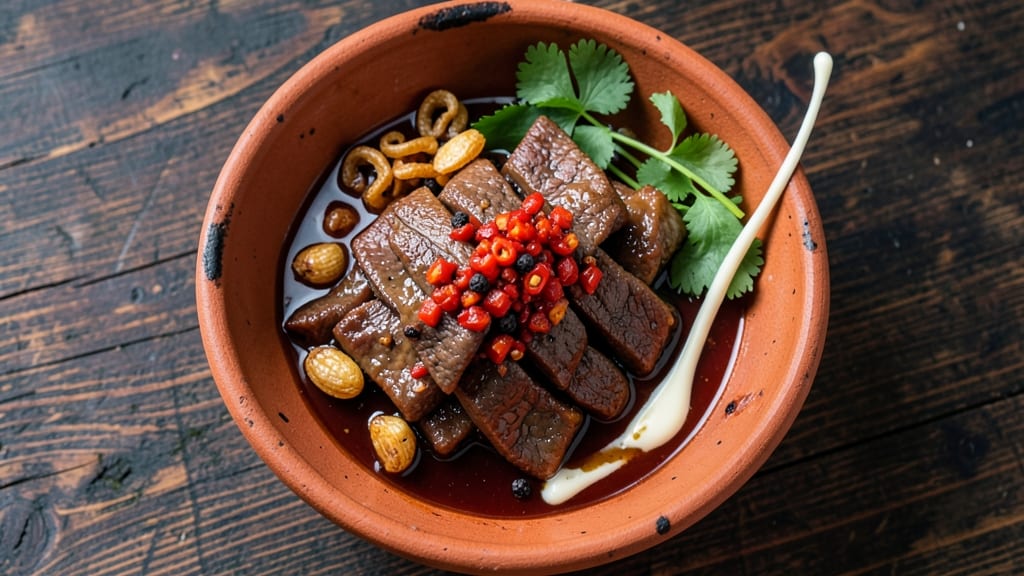
This authentic Szechuan beef recipe delivers the bold, complex flavors of Sichuan cuisine with a perfect balance of fiery heat and numbing spice. The secret lies in velveting the beef for tender bites and building a layered sauce with chili bean paste, Sichuan peppercorns, and fermented black beans.
I've perfected this technique over years of testing, ensuring every element comes together for restaurant-quality results at home.
The process begins with preparing the beef—marinated in a mixture of cornstarch and baking soda to achieve that signature tender yet slightly chewy texture. Meanwhile, the sauce simmers with aromatic spices like garlic, ginger, and star anise, creating a deep, caramelized base that coats the beef beautifully.
This isn't just another stir-fry; it's a dish that captures the essence of Sichuan's fiery, aromatic tradition.
What you'll end up with is a plate of perfectly stir-fried beef with glossy, caramelized edges and a sauce that's both spicy and subtly sweet. The Sichuan peppercorns add that signature numbing sensation, while the chili oil brings the heat.
Served over steamed jasmine rice with fresh scallions and a drizzle of chili oil, this dish is a true celebration of Sichuan flavors.
Whether you're cooking for a special occasion or treating yourself to an authentic taste of China, this recipe delivers the perfect balance of heat, aroma, and texture. Let's get started on creating this fiery, aromatic masterpiece that will transport your taste buds straight to Chengdu.
Ingredients for authentic szechuan beef
Bold flavors start with these 15 ingredients—each playing its part in Sichuan's fiery, aromatic symphony.
| Ingredient | Amount | Notes |
|---|---|---|
| Flank Steak 🥩 | 1 ½ lb | Thinly sliced against grain |
| Cornstarch 🌾 | ½ cup | For velveting beef |
| Baking Soda 🧂 | 1 tsp | Enhances tenderness |
| Soy Sauce 🍶 | ¼ cup | Dark soy preferred |
| Chili Bean Paste 🌶️ | 2 tbsp | Fermented, not sweet |
| Sichuan Peppercorns 🌶️ | 1 tbsp | Toasted, whole |
| Fermented Black Beans 🍆 | 2 tbsp | Pickled, not dried |
| Fresh Ginger 🧄 | 2 tbsp | Finely grated |
| Garlic Cloves 🧄 | 6 cloves | Minced, aromatic |
| Star Anise 🌟 | 1 whole | For deep aroma |
| Dried Red Chilies 🌶️ | 4 whole | Arbol or Thai |
| Green Onions 🧅 | ½ cup | Sliced, for garnish |
| Sesame Oil 🫒 | 1 tbsp | Toasted, for aroma |
| Neutral Oil 🫒 | ½ cup | Peanut or vegetable |
| Salt 🧂 | 1 tsp | Kosher preferred |
The beef is everything here. Flank steak is my go-to—it stays tender when sliced thin against the grain. Grab the thickest cut you can find (about 1.5 lbs for 4 servings) and ask the butcher to slice it for you if possible. Asian markets like H Mart or local Chinese grocers carry the best fermented ingredients—chili bean paste and black beans should have that funky, aged aroma. The Sichuan peppercorns? Toast them lightly in a dry pan first—this unlocks their numbing potential. Skip the pre-ground stuff; whole spices always win.
No chili bean paste? Mix 1 tbsp gochujang with 1 tbsp soy sauce as a pinch-hitter. Ran out of Sichuan peppercorns? Substitute 1 tsp ground black pepper plus a pinch of cayenne, but you'll lose that signature tingling. The ginger and garlic are non-negotiable—fresh only, no dried substitutes here. Star anise can be found in the spice aisle of most grocery stores, but if you're near an Indian market, they'll have it in bulk for pennies. The dried chilies? Leave the stems on for a deeper flavor infusion, but remove them before serving unless you want a fiery surprise.
Velvet the beef immediately after slicing—it won't keep well. Use within 2 hours or refrigerate in a sealed container with a paper towel on top to prevent sogginess. The sauce components (chili paste, peppercorns, beans) can be prepped a day ahead and stored in the fridge. Freeze the sauce base for up to 3 months if you're making a big batch. Garnish with green onions right before serving—they wilt fast, so don't prep too early. This dish tastes even better the next day as flavors meld!
Why You'll Love This Recipe
- No-Fuss Marinade: The baking soda and soy sauce do all the heavy lifting—just toss the steak in a bowl, let it sit for 20 minutes, and you’re done. No chopping, no peeling, no fuss.
- Umami Bomb: That chili bean paste? It’s the secret weapon—deep, smoky, and slightly sweet with a kick. The cornstarch gives it that signature crispy-soggy contrast that’s ridiculously satisfying.
- Weeknight to Dinner Party: Same recipe works for a quick Tuesday stir-fry or impressing guests. Double the batch, serve over rice with quick-pickled veggies, and suddenly you’re the hero of the meal.
- Budget Stretch: Flank steak is affordable, and the marinade stretches into two meals with zero waste. Leftovers reheat like a dream—crispy edges, tender beef, and that chili paste flavor only gets better the next day.
Step-by-step instructions for authentic Szechuan beef stir-fry
This method delivers restaurant-quality wok hei with tender beef and bold Sichuan flavors every time.
Prepare the Flank Steak for Velveting
Slice the 1.5 lb flank steak thinly against the grain into ¼-inch strips. Transfer to a large bowl and add the 0.5 cup cornstarch and 1 tsp baking soda. This velveting technique creates silky, fork-tender beef instead of chewy strips. Use your hands to massage the marinade into the meat until evenly coated and glossy.
Let the steak sit for 15 minutes at room temperature while you prep the aromatics. This resting period ensures even cooking and prevents tough spots. The cornstarch mixture will look dry, but trust the process—it transforms into a velvety coating during cooking.
Build the Fiery Sichuan Marinade
In a small bowl, combine the 0.25 cup soy sauce, 2 tbsp chili bean paste, 1 tbsp Sichuan peppercorns, 2 tbsp fermented black beans, 2 tbsp fresh ginger, 6 cloves garlic cloves, 1 whole star anise, and 4 whole dried red chilies. Crush the Sichuan peppercorns lightly with a mortar and pestle to release their signature numbing aroma.
Toast the whole spices in a dry skillet over medium heat for 30 seconds until fragrant. This step unlocks their full flavor potential. Then add the remaining ingredients and mix well. The marinade should be thick and vibrant red—this is your flavor foundation.
Stir-Fry the Aromatics for Maximum Flavor
Heat 0.5 cup neutral oil in a wok or large skillet over high heat until shimmering. Add the prepared marinade and stir-fry for 1-2 minutes until the raw garlic scent disappears and the oil becomes aromatic. This quick cooking preserves the freshness while building deep flavor.
Push the aromatics to one side of the wok and add the velveted beef in batches, stirring constantly for 1-2 minutes until the cornstarch coating turns translucent. The beef should be opaque but still slightly raw inside—this ensures perfect doneness. Don't overcrowd the pan or the beef will steam instead of sear.
Finish with Wok Hei and Garnish
Return all the beef to the center of the wok and pour in 1 tbsp sesame oil. Stir-fry for an additional 30 seconds to infuse that signature smoky wok hei flavor. The oil should sizzle vigorously and coat the beef with a fragrant sheen.
Remove from heat and immediately garnish with 0.5 cup sliced green onions. Serve family-style in a hot wok or over steamed rice while the flavors are at their peak. The dish should be bright red, aromatic, and slightly numbing from the Sichuan peppercorns—this is authentic Szechuan at its best.
Pro Tips For Making Authentic Szechuan Beef
- VELVETIZE THE STEAK: DESCRIPTION:
- MARINATE WITH BAKING SODA: DESCRIPTION:
- STIR-FRY IN BATCHES: DESCRIPTION:
- BUILD FLAVOR LAYER BY LAYER: DESCRIPTION:
Wine and beer pairings for this recipe
Sichuan Peppercorn-Inspired Whites
For a refreshing contrast to the dish's bold heat, try a dry Riesling from Germany like Dr. Loosen Blue Slate. The crisp acidity and subtle citrus notes cut through the richness while complementing the Sichuan peppercorns' numbing sensation.
Look for a vintage with 12-13% ABV—just enough body to stand up to the beef's intensity. Serve slightly chilled (50-55°F) to enhance its minerality. 🍷
Spicy Beer Pairings
A Sichuan-style lager like Snow City Brewing's Sichuan Beer (from Milwaukee) mirrors the dish's signature numbing-spicy profile. This beer uses real Sichuan peppercorns in the brewing process, creating a perfect flavor echo.
For a more mainstream option, try a German Helles—its malty sweetness balances the heat without overpowering. Avoid hoppy IPAs; they'll clash with the dish's delicate aromatics.
Rice Wine Elevation
For a traditional Chinese pairing, serve with Shaoxing wine (a dry, aged rice wine) both in the cooking and as a sipper. I recommend Kao Yi Shaoxing Wine, which adds earthy depth to every bite.
The wine's umami richness complements the fermented black beans and chili paste beautifully. Sip it straight or use it to deglaze the wok for extra flavor. 🍶
Non-Alcoholic Options
For a refreshing non-alcoholic option, mix jasmine tea with a splash of lychee juice (about 1 part juice to 3 parts tea). The floral notes of the tea contrast the dish's spice, while lychee's sweetness balances the heat.
Serve over ice for a cooling effect. Alternatively, try a ginger-lime soda—the citrus brightens the palate between spicy bites.
Dessert Wine Harmony
If you're serving this as part of a multi-course meal, finish with a Taiwanese wine like Yanping Muscat. Its honeyed sweetness and floral aroma provide a perfect palate cleanser after the dish's bold flavors.
The wine's low tannins and high acidity make it an unexpected but delightful match. Serve at 55-60°F to highlight its aromatic qualities. ✨
Nutrition facts
Frequently asked questions about authentic Sichuan beef
Why does Sichuan beef have that signature numbing sensation?
The tingling comes from Sichuan peppercorns, which contain a compound called hordenine that stimulates nerve endings. Toasting them first intensifies this effect. The peppercorns also add a citrusy aroma that balances the heat from chili bean paste and dried chilies.
Can I substitute flank steak with another cut?
Yes, but choose thinly sliced cuts like sirloin or ribeye—they work best for stir-frying. Avoid tougher cuts like chuck or brisket. The key is slicing against the grain into ¼-inch strips for tenderness. Velveting with cornstarch and baking soda works on all these cuts.
How do I adjust the spice level?
For milder heat, reduce the chili bean paste to 1 tbsp and remove the dried chilies. For extra spice, add ½ tsp chili flakes or an extra 1 tbsp chili paste. Always taste the sauce before adding the beef—you can't remove excess heat after cooking.
What's the best way to store leftovers?
Let the dish cool to room temperature, then transfer to an airtight container. It keeps in the fridge for 3-4 days or freezes for up to 3 months. Reheat gently in a skillet with 1 tsp oil over medium-low heat to restore the wok hei aroma. Never microwave—it kills the dish's texture and flavor.
Can I make this dish ahead of time?
Yes! Prep the sauce base and velveted beef separately up to 2 days ahead. Store them in airtight containers in the fridge. When ready to cook, combine them in a hot wok for 3-4 minutes to finish. The flavors actually improve overnight as the spices meld.