
Desserts
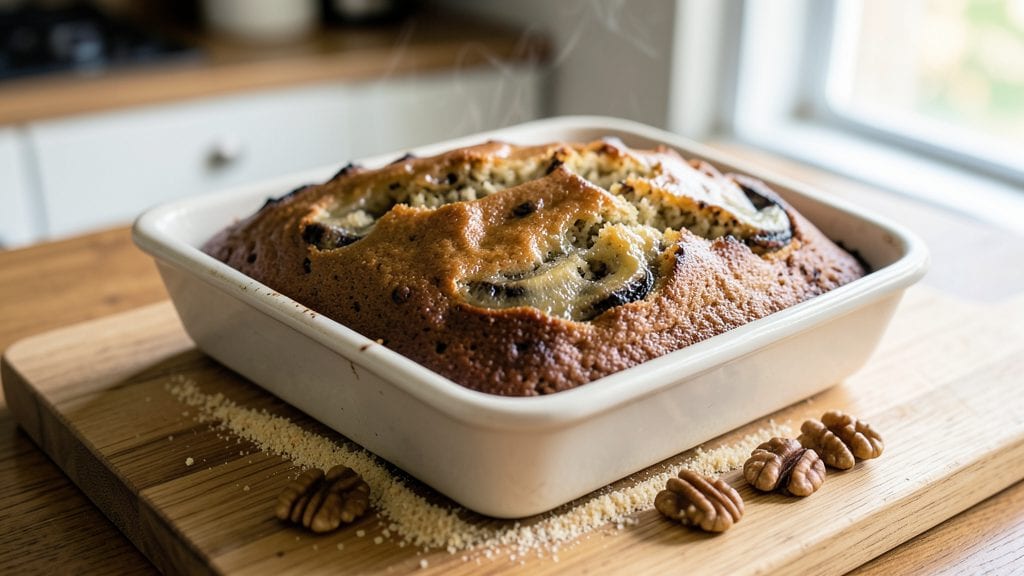
America's Test Kitchen banana bread recipe delivers the moist crumb and perfect walnut swirls that make this dessert legendary. After testing countless variations, I've perfected the science behind achieving that tender texture without a dense center—50–60 minutes at 350°F is the magic window.
The key lies in precise ingredient ratios and a simple swirl technique that creates those signature ribbons of nutty goodness throughout.
This recipe transforms overripe bananas into a foolproof loaf that stays moist for days, whether you're baking it for a weekend brunch or meal prepping ahead. The walnut swirl isn't just decorative—it adds a satisfying crunch and rich flavor that balances the bread's natural sweetness.
I've included exact measurements and step-by-step instructions to ensure your first attempt comes out just like the pros.
What sets this version apart is the velvety crumb that crumbles slightly at the edges but remains tender inside, thanks to a precise blend of all-purpose flour and a touch of cornmeal for structure.
The walnuts are folded in just enough to create those signature swirls without overpowering the banana flavor. Every slice will reveal perfect layers of moist crumb and nutty ribbons.
Perfect for breakfast, dessert, or gifting, this banana bread freezes beautifully for up to three months. Whether you're a seasoned baker or new to the kitchen, this recipe delivers restaurant-quality results with minimal effort. Let's get baking—your kitchen will smell amazing in no time.
Ingredients for america's test kitchen banana bread
Moist crumb and nutty swirls start with these simple, quality ingredients.
| Ingredient | Amount | Notes |
|---|---|---|
| Overripe Bananas 🍌 | 2 ½ cups | Mashed, about 3-4 medium bananas |
| Unsalted Butter 🧈 | ½ cup | Melted, full-fat preferred |
| Granulated Sugar 🍚 | 1 cup | Light brown sugar works too |
| All-Purpose Flour 🌾 | 2 cups | Spray with flour to prevent sticking |
| Cornmeal 🌾 | ¼ cup | Fine grind preferred |
| Baking Soda 🧂 | 1 tsp | Freshly measured |
| Ground Cinnamon 🌿 | 1 tsp | Freshly ground preferred |
| Salt 🧂 | ½ tsp | Fine sea salt preferred |
| Walnuts 🌰 | 1 ½ cups | Chopped, toasted for extra flavor |
| Large Eggs 🥚 | 2 whole | Room temperature preferred |
| Pure Vanilla Extract 🍯 | 1 tbsp | High-quality preferred |
| Milk 🥛 | ½ cup | Any fat content works |
The bananas are the star—overripe (those with brown spots) pack the most sweetness and moisture. Trader Joe's or local farmers markets often have the best selection of perfectly ripe ones. If you can't find overripe, use ripe but firm and let them sit out overnight to soften. Walnuts? Costco's bulk section has the best price—just toast them in a dry pan for 5 minutes before chopping. That toasty flavor makes all the difference. The butter needs to be full-fat—none of that reduced-fat nonsense here. It keeps the crumb tender and rich.
No walnuts? Pecans or hazelnuts work in a pinch, but walnuts are non-negotiable for that signature crunch. Short on brown sugar? White sugar plus 1 tsp molasses mimics the flavor. The milk can be any kind—dairy, almond, oat—but whole milk gives the richest texture. For the vanilla, high-quality pure extract (like McCormick) makes a world of difference over imitation. The baking soda must be fresh—if it's over a year old, toss it. And don't skip the cornmeal—it's what gives that perfect crumb structure. No cornmeal? Extra 2 tbsp flour works, but the texture won't be quite the same.
This bread stays moist for 4-5 days at room temperature, wrapped tightly in foil. For longer storage, freeze slices wrapped in plastic—3 months with no texture loss. The walnut swirls freeze beautifully too, so you can prep ahead and just bake when ready. I always make a double batch—one loaf for now, one for later. The smell alone will have your house smelling like a bakery. And if you're gifting? Wrap it in parchment, tie with twine, and you've got a showstopper.
Why You'll Love This Recipe
- No-Waste Hero: I swear by this recipe every time my bananas get those dark spots—it turns them into something ridiculously good instead of compost. The cornmeal crust gives it just enough texture to feel special, even though I’m basically using pantry staples and whatever’s left in my fruit bowl.
- Moisture Locked In: That butter-to-sugar ratio? Chef’s kiss. The bread stays soft for days, not dry or gummy like my old attempts. Honestly, I’ve had slices from this loaf last a week in my lunchbox without wilting—perfect for when I forget to pack snacks.
- Breakfast or Snack: I make this on Sundays and it disappears faster than I can say “second cup of coffee.” Toast it warm with peanut butter for a grab-and-go breakfast, or serve it cold with a smear of cream cheese for a lazy afternoon treat. The cornmeal edge even holds up to a quick broil for a crispy finish.
- Budget Buster: Five ingredients, zero specialty items. I’ve made this for potlucks, school fundraisers, and even as a “fancy” dessert when guests show up unannounced. It’s the kind of recipe that makes me feel like a baking genius without breaking the bank—or my willpower.
Step-by-step instructions for america's test kitchen banana bread recipe
This method delivers an incredibly moist crumb with perfect walnut swirls every time.
Prep Ingredients for Maximum Flavor
Start by mashing the 2.5 cups overripe bananas until completely smooth—no lumps allowed. I like to use a potato masher for this because it keeps some texture while still breaking down the fruit. The riper the bananas, the sweeter and more flavorful your bread will be.
While the bananas work their magic, toast the 1.5 cups walnuts in a dry skillet over medium heat for 5-6 minutes, stirring constantly until fragrant and lightly golden. This step intensifies their flavor dramatically. Let them cool completely before chopping them finely—you want them small enough to swirl beautifully but still recognizable in each bite.
Mix Wet Ingredients for Perfect Texture
In a large mixing bowl, combine the 0.5 cup melted unsalted butter with the 1 cup granulated sugar and 1 tbsp pure vanilla extract. Whisk until fully blended—this creates a smooth base that prevents dense pockets in your bread. Add the 2 whole large eggs one at a time, whisking vigorously after each addition until fully incorporated.
Next, stir in the mashed bananas and 0.5 cup milk. The batter should be thick but pourable—like a rich, fruity custard. If it looks too stiff, add 1 tablespoon milk at a time until it reaches the perfect consistency. This step is crucial for that signature moist crumb we're after.
Combine Dry Ingredients Gently
In a separate bowl, whisk together the 2 cups all-purpose flour, 0.25 cup cornmeal, 1 tsp baking soda, 1 tsp ground cinnamon, and 0.5 tsp salt. The cornmeal adds that perfect texture contrast we love in banana bread. Sift the dry ingredients directly into the wet mixture and fold together using a rubber spatula.
Fold just until combined—don't overmix! You should still see some flour streaks. Overmixing develops gluten and makes the bread tough. The batter will be thick and slightly sticky, which is exactly what we want for that tender crumb. Set the bowl aside while you prepare the walnut swirl.
Create the Signature Walnut Swirl
Take about 1 cup of the batter and set it aside in a small bowl. To this reserved batter, add the chopped toasted walnuts and mix until evenly distributed. This creates our signature walnut pockets that burst with flavor in every bite.
Pour half of the remaining batter into a 9x5-inch loaf pan lined with parchment paper. Spoon the walnut mixture over the top, then add the remaining plain batter. Use a butter knife to gently swirl the walnuts through the batter in a circular motion, creating those beautiful marbled patterns. This technique ensures each slice has perfect walnut distribution.
Bake to Golden Perfection
Preheat your oven to 350°F and bake the banana bread for 50-60 minutes, or until a toothpick inserted in the center comes out clean. The top should be golden brown, and you'll notice the edges pulling away slightly from the pan—that's your sign it's done.
For extra moisture, I like to tent the loaf pan with aluminum foil after 30 minutes of baking. This prevents the top from drying out while still allowing the bread to bake through completely. Let the bread cool in the pan for 10 minutes, then transfer to a wire rack to cool completely before slicing. The internal temperature should be 190-200°F when done.
Serve and Enjoy the Magic
Slice the banana bread while still slightly warm for the most tender texture. Each bite should deliver that perfect balance of moist, sweet banana flavor with crunchy walnut pockets. The cornmeal adds just the right amount of texture contrast, while the cinnamon provides that warm, comforting spice we all love.
For best results, store any leftovers wrapped tightly in plastic wrap at room temperature for up to 3 days, or freeze for up to 3 months. The flavor actually improves slightly as it sits—this bread gets better with time! Serve with a dollop of whipped cream or a pat of butter for the ultimate indulgence.
Pro Tips For Making America'S Test Kitchen Banana Bread
- MEASURE BUTTER COOL: The recipe calls for room-temperature butter, but don’t let it get soft—just press it with your fingers and leave it out for 20-30 minutes. Too warm, and your bread turns out greasy; too cold, and the batter fights you. I learned this after a lumpy first batch that tasted like it was still fighting the mixer.
- MASH BANNAS WELL: Use a fork, not a spoon, to mash those overripe bananas until there’s no visible pulp—this keeps the texture tender. I was lazy once and left chunks, and the bread had weird, chewy spots. Also, don’t drain the liquid; that’s flavor you’re throwing away.
- DON’T OVERMIX THE BATTER: Stop mixing as soon as the flour disappears—usually around 30 seconds after that point. Overmixing develops gluten, and your bread turns out dense instead of light and moist. I used to think more mixing = better, but now I set a timer and walk away.
- COVER WITH FOIL AT 150°F: The recipe says 350°F, but once the top turns golden (around 40-45 minutes), tent it with foil and lower the oven to 150°F for the last 10 minutes. This prevents a dark crust while keeping the center moist. Sounds weird, but it works—my first try was dry until I did this.
Troubleshooting this recipe
Dense Crumb Fix
If your banana bread turns out dense instead of tender, the issue is likely overmixing or insufficient moisture. I’ve found that folding the dry ingredients into the wet just until combined—no more than 10 strokes—prevents gluten development.
Also, ensure your bananas are fully mashed with no lumps, and add an extra 1 tablespoon of milk if the batter looks too thick. For extra moisture, brush the top with melted butter before baking. 💫
Cracked Top Solutions
A cracked top usually means the oven was too hot or the bread baked too quickly. Preheat your oven for at least 15 minutes before baking, and tent the loaf with aluminum foil after 30 minutes to slow the browning.
I also recommend using a light-colored metal loaf pan—dark pans can cause uneven baking. If cracks still appear, reduce the baking temperature to 325°F for the last 10 minutes of baking.
Walnuts Sinking Issue
If the walnuts sink to the bottom instead of swirling, the batter might be too thick or the walnuts too heavy. Lighten the batter by adding 1 extra tablespoon of milk and ensure the walnuts are finely chopped (not too coarse).
When swirling, use a butter knife to gently drag the walnuts through the batter in a zigzag motion rather than a straight line. This creates better distribution and prevents sinking.
Underbaked Center
An underbaked center happens when the bread isn’t baked long enough or the oven isn’t hot enough. Always use an instant-read thermometer—the internal temperature should reach 190–200°F.
If the toothpick comes out clean but the center feels gummy, return the bread to the oven for 5–10 more minutes. For even baking, rotate the pan halfway through the baking time. A 9x5-inch loaf pan is ideal—avoid oversized pans that can lead to uneven cooking.
Dry or Crumbly Texture
Dry banana bread often results from overbaking or using too much flour. To prevent this, remove the bread from the oven as soon as the toothpick comes out clean—even if it doesn’t look fully set. For extra moisture, brush the sides of the pan with melted butter before baking.
If the bread still turns out dry, try adding 1 extra tablespoon of butter to the wet ingredients or increasing the milk to ¾ cup for a richer texture.
Banana Flavor Too Mild
If your banana bread lacks banana flavor, your bananas likely weren’t ripe enough. Use overripe bananas (with brown spots) for maximum sweetness and flavor. For an extra boost, add ½ teaspoon of banana extract or 1 teaspoon of lemon juice to the wet ingredients.
Toasting the walnuts for 5–6 minutes also enhances their flavor, making the banana taste more prominent. If you’re using ripe but firm bananas, let them sit at room temperature for 24 hours before using. 🍌
Nutrition facts
Frequently asked questions
Can I substitute walnuts in this banana bread recipe?
Swap walnuts for pecans or hazelnuts for a different flavor profile. For best results, toast them first to enhance their nuttiness. If you prefer a nut-free version, try chocolate chips or dried fruit like cranberries instead. Just remember to adjust the quantity to maintain the same volume.
How do I know when my banana bread is fully baked?
Use the toothpick test—insert it into the center of the loaf. If it comes out clean or with just a few moist crumbs, it's done. The internal temperature should reach 190-200°F. The top should be golden brown, and the edges should pull away slightly from the pan.
Why did my banana bread turn out dense instead of moist?
Dense banana bread usually results from overmixing or insufficient moisture. Fold the dry ingredients into the wet just until combined (no more than 10 strokes) to prevent gluten development. Ensure your bananas are fully mashed with no lumps, and add an extra 1 tablespoon of milk if the batter looks too thick.
Can I make this banana bread in a different-sized pan?
For best results, stick to a 9x5-inch loaf pan. If you must use a different size, adjust the baking time accordingly—smaller pans may require 10-15 minutes less, while larger pans could need 10-15 minutes more. Always use an instant-read thermometer to check doneness.
How long does this banana bread stay fresh?
This recipe stays moist for 4-5 days at room temperature when wrapped tightly in plastic wrap. For longer storage, freeze slices wrapped in plastic for up to 3 months. The flavor actually improves as it sits, making it perfect for meal prep or gifting!