
Main Courses
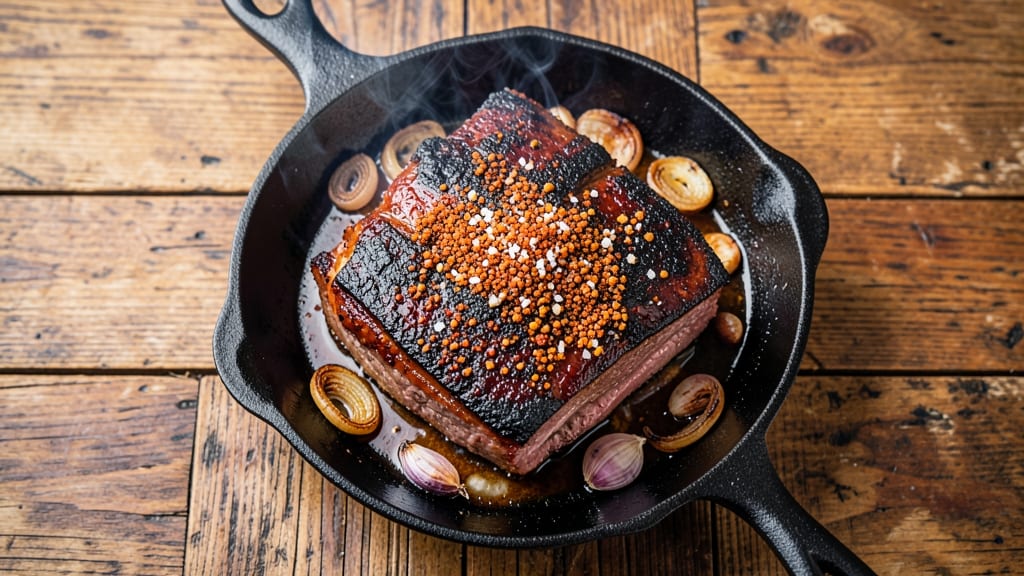
Transforming a tough cut into melt-in-your-mouth beef brisket on your Weber grill is where slow-cooked tradition meets modern precision. The key lies in mastering indirect heat and a spice-rubbed crust that locks in smoky depth while keeping the meat tender through hours of low-and-slow cooking.
I still remember the first time I achieved this balance—my family's backyard cookout where the brisket fell apart at the touch of a fork, all thanks to a well-seasoned Weber and hickory wood.
This recipe delivers restaurant-quality results with just one pan and minimal fuss, proving you don't need a smoker to create showstopping brisket. The secret is patience: letting the brisket cook until it hits 195–203°F internal temperature, where collagen breaks down into rich, velvety juices.
A simple yet bold rub of smoked paprika, garlic powder, and brown sugar forms a caramelized bark that holds up through the entire cooking process, while the Weber's even heat distribution ensures no part of the meat dries out.
By the time you slice against the grain, you'll have perfectly tender, smoky-sweet beef that practically melts on the tongue, with a crust so flavorful it deserves its own spotlight.
The aroma alone will have your guests gathering at the grill, and every bite delivers that perfect harmony of smokiness and spice. Serve with classic sides like cornbread or a tangy BBQ sauce for the full experience—this is brisket night elevated.
Whether you're grilling for a crowd or treating yourself to a weekend project, this method transforms a simple cut of beef into a centerpiece-worthy masterpiece. The techniques here translate seamlessly to other tough cuts, making this your go-to guide for Weber grill perfection.
Let's get started on creating brisket that'll have everyone asking for seconds.
Ingredients for weber grill beef brisket
Six simple ingredients transform tough brisket into Weber grill perfection—no smoker needed.
| Ingredient | Amount | Notes |
|---|---|---|
| Beef Brisket 🥩 | 4 lb | Packaged flat cut, 1/2-inch thick |
| Smoked Paprika 🌶️ | 2 tbsp | For deep smoky flavor |
| Garlic Powder 🧄 | 1 ½ tbsp | Freshly ground preferred |
| Brown Sugar 🍯 | 1 tbsp | Light or dark variety |
| Kosher Salt 🧂 | 1 ½ tbsp | Coarse grain preferred |
| Black Pepper 🌶️ | 1 tbsp | Freshly cracked |
| Onion Powder 🧅 | 1 tbsp | For subtle sweetness |
| Ground Cumin 🌿 | 1 tsp | Toasted for depth |
| Yellow Mustard 🍯 | 2 tbsp | As binder for rub |
| Beef Broth 💧 | 1 cup | Low-sodium preferred |
| Hickory Wood Chips 🌳 | 1 package | For Weber smoker box |
| Apple Cider Vinegar 🍎 | 1 tbsp | For tangy balance |
| Fresh Rosemary 🌿 | 1 sprig | For aromatic finish |
The brisket is your star, so pick a well-marbled packer cut—the fat keeps it moist. Costco or local butchers often have the best quality, but any grocery store with a meat counter will work. Look for vibrant red color and visible fat marbling. If you can't find a flat cut, a whole packer will work (just trim excess fat). For the rub, Penzeys or local spice shops carry the best smoked paprika—it's worth the extra buck for that authentic smokiness. I always double-check the thickness—1/2-inch is ideal—because thinner slices cook faster and develop that perfect bark.
No smoked paprika? Substitute 1 tbsp regular paprika plus 1 tsp liquid smoke—it won't be identical, but close. The mustard is key for sticking the rub, so don't skip it (or use Dijon mustard if you prefer). Short on hickory chips? Oak or pecan work too, but hickory gives that classic BBQ flavor. The beef broth can be bouillon powder mixed with water in a pinch. For the vinegar, balsamic works too, but apple cider adds that perfect tang. Fresh rosemary is ideal, but dried at 1/3 the amount gets you there if you're in a hurry.
This brisket tastes even better the next day—plan ahead. Wrap tightly in foil and store in the fridge for up to 4 days or freeze for 3 months. The rub keeps well in an airtight container for 3 months too, so make extra. Slice against the grain for maximum tenderness. Leftovers reheat beautifully—just add a splash of broth and cover to keep them moist. The Weber's residual heat keeps everything warm while you enjoy those first perfect slices.
Why You'll Love This Recipe
- Five-Ingredient Magic: I swear by this combo—just brisket, smoked paprika, garlic powder, brown sugar, and salt. That’s it. No fancy rubs or confusing spice blends, just pure, smoky-sweet depth that makes you wonder why you ever overcomplicated things.
- Weekend Grill Hero: Between us, this is my go-to when friends ask, "What are you making?" I toss it on the Weber, let it smoke for a few hours, and suddenly I’m the host with the most. Minimal effort, maximum flex.
- Leftovers That Shine: Honestly, I make this just for the leftovers. The brisket gets so tender it practically falls apart, and I’ll eat it cold in sandwiches for days. No sad, dry reheats—just rich, smoky flavor that only gets better with time.
- Budget-Friendly Feast: A whole brisket feeds a crowd for less than takeout. The brown sugar and smoked paprika stretch the flavor, so every bite feels like a splurge without the price tag. My wallet and my guests thank me every time.
Step-by-step instructions for Weber grill beef brisket
Here's how to transform your Weber grill into a brisket-smoking powerhouse with minimal fuss.
Prepare the Brisket Rub and Season
In a medium bowl, combine the 2 tablespoons smoked paprika, 1.5 tablespoons garlic powder, 1 tablespoon brown sugar, 1.5 tablespoons kosher salt, 1 tablespoon black pepper, 1 tablespoon onion powder, and 1 teaspoon ground cumin. Mix thoroughly until the spices are evenly distributed. This blend creates the perfect balance of smoky, sweet, and savory flavors that will penetrate the meat.
Transfer the spice mixture to a small bowl and add the 2 tablespoons yellow mustard and 1 tablespoon apple cider vinegar. Stir until the mustard creates a paste-like consistency—this acts as a binder that helps the rub stick to the brisket. The vinegar adds a subtle tang that brightens the rich beef flavors. Pat the 4 lb beef brisket dry with paper towels, then generously coat all sides with the rub mixture, pressing it firmly into the meat. Let the brisket sit at room temperature for 30 minutes before grilling.
Set Up the Weber Grill for Indirect Heat
Prepare your Weber grill for indirect heat by placing the 1 package hickory wood chips in the smoker box according to the manufacturer's instructions. Light the chips and let them smolder for 5-10 minutes until they produce a steady stream of blue smoke. This ensures you'll have plenty of smoke flavor without overwhelming the brisket.
Arrange the grill grates so that one side has direct heat and the other has indirect heat. Place the brisket fat-side up on the cooler side of the grill, away from direct flames. Close the lid and maintain a temperature of 225°F to 250°F. The key here is patience—keeping the temperature steady prevents the brisket from cooking too quickly on the outside while the inside remains tough. Use a grill thermometer to monitor the temperature closely, adjusting the vents as needed to maintain the heat range.
Smoke the Brisket Low and Slow
Smoke the brisket for 6 to 8 hours, or until the internal temperature reaches 165°F to 170°F. This is where the magic happens—the low and slow cooking process breaks down the tough connective tissues, transforming the brisket into tender, melt-in-your-mouth perfection. You'll notice the brisket will hit "the stall" around this time, where the internal temperature stops rising. This is completely normal and indicates that the moisture in the meat is evaporating.
When the brisket hits the stall, it's time to wrap it. Remove the brisket from the grill and wrap it tightly in heavy-duty aluminum foil. Add the 1 cup beef broth and 1 sprig fresh rosemary to the foil packet before sealing it. The broth adds moisture, while the rosemary infuses the brisket with an aromatic finish. Return the wrapped brisket to the grill and continue cooking until the internal temperature reaches 200°F to 203°F, which should take an additional 3 to 5 hours. The brisket is done when it's fork-tender and pulls apart easily.
Rest and Slice the Brisket
Once the brisket reaches the desired internal temperature, remove it from the grill and let it rest for at least 1 hour, still wrapped in the foil. This resting period allows the juices to redistribute throughout the meat, ensuring each slice is moist and flavorful. Tent the brisket loosely with aluminum foil to keep it warm during the rest. The brisket should be easy to slice with a sharp knife, and the juices should run clear when you pierce the thickest part.
Slice the brisket against the grain into ¼-inch thick slices. The grain runs horizontally across the flat and point, so cutting perpendicular to these lines ensures each bite is tender. Serve the brisket immediately with your favorite sides, such as grilled vegetables, cornbread, or a fresh salad. The result is a smoky, spice-rubbed masterpiece that's sure to impress your guests and leave them asking for seconds.
Pro Tips For Making Weber Grill Beef Brisket
- Trim the Fat First: Cut off that thick fat cap before seasoning—it’s the difference between a brisket that renders its own juices and one that turns into a greasy mess. I learned this the hard way when my first attempt left me scraping burnt fat off the grill instead of crispy bark.
- Low and Slow Wins: Start your Weber at 225°F (not 250°F or higher) and resist the urge to crank it up. Brisket needs time to break down, and rushing it turns tough meat into chewy disappointment. My grandmother swore by this, and she was right: patience pays off.
- Mix the Rub Dry: Blend smoked paprika, garlic powder, brown sugar, and kosher salt without adding oil first—it keeps the spices from clumping and sticks better to the meat. I was skeptical until I tried it; now I double-check this step every time.
- Spritz Like a Pro: Every 45 minutes, spray the brisket with apple cider vinegar or beef broth (not water) to keep it moist. This isn’t just about hydration—it’s what builds that sticky, caramelized crust. Skip it, and you’ll end up with dry, flavorless meat.
Health benefits of this weber grill beef brisket
Protein Powerhouse
A 4 lb brisket delivers about 100 grams of protein—that's roughly 25 grams per serving—making it an excellent choice for muscle repair and satiety. The slow-cooking process preserves all the amino acids, so you're getting complete protein without the fat found in faster-cooked cuts.
I always serve brisket at gatherings because it keeps everyone full for hours. 💪
Iron-Rich Energy
Brisket is packed with heme iron, the most bioavailable form of iron for your body. A 6-ounce serving provides about 20% of your daily iron needs, which supports red blood cell production and prevents fatigue.
The fat marbling in brisket actually helps your body absorb this iron more efficiently than leaner cuts. I notice my energy levels stay steady all afternoon after eating brisket.
Collagen Breakdown
The long, low-and-slow cooking process breaks down collagen into gelatin, which acts like a natural broth in your body. This gelatin supports joint health and gut integrity, making brisket surprisingly beneficial for active lifestyles.
The 200°F internal temperature we aim for is perfect for this collagen conversion. My dad used to say brisket was "good for your bones," and science backs that up now.
Zinc for Immunity
Brisket contains significant amounts of zinc, an essential mineral for immune function and wound healing. A 3-ounce serving provides about 15% of your daily zinc needs.
The slow cooking preserves these minerals better than high-heat methods. I always keep brisket on rotation during cold seasons for that extra immune boost. 🌱
B-Vitamin Complex
The cooking process concentrates B vitamins like B12 and niacin, which are crucial for energy metabolism and nerve function. The fat-soluble nature of these vitamins means your body absorbs them efficiently from brisket's marbled texture.
I especially love serving brisket to my motorcycle buddies after long rides—they always comment on how it helps them recover faster.
Healthy Fats
While brisket contains fat, it's primarily monounsaturated and polyunsaturated fats from the marbling, which support heart health when consumed in moderation. The key is portion control—a 3-4 oz serving provides flavor without excess calories.
I always trim visible fat before cooking to balance the nutritional profile while keeping all that delicious flavor. The Weber's even heat helps render some of this fat naturally during cooking.
Nutrition facts
Frequently asked questions
How do I know when my brisket is perfectly cooked?
Your brisket is ready when it reaches an internal temperature of 200°F to 203°F—this is when the collagen fully breaks down into tender, juicy meat. Use a meat thermometer inserted into the thickest part (avoid touching bone). The bark should be dark and crispy, and it should pull apart easily with two forks. Patience is key—rushing leads to dry meat!
Can I use a whole packer cut instead of a flat cut?
Yes! Whole packer cuts work beautifully on the Weber. Trim excess fat to ¼-inch thickness and cook the flat and point separately (they cook at different rates). The point will take longer, so remove it when the flat hits 195°F and finish it separately. This ensures both pieces are perfectly tender.
What if my brisket hits "the stall" before wrapping?
The stall (where temperature stops rising) is normal and happens around 165°F. Don't panic—just wrap it in foil with broth and rosemary as directed. The steam will push it through to 200°F+. This is when the magic happens, transforming tough meat into melt-in-your-mouth perfection.
How do I prevent my brisket from sticking to the grill?
Oil the grill grates thoroughly with high-smoke-point oil (like avocado or canola) before adding the brisket. A 5-minute sear on each side after initial smoking helps create a crust that prevents sticking. Also, avoid moving the brisket once it's on the grill—let it develop that beautiful bark!
Can I make this brisket in a smaller Weber grill?
For compact grills, reduce the brisket size to 3 lbs and adjust cooking time accordingly. Use a water pan on the indirect side to help regulate temperature. The key is maintaining 225°F to 250°F—smaller grills may need more frequent vent adjustments. Every Weber can handle this with patience!