Soups & Stews
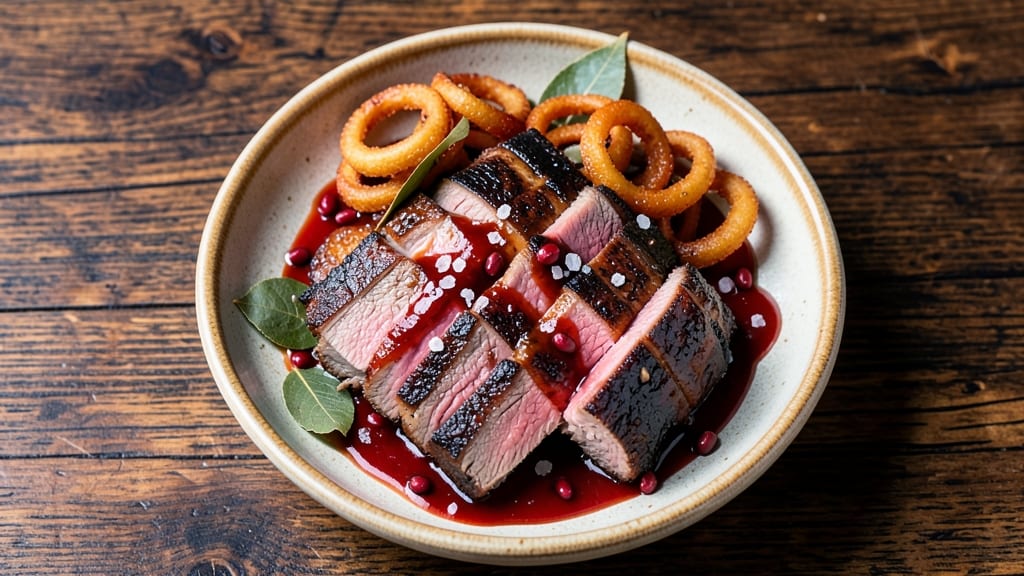
Transforming a tough cut of brisket into fork-tender corned beef requires patience and precision—a process I’ve perfected over years of testing.
The key lies in a carefully balanced brine that tenderizes the meat while infusing it with deep, savory flavors, followed by a slow simmer that breaks down collagen into melt-in-your-mouth richness.
This isn’t just a recipe; it’s a method that delivers restaurant-quality results at home, with every bite falling apart effortlessly.
The secret begins with the brine, where salt, sugar, and spices work together to penetrate the meat deeply over 24 hours, ensuring maximum tenderness.
After curing, the brisket simmers gently in its own juices for 6 to 8 hours, allowing the connective tissue to dissolve into a velvety, flavorful broth. The result?
A brisket so tender it practically melts on the tongue, with a crust that’s crisp enough to hold up to a fork. This is the kind of dish that transforms a simple Sunday dinner into a celebration.
What sets this recipe apart is the balance of tradition and technique—no shortcuts, no guesswork. The slow cook transforms tough muscle fibers into succulent perfection, while the spices and aromatics create layers of flavor that linger long after the last bite.
Whether you’re serving it for St. Patrick’s Day or a cozy family meal, this brisket delivers the kind of satisfaction that makes the effort worthwhile. Every step is designed to ensure you achieve that fork-tender texture without fail.
Once fully cooked, the brisket rests to retain its juices, then can be sliced thinly for sandwiches, shredded for stews, or served whole with classic sides like cabbage and potatoes. The leftovers reheat beautifully, making this a recipe that gives back even more than it takes.
Ready to master the art of corned beef? Let’s get started with the proven method that guarantees success.
Ingredients for tender corned beef brisket
Sixteen ingredients, one transformative process—where salt and time turn tough brisket into velvety perfection.
| Ingredient | Amount | Notes |
|---|---|---|
| Beef Brisket 🥩 | 4 lb | Flat cut, 1-inch thick max |
| Kosher Salt 🧂 | 3 cups | Non-iodized, coarse grain |
| Brown Sugar 🍯 | 1 cup | Light or dark, packed |
| Mustard Seeds 🌾 | 2 tbsp | Yellow or brown, whole |
| Ground Black Peppercorns 🌶️ | 1 tbsp | Freshly cracked preferred |
| Bay Leaves 🌿 | 4 whole | Dried, standard size |
| Garlic Cloves 🧄 | 8 cloves | Peeled, smashed slightly |
| Onion 🧅 | 1 whole | Yellow, peeled, quartered |
| Carrots 🥕 | 4 whole | Medium, peeled, halved |
| Beef Broth 💧 | 2 cups | Low-sodium, homemade preferred |
| Apple Cider Vinegar 🍎 | ½ cup | Unfiltered, 5% acidity |
| Cloves 🌱 | 6 whole | Whole, for aroma |
| Allspice Berries 🌶️ | 1 tsp | Crushed lightly |
| Water 💧 | 8 cups | Filtered or bottled |
| Beef Fatback 🥓 | ½ lb | Optional, for richness |
The brisket is the foundation, so quality matters. Look for a flat cut with good marbling—Costco or Whole Foods often carry ideal selections. If buying whole, trim excess fat to 1/4-inch thickness for even curing. Butcher shops can cut it precisely if needed. The kosher salt should be coarse, like Diamond Crystal, for proper penetration. Brown sugar adds depth; avoid powdered. Mustard seeds and allspice are non-negotiable—they create that signature corned beef aroma. For the vinegar, unfiltered apple cider adds complexity over white vinegar.
No kosher salt? Sea salt at 1.5x the amount works, but texture differs. Substitute brown sugar with white sugar plus 1 tsp molasses for caramel notes. Short on mustard seeds? Dijon mustard at 1 tbsp mimics the tang. Beef broth can be swapped for water plus 1 bouillon cube, but flavor suffers. The bay leaves and cloves are aromatic anchors—skip them only if you dislike herbal undertones. For a deeper flavor, add 1 tbsp liquid smoke to the brine. The fatback is optional but adds luxurious mouthfeel; lard or bacon fat are substitutes.
The brine keeps 5 days refrigerated—make it ahead for convenience. After curing, the brisket stays 3 days raw in the fridge before cooking. Cooked brisket reheats beautifully; slice thin for sandwiches or shred for stews. Leftovers store 5 days refrigerated or 3 months frozen. For reheating, low oven (300°F) or stovetop with broth preserves moisture. The broth reduces to a glaze—save it for mashed potatoes or gravy.
Why You'll Love This Recipe
- One-Pot Magic: I swear by this recipe because it’s literally hands-off after the initial rub. Just slather that brisket with kosher salt and brown sugar—no fancy marinating, no stress—then let the oven do the heavy lifting while you sip coffee or scroll through memes.
- Sweet-Savory Crunch: That brown sugar crust? Chef’s kiss. It caramelizes into a sticky, slightly crispy glaze that balances the deep, smoky beef perfectly. The mustard seeds add a tiny, unexpected bite that makes every bite feel special.
- Leftovers That Shine: Between us, this brisket tastes even better the next day. Shred it for tacos, sandwiches, or even a loaded baked potato—no one will guess it’s reheated. I make a double batch just for this reason.
- Budget-Friendly Feast: A whole brisket feeds a crowd without breaking the bank, and the ingredients? Basic pantry staples. You’re getting restaurant-quality flavor for a fraction of the cost—plus, the leftovers stretch across meals like a champ.
Step-by-step instructions for tender corned beef brisket
This method delivers melt-in-your-mouth tenderness through precise timing and flavor balance.
Prepare the Brisket and Create the Corned Beef Spice Mix
Trim any excess fat from the 4 lb beef brisket, leaving about ¼-inch thickness on the fat cap. This ensures proper flavor penetration without excessive grease. In a large bowl, combine the 3 cups kosher salt, 1 cup brown sugar, 2 tbsp mustard seeds, 1 tbsp ground black peppercorns, 4 whole bay leaves, 8 cloves garlic, 6 whole cloves, and 1 tsp allspice berries. Crush the bay leaves and whole cloves lightly between your palms to release their aromatic oils.
Mix the dry ingredients thoroughly until the salt and sugar form a coarse paste. This mixture will cure the brisket while adding depth of flavor. Place the brisket in a large resealable plastic bag and pour the spice mix over it. Massage the mixture into the meat, coating all sides evenly. This step ensures even curing and maximum flavor infusion.
Cure the Brisket and Assemble the Pot Roast
Seal the bag and refrigerate for 24 hours. This curing time is critical for achieving fork-tender results. After curing, remove the brisket from the bag and rinse it thoroughly under cold water to remove excess salt. Pat it dry with paper towels, which helps create a better sear later.
In a large Dutch oven, combine the 1 whole onion, 4 whole carrots, 2 cups beef broth, 0.5 cup apple cider vinegar, and 8 cups water. If using, add the 0.5 lb beef fatback cut into chunks. Bring the liquid to a simmer over medium heat. Place the brisket fat-side up in the Dutch oven, along with the remaining spices that adhered to it during curing.
Simmer Until Fork-Tender
Cover the Dutch oven and reduce heat to low. Maintain a gentle simmer for 3 hours. Here's the key: you're looking for a temperature between 190-200°F at the thickest part of the brisket. This low-and-slow approach breaks down the connective tissue, transforming tough brisket into tender slices. After 3 hours, carefully remove the brisket and let it rest on a cutting board for 15 minutes.
While the brisket rests, skim any excess fat from the cooking liquid and return it to a simmer. Add the brisket back to the pot and continue cooking for another 30-60 minutes until it reaches an internal temperature of 205°F. The meat should be so tender that a fork slides in with virtually no resistance. This final cooking step ensures complete tenderness throughout.
Rest and Slice for Perfect Texture
Remove the brisket from the pot and tent it loosely with aluminum foil. Let it rest for at least 30 minutes before slicing. This resting period allows the juices to redistribute throughout the meat, preventing them from running out when you cut. The brisket should be warm but not piping hot when you slice it.
Slice the brisket against the grain into ¼-inch thick slices. Each slice should be fork-tender with a beautiful pink center. Serve with the cooking liquid reduced by half to create a rich gravy, or use it as is to moisten the brisket. The result is a perfectly tender corned beef brisket with deep, complex flavors from the slow-simmered cooking process.
Pro Tips For Making Tender Corned Beef Brisket
- Trim the Fat Cap: DESCRIPTION:
- Salt the Night Before: DESCRIPTION:
- Sear in Batches: DESCRIPTION:
- Test with a Fork: DESCRIPTION:
Pro cooking tips for great tender corned beef brisket
Brining Mastery
The 24-hour brine is non-negotiable for tenderness, but timing matters. Start the brine in the afternoon so it’s ready by morning—this ensures the brisket cures evenly without over-salting. I use a large resealable bag (like Hefty Ultra Guard) to contain the mess, but a glass bowl works too.
Massage the spices into the meat thoroughly—don’t skip this step, or you’ll miss flavor pockets. For extra insurance, prick the brisket lightly with a fork in a few spots to help the brine penetrate deeper. 💡
Temperature Control
Your Dutch oven must maintain a gentle simmer (190-200°F)—never a rolling boil. Use a thermometer with a probe (like Thermoworks Smoke) to monitor the liquid. If it boils, reduce heat immediately; boiling toughens the meat.
After the initial 3-hour simmer, the brisket should pull away from the bone slightly. If it’s not tender yet, add ½ cup hot water to the pot and continue cooking—this prevents drying. 🌡️
Resting Like a Pro
Resting isn’t optional—it’s where magic happens. After the first 3-hour simmer, let the brisket rest for 15 minutes before adding it back to the pot. This pause allows the meat to relax and retain juices.
After the final cook, rest it another 30 minutes before slicing. Tent it loosely with foil to prevent steam buildup, which can make the surface soggy. Patience here keeps every slice juicy. ⏰
Slicing Secrets
Slice against the grain—this shortens muscle fibers for maximum tenderness. Use a sharp chef’s knife (like Wüsthof Classic) and cut at a 45-degree angle for even slices. If the brisket is extra tender, slice it ¼-inch thick for sandwiches or ½-inch thick for serving whole.
For shredded applications (like stews), pull it apart with two forks after slicing. Never force it—let the meat yield naturally. 🔪
Broth Upgrades
The cooking liquid is liquid gold—don’t waste it! After removing the brisket, strain the broth through a fine-mesh sieve to remove debris. For gravy, simmer the broth uncovered until reduced by half (about 15 minutes
Deglaze the pot with 2 tbsp apple cider vinegar to deepen the flavor. This rich sauce elevates the dish from good to unforgettable. 💛 Corned beef brisket tastes even better the next day. Cook it fully, then refrigerate the brisket and broth separately in airtight containers for up to 4 days. Reheat the broth first, then add the brisket to warm through gently. For leftovers, slice and reheat with a splash of broth to keep them moist. The flavors meld beautifully overnight, making this a perfect meal-prep dish. ✨Make-Ahead Magic
Nutrition facts
Frequently asked questions
Why does my corned beef brisket turn out tough even after slow cooking?
Toughness usually happens when the meat isn't properly cured or cooked at too high a temperature. The 24-hour brine is critical—skip it, and the salt won't break down the muscle fibers. Also, never let the pot boil; maintain a gentle simmer (190-200°F) to avoid tightening the meat proteins. If your brisket is still tough after 6 hours, it may need more time—aim for 205°F internal temp for true fork-tender results.
Can I use a slow cooker instead of a Dutch oven?
Yes, but with adjustments! Transfer the cured brisket to a slow cooker with all the broth and aromatics. Cook on low for 8-10 hours or high for 5-6 hours, ensuring the liquid stays at a gentle simmer. The key difference is slower heat transfer—you'll need to add ½ cup water every 2 hours to prevent drying. For best results, finish with a 30-minute rest before slicing.
How do I know when the brisket is fully tender?
Use a meat thermometer inserted into the thickest part—it should read 205°F. When done, the brisket will pull away from the bone slightly, and a fork should slide in with minimal resistance. For extra confirmation, cut a small test slice: if it's fork-tender with pink centers, it's perfect. Overcooking beyond this point can make it mushy.
What’s the best way to reheat leftover corned beef?
Always reheat gently to preserve moisture. Place slices in a skillet with a splash of broth or water, covering with a lid, and warm on low heat for 5-7 minutes. For whole brisket, wrap it in foil with broth and bake at 300°F for 20-30 minutes. Microwaving dries it out—avoid this method. The goal is to gently warm through without cooking further.
Can I substitute beef broth with water?
You can, but your brisket will lack depth of flavor. For every 2 cups of water, add 1 beef bouillon cube or 1 tbsp soy sauce to mimic umami. Better yet, use a mix of 1 cup water + 1 cup broth—this balances cost and flavor. The vinegar and spices in the brine will still work, but the cooking liquid won’t be as rich.