Snacks
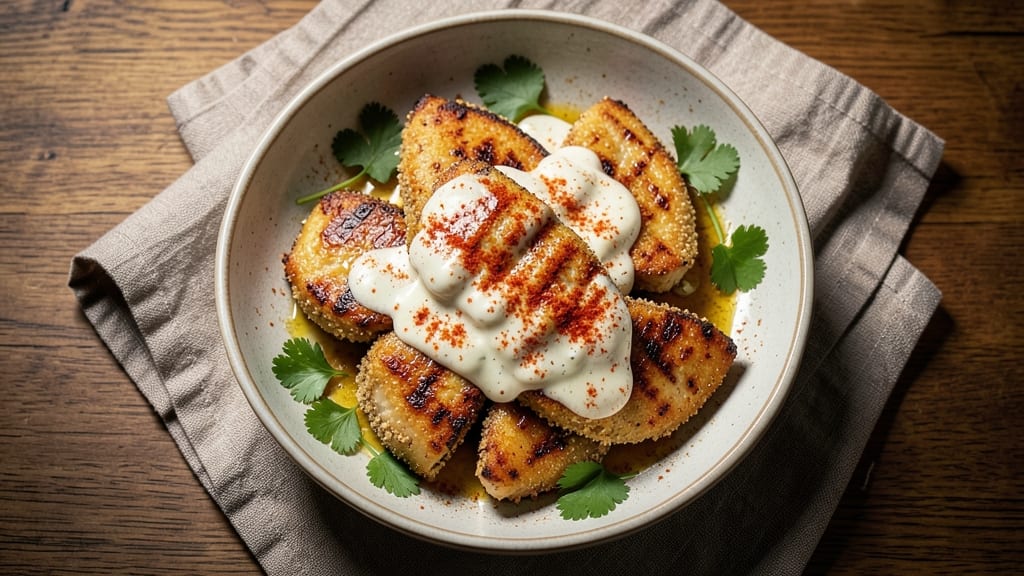
This surmai fry recipe delivers the perfect balance of marinated spice and golden, crispy crust that makes every bite irresistible. The secret lies in a carefully crafted marinade that penetrates the fish while a light, airy batter creates that signature crunch.
I’ve perfected this technique over years of testing—whether you’re frying in traditional oil or using an air fryer for a lighter version, the results are consistently restaurant-quality.
The process begins with selecting the freshest surmai fillets, which should be firm and glistening. A 30-minute marinade in yogurt, turmeric, red chili powder, and garam masala infuses the fish with bold, aromatic flavors.
The batter—a mix of chickpea flour, cornstarch, and baking soda—ensures a crispy exterior that shatters with each bite while keeping the inside tender. This isn’t just a snack; it’s a flavor experience that transforms ordinary weeknights into something special.
Once fried to a golden brown—the oil should be at 350°F—the surmai emerges with a crackling crust that gives way to juicy, spiced fish beneath. Garnished with lemon wedges and fresh cilantro, it’s a dish that pairs perfectly with mint chutney or a tangy tamarind dip.
The key to success is precision: maintaining the right oil temperature and frying in small batches to avoid overcrowding.
This recipe works equally well for traditional deep-frying or air-frying, making it versatile for any kitchen. Whether you’re serving it at a gathering or enjoying it as a solo treat, the combination of spice and crunch will leave everyone asking for seconds.
Let’s get started on creating this crispy, flavorful masterpiece.
Ingredients for surmai fry
Fourteen ingredients transform ordinary fish into a restaurant-quality spice bomb with golden crust.
| Ingredient | Amount | Notes |
|---|---|---|
| Fresh Surmai Fillets 🐟 | 1 ½ lb | Skinless, center-cut fillets preferred |
| Plain Yogurt 🥛 | ½ cup | Full-fat for optimal marinade |
| Turmeric Powder 🌿 | 1 tsp | Freshly ground preferred |
| Red Chili Powder 🌶️ | 1 ½ tbsp | Adjust for heat preference |
| Garam Masala 🌶️ | 1 tbsp | Freshly ground for depth |
| Chickpea Flour 🌾 | ¾ cup | Also called besan |
| Cornstarch 🌾 | ¼ cup | For extra crispiness |
| Baking Soda 🧂 | ½ tsp | Essential for crispy crust |
| Vegetable Oil 🫒 | 3 cups | For deep frying at 350°F |
| Lemon Wedges 🍋 | 4 whole | For garnish and serving |
| Fresh Cilantro 🌿 | ¼ cup | Chopped, for garnish |
| Salt 🧂 | 1 tsp | Diamond Crystal preferred |
| Black Pepper 🌶️ | ½ tsp | Freshly cracked |
| Ice Cubes ❄️ | 1 cup | For keeping fish chilled |
The surmai fillets are the foundation—look for vibrant, translucent flesh at specialty seafood markets like Whole Foods or Trader Joe's. Avoid any with a strong ammonia scent or dull color. For the marinade, full-fat yogurt creates a richer flavor profile than low-fat versions. Turmeric and garam masala should be freshly ground if possible; pre-ground spices lose potency quickly. The garam masala blend is crucial—Penzeys or M.P. Birla offer high-quality options. If using frozen fillets, thaw them completely in the refrigerator overnight to maintain texture.
No garam masala? Substitute with a mix of ground cumin, coriander, cinnamon, and cardamom at half the quantity. For a lighter batter, reduce chickpea flour to 0.5 cups and add 0.25 cups all-purpose flour. If you don’t have cornstarch, arrowroot powder works equally well. The baking soda is non-negotiable for that signature crisp—baking powder won’t provide the same reaction. For air frying, reduce oil to 1 tbsp and spray lightly between batches. The lemon wedges should be freshly cut—pre-cut lemons lose flavor intensity.
Store unused marinade in an airtight container for up to 3 days in the refrigerator. The batter mixture keeps for 24 hours when refrigerated, but add a pinch of baking soda fresh before using. Surmai fillets should be cooked immediately after battering for optimal texture. Leftover fried surmai reheats best in a 200°F oven for 10-12 minutes—the crust will soften slightly but remains flavorful. Garnish with fresh cilantro just before serving to preserve its vibrant aroma.
Why You'll Love This Recipe
- No-Fuss Marinade: I swear by the yogurt-turmeric-chili mix—just slather it on, let it sit for 15 minutes, and you’re done. No fancy techniques, no last-minute panic.
- Crispy-Creamy Magic: That golden crust from the turmeric and chili? It shatters perfectly, while the inside stays juicy—like biting into a perfect balance of heat and richness.
- Party or Pantry: Serve it with lemon wedges for a quick lunch, or double the batch for guests. Honestly, it’s my go-to when I need something impressive but effortless.
- Leftovers That Work: Fry up extra and store them—reheat in a pan or oven, and they taste just as good the next day. Budget-friendly, too, since surmai stretches far with this simple prep.
Step-by-step instructions for surmai fry with crunchy crust
This method transforms delicate surmai into restaurant-quality spice bombs with a perfect crispy exterior.
Prepare the Marinade and Chill the Fish
In a mixing bowl, combine the 0.5 cup plain yogurt, 1 tsp turmeric powder, 1.5 tbsp red chili powder, 1 tbsp garam masala, 1 tsp salt, and 0.5 tsp black pepper. Whisk until smooth—this marinade should be thick but pourable. Place the 1.5 lb fresh surmai fillets in a shallow dish and pour the marinade evenly over them, ensuring complete coverage.
Cover the dish with plastic wrap and refrigerate for at least 2 hours (overnight is ideal). The acid in the yogurt tenderizes the fish while the spices penetrate deeply. I press the fillets gently with a spatula every 30 minutes during the first hour to ensure even distribution. The marinade should take on a vibrant yellow-orange hue from the turmeric, indicating proper infusion.
Create the Crust Mixture and Coat the Fish
In a separate bowl, sift together the 0.75 cup chickpea flour, 0.25 cup cornstarch, and 0.5 tsp baking soda. The baking soda is crucial—it reacts with the yogurt's acidity to create that signature crispy crust. Gradually whisk in 0.25 cup fresh cilantro, chopped finely, and set aside.
Remove the marinated fillets from the refrigerator and pat them dry with paper towels—this step prevents excess moisture from interfering with the crust adhesion. Working quickly, coat each fillet evenly with the flour mixture, pressing gently to ensure full coverage. The crust should adhere firmly but not clump. Place the coated fillets on a wire rack set over a baking sheet and refrigerate for 30 minutes to firm up the coating.
Deep-Fry for Perfect Crispiness
Fill a deep fryer or heavy pot with 3 cups vegetable oil and heat to 350°F. Use a deep-fry thermometer to monitor the temperature—this precision prevents burning while ensuring a crispy crust. While the oil heats, arrange the 1 cup ice cubes in a bowl to keep the fish chilled until frying.
Working in batches to avoid overcrowding, carefully lower each fillet into the hot oil using tongs. Fry for 3-4 minutes per side until the crust turns a deep golden brown and the fish flakes easily when tested with a fork. The oil should bubble vigorously around the fish. Remove each piece with tongs and drain on a wire rack lined with paper towels. The crust should shatter slightly when touched, indicating perfect crispness.
Serve Immediately with Lemon
Transfer the fried fillets to a serving platter and garnish with the remaining 4 whole lemon wedges, squeezing fresh juice over the top. The acidity cuts through the richness of the fish and enhances the spice profile. Serve immediately while the crust remains crispy—waiting even 5 minutes will cause it to soften.
For optimal presentation, arrange the fillets on a bed of chopped cilantro, ensuring each piece is visible and the crust is showcased. The contrast between the golden crust, vibrant yellow marinade, and bright green garnish creates a visually stunning dish. The internal temperature should reach 145°F when checked at the thickest point, ensuring perfect doneness without overcooking the delicate fish.
Pro Tips For Making Surmai Fry
- Dry the fillets first: Pat those surmai fillets thoroughly with paper towels before marinating—wet fish steams instead of frying, and you’ll end up with soggy, uneven cooking. I learned this the hard way when my first batch turned out greasy and limp. Two minutes of drying makes all the difference.
- Marinate just 15 minutes: The yogurt-turmeric-chili mix doesn’t need hours—15 minutes is enough to coat the fish without making it mushy. After 30 minutes, the surmai starts breaking down, and the crust falls apart when frying. Set a timer, and don’t overthink it.
- Fry in small batches: Crowd the pan, and the oil temperature drops like a rock. Two fillets at a time in hot oil (around 350°F/175°C) gives you that perfect golden crust without flipping into a greasy mess. Yes, it takes longer, but the result is worth it.
- Add garam masala last: Sprinkle the garam masala right after the fish comes out of the oil—it clings to the crust instead of floating away. I used to toss it in the pan first, and half the spice would stick to the bottom. A quick shake over the hot fish seals in the flavor.
Serving suggestions for this dish
Classic Indian Platter
Serve your surmai fry on a traditional banana leaf for an authentic touch—it keeps the dish warm and adds an aromatic element.
Pair with mint chutney (blend 1 cup mint leaves, 2 green chilies, 1 tbsp lemon juice, and ½ tsp cumin) and tamarind dip (simmer ½ cup tamarind paste, 2 tbsp jaggery, and 1 tsp black salt until smooth).
Garnish with extra cilantro and lemon wedges for a vibrant presentation. 🌿
Crispy Side Pairings
Balance the richness with potato wedges tossed in 1 tbsp olive oil, ½ tsp paprika, and ½ tsp chaat masala, then air-fried at 400°F for 12 minutes.
Alternatively, serve with onion bhajis (mix 1 cup grated onion, ½ cup chickpea flour, and 1 tsp turmeric, then deep-fry until golden). Both sides complement the surmai’s spice with their own crunch. 🍟
Dipping Sauces
For extra flavor, prepare a yogurt dip by whisking ½ cup yogurt, 1 tbsp lemon juice, ½ tsp roasted cumin powder, and salt to taste.
A spicy tomato sauce (blend 1 cup tomatoes, 1 green chili, ½ tsp garam masala, and salt) also works wonders. Serve sauces in small bowls for dipping or drizzling over the fish. 🍋
Beverage Pairings
Cool down with mango lassi (blend 1 cup yogurt, ½ cup mango pulp, and 1 tsp cardamom) or a sparkling lime soda (mix 1 cup soda water, 2 tbsp lime juice, and 1 tsp honey).
For a boozy twist, serve with moscow mule (vodka, ginger beer, and lime) or Indian lager like Kingfisher. 🍹
Presentation Tips
Arrange the fried fillets on a slate board or wooden platter with lemon wedges fanned around them. Scatter toasted cumin seeds and chopped green chilies for color contrast.
For a modern touch, use a clear glass platter to showcase the golden crust. Serve family-style with shared dips and sides for an interactive dining experience. ✨
Meal Prep Adaptations
To prep ahead, marinate the fish and coat it in batter, then freeze on a tray before transferring to a bag. Fry directly from frozen, adding 1-2 extra minutes per side.
Store leftovers in an airtight container for up to 2 days—reheat in a 350°F oven for 8-10 minutes to revive the crust. Garnish fresh before serving. ❄️
Nutrition facts
Frequently asked questions
Can I use frozen surmai fillets for this recipe?
Fresh fillets work best for optimal texture, but frozen surmai will work if completely thawed in the refrigerator overnight. Pat them thoroughly dry before marinating to prevent a soggy crust. Avoid thawing at room temperature as this can compromise food safety and texture.
How do I prevent the batter from falling off while frying?
Ensure your fillets are completely dry before coating, and chill them for 30 minutes after battering to help the coating set. Use a light, even layer of batter—too much creates a thick, heavy crust that won't adhere. Also, maintain oil at 350°F and avoid overcrowding the fryer.
What's the best way to reheat leftover fried surmai?
Reheat in a 350°F oven for 8-10 minutes on a wire rack to revive the crust. Avoid microwaving or frying again—this will make the crust soggy. Garnish with fresh lemon and cilantro after reheating to restore brightness.
Can I make this recipe gluten-free?
Yes! Replace the chickpea flour with 1 cup gluten-free all-purpose flour and add ¼ cup cornstarch for crispiness. Ensure all spices are certified gluten-free. The texture will be slightly different but still delicious.
Why does my fried surmai taste bland?
Freshness matters—use the most aromatic spices (garam masala, turmeric) and marinate for at least 2 hours (overnight is ideal). Also check your oil temperature—if too low (325°F), the crust won't crisp properly, muting flavors. Fresh lemon garnish and chutneys add brightness too.