Appetizers
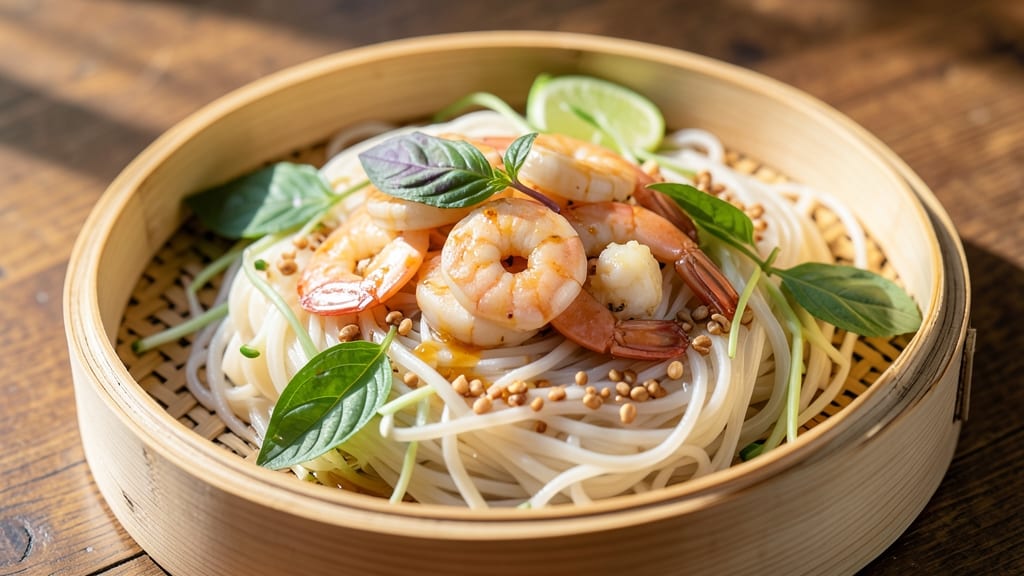
This shrimp vermicelli recipe delivers a perfectly balanced bowl of light, zesty noodles that shine with fresh herbs and tender shrimp—ideal for pescatarian meals or anyone craving restaurant-quality Asian flavors at home.
The secret lies in a bright, tangy sauce that enhances the natural sweetness of the shrimp while keeping the vermicelli noodles perfectly al dente. I developed this dish after years of testing different techniques to ensure the shrimp stays juicy and the noodles maintain their signature delicate bite.
The recipe combines simple yet high-impact ingredients: shrimp sautéed in garlic and ginger, vermicelli noodles cooked just until tender, and a sauce made with fish sauce, lime, and a touch of chili for depth.
Fresh herbs like Thai basil and cilantro add vibrant color and aroma, while crushed peanuts and bean sprouts contribute satisfying texture. What sets this dish apart is how effortlessly it comes together in under 30 minutes.
By the time you assemble everything, you’ll have a dish that’s light yet satisfying—each bite offering a perfect harmony of tender shrimp, silky noodles, and bright, herby sauce. The shrimp cooks in just minutes, ensuring it stays succulent, while the vermicelli absorbs the sauce without becoming mushy.
This is the kind of meal that feels both elegant and approachable, perfect for weeknight dinners or special occasions.
Serve with extra lime wedges and a sprinkle of fresh herbs to brighten every bite. The recipe scales easily, making it ideal for feeding a crowd or prepping ahead for meal prep. Let’s get cooking!
Ingredients for shrimp vermicelli
Fresh shrimp, delicate noodles, and vibrant herbs create this restaurant-quality dish in under 30 minutes.
| Ingredient | Amount | Notes |
|---|---|---|
| Large Shrimp 🦐 | 1 ½ lb | Peeled, deveined, tails on |
| Vermicelli Noodles 🍜 | 8 oz | Rice noodles, uncooked |
| Fresh Thai Basil 🌿 | ½ cup | Packed, stems removed |
| Fresh Cilantro 🌿 | ¼ cup | Chopped, packed |
| Crushed Peanuts 🥜 | ¼ cup | Toasted, unsalted |
| Bean Sprouts 🌱 | 1 cup | Fresh, rinsed |
| Garlic Cloves 🧄 | 4 cloves | Minced, fresh |
| Fresh Ginger 🌿 | 1 tbsp | Finely grated |
| Fish Sauce 🍶 | 2 tbsp | Red Boat brand preferred |
| Lime Juice 🍋 | 3 tbsp | Freshly squeezed |
| Soy Sauce 🥢 | 1 ½ tbsp | Light or regular |
| Sesame Oil 🫒 | 1 tsp | Toasted, for aroma |
| Chili Flakes 🌶️ | ½ tsp | Adjust for heat |
| Vegetable Oil 🫒 | 1 tbsp | High smoke point |
| Sea Salt 🧂 | 1 tsp | Fine grain preferred |
The shrimp is the star, so quality matters. Wild-caught or sustainably farmed makes all the difference—avoid pre-cooked or frozen shrimp that’s been thawed for days. Asian markets or high-end seafood counters often carry the freshest options, but don’t overlook your local grocery’s seafood case if it’s well-stocked. For the vermicelli, Thai Kitchen brand is my go-to—it’s consistent and widely available. If you can’t find Thai basil, regular basil plus a pinch of cinnamon mimics the flavor profile. The peanuts should be toasted—store-bought crushed peanuts often lack freshness, so toast your own in a dry pan for 3-4 minutes.
No fish sauce? Soy sauce plus a splash of Worcestershire works in a pinch, though the umami won’t be identical. Substituting cilantro for Thai basil? Use double the amount—it’s milder. The bean sprouts can be swapped for shredded carrots or cabbage if you’re out, but they add that signature crunch. For heat-sensitive cooks, reduce chili flakes to 1/4 tsp or use a pinch of cayenne instead. The lime juice is critical—use freshly squeezed; bottled lacks brightness. If you’re prepping ahead, store the sauce components separately until ready to combine.
This dish shines fresh but reheats beautifully. Store the sauce separately in the fridge for up to 3 days—combine with noodles and shrimp just before serving. The shrimp cooks in minutes, so keep it cold until ready to use. For meal prep, portion the noodles and toppings separately and assemble when ready to eat. The peanuts and sprouts stay crisp for 2 days in an airtight container. Freezing isn’t recommended for shrimp or herbs, but the sauce components can be frozen for 1 month—just thaw gently before using.
Why You'll Love This Recipe
- No Fuss, Big Payoff: I swear by this one—just peel and devein shrimp, toss in a hot wok with garlic and chili, then fold in those silky noodles. The hardest part? Deciding when to stop eating.
- Herb-Packed Punch: That first bite of warm shrimp with Thai basil and cilantro? It’s like a hug in a bowl. The crushed peanuts add this insane crunch that makes it feel fancy without the effort.
- Lunch or Dinner? Yes.: Between us, this is my go-to for both. Pack it cold for a picnic or serve it piping hot with lime—it works every time. Even my picky teen grabs seconds when I make it.
- Budget Meal That Feeds: A pound of shrimp and a bag of noodles stretch farther than you’d think. Leftovers? Even better the next day—just reheat and toss with extra herbs. My wallet and I thank you.
Step-by-step instructions for shrimp vermicelli with fresh herbs
Here's the straightforward method for balancing tender shrimp, chewy noodles, and bright Southeast Asian flavors.
Cook the Vermicelli Noodles
Bring a large pot of water to a rolling boil. Add the 8 oz vermicelli noodles and cook for exactly 4-5 minutes until they're tender but still slightly chewy. The noodles should float to the surface when ready.
Drain immediately and rinse under cold water for 10 seconds to stop the cooking process. Toss the noodles with 1 teaspoon sesame oil to prevent sticking and add a subtle nutty aroma. Set aside and cover loosely with a clean kitchen towel to keep warm.
Sear the Shrimp and Prepare Aromatics
Heat 1 tablespoon vegetable oil in a large wok or skillet over medium-high heat until shimmering. Add the 1.5 lb large shrimp in a single layer and cook for 1-2 minutes per side until they're pink and opaque throughout. Remove shrimp and set aside.
In the same pan, add 4 minced garlic cloves and 1 tablespoon finely grated fresh ginger. Sauté for 30 seconds until fragrant but not browned. This quick cooking preserves their fresh flavor without bitterness.
Create the Zesty Sauce
Reduce heat to medium-low and stir in 2 tablespoons fish sauce, 1.5 tablespoons soy sauce, and 3 tablespoons freshly squeezed lime juice. Add 0.5 teaspoon chili flakes and let the mixture simmer for 1-2 minutes until slightly thickened.
Return the cooked shrimp to the pan and toss gently to coat in the sauce. The shrimp will absorb the flavors while maintaining their tender texture. Keep the pan on low heat to prevent the sauce from thickening too much.
Assemble the Noodle Bowls
Divide the cooked vermicelli noodles evenly among 4 bowls. Top each serving with the shrimp and sauce mixture. Arrange 1 cup bean sprouts and 0.25 cup chopped fresh cilantro on top of each bowl for freshness and texture.
Garnish with 0.5 cup fresh Thai basil and 0.25 cup crushed peanuts for crunch and visual appeal. The peanuts add a satisfying contrast to the soft noodles and tender shrimp.
Serve Immediately
Toss each bowl gently before serving to distribute all the flavors evenly. The dish should have a perfect balance of tangy, salty, and slightly spicy notes with a delicate shrimp flavor.
Serve with extra lime wedges on the side for those who prefer more acidity. The dish is best enjoyed immediately while the noodles are still warm and the shrimp maintains its perfect texture.
Pro Tips For Making Shrimp Vermicelli
- Parboil Shrimp First: I used to toss raw shrimp straight into the stir-fry, and they’d turn rubbery before the noodles were cooked. Instead, parboil them for 30 seconds in salted water—just until they turn opaque. Drain and pat dry; they’ll sear perfectly in the wok later without overcooking.
- Soak Noodles Separately: Vermicelli sticks to itself like glue if you toss it straight into the pan. Soak each serving in warm water for 3–4 minutes, then drain and rinse with cold water to stop cooking. Keep them in a bowl of fresh water until ready to toss—this keeps them springy and prevents a mushy pile.
- Toast Peanuts Low: Crushed peanuts burn faster than you’d think. Spread them on a dry pan over medium-low heat for 2–3 minutes, stirring constantly, until they’re golden and smell nutty. Remove immediately—any longer, and they’ll taste bitter. (Yes, even if you’re impatient like me.)
- Reserve Some Basil: The first batch of chopped Thai basil wilts fast in the hot wok. Chop half the bunch, stir-fry it with the shrimp, then set aside the rest to add raw at the end. That bright, fresh hit is what makes the dish sing—don’t skip it.
Common mistakes when making this dish
Overcooking Shrimp
Shrimp cooks in a flash—just 1-2 minutes per side over medium-high heat—so don’t walk away! I’ve ruined perfectly good shrimp by leaving them unattended, turning them rubbery and dry. Use a timer and watch for the pink, opaque color throughout. If they’re still translucent, they need more time. 🦐
Undercooking Vermicelli
Vermicelli needs that 4-5 minute cook time—any less and they’ll be crunchy, any more and they’ll turn mushy. I once served al dente noodles that were still slightly firm, which ruined the dish.
Test a piece by tasting it raw—it should be tender but still have a slight bite. Rinse with cold water immediately after draining to stop cooking.
Skipping the Cold Water Rinse
This is a game-changer! After draining vermicelli, give it a 10-second cold water rinse to halt cooking and prevent sticking. I used to skip this step, and my noodles would clump together or continue cooking in the sauce, turning limp.
The cold water also helps set the noodles’ texture perfectly. Trust me, this tiny step makes a huge difference. ❄️
Using Bottled Lime Juice
Fresh lime juice is non-negotiable for that bright, tangy punch. Bottled juice lacks the acidity and vibrancy that fresh lime brings. I once used bottled lime juice and the sauce tasted flat.
If you must substitute, add ½ teaspoon extra lime zest to compensate. Always keep lime wedges on the table for guests to squeeze in more fresh juice.
Overcrowding the Pan
Shrimp releases moisture as it cooks, and if you overcrowd the pan, they’ll steam instead of sear. Cook them in a single layer so they develop a nice crust. I’ve had shrimp stick together and turn out soggy because I tried to fit too many in the pan.
If you’re cooking a large batch, work in two batches—it’s worth the extra minute. 🔥
Neglecting the Sauce Balance
The sauce needs all three components—fish sauce, soy sauce, and lime juice—to shine. I once forgot the lime juice and the dish tasted too salty. Taste as you go!
The sauce should be tangy, salty, and slightly spicy. Adjust with ½ teaspoon at a time until you hit the perfect balance. The shrimp should absorb the flavors without overpowering them.
Nutrition facts
Frequently asked questions
Can I substitute shrimp with another seafood in this recipe?
Scallops or firm white fish like cod or halibut work beautifully. For scallops, sear them 2 minutes per side until caramelized, while fish should be poached in the sauce for 3-4 minutes until fully cooked. The cooking time varies slightly, so always check for doneness.
How do I adjust this recipe for spicier or milder heat levels?
For extra heat, add ½ teaspoon more chili flakes or a dash of sriracha to the sauce. For milder heat, reduce the chili flakes to ¼ teaspoon or omit entirely. You can also add ½ teaspoon sugar to balance any sharpness. Taste as you go—adjust gradually!
Can I make this dish ahead of time for meal prep?
Yes, but with a few tweaks! Cook the noodles and shrimp separately, then store them in the fridge for up to 2 days. Keep the sauce components (fish sauce, lime, soy) separate until ready to combine. Reheat the shrimp and noodles gently, then toss with the fresh sauce. Add garnishes like herbs and peanuts just before serving to keep them crisp.
What's the best way to store leftover shrimp vermicelli?
Store the noodles and shrimp in an airtight container in the fridge for up to 3 days. The sauce can be kept separately for up to 5 days. For longer storage, freeze the sauce components (without lime juice) for 1 month. Reheat gently on the stove—never microwave, as it can make the noodles rubbery.
Why does my shrimp vermicelli taste too salty?
This usually happens when the fish sauce or soy sauce overpowers the dish. Balance it by adding 1 tablespoon more lime juice or a splash of coconut milk to dilute the saltiness. If using bottled lime juice, fresh zest helps too. Always taste your sauce before combining with noodles—adjust gradually!