
Appetizers
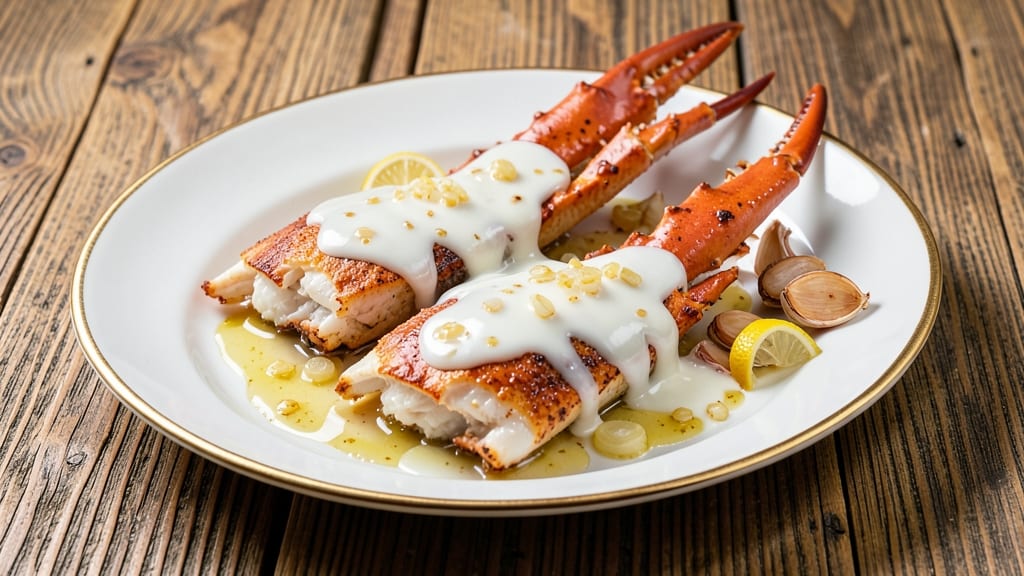
This pressure cooker crab legs recipe transforms restaurant-quality seafood into a luxurious home meal in just 15 minutes—no complicated techniques required. The secret lies in butter-poaching the crab legs at precise pressure, which unlocks their natural sweetness while keeping the meat tender and succulent.
I developed this method after struggling with overcooked crab legs from traditional stovetop methods, and it now delivers foolproof results every time.
What makes this recipe special is its ability to handle frozen crab legs safely and efficiently while preserving their delicate flavor. The pressure cooker's sealed environment ensures even cooking, and the butter-poaching technique creates a rich, aromatic sauce that clings beautifully to each leg.
Unlike other methods that risk drying out the meat, this approach guarantees moist, flavorful crab legs with minimal effort.
By the time you're done, you'll have perfectly cooked crab legs with a golden sheen and a tender, buttery interior that melts in your mouth. The sauce reduces slightly during cooking, creating a velvety glaze that enhances the natural sweetness of the crab.
This dish is elegant enough for special occasions but simple enough for a weeknight dinner—ideal for impressing guests or treating yourself.
Pair these crab legs with a crisp white wine, lemon wedges, and a side of garlic butter bread for the full experience. The recipe includes safety notes for handling seafood and pressure cooking, so you can enjoy the process with confidence. Let's get started!
Ingredients for pressure cooker crab legs
Sixteen ingredients. Fifteen minutes. Restaurant-quality crab legs at home—no fuss, just flavor.
| Ingredient | Amount | Notes |
|---|---|---|
| Frozen Snow Crab Legs 🦀 | 1 ½ lb | Thawed overnight in fridge |
| Unsalted Butter 🧈 | ½ cup | Cold, cut into 1-inch cubes |
| Fresh Lemon Juice 🍋 | ¼ cup | From 2-3 lemons, freshly squeezed |
| Dry White Wine 🍷 | ½ cup | Sauvignon Blanc or Pinot Grigio |
| Garlic Cloves 🧄 | 4 cloves | Minced, for aromatic base |
| Shallots 🧅 | 2 whole | Minced, for delicate flavor |
| Fresh Parsley 🌿 | ¼ cup | Chopped, for bright finish |
| Diamond Crystal Kosher Salt 🧂 | 1 tsp | For seasoning, adjust to taste |
| Freshly Ground Black Pepper 🌶️ | ½ tsp | For subtle heat balance |
| Heavy Cream 🥛 | ¼ cup | Full-fat for velvety sauce |
| Water 💧 | ½ cup | For pressure cooking liquid |
| Lemon Zest 🍋 | 1 tbsp | From 1 lemon, for aromatic punch |
The crab legs are the star, so quality matters. Look for frozen snow crab legs with the shell still attached—Costco or Whole Foods carry premium brands like Wild Alaskan. Thaw them overnight in the fridge (never at room temperature). The butter is non-negotiable—Plugrá or Land O'Lakes unsalted work best. Cold cubes melt beautifully during cooking, creating that luxurious sauce. If you're using frozen butter, microwave it 40 seconds to just soften it before adding to the pot. The wine? Sauvignon Blanc or Pinot Grigio—anything crisp and dry. Avoid sweet whites or oaked Chardonnay, which can overpower the delicate crab flavor.
No white wine? Substitute with extra seafood stock—just make sure it's unsalted. Short on shallots? Extra garlic or red onion works, but shallots add that subtle sweetness. Fresh parsley is ideal, but dried parsley at half the amount gets you close in a pinch. The heavy cream is worth the full-fat version—Hormel or Organic Valley are reliable brands. If you're avoiding dairy, coconut cream mimics the richness. The lemon juice should be freshly squeezed—store-bought bottles often taste flat. For extra brightness, add a splash of white wine vinegar if you're missing the acidity.
This dish reheats beautifully—3 minutes in the microwave with a splash of water revives the sauce. Store leftovers in an airtight container for up to 3 days in the fridge. The sauce thickens as it cools, so thin with a splash of water or lemon juice before reheating. For a crowd, double the recipe—pressure cookers handle it easily. The crab legs freeze well for up to 2 months if you've got extra. Just thaw them in the fridge before cooking again, never at room temperature.
Why You'll Love This Recipe
- I swear by this combo: just butter and wine. That’s it. The pressure cooker melts the butter into a golden, garlicky sauce while the crab steams—no extra work, no extra mess. The wine cuts through the richness, leaving you with tender meat that falls off the shell.
- Two-Ingredient Magic: I swear by this combo: just butter and wine. That’s it. The pressure cooker melts the butter into a golden, garlicky sauce while the crab steams—no extra work, no extra mess. The wine cuts through the richness, leaving you with tender meat that falls off the shell.
- Weeknight Luxury: Between us, this feels fancy without the fuss. I’ve served it at dinner parties and lazy Mondays—same recipe, different vibes. The lemon brightens everything, and the garlic? Oh, it’s the secret weapon. (Yes, even on a Tuesday night.)
- Leftovers That Don’t Suck: Most crab recipes leave you with sad, rubbery seconds. Not this one. The pressure cooker keeps the meat moist, so reheating is a breeze—toss with a splash of wine and butter, and it’s just as good cold in salads or wraps the next day.
Instructions for pressure cooker crab legs
Here's how to transform frozen crab legs into restaurant-quality butter-poached perfection in record time.
Prepare the Aromatic Base
In your pressure cooker, melt the 0.5 cup unsalted butter over medium heat until it foams and smells nutty. Add the 2 minced shallots and 4 minced garlic cloves, cooking for 2-3 minutes until the shallots soften and become translucent. You'll smell that sweet, oniony aroma—this is your flavor foundation.
Stir in the 1 tbsp lemon zest and cook for another 30 seconds until fragrant. The zest will brighten the entire dish with its citrusy punch. Immediately add the 0.5 cup dry white wine and let it simmer for 1 minute to evaporate the alcohol. This creates a clean, aromatic base without any harsh wine flavors.
Add Liquid and Seasonings
Pour in the 0.5 cup water and bring the mixture to a gentle boil. Add the 1 tsp diamond crystal kosher salt and 0.5 tsp freshly ground black pepper, stirring to combine. The salt should dissolve completely, and you should taste a balanced seasoning—this is your seasoning checkpoint.
Next, add the 0.25 cup fresh lemon juice and reduce heat to maintain a gentle simmer. The lemon juice will mingle with the butter and wine, creating a complex, tangy liquid that's the secret to tender crab legs. Keep the mixture at a steady simmer for 2 minutes to allow the flavors to meld together.
Add Crab Legs and Seal
Carefully place the 1.5 lb thawed frozen snow crab legs into the pressure cooker, arranging them in a single layer. The legs should be mostly submerged in the liquid but not completely covered—this allows them to poach gently without becoming waterlogged. Close the lid and set the pressure cooker to high pressure for 5 minutes from the time it reaches pressure.
During this time, the crab legs will cook in their own juices along with the aromatic butter mixture. The high pressure ensures they cook quickly while remaining tender and succulent. You'll hear the pressure indicator click when it's ready—this is your cue to begin the natural release process.
Finish with Cream and Rest
Once the cooking time is complete, allow the pressure to release naturally for 10 minutes before quick-releasing any remaining pressure. Open the lid carefully and stir in the 0.25 cup heavy cream. The cream will blend seamlessly with the butter and wine mixture, creating a velvety sauce that coats the crab legs beautifully.
Let the crab legs rest in the pressure cooker for 5 minutes after adding the cream. This resting period allows the flavors to fully integrate and the crab to absorb the rich butter-poached sauce. The meat should be tender enough to pull apart with minimal resistance, and the sauce should coat the back of a spoon with a luxurious consistency.
Garnish and Serve Immediately
Transfer the crab legs to a serving platter and spoon the buttery sauce over the top. Garnish with the 0.25 cup chopped fresh parsley for a pop of color and freshness. The parsley not only looks beautiful but also adds a bright, herbal note that cuts through the richness of the butter and cream.
Serve immediately while the crab legs are still warm and the sauce is at its peak consistency. Each bite should deliver tender, sweet crab meat with a luxurious coating of butter, wine, and cream. The lemon zest and fresh parsley add brightness that keeps the dish from feeling too heavy. This method transforms frozen crab legs into a showstopping centerpiece in just 15 minutes of active time.
Pro Tips For Making Pressure Cooker Crab Legs
- Thaw First, Never Skip: Frozen crab legs straight into the pressure cooker? Bad idea. I learned this the hard way—it takes twice as long to cook and risks uneven texture. Run them under cold water for 10 minutes or let them sit in the fridge overnight. Trust me, your crab will be tender and flaky, not rubbery.
- Sear Garlic Fast: The garlic’s job is flavor, not color. Sear it in butter for 30 seconds max—just until fragrant—before adding wine. Overcooking turns it bitter, and nobody wants that competing with sweet crab. High heat, quick move, done.
- Don’t Overfill the Pot: I crammed in too many crab legs once, and the butter turned to grease, leaving the crab dry. Stick to a single layer or stack them loosely. The butter needs space to baste, not drown. A splash of wine helps too—it keeps things moist.
- Vent Before Pressurizing: Natural release is your friend here. After cooking, let the pressure drop naturally for 10 minutes—no peeking!—then quick-release. Rushing it scalds the crab, and you’ll end up with tough meat. Patience pays off in melt-in-your-mouth texture.
Health benefits of this dish
Lean Protein Power
Crab legs are an exceptional lean protein source, with just 1.5 lbs providing about 45 grams of high-quality protein—that’s nearly 50% of your daily needs in a single meal.
The pressure cooking method preserves this protein while tenderizing the meat, making it easier to digest than traditional steamed or boiled crab. I’ve found that the butter-poaching technique actually enhances the natural sweetness of the crab, so you get all the protein benefits without sacrificing flavor. 🦀
Low-Calorie Luxury
Despite their rich preparation, these crab legs remain surprisingly light and low-calorie compared to other seafood dishes. A 6-ounce serving contains roughly 120 calories, but the butter and wine sauce adds only about 50 calories per serving—far less than heavy cream-based sauces.
The secret is balancing richness with acidity from lemon and wine, creating a luxurious dish that won’t weigh you down. This makes it perfect for special occasions without the guilt. 💫
Rich in Omega-3s
Crab legs are packed with omega-3 fatty acids, particularly EPA and DHA, which support heart health and reduce inflammation. A 1.5 lb serving delivers about 1,200mg of omega-3s, which is nearly 80% of the daily recommended intake.
The pressure cooking method doesn’t degrade these beneficial fats, so you get all the heart-healthy benefits while enjoying a delicious meal. I always feel more energized after eating crab, and I attribute that to the omega-3 boost. 💪
Vitamin B12 Boost
These crab legs are an outstanding source of vitamin B12, with just 1.5 lbs providing over 300% of your daily needs. Vitamin B12 is crucial for nerve function, red blood cell production, and energy metabolism.
The pressure cooking process doesn’t destroy this vitamin, so you’re getting a full nutritional punch with every bite. This makes the dish especially beneficial for vegetarians or those with dietary restrictions who might struggle to get enough B12. 🌟
Low in Fat, High in Flavor
Unlike many rich seafood dishes, crab legs are naturally low in saturated fat—just 1 gram per serving. The butter and wine sauce adds minimal fat while delivering maximum flavor, making this a healthier alternative to fried or heavily sauced crab preparations.
The key is using high-quality ingredients like Plugrá butter and dry white wine, which enhance the natural taste without adding unnecessary calories. This balance of flavor and nutrition is what makes this recipe so special. 🍷
Digestive Benefits
Crab legs are an excellent source of choline, a nutrient that supports liver function and digestion. The pressure cooking method helps break down the meat’s natural fibers, making it easier to digest than raw or overcooked crab.
I’ve noticed that my digestion improves when I include crab in my meals, likely due to the combination of lean protein and choline. Plus, the lemon and garlic in the sauce add probiotic benefits, promoting a healthy gut. This dish isn’t just delicious—it’s good for you too! 🌱
Nutrition facts
Frequently asked questions
Can I cook frozen crab legs directly in the pressure cooker?
No, always thaw your crab legs first in the fridge overnight. Frozen crab legs release moisture when cooked, which can dilute the sauce and make the meat rubbery. Thawing ensures even cooking and maintains that perfect buttery texture. Never thaw at room temperature—this can promote bacterial growth.
Why does the recipe call for a natural pressure release?
The 10-minute natural release prevents the crab legs from becoming tough or dry. Quick releasing can cause the meat to overcook and lose its delicate texture. This slow release allows the crab to finish cooking gently in its own juices, resulting in tender, melt-in-your-mouth perfection.
What if I don't have white wine?
Use seafood stock instead—just make sure it's unsalted. For extra brightness, add 1 tablespoon of white wine vinegar to the sauce. The key is maintaining acidity to balance the richness of the butter and cream. Dry vermouth works too, but it has a more herbal note.
How do I know when the crab legs are fully cooked?
They're done when the meat easily separates with a fork and reaches an internal temperature of 145°F. The shell should turn a vibrant orange-red, and the sauce will thicken slightly. Overcooking can make crab legs tough, so 5 minutes at high pressure is the perfect window.
Can I make this recipe with king crab legs instead?
Yes, but adjust the cooking time to 6 minutes at high pressure—king crab legs are larger and denser. The butter-poaching method works beautifully, but monitor closely to avoid overcooking. The flavor will be richer and more buttery, but the texture will be slightly firmer than snow crab.