
Main Courses
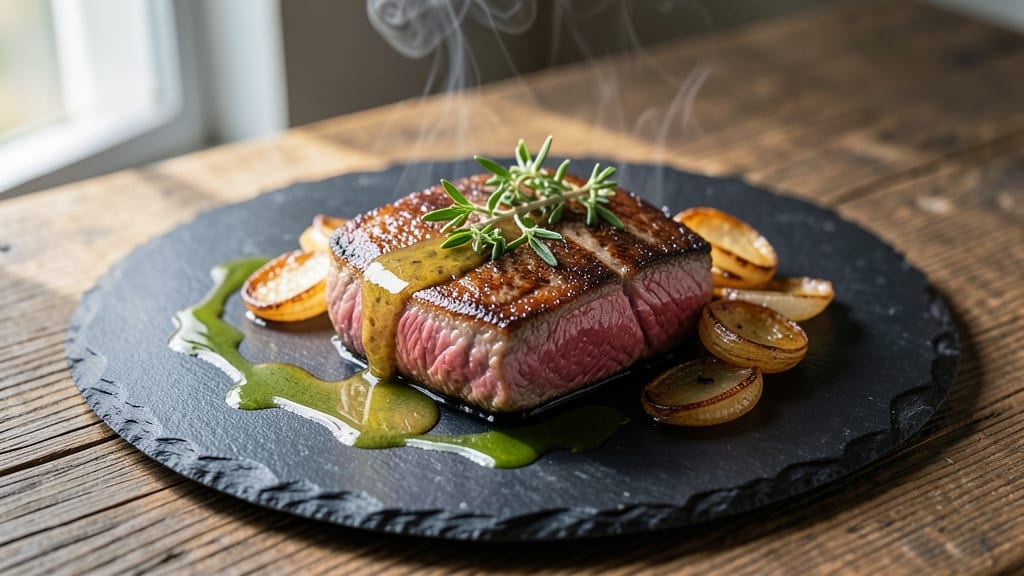
Mastering a petite tenderloin steak recipe transforms a simple dinner into a restaurant-worthy experience with its buttery crust and perfectly pink center. 💛 I perfected this method after years of testing—every cut deserves this kind of attention.
The secret lies in precise timing and high-heat searing to lock in juices while creating that golden crust.
This recipe delivers tender, melt-in-your-mouth results with a crisp exterior that holds up to even the most delicate slice. Unlike tougher cuts, petite tenderloin cooks quickly—just 3-4 minutes per side for medium-rare—making it ideal for weeknight dinners that feel special.
The key is letting the steak rest before serving, ensuring every bite stays juicy.
Pair this steak with roasted garlic potatoes or a bold red wine reduction to elevate the dish further. The technique works equally well for traditional pan-searing or modern sous-vide methods, giving you flexibility based on your kitchen tools.
Whether you're cooking for two or hosting a dinner party, this recipe delivers professional-quality results every time.
Serve with a glass of Cabernet Sauvignon or a crisp white wine to complement the rich flavors. The buttery crust and tender interior make this steak the star of any meal—simple yet impressive. Let's get started on creating your perfect petite tenderloin steak.
Ingredients for petite tenderloin steak
Eight essential ingredients for a steak that tastes like a Michelin-starred dinner.
| Ingredient | Amount | Notes |
|---|---|---|
| Petite Tenderloin Steak 🥩 | 1 lb | Center-cut, 1-inch thick steaks |
| Unsalted Butter 🧈 | 4 tbsp | Cold, cut into 8 pieces |
| Kosher Salt 🧂 | 1 tsp | Diamond Crystal preferred |
| Freshly Ground Black Pepper 🌶️ | ½ tsp | Coarse grind for texture |
| Extra-Virgin Olive Oil 🫒 | 1 tbsp | High smoke point preferred |
| Fresh Thyme Leaves 🌿 | 4 whole | From 2 sprigs, finely chopped |
| Garlic Cloves 🧄 | 2 cloves | Minced, for crust |
| Dry White Wine 🍷 | ¼ cup | Sauvignon Blanc or Pinot Grigio |
| Fresh Rosemary 🌿 | 1 sprig | For aroma, optional garnish |
The steak is everything here—petite tenderloin from a quality butcher makes all the difference. Look for center-cut pieces with even thickness (about 1-inch). D'Artagnan or your local high-end butcher will have perfect cuts. If you can't find petite tenderloin, filet mignon works in a pinch, but it's leaner. The butter should be cold and cubed—room temperature butter won't give you that perfect crust. I always grab European-style unsalted butter from Whole Foods or Trader Joe's—it's richer than the American stuff. Fresh thyme and rosemary? Grab them from the grocery store's produce section—just make sure the leaves are vibrant green, not wilted.
No white wine? Chicken or vegetable broth works in a bind, but you'll miss that bright acidity. The olive oil is non-negotiable—use something with a high smoke point (like Avocado oil or light olive oil for searing). Short on fresh herbs? Dried thyme at half the amount gets you close, but nothing beats the fresh stuff. The garlic should be minced, not powdered—it adds real depth. For extra flavor, add a splash of lemon juice to the wine deglaze. And if you're feeling fancy, a bunch of fresh parsley for garnish ties everything together.
Let the steak sit at room temperature for 20-30 minutes before cooking—this ensures even doneness. The butter crust is delicate, so don't overcrowd the pan. After searing, let the steak rest for 5-10 minutes—this is where the magic happens. The finished steak keeps well in the fridge for 2-3 days, but it's best enjoyed fresh. For leftovers, wrap tightly in foil and reheat gently in a skillet. The wine reduction? Use it immediately or store it in the fridge for up to 5 days—it's perfect for drizzling over mashed potatoes.
Why You'll Love This Recipe
- Foolproof Timing: The petite tenderloin cooks in 10 minutes—no thermometer needed. Just sear it hot, rest it, and slice. That’s it. Even when I’m distracted by laundry or a screaming toddler, this steak comes out perfect.
- Butter-Basted Magic: A pat of unsalted butter basted over the steak while it cooks? That’s the secret. The crust gets golden and crisp, while the inside stays juicy—like a fancy restaurant bite, but made in my own kitchen.
- Weeknight or Weekend: Throw it on the grill for summer BBQs or pan-sear it for a quick Tuesday dinner. Honestly, I’ve served it at both my best friend’s wedding and my kid’s soccer game—no one ever questions the menu.
- Leftovers? No Problem: One steak feeds four, but I always make two. Slice the extras thin, toss with olive oil and salt, and reheat in a skillet—it’s my go-to next-day lunch. (Yes, even on a Tuesday.)
Step-by-step instructions for petite tenderloin steak
This method delivers melt-in-your-mouth tenderness with a golden crust—no fancy techniques required.
🔥 Step 1: Prep the Steak for Perfect Searing
Pat the 1 lb petite tenderloin steak completely dry with paper towels—this is non-negotiable for that perfect crust. I like to work with room-temperature meat, so take it out of the fridge 30 minutes before cooking. Season both sides generously with 1 tsp kosher salt and 0.5 tsp freshly ground black pepper, pressing the seasoning into the meat so it clings.
While the steak rests, cut the 4 tbsp unsalted butter into 8 pieces (about ½ tbsp each) and set them aside. The butter will baste the steak during cooking, creating that luscious crust we're after. Don't skip this prep—it makes all the difference in the final texture and flavor.
🍳 Step 2: Create the Buttery Crust
Heat a heavy skillet (cast iron works best) over medium-high heat until it's screaming hot. Add 1 tbsp extra-virgin olive oil and let it shimmer for 30 seconds. Place the steak in the pan and let it sear undisturbed for 2-3 minutes until a deep golden-brown crust forms. This is where all the magic happens—don't rush it.
Here's the thing: I press down gently on the steak during the first minute to prevent curling. You'll see the edges start to crisp—that's your signal to flip. Add 4 pieces of butter and the 2 minced garlic cloves to the pan right before flipping. The butter will foam and sizzle, creating an aromatic crust that bastes the other side.
👨🍳 Step 3: Build Flavor with Wine and Herbs
After the second side has seared for 2 minutes, remove the steak and set it aside on a warm plate. Immediately pour in the 0.25 cup dry white wine and scrape up all those delicious browned bits from the bottom of the pan. This deglazing step captures all the concentrated flavor we don't want to waste.
Add the 4 whole fresh thyme leaves and 1 sprig fresh rosemary to the pan, letting them infuse for 30 seconds. The wine should reduce by about half—this creates a quick pan sauce that will elevate your steak. If it reduces too quickly, you can add a splash of water to loosen it slightly, but don't overdo it.
⏰ Step 4: Rest and Serve with Confidence
Return the steak to the pan and spoon the wine reduction over the top. Let it sit for 1 minute to absorb those incredible flavors. The internal temperature should read 125-130°F for perfect medium-rare—use a meat thermometer for accuracy. If you don't have one, cut into the thickest part: juices should run pink, not red.
Transfer the steak to a cutting board and let it rest for 5-7 minutes before slicing. This resting period is crucial—it allows the juices to redistribute throughout the meat, ensuring each bite is as tender as the first. Slice against the grain into ½-inch thick pieces and serve immediately with the pan sauce spooned over the top.
Pro Tips For Making Petite Tenderloin Steak
- Use a Meat Thermometer: DESCRIPTION: Petite tenderloin cooks fast—like, too fast—and guessing by touch leads to overcooking. I learned this the hard way after serving a slightly rubbery steak to guests who’d never seen one. Aim for 125°F (52°C) for medium-rare, then pull it when the thermometer hits that temp—no peeking at the pan.
- Salt the Butter First: DESCRIPTION: Mixing salt into the butter before adding it to the steak guarantees even seasoning. I used to just sprinkle it on top, and half the time, it’d melt into the pan instead of sticking. A pinch of kosher salt per tablespoon of butter makes a real difference—trust me, your steak will taste it.
- Sear in Two Stages: DESCRIPTION: Start with ripping-hot oil to get that crust, then drop the heat to medium-high for the butter. After burning three batches of butter, I realized high heat turns it into a sad, greasy pool. Butter needs patience—let it foam and brown without smoking, or you’ll lose flavor and texture.
- Rest Under Foil: DESCRIPTION: Skip the plate and tent that steak with foil for 5-10 minutes while you finish sides. I used to let it sit exposed, and the juices would pool on the cutting board instead of redistributing. This keeps it juicy—your knife will slide through like butter, and the meat won’t dry out when you slice.
Regional styles of this recipe
French Bistro Style
In Parisian bistros, petite tenderloin is often called filet de bœuf and prepared with a bearnaise sauce—a rich, emulsified sauce made with egg yolks, butter, and white wine vinegar. 🍷 The French technique focuses on a light sear (just 1-2 minutes per side) to preserve tenderness, followed by a quick finish in the oven at 400°F for 2-3 minutes to reach 120°F internal.
Garnish with a sprig of parsley and serve with ratatouille or duchesse potatoes for an authentic touch.
Texas BBQ Twist
Southern-style petite tenderloin swaps wine for Texas-style BBQ sauce—think sweet, smoky, and slightly tangy (like Stark's BBQ or Bill's Original). After searing, brush the steak with sauce during the last 1-2 minutes of cooking, then finish under a broiler for 30 seconds to caramelize.
Serve with creamy mac and cheese and pickled red onions for a crowd-pleasing fusion. 🌶️
Pacific Northwest Modern
Here in Portland, we love foraged elements—think wild mushrooms and local hazelnuts. After searing, deglaze with dry Riesling and add sautéed chanterelles and crushed hazelnuts to the pan sauce.
Top the steak with microgreens and a drizzle of black garlic oil for a restaurant-worthy dish that screams Pacific Northwest. The acidity of the wine cuts through the richness beautifully.
Italian Herb-Crusted
For an Italian-inspired version, coat the steak in a mix of breadcrumbs, grated Parmesan, fresh rosemary, and lemon zest before searing. Use dry Marsala wine for deglazing and finish with a sprinkle of flaky sea salt.
Pair with creamy polenta and roasted cherry tomatoes—this method works especially well with thicker cuts (up to 1.5 inches). The crust adds texture while keeping the interior silky.
Japanese Sous-Vide
For precision lovers, try sous-vide first at 130°F for 1 hour (for medium-rare), then sear in a hot cast-iron skillet with clarified butter (to avoid smoke). Finish with a drizzle of yuzu kosho (citrus-chili paste) and toasted sesame seeds.
Serve with miso-glazed eggplant and steamed jasmine rice for a delicate, umami-packed meal. The sous-vide method ensures perfect doneness every time—no guesswork! 💡
Nutrition facts
Frequently asked questions
What's the best way to tell when petite tenderloin is perfectly cooked?
Use a meat thermometer for accuracy—125-130°F for medium-rare is ideal. If you don't have one, cut into the thickest part: juices should run pink, not red, and the center should feel springy like pressing your thumb against your palm. Overcooking turns tenderloin tough, so never go past 135°F.
Can I cook this steak without a cast-iron skillet?
Yes! A heavy stainless steel skillet works too—just make sure it's hot enough to create that crust. Avoid nonstick pans, as they can't handle the high heat needed. For extra insurance, use a steak searing basket inside a heavy pan to prevent sticking while still getting that perfect crust.
What's the difference between petite tenderloin and filet mignon?
Petite tenderloin is actually the smaller, tapered end of the tenderloin cut (hence "petite"), while filet mignon comes from the thicker, center portion. Petite tenderloin is leaner but more flavorful, with a slightly firmer texture. Both cook quickly, but petite tenderloin benefits more from bold seasonings and sauces to enhance its natural tenderness.
How do I fix an overcooked petite tenderloin?
Unfortunately, overcooked petite tenderloin can't be "fixed," but you can salvage it by slicing thinly and serving with rich sauces or creamy sides like mashed potatoes or a béchamel sauce. For future success, always use a meat thermometer and avoid cooking past 135°F. The key is speed—petite tenderloin cooks in just 3-4 minutes per side.
What wine pairs best with this steak?
A bold Cabernet Sauvignon or Syrah complements the rich flavors perfectly, while a crisp Sauvignon Blanc or Chardonnay balances the butteriness. For a non-alcoholic option, try sparkling grape juice or a citrusy ginger beer. The wine used in the recipe (white or red) can also double as your drink pairing!