
Desserts
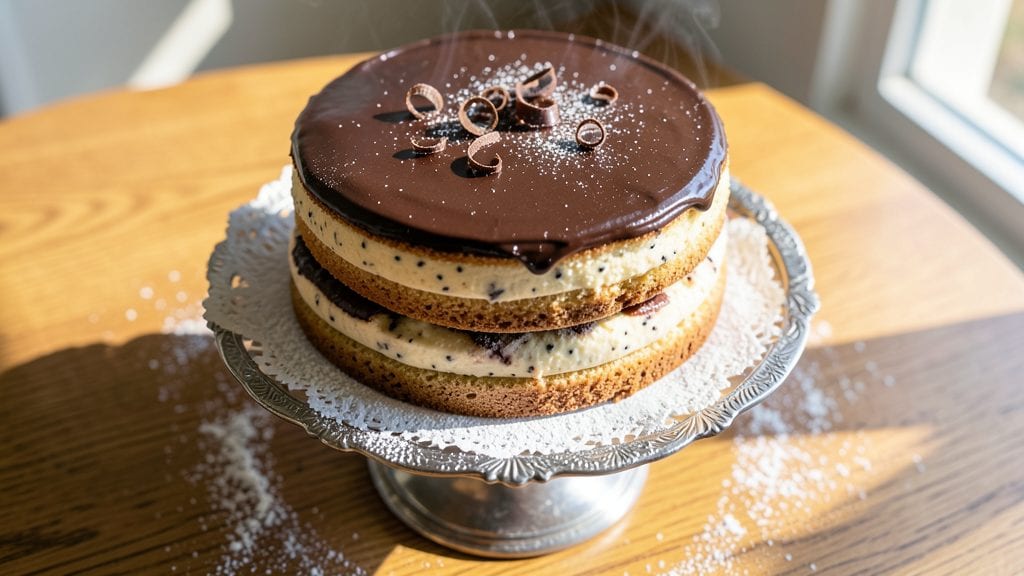
This old-fashioned eclair cake recipe brings back the nostalgic charm of classic French pastries with its signature layers of delicate vanilla bean sponge and rich chocolate ganache swirls. The secret lies in balancing traditional techniques—like piping choux pastry for texture—with modern shortcuts that make it achievable at home.
I've perfected this version over years of baking, ensuring each slice delivers that perfect harmony of crisp edges and velvety filling.
The cake starts with a light vanilla bean sponge, infused with real vanilla extract for that authentic aroma. Between the layers, a luscious chocolate ganache swirl adds depth and a touch of indulgence, while a dusting of powdered sugar completes the presentation.
What makes this recipe special is the combination of professional results with simple steps—no advanced baking skills required, just patience and attention to detail.
By the time you slice into this cake, you'll be rewarded with layers of tender sponge, pockets of silky ganache, and a finish that's elegant enough for special occasions yet approachable for weeknight treats.
The aroma alone will transport you to a Parisian café, while the texture delivers that satisfying contrast of crisp and creamy in every bite.
Whether you're celebrating a birthday, hosting a dinner party, or simply craving a decadent dessert, this eclair cake delivers restaurant-quality results with a homemade touch. Let's get started on creating your own masterpiece that will impress even the most discerning guests.
Ingredients for old fashioned eclair cake
Twelve ingredients, twelve layers of nostalgic French charm. Start with these staples for a cake that tastes like a Parisian café.
| Ingredient | Amount | Notes |
|---|---|---|
| All-Purpose Flour 🌾 | 3 cups | Sifted for light texture |
| Granulated Sugar 🍚 | 2 cups | White or light brown |
| Unsalted Butter 🧈 | 1 ½ cups | Room temperature, cubed |
| Large Eggs 🥚 | 6 whole | Room temperature preferred |
| Pure Vanilla Extract 🌸 | 2 tbsp | Imitation-free for authenticity |
| Vanilla Bean Seeds 🌸 | 1 whole | Scraped from 1 pod |
| Baking Powder 🧪 | 1 ½ tsp | Aluminum-free preferred |
| Salt 🧂 | ½ tsp | Fine sea salt |
| Heavy Whipping Cream 🥛 | 1 ½ cups | Cold for ganache |
| Dark Chocolate Bars 🍫 | 8 oz | 70% cacao, chopped |
| Powdered Sugar 🍚 | 2 cups | For dusting and filling |
| Unflavored Gelatin 🍬 | 1 tbsp | Bloomed in 3 tbsp water |
The vanilla matters—real extract and scraped seeds from a Madagascar bean make all the difference. Trader Joe's carries good quality vanilla extract, but if you're splurging, grab a whole vanilla bean from Williams Sonoma. The chocolate? 70% cacao dark chocolate is ideal—Ghirardelli or Lindt are reliable brands. For the butter, Plugrá is my go-to for that rich, European-style flavor. If you're using store-brand butter, make sure it's unsalted and has at least 80% fat content. The gelatin might be tricky to find—check the baking aisle at Whole Foods or order online if your local store doesn't carry it.
No vanilla bean? Double the extract—just know it won't taste the same. Out of dark chocolate? Semisweet chocolate chips work in a pinch, but melt them first to smooth out the texture. The gelatin can be swapped for agar-agar powder at half the amount, though it gives a slightly firmer set. For the butter, European-style butter is ideal, but regular unsalted butter works fine if you're in a hurry. If you're making this ahead, bloom the gelatin a day early and store it in the fridge—saves time on baking day. The flour should be sifted, but if you're short on time, whisk it vigorously in the bowl to aerate it.
The sponge keeps best for 2 days wrapped tightly in plastic, but the ganache can be made 3 days ahead—just reheat gently before assembling. Once fully assembled, this cake stays fresh for 4 days at room temperature, covered loosely. For longer storage, wrap each layer separately in plastic wrap and freeze for up to 2 months. Thaw at room temperature before assembling. The powdered sugar dusting should be done just before serving—it loses its magic if done too early.
Why You'll Love This Recipe
- No Mixer Needed: I swear by this recipe because it’s all about the creaming method—just butter, sugar, and eggs beaten by hand until light and fluffy. No fancy equipment, no electric mixer, just elbow grease (or a sturdy fork if you’re lazy like me).
- Vanilla Buttercream Magic: That classic vanilla extract and butter combo in the filling? It’s where this cake gets its soul. The moment the warm cake meets that rich, buttery frosting—oh, it’s like a hug for your taste buds. Simple, but so satisfying.
- Crowd-Pleaser Any Day: From birthday parties to Sunday brunches, this cake disappears fast. Honestly, it’s the kind of dessert that makes people ask, “What’s in it?”—even though it’s just flour, sugar, and love (plus a little vanilla).
- Budget-Friendly Luxury: Five ingredients, minimal waste, and leftovers that taste just as good the next day. I’ll be real: this recipe saved me from buying expensive bakery cakes while still feeling fancy. Win-win.
Step-by-step instructions for vanilla bean layers and chocolate ganache swirls
Here's how to create that classic eclair cake with moist vanilla layers and rich chocolate swirls.
Prepare the Vanilla Bean Cake Layers
Preheat your oven to 350°F and grease three 9-inch round cake pans with butter or line them with parchment paper. In a large mixing bowl, cream together the 1.5 cups unsalted butter and 2 cups granulated sugar on medium speed until light and fluffy, about 3-4 minutes. Scrape down the sides of the bowl as needed.
Add the 6 whole large eggs, one at a time, mixing well after each addition. Stir in the 2 tablespoons pure vanilla extract and the seeds from the 1 whole vanilla bean. In a separate bowl, whisk together the 3 cups all-purpose flour, 1.5 teaspoons baking powder, and 0.5 teaspoon salt. Gradually add the dry ingredients to the wet, mixing on low speed just until combined—don't overmix.
Divide the batter evenly among the prepared pans. Bake for 25-30 minutes, or until a toothpick inserted into the center comes out clean. Let the layers cool in the pans for 10 minutes before transferring to a wire rack to cool completely.
Make the Chocolate Ganache Filling
Chop the 8 ounces dark chocolate bars into small pieces and place them in a heatproof bowl. Pour the 1.5 cups heavy whipping cream over the chocolate and let it sit for 2 minutes to soften. Gently heat the mixture in a microwave-safe bowl in 30-second intervals, stirring between each, until the chocolate is completely melted and the ganache is smooth. Let it cool slightly to room temperature.
While the ganache cools, bloom the 1 tablespoon unflavored gelatin in 3 tablespoons cold water for 5 minutes to soften. Stir the bloomed gelatin into the warm ganache until fully dissolved. This step ensures your ganache will hold its shape beautifully between the layers.
Assemble the Eclair Cake
Place one cake layer on a serving plate or cake stand. Spread a thin layer of the chocolate ganache over the top, leaving about ½ inch border around the edges. This prevents the ganache from oozing out during slicing. Repeat with the second layer, adding another layer of ganache, then the final layer.
Once the top layer is in place, pour the remaining ganache over the top and spread it evenly with a spatula. Dust the entire cake generously with the 2 cups powdered sugar for a classic finish. Chill the cake in the refrigerator for at least 4 hours, or preferably overnight, to allow the ganache to set completely.
Serve and Enjoy
Before serving, run a knife around the edges of the cake to loosen it from the plate. Slice using a long serrated knife, wiping the blade clean between each cut for neat, clean slices. The cake should hold its shape beautifully, with rich chocolate swirls peeking through the powdered sugar dusting.
Serve chilled and enjoy the perfect balance of moist vanilla cake and velvety chocolate ganache. This old-fashioned eclair cake is sure to impress with its elegant layers and decadent flavors.
Pro Tips For Making Old Fashioned Eclair Cake
- Chill the Dough: I learned this the hard way—skipping the 30-minute fridge rest makes the cake dense and gummy. Cold butter behaves better when it hits the oven, and letting the batter sit lets the flour absorb moisture evenly. Trust me, your future self will notice the difference in texture.
- Sift That Flour: This isn’t just about aeration—it’s about avoiding lumps that turn into weird pockets in your cake. Use a fine-mesh sieve and tap the bowl gently to break up any hidden clumps before mixing. (Yes, even if you’re impatient like me.)
- Room-Temp Eggs Only: Cold eggs? They’ll curdle when mixed with hot butter, leaving you with a lumpy batter. Pop those eggs in warm water for 5 minutes before cracking them—smooth mixing leads to a lighter cake. No excuses.
- Don’t Overbake the Layers: The second layer’s temptation to bake it “just like the first” is real, but this cake dries out fast. Pull it out when the center’s just set—it’ll firm up as it cools. A toothpick with a few crumbs? Perfect. A dry one? Too late.
Regional styles of this recipe
French Parisian Classic
The original eclair cake, or gâteau à l'éclair, originated in Parisian pâtisseries during the early 20th century. This version features delicate choux pastry layers filled with vanilla custard and topped with chocolate ganache.
Traditional recipes use pâte à choux for a crisp exterior and light interior, but my vanilla sponge adaptation keeps the nostalgic French charm while being more approachable for home bakers. 🥖
New Orleans Twist
In New Orleans, this cake gets a Southern flair with beignets-inspired layers—think crispy, square-shaped sponge cakes filled with café au lait-flavored custard. The ganache is often replaced with a praline cream made from ground pecans and brown sugar, giving it a distinctively Creole taste.
I’ve seen versions where the top layer is dusted with powdered sugar and cinnamon instead of plain powdered sugar for extra warmth.
Italian Gelato-Inspired
Italian bakeries often adapt this cake by infusing the vanilla sponge with espresso powder and topping it with mascarpone cream instead of ganache. The filling might also include chocolate chunks or hazelnut spread for a Nutella-like twist.
For a true Italian touch, finish with a drizzle of dark chocolate and a sprinkle of crushed amaretti cookies on top. This version feels lighter and more refreshing, perfect for summer gatherings.
Modern Shortcut Version
For a quicker take, many home bakers use store-bought pound cake layers instead of homemade sponge. Swap the ganache for whipped cream mixed with Nutella or chocolate pudding, then layer with crushed Oreos or shortbread cookies for texture.
This version is ideal for last-minute celebrations and still delivers that satisfying contrast of textures. Just be sure to chill the cake for at least 2 hours before slicing to keep the layers intact. ❄️
Swiss Fondue-Inspired
In Switzerland, this cake often incorporates fondue flavors—think a Gruyère-infused custard between the layers and a white chocolate and raspberry ganache on top. The sponge might also include grated apple or almond flour for a nutty depth.
For a true Alpine twist, dust the finished cake with powdered sugar and edible gold leaf for a luxurious finish. This version is perfect for holiday celebrations and feels extra indulgent.
Japanese Matcha Adaptation
Japanese bakeries often create a matcha-green tea version of this cake, using matcha powder in the sponge and a white chocolate and matcha ganache for the filling. The layers are sometimes dusted with kinako (roasted soybean flour) for a nutty contrast.
This adaptation is lighter in color but packed with earthy, umami-rich flavors. Pair it with Japanese black tea for a sophisticated dessert experience. 🍵
Nutrition facts
Frequently asked questions
Can I substitute vanilla extract with vanilla bean paste?
Yes, but adjust the amounts carefully. Use 1 tablespoon vanilla bean paste instead of 2 tablespoons extract, since paste is more concentrated. The seeds add beautiful speckles to the cake layers, enhancing that authentic French flavor. Just scrape the paste thoroughly to release all the flavor before mixing.
How do I prevent my cake layers from cracking?
Cracking usually happens from overmixing or uneven baking. Mix the batter just until combined—stop when no dry flour remains. Bake the layers for 25-30 minutes at 350°F and check for doneness with a toothpick. Let them cool completely in the pans for 10 minutes before removing to prevent structural stress. A cracked layer can still be used—just fill the cracks with extra ganache during assembly.
What's the best way to make this cake ahead of time?
Assemble the cake layers up to 2 days ahead and refrigerate. The ganache will firm up nicely, but bring it to room temperature before serving. For longer storage, wrap each layer separately in plastic wrap and freeze for up to 2 months. Thaw overnight in the fridge before assembling. The powdered sugar should be added just before serving to keep it fresh and fluffy.
Can I make this cake without gelatin?
Replace the 1 tablespoon gelatin with 1 tablespoon agar-agar powder (use half the amount) or 2 teaspoons powdered pectin. For a dairy-free option, use 1 tablespoon cornstarch mixed with 1 tablespoon cold water—cook it into the warm ganache until thickened. These alternatives will still give your ganache a stable, swirl-worthy texture without gelatin.
Why is my ganache too thick or grainy?
Grainy ganache usually means the chocolate wasn't melted evenly. Chop the chocolate finely and heat the cream to 180°F (not boiling) before pouring over it. Stir gently until completely smooth, then let it cool slightly before adding gelatin. If it's too thick, reheat gently with 1 teaspoon cream at a time until silky. Always strain it through a fine-mesh sieve before using for a flawless finish.