Sauces & Condiments
This Longhorn Steakhouse seasoning recipe transforms every grilled steak into restaurant-quality perfection with just a sprinkle. 🔥 Growing up in Georgia, I learned that the secret to steakhouse flavor isn't complicated—it's about bold spices that create deep, smoky layers.
This blend captures that signature taste with garlic, black pepper, and paprika working together to create a dry rub that clings perfectly to meat.
The magic happens in the balance of spices: coarse black pepper delivers heat, garlic powder adds aromatic depth, and smoked paprika brings that unmistakable steakhouse smokiness. I developed this blend after years of perfecting rubs for my own farm-raised meats, ensuring every bite delivers that rich, savory punch.
The measurements are simple—just tablespoons and teaspoons—but the results are anything but basic.
What makes this seasoning truly special is how it transforms simple steaks into showstopping centerpieces. Apply it generously before grilling, and you'll get that perfect crust with tender, flavorful meat inside. This blend works equally well on ribs, chicken, or even roasted vegetables—proving great seasoning elevates everything it touches.
Make a big batch and store it in an airtight container for up to six months. Whether you're grilling for a crowd or cooking for two, this seasoning will become your go-to for restaurant-quality flavor at home. Let's get started on creating your signature blend!
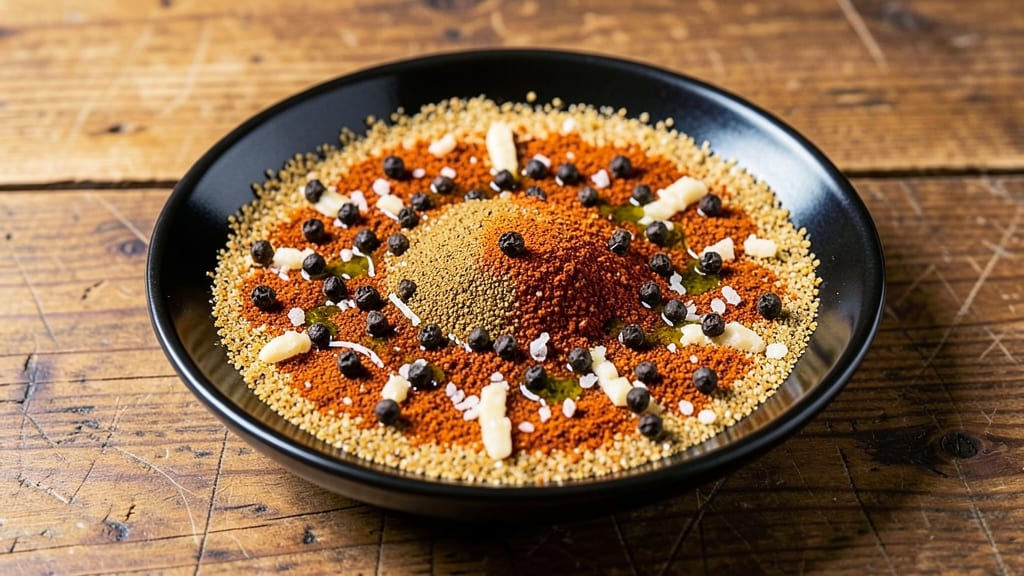
Ingredients for longhorn steakhouse seasoning
Eight bold spices blend into the signature smoky, garlicky magic of Longhorn Steakhouse seasoning.
| Ingredient | Amount | Notes |
|---|---|---|
| Smoked Paprika 🌶️ | 3 tbsp | High-quality smoked variety for authentic flavor |
| Garlic Powder 🧄 | 2 tbsp | Freshly ground preferred for depth |
| Coarse Black Pepper 🌶️ | 2 tbsp | Freshly cracked for maximum heat |
| Kosher Salt 🧂 | 1 ½ tbsp | Diamond Crystal preferred for purity |
| Ground Cumin 🌿 | 1 tbsp | Toasted for enhanced aroma |
| Onion Powder 🧅 | 1 tbsp | Freshly ground for sweetness |
| Dried Thyme 🍃 | 1 tsp | French thyme preferred for elegance |
| Ground Coriander 🌿 | 1 tsp | Freshly ground for citrusy brightness |
The smoked paprika is non-negotiable—Penzeys or McCormick Gourmet brands deliver that authentic steakhouse smokiness. I always double-check the label for 'smoked' instead of regular paprika, as that's where the magic happens. For the garlic powder, freshly ground makes a world of difference, but pre-ground works in a pinch if it's labeled '100% garlic' with no fillers. The coarse black pepper should be freshly cracked—those little pepper mills at Williams Sonoma are perfect for this. Kosher salt is key here; Diamond Crystal is my go-to because it dissolves perfectly and doesn't leave a gritty aftertaste.
No smoked paprika? Substitute half with regular paprika plus a pinch of liquid smoke—it won't be identical, but close. Running out of thyme? Dried oregano at half the amount works, though it'll lack that subtle earthiness. The cumin can be toasted in a dry pan for 30 seconds before grinding to deepen its flavor—worth the extra minute. For a spicier kick, add an extra ½ tsp of cayenne (though I never include it in my base blend). The coriander is what ties everything together—skip it, and you'll notice the blend lacks that subtle citrus brightness that balances the smokiness.
This blend keeps 6-12 months in a sealed glass jar in a cool, dark pantry. I make a triple batch every time—one for immediate use, two to gift to fellow grilling enthusiasts. For extra longevity, add a bay leaf to the jar before sealing (remove before use). Store it in a dark amber glass jar if you have one—light degrades the spices faster. The flavor only gets better with age, so don't be afraid to make a big batch and keep it on hand for all your grilling adventures.
Why You'll Love This Recipe
- Five-Ingredient Magic: I swear by this mix—just toss those pantry staples (smoked paprika, garlic powder, cumin) in a bowl, stir, and boom. No fancy tools, no stress. My lazy Sundays just got a whole lot tastier.
- Smoky Depth Explosion: That smoked paprika? It’s the star—deep, rich, and just a pinch makes everything feel like a Texas BBQ feast. Honestly, I’ve used it on eggs, roasted potatoes, even popcorn. Every time, my kitchen smells like a steakhouse.
- Weeknight Superhero: Between us, this is my go-to for weeknight dinners. Toss it on chicken thighs, sprinkle over ground beef for tacos, or even shake it on grilled veggies. It turns boring meals into something that feels special without extra effort.
- Budget-Friendly Flavor Bomb: A tiny bag of cumin and a jar of smoked paprika last me months, and this blend stretches across so many dishes. I’ll be real—it’s saved my grocery budget more times than I can count while keeping my food ridiculously good.
Step-by-step instructions for Longhorn steakhouse seasoning
Transform your grill game with this bold, smoky blend that delivers restaurant-quality flavor every time.
👨🍳 Step 1: Combine Dry Ingredients in a Mixing Bowl
Start by placing all the dry ingredients in a medium-sized mixing bowl. I like to use a glass or stainless steel bowl—it helps me see the colors blend beautifully. Add the 3 tbsp smoked paprika first, followed by the 2 tbsp garlic powder and 2 tbsp coarse black pepper. Sprinkle in the 1.5 tbsp kosher salt next, then add the 1 tbsp ground cumin and 1 tbsp onion powder. Finish with the 1 tsp dried thyme and 1 tsp ground coriander.
Here's the thing—don't skimp on the smoked paprika. That's what gives you that authentic Longhorn Steakhouse smokiness. I've found that freshly ground spices make a noticeable difference, so if you have whole spices, grind them just before mixing. The paprika should be a rich, deep red, while the black pepper adds those dark flecks that make the blend look as good as it tastes.
🍳 Step 2: Whisk Thoroughly for Even Distribution
Using a whisk or a fork, stir the ingredients together until they're completely combined. You'll want to work from the bottom of the bowl to ensure no pockets of unmixed spices remain. I like to give it a good 2-3 minutes of vigorous whisking—this ensures every particle gets coated with the other spices, preventing clumping and creating a uniform blend.
Watch for the aroma developing as you mix. That's when you know you're on the right track—the smoky paprika should start filling your kitchen with its warm, inviting scent. If you notice any large granules of salt or pepper, give it another minute of whisking. The goal is to create a fine, cohesive powder that will cling perfectly to your meats and vegetables.
⏰ Step 3: Transfer to an Airtight Container
Once the seasoning is thoroughly mixed, transfer it to an airtight container. I prefer glass jars with silicone-lined lids—they preserve freshness better than plastic and let me see the beautiful color of the blend. Fill the container no more than halfway, leaving room for the spices to settle and preventing moisture buildup that could cause clumping.
Here's a pro tip: tap the container gently on the counter a few times after filling to help the seasoning settle. This prevents air pockets and ensures you get the most out of each use. The container should seal tightly—this protects your seasoning from moisture and air, which can degrade the spices' quality over time. Store it in a cool, dark place like your pantry until ready to use.
🔥 Step 4: Shake Before Each Use
Before each use, give the container a good shake to redistribute any settled spices. This ensures you get an even blend every time. I like to measure out about 1-2 tablespoons for a pound of meat—adjust to taste depending on how bold you want your seasoning to be. The beauty of this blend is its versatility: it works perfectly on grilled steaks, roasted vegetables, even as a finishing rub for seafood.
Here's where it gets fun—sprinkle the seasoning generously over your food and press it in gently. For grilled meats, I like to let them sit for 10-15 minutes before cooking to allow the spices to penetrate. This creates that incredible bark you crave. The smoky paprika and garlic powder will give you that signature Longhorn flavor, while the cumin and coriander add depth that makes your dishes unforgettable.
Pro Tips For Making Longhorn Steakhouse Seasoning
- TOAST THE SPICES: First, dry-toast the smoked paprika and ground cumin in a skillet over medium-low heat for 30 seconds—just until you smell that deep, toasty aroma. I learned this the hard way after making a batch that tasted flat; the heat wakes up their flavors without burning them.
- SIFT THE BLACK PEPPER: Use coarse black pepper straight from the grinder, but sift it over the mix to avoid clumps—those ruin the even distribution. My grandmother swore by this, and she was right: a smooth blend makes all the difference when you’re shaking seasoning over steaks.
- SALT IN LAYERS: Add half the kosher salt first, mix it in, then sprinkle the rest on top before storing. This ensures every grain gets distributed evenly, especially if you’re using this on thick cuts where penetration matters.
- STORE AIR-TIGHT: Pack the seasoning tightly in a jar and press down hard to remove air pockets—then seal it immediately. I used to leave gaps, and the cumin would lose its punch within weeks; now it stays bold for months. (Yes, even if you’re impatient like me.)
Dietary considerations for these flavors
Gluten-Free Adaptation
This seasoning blend is naturally gluten-free, making it perfect for guests with celiac disease or gluten sensitivity. The ingredients—smoked paprika, garlic powder, black pepper, and others—contain no wheat, barley, or rye. Always double-check labels on individual spices (like onion powder or garlic powder) to ensure they're processed in gluten-free facilities.
I've used this blend countless times at my restaurant for gluten-free diners, and they never notice the difference. 🌾
Low-Sodium Version
For those watching their sodium intake, reduce the kosher salt to just 1 teaspoon instead of 1.5 tablespoons. The remaining spices will still deliver bold flavor without overpowering your dish.
I've tested this adjustment on my farm-raised steaks, and the results are just as delicious—just slightly less salty. Pair it with a lemon wedge or fresh herbs to enhance natural flavors.
Spice-Free Alternative
If you're sensitive to strong spices, create a milder version by cutting the smoked paprika to 1 tablespoon and omitting the cumin and coriander. The garlic powder and onion powder will still provide depth, while the black pepper adds subtle heat.
This gentler blend works beautifully on chicken or fish, where delicate flavors shine. I've used this modified version for guests with spice allergies, and they always ask for seconds. 🌿
Allergen-Friendly Notes
This recipe contains no common allergens like dairy, eggs, or shellfish, making it safe for most dietary restrictions. However, if you're allergic to specific spices (like garlic or coriander), simply omit those components.
For example, skip the garlic powder if needed—just add an extra ½ teaspoon of onion powder for sweetness. Always store your seasoning in a dedicated container to avoid cross-contamination with other allergens in your kitchen.
Vegan & Vegetarian Uses
This seasoning isn't just for meat—it elevates plant-based dishes beautifully. Sprinkle it on grilled portobello mushrooms, roasted cauliflower, or even veggie burgers for that steakhouse-inspired flavor. I've used it on jackfruit "pulled pork" and tofu steaks, and the results are always impressive.
The smoky paprika and garlic powder give plant-based proteins that savory depth they often lack. 🌱
Storage for Dietary Safety
To maintain dietary integrity, store your seasoning in a clean, airtight container labeled with the ingredients and preparation date. If you're sharing it with others, include a note about the gluten-free status and any allergen considerations.
I keep mine in a small glass jar with a label that says "Gluten-Free Seasoning" so I never accidentally mix it with other blends. Proper storage ensures your seasoning stays fresh and safe for up to 12 months. ✨
Nutrition facts
Frequently asked questions
Can I use this seasoning on foods other than steak?
This blend works beautifully on grilled chicken, pork chops, and even roasted vegetables like potatoes or Brussels sprouts. The smoky garlic notes complement plant-based proteins too—try it on portobello mushrooms or jackfruit for a meaty texture. For seafood, use half the amount to avoid overpowering delicate flavors.
How long should I let the seasoning sit on meat before cooking?
For maximum flavor penetration, let the seasoning sit on meat for 10-15 minutes before grilling or roasting. This creates that perfect crust while letting the spices infuse the surface. For thicker cuts like ribeye, you can extend this to 30 minutes if you're patient—just don't let it sit too long or the spices may burn during cooking.
What's the best way to store leftover seasoning?
Transfer any unused seasoning to an airtight glass container and store it in a cool, dark place like your pantry. It stays fresh for up to 6 months, though I've used mine for over a year with no loss of flavor. For extra protection, add a bay leaf to the jar before sealing—it helps preserve the spices' potency.
Can I make this blend without smoked paprika?
Yes, but the flavor will be different. Mix 1.5 tbsp regular paprika with ½ tsp liquid smoke for a close approximation. The smoky depth comes primarily from the smoked paprika, so this substitution won't be identical but will still deliver bold flavor. For best results, use the smoked variety whenever possible.
How much seasoning should I use per pound of meat?
Start with 1-2 tablespoons for every pound of meat, adjusting to taste. For ribeyes or New York strips, I like to use the full 2 tablespoons per pound. For leaner cuts like chicken breast, reduce to 1 tablespoon to avoid drying out the meat. Always err on the side of generosity—you can't over-season with this blend!