Side Dishes
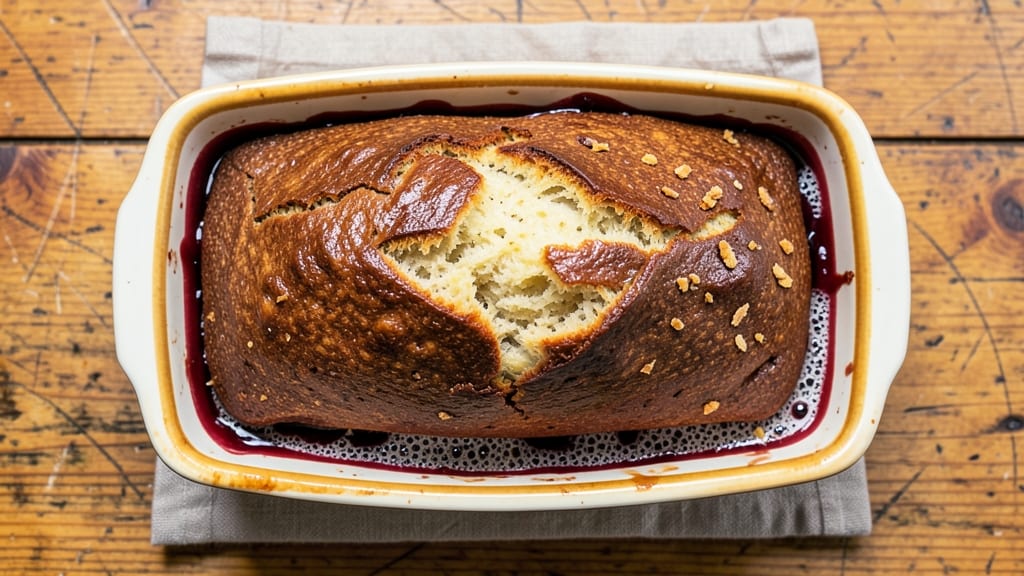
This Guinness stout bread recipe transforms a classic loaf into a decadent centerpiece with its signature dark crust and moist, rich interior—all thanks to the deep maltiness of Guinness stout.
The beer's caramel notes and subtle bitterness create a flavor profile that's both bold and balanced, while its natural sugars contribute to a tender crumb that stays fresh for days. I've perfected this recipe after years of baking, ensuring the beer's essence shines without overpowering the bread's natural wheat flavor.
The secret to success lies in the dough's hydration and fermentation time. Unlike traditional bread, this version incorporates the stout gradually during mixing to avoid overworking the gluten, which could make the crumb too dense.
A slow rise at room temperature allows the yeast and beer to develop complex flavors, while a brief cold proof in the refrigerator enhances the bread's structure for a perfect oven spring. The result?
A loaf with a deep mahogany crust and a moist, slightly chewy interior that crumbles just enough to hold onto every bite.
What makes this recipe particularly rewarding is its versatility—you can keep it simple with just the beer, flour, and yeast, or elevate it with optional additions like plump raisins, toasted walnuts, or fresh rosemary for added texture and aroma.
The bread pairs beautifully with hearty stews, roasted meats, or even as a standalone treat with butter and honey. Every slice carries the depth of the stout, making it a standout side dish that feels like a celebration in itself.
For home bakers, this recipe delivers professional-quality results with minimal effort. The dough requires no kneading, and the baking process is straightforward, ensuring a foolproof outcome even on busy weeknights.
Whether you're serving it at a dinner party or enjoying a quiet evening at home, this Guinness stout bread is sure to impress with its rich flavor and satisfying texture.
Ingredients for guinness stout bread
The perfect balance of beer, flour, and yeast creates a rich loaf with deep flavor.
| Ingredient | Amount | Notes |
|---|---|---|
| Guinness Stout 🍺 | 1 ½ cups | Cold, not warm, for optimal flavor |
| All-Purpose Flour 🌾 | 4 cups | King Arthur or similar high-gluten |
| Instant Yeast 🍞 | 2 ½ tsp | Active dry works too (use 2 tsp) |
| Granulated Sugar 🍚 | 1 tbsp | Feeds yeast for fermentation |
| Salt 🧂 | 1 ½ tsp | Diamond Crystal preferred |
| Unsalted Butter 🧈 | ½ cup | Cold, cubed for dough enrichment |
| Whole Milk 🥛 | ½ cup | Warmed to 100°F for activation |
| Plump Raisins 🍇 | ½ cup | Optional, soaked in warm water |
| Toasted Walnuts 🥜 | ½ cup | Optional, chopped for texture |
| Fresh Rosemary 🌿 | 2 tbsp | Optional, finely chopped |
| Cornmeal 🌽 | ¼ cup | For dusting baking sheet |
| Large Egg 🥚 | 1 whole | For egg wash (optional) |
| Coarse Sea Salt 🧂 | 1 tbsp | For sprinkling crust |
The Guinness stout is non-negotiable here—use the cold, unopened bottle from your fridge for maximum freshness. Most grocery stores carry it, but Whole Foods or specialty beer shops often have it on tap if you prefer draft. For the flour, King Arthur or similar high-gluten bread flour ensures that signature chewy texture. If you can't find it, all-purpose plus 1 tsp vital wheat gluten works in a pinch. The yeast should be freshly opened—old packets lose potency. Store-bought raisins? Soak them in warm water for 10 minutes to plump them up before adding to the dough. Toast your walnuts in a dry pan for 3-4 minutes until fragrant, then chop them coarsely.
No Guinness? Stout beer from Guinness or other brands like Black Label works, but avoid lagers or pale ales—they lack the malt depth. Running short on time? Substitute 1.5 cups of warm water plus 1 tbsp molasses for the beer, but expect a less complex flavor. Fresh rosemary is ideal, but dried works at half the amount (1 tbsp). For the butter, full-fat is essential—reduced-fat versions won't give the same richness. If you're avoiding dairy, olive oil at the same quantity can replace the butter, though the flavor will shift slightly. The optional add-ins—raisins, walnuts, and rosemary—are all about personal preference, but they add layers of texture and aroma that elevate the bread.
This dough keeps well in the fridge for up to 24 hours before shaping, which gives you flexibility for busy schedules. Once baked, the loaf stays fresh for 3-4 days at room temperature, wrapped in a clean kitchen towel. For longer storage, freeze slices wrapped in parchment paper—they reheat beautifully in a toaster or oven. The crust develops best when baked immediately, but if you must store the shaped loaf, cover it loosely with plastic and let it sit at room temperature for 1-2 hours before baking to allow the gluten to relax. The egg wash adds shine and helps create that signature dark crust, but it's optional if you're avoiding eggs.
Why You'll Love This Recipe
- No-Knead Magic: I swear by this—just mix the dough, let it rise overnight, and bake. The Guinness does all the work for you, giving that rich depth without extra effort. Honestly, my lazy Sunday mornings have never tasted better.
- Coffeehouse Vibes: That first bite? It’s like biting into a cross between a sourdough loaf and a dark chocolate brownie—deep, toasty, and just a hint of malty sweetness. The sugar and stout balance perfectly, so it’s never cloying, just ridiculously good.
- Weeknight Workhorse: This bread keeps for days in the freezer (yes, I’ve tested it) and toasts up like a dream. Slap it on sandwiches, pair it with soup, or just eat it straight—it’s my go-to when I’m too tired to plan dinner. (Between us, it’s saved more than one takeout order.)
- Pocketbook Perk: Guinness is cheap, flour lasts forever, and you’re using yeast that’s already a pantry staple. For under $5, I get a loaf that feels fancy enough for company but simple enough for a Tuesday. Budget-friendly doesn’t mean boring—this proves it.
Step-by-step instructions for Guinness stout bread
Here's how to craft a bread with a rich, dark crust and moist interior using cold beer for depth.
Activate the Yeast with Cold Guinness Stout
In a small bowl, combine the 1.5 cups cold Guinness Stout with 1 tablespoon granulated sugar and 2.5 teaspoons instant yeast. Let this mixture sit for 5 minutes until it becomes foamy. The cold beer prevents overproofing while activating the yeast gradually. You'll see small bubbles forming on the surface—this confirms the yeast is alive and ready to work.
While waiting, warm the 0.5 cup whole milk to 100°F in a separate container. This temperature activates the milk's enzymes without cooking the proteins. Keep the milk warm until you're ready to incorporate it into the dough. The combination of cold beer and warm milk creates a balanced fermentation environment that develops rich flavor without overproofing.
Mix the Dough with Butter and Hydrated Ingredients
In a large mixing bowl, combine the 4 cups all-purpose flour and 1.5 teaspoons salt. Make a well in the center and pour in the yeast mixture, warm milk, and 0.5 cup cold cubed unsalted butter. Using a wooden spoon or dough whisk, mix until the ingredients begin to come together. The butter should start to incorporate but remain in small clumps—this prevents overdevelopment of gluten.
Add the 0.5 cup plump raisins and 0.5 cup toasted walnuts (if using) along with 2 tablespoons finely chopped fresh rosemary. Mix gently until these ingredients are evenly distributed throughout the dough. The raisins and walnuts will add texture and moisture, while the rosemary contributes an aromatic depth that pairs beautifully with the beer's maltiness. Avoid overmixing at this stage—you want to preserve some raw gluten for structure.
Knead the Dough Until Elastic
Transfer the dough to a lightly floured surface and knead for 8-10 minutes until it becomes smooth and elastic. You'll know it's ready when it springs back slowly when poked. The beer dough is stickier than traditional doughs, so add flour only as needed to prevent drying. I like to use the "windowpane test"—hold the dough up to light and stretch it thin. If you can see light through it without tearing, it's properly developed.
Shape the dough into a round loaf and place it in a lightly greased bowl. Cover with a damp towel and let it rise in a warm place for 1-1.5 hours or until doubled in size. The beer's carbonation helps create a lighter texture, but the dough will rise more slowly than traditional bread. Poke the dough gently—if it springs back slowly, it's ready for shaping. If it springs back quickly, give it another 20-30 minutes of rising time.
Shape and Proof the Loaf
Turn the dough out onto a lightly floured surface and shape it into a round loaf, about 8 inches in diameter. Place it seam-side up on a baking sheet dusted with 0.25 cup cornmeal. This creates a crispy bottom crust and prevents sticking. Cover the loaf with a damp towel and let it proof for another 30-45 minutes until it has risen noticeably and feels firm to the touch.
While the loaf proofs, preheat your oven to 375°F. Brush the loaf with the 1 whole large egg (beaten) for a golden finish. Sprinkle generously with 1 tablespoon coarse sea salt over the top. The salt enhances the beer's flavor and creates a beautiful crust. The egg wash also helps develop that rich, dark crust characteristic of Guinness bread.
Bake Until Deep Golden and Internal Temp Reaches 190°F
Bake the loaf for 35-40 minutes until it's deep golden brown and sounds hollow when tapped on the bottom. The internal temperature should reach 190°F at the center. The beer's alcohol content contributes to a moist crumb, but the high baking temperature ensures a crispy exterior. If the top browns too quickly, tent the loaf with foil to prevent over-browning while the interior finishes baking.
Remove the loaf from the oven and let it cool on a wire rack for at least 1 hour before slicing. This resting period allows the internal structure to set and prevents a gummy texture. The bread will have a rich, dark crust with a moist, slightly dense crumb that's perfect for sandwiches or serving with soups. The beer's maltiness shines through in every bite, creating a bread that's as flavorful as it is satisfying.
Pro Tips For Making Guinness Stout Bread
- Warm the Guinness First: Pour your Guinness into a clean bowl and let it sit for 5 minutes before mixing with the flour—it’ll dissolve the sugar and yeast faster. Cold stout makes the dough sluggish, and nobody wants a lazy rise.
- Don’t Skimp on the Knead: This isn’t your average bread—knead the dough for a solid 10 minutes by hand (or 5-6 minutes with a mixer) until it’s smooth and springs back when poked. The stout makes the dough sticky; resist the urge to rush it.
- Proof at Room Temp Only: Skip the fridge—let the dough rise in a warm (75°F/24°C) spot for 1-1.5 hours until nearly doubled. Cold slows the yeast, and you’ll end up with a dense loaf that tastes more like porridge than bread.
- Brush with Stout, Not Water: Before baking, brush the top with a thin layer of Guinness instead of water for a glossy, rich crust. It adds depth of flavor and prevents a dry exterior—just don’t overdo it, or the bread’ll stick to the pan.
Essential equipment for perfect results
Must-Have Mixing Tools
Start with a large stainless steel mixing bowl (I recommend OXO Good Grips)—the nonstick surface prevents dough from sticking when incorporating cold butter. A wooden spoon or dough whisk helps distribute the beer evenly without overworking the gluten.
For kneading, use a lightly floured surface or a stand mixer with a dough hook attachment (set to speed 2) to save time and energy. The beer dough is stickier than traditional dough, so avoid plastic tools that can absorb moisture and make cleanup difficult. 🌾
Precision Temperature Tools
A digital kitchen thermometer (like Thermoworks SousVide) is essential for monitoring the 100°F warm milk and ensuring your oven reaches 375°F accurately. The beer’s alcohol content can affect fermentation speed, so maintaining precise temperatures helps control rise time.
For baking, an infrared thermometer (such as Kizen) lets you check the loaf’s internal temperature without opening the oven—critical for hitting that 190°F target for a perfect crumb.
Proofing and Rising Essentials
Invest in a proofing basket (like Nordic Ware’s round banneton) for shaping, though a lightly greased bowl works in a pinch. Cover dough with a damp kitchen towel or plastic wrap to trap moisture during the 1-1.5 hour rise.
For cold proofing, use a cooling rack inside a large ziplock bag (place the shaped loaf on the rack, seal the bag, and refrigerate for 12-24 hours)—this enhances flavor and structure. A timer (even your phone) ensures you don’t overproof the dough, which can make the bread dense.
Baking and Crust Development
Use a baking stone (like Lodge Cast Iron) or inverted baking sheet to mimic a professional oven’s heat distribution. Dust your baking surface with cornmeal (not flour) for a crispy bottom crust. A pizza peel helps transfer the loaf without tearing, but a parchment-lined sheet works just as well.
For the egg wash, a small pastry brush (like West Bend) ensures even coverage. A loaf pan (if shaping into a pullman loaf) should be lightly oiled to prevent sticking—coconut oil works best for a neutral flavor.
Cooling and Storage Gear
Let the loaf cool on a wire rack (I love OXO’s reversible design) to prevent sogginess. For storage, wrap cooled slices in parchment paper and place them in an airtight container (like Rubbermaid’s bread box) to maintain freshness for 3-4 days.
If freezing, use quart-sized freezer bags with 1 inch headspace—squeeze out excess air to avoid freezer burn. A sharp serrated knife (such as Mercer Culinary’s) ensures clean slices without crushing the crumb. 💫
Nutrition facts
Frequently asked questions
Why does this bread use cold Guinness stout instead of warm?
Cold stout preserves the beer's complex malt flavors and prevents overproofing during the yeast activation stage. Warm beer would activate the yeast too quickly, leading to a sour or overly fermented taste. The cold temperature also helps maintain the beer's carbonation, which contributes to a lighter crumb. Always use the cold, unopened bottle straight from the fridge for best results.
Can I substitute another dark beer for Guinness?
You can try, but Guinness's unique malt profile is hard to replicate. Look for other stouts like Black Label or Imperial Russian Stout, which have similar depth. Avoid lagers or pale ales—they lack the caramel and roasted malt notes that define this bread's flavor. If substituting, reduce the beer by 1/4 cup since other beers may have different alcohol levels affecting fermentation.
How do I know when the dough is properly kneaded?
Perform the "windowpane test": stretch a small piece of dough thin between your fingers. If it's ready, it should be translucent like a windowpane without tearing. The dough should also spring back slowly when poked. Beer dough is stickier than regular dough, so add flour only as needed to prevent drying. Over-kneading can make the bread tough, so aim for 8-10 minutes of total kneading time.
Why does my bread turn out dense instead of moist?
Dense bread usually means overproofing or underbaking. Check your yeast activation—it should foam within 5 minutes. If the dough rises too quickly during the first proof, it's overproofed. For a moister crumb, ensure your oven reaches 375°F and bake until the internal temperature hits 190°F. The beer's alcohol evaporates during baking, so don't skip the egg wash—it helps develop that signature dark crust that traps moisture.
Can I make this bread without dairy?
Yes! Replace the 0.5 cup butter with 0.5 cup olive oil or vegan butter (like Miyoko's). For the egg wash, use plant-based milk (like almond or oat) thinned with 1 tsp vinegar. The texture will be slightly less rich, but the beer's flavor will still shine. The milk can be substituted with water or non-dairy milk in equal amounts—just warm it to 100°F before mixing.