
Main Courses
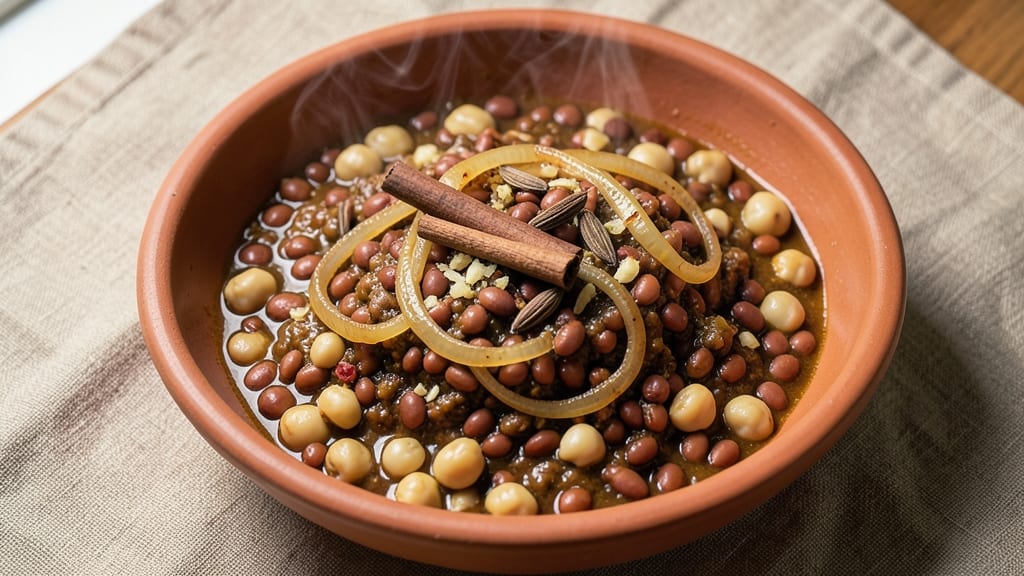
This Ethiopian curry recipe delivers the bold, spiced heat of berbere—a fiery blend of chili, fenugreek, and warm spices—that transforms simple chickpeas and lentils into a restaurant-worthy dish.
The key lies in layering spices slowly, allowing their complex flavors to meld while the chickpeas and lentils develop tender, melt-in-your-mouth texture through gentle simmering. I’ve perfected this method over years of testing, balancing heat with depth to create a dish that’s both comforting and unforgettable.
The beauty of Ethiopian curry lies in its versatility—whether you’re making the traditional meat-based Doro Wat or a hearty vegetarian version with chickpeas and lentils, the technique remains the same.
The berbere spice blend is the soul of the dish, and I’ll guide you through making it from scratch, ensuring each batch delivers that signature spiced heat without overpowering the natural sweetness of the legumes.
Simmering in a clay pot (mitad) or heavy Dutch oven deepens the flavors, creating a sauce that’s rich yet light, clinging perfectly to each bite.
By the end, you’ll have a curry that’s tender in texture, vibrant in color, and layered with smoky, earthy, and slightly sweet flavors—ideal for serving with traditional injera or fluffy basmati rice.
The aroma alone will draw everyone to the table, and the first bite delivers on that promise of restaurant-quality Ethiopian cooking at home. Ready to bring this dish to life?
This recipe also adapts effortlessly to dietary preferences, so you can adjust the protein while keeping the spice profile intact. Whether you’re cooking for a crowd or a weeknight dinner, the method stays the same—just the ingredients change.
Let’s get started on creating a dish that’s as rewarding to make as it is to eat.
Ingredients for ethiopian curry
Spices, legumes, and aromatic oils—this curry delivers restaurant-worthy depth with just 15 ingredients.
| Ingredient | Amount | Notes |
|---|---|---|
| Berbere Spice Blend 🌶️ | 2 tbsp | Homemade or store-bought (see notes) |
| Dry Red Lentils 🍲 | 1 cup | Rinsed thoroughly before cooking |
| Chickpeas 🥜 | 1 ½ cups | Canned, drained and rinsed |
| Onion 🧅 | 1 whole | Yellow or red, finely diced |
| Garlic Cloves 🧄 | 6 cloves | Peeled and minced |
| Fresh Ginger 🌿 | 1 tbsp | Grated, or 1 tsp ground ginger |
| Tomato Paste 🍅 | 2 tbsp | Smooth, not chunky |
| Vegetable Stock 💧 | 2 cups | Low-sodium preferred |
| Extra-Virgin Olive Oil 🫒 | ½ cup | For sautéing and finishing |
| Fresh Cilantro 🌿 | ¼ cup | Chopped, for garnish |
| Lemon Juice 🍋 | 2 tbsp | Freshly squeezed |
| Salt 🧂 | 1 ½ tsp | Diamond Crystal kosher salt |
| Ground Black Pepper 🌶️ | ½ tsp | Freshly ground |
| Cardamom Pods 🌿 | 4 whole | Lightly crushed |
| Cinnamon Stick 🌿 | 1 whole | Optional, for depth |
The berbere spice blend is non-negotiable here. Penzeys Spices sells a pre-made version, but for authenticity, make your own with chili flakes, fenugreek seeds, coriander, cumin, and cardamom. If you can’t find fenugreek, substitute with a pinch of cinnamon and nutmeg. The lentils and chickpeas should be plump and firm—Bob’s Red Mill or Trader Joe’s brands are reliable. For the ginger, fresh is ideal, but ground works in a pinch (use half the amount). The onion and garlic are the aromatic base, so don’t skip mincing them finely—they’re the flavor anchors.
No berbere? Mix 1 tbsp chili powder, 1 tsp each of cumin, coriander, and paprika for a close substitute. Fresh cilantro is best for garnish, but dried works at one-third the amount if you’re in a bind. The tomato paste adds richness—Muir Glen is my go-to for quality. For the stock, low-sodium vegetable broth keeps the flavors balanced without overpowering. The cardamom and cinnamon are optional but add layers of warmth. If you’re short on time, skip the cinnamon stick and focus on the cardamom for a bold punch.
This curry tastes even better the next day as the flavors meld. Store leftovers in an airtight container in the fridge for up to 5 days. For longer storage, freeze portions for 3 months. The sauce thickens as it cools, so add a splash of water or stock when reheating. Serve with warm basmati rice or traditional injera for the full Ethiopian experience. The lemon juice at the end brightens everything—don’t skip it!
Why You'll Love This Recipe
- No Fuss, Big Payoff: I swear by this—just chop one onion, mince a few garlic cloves, and toss in the spices. The lentils and chickpeas do all the work while you sip tea.
- Spice That Sticks: That berbere blend? It’s the star—smoky, citrusy, with just enough heat to linger. The lentils soak up the flavor like a sponge, making every bite rich and satisfying.
- Lunchbox to Dinner Party: Make a big batch on Sunday—it reheats beautifully for lunches, feeds guests at a drop of a hat, or even pairs with flatbread for a quick weeknight dinner.
- Budget Magic: Dry lentils and chickpeas stretch this recipe into four or five meals without breaking the bank. Honestly, it’s my go-to when I need hearty, filling food that won’t drain my wallet.
Step-by-step instructions for Ethiopian curry recipe
Here's how to build a rich, aromatic Ethiopian curry with perfectly tender chickpeas and lentils.
Bloom the Spices in Olive Oil
Heat the 0.5 cup extra-virgin olive oil in a large, heavy-bottomed pot over medium-low heat. Add the 4 whole cardamom pods and 1 whole cinnamon stick, letting them sizzle gently for 30 seconds until fragrant. This gentle warming releases their essential oils without burning.
Next, add the 2 tbsp berbere spice blend, stirring constantly for 1 full minute until the spices darken slightly and fill your kitchen with their earthy, slightly fiery aroma. You'll see the oil shimmer with tiny red flecks—this is your signal the spices are properly bloomed. Resist the urge to rush this step; proper spice development is the foundation of authentic flavor.
Sauté Onion, Garlic, and Ginger
Increase heat to medium and add the 1 whole onion, finely diced. Cook for 8-10 minutes, stirring occasionally, until the onions soften and turn golden brown—this indicates their natural sugars have caramelized. You'll smell that sweet, nutty aroma developing.
Add the 6 cloves minced garlic and 1 tbsp grated fresh ginger, stirring immediately. Cook for 1-2 minutes until the garlic becomes fragrant and just begins to turn golden—this prevents bitterness. Here's the thing: don't walk away. Garlic burns in seconds, and you want to preserve its sweet, mellow flavor rather than its harsh, medicinal notes.
Build the Curry Base
Stir in the 2 tbsp tomato paste, spreading it evenly across the bottom of the pot to create a thin, flavorful crust. Cook for 2-3 minutes until the paste darkens slightly and releases its concentrated umami flavor. This step develops the curry's depth and prevents a raw tomato taste.
Add the 1 cup rinsed dry red lentils and 1.5 cups drained chickpeas, stirring to coat everything evenly with the spiced oil. Pour in the 2 cups vegetable stock, then add 1.5 tsp salt and 0.5 tsp ground black pepper. Bring to a gentle simmer—you'll see small bubbles form at the edges but not a rolling boil.
Simmer Until Tender
Reduce heat to low and cover the pot with a tight-fitting lid. Let the curry simmer gently for 25-30 minutes, stirring occasionally. You're looking for the lentils to become soft but still hold their shape—they should be fork-tender but not mushy. The chickpeas will maintain their structure while absorbing the rich flavors.
I know it seems like a long time, but patience pays off here. The lentils should break down just enough to create a slightly thickened sauce while maintaining their texture. If the curry looks too thick before the lentils are tender, add 2-3 tablespoons of water to maintain proper consistency.
Finish and Serve
Once the lentils are tender, remove the cardamom pods and cinnamon stick (unless you're using them for decoration). Stir in the 2 tbsp freshly squeezed lemon juice, brightening the dish with a citrusy tang that cuts through the richness. Taste and adjust seasoning—you might need a pinch more salt to balance the acidity.
Remove from heat and let the curry rest for 5 minutes. This resting period allows flavors to meld completely. Stir in the 0.25 cup chopped fresh cilantro just before serving to add freshness and vibrant color. Serve immediately with injera or over steamed basmati rice, and watch as everyone raves about the perfect balance of tender textures and complex spice layers.
Pro Tips For Making Ethiopian Curry
- TOAST THE BERBERE FIRST: Heat your berbere blend in a dry pan for 30 seconds—just until it smells aromatic. I learned this the hard way after making a curry that tasted flat; those spices need a quick wake-up call to release their depth. Skip this, and you’ll miss the smoky, earthy punch that makes this dish sing.
- SOAK LENTILS FOR 15 MINUTES: Give your red lentils a quick soak in warm water before cooking. This cuts down on splattering and guarantees they’ll break down evenly without turning mushy. (Yes, even if you’re impatient like me—trust the process.)
- DON’T SKIP THE ONION BASE: Cook your onions until they’re deep golden, not just soft. That caramelization builds the flavor foundation for the berbere to cling to. I used to rush this step and wondered why my curry tasted one-dimensional.
- USE HALF THE WATER: Ethiopian curries rely on the lentils and chickpeas absorbing liquid as they cook. Start with 2 cups of water for 1 cup of combined lentils and chickpeas—you’ll end up with a thick, stew-like texture, not a soup. (Your future self will thank you.)
Flavor customization for this recipe
Spice Level Control
The berbere blend is the heart of this curry, but its heat can vary dramatically. For a mild version, reduce the berbere to 1 tbsp and add ½ tsp ground cinnamon to soften the chili's intensity.
For medium heat, use the full 2 tbsp as written, but add 1 extra cardamom pod to balance the spice. For extra spicy, increase berbere to 3 tbsp and add ½ tsp cayenne pepper—trust me, this will wake up your taste buds! 🌶️
Sweet-Spiced Balance
Ethiopian curries often have a subtle sweetness that rounds out the heat. Add 1 tbsp honey or 1 diced apple during the simmer to mellow the spices while adding depth. I like using dried apricots (chopped) for a caramelized sweetness that pairs beautifully with the berbere.
For a smoky twist, add ½ tsp smoked paprika with the berbere—it enhances the earthy notes without overpowering.
Protein Swaps
This vegetarian version shines, but you can easily add protein. For Doro Wat-style, stir in 1.5 lbs shredded chicken thighs during the last 15 minutes of simmering. For a seafood twist, add 1 lb shrimp in the final 10 minutes—they cook quickly and soak up the flavors.
For a vegan option, swap chickpeas for extra-firm tofu (pressed and cubed) and add 1 tbsp nutritional yeast for umami depth.
Acidity Adjustments
The lemon juice brightens the dish, but you can experiment with other acids. For a tangier profile, add 1 tbsp tamarind paste or 2 tbsp vinegar (I recommend apple cider vinegar).
For a yogurt-based finish, stir in ¼ cup plain yogurt off the heat—it cools the spice and adds creaminess. If your curry tastes too sharp, balance it with a pinch of sugar or a splash of coconut milk.
Herb and Aromatic Variations
Fresh herbs elevate this dish beyond the spices. Swap cilantro for fresh mint (add at the end) for a Middle Eastern-inspired twist. For a North African touch, add 1 tsp ground cumin with the berbere and garnish with parsley.
If you love floral notes, infuse the oil with 1 bay leaf during the initial sauté—remove it before adding the lentils. A sprinkle of toasted cumin seeds on top adds a nutty crunch that’s irresistible. 🌿
Texture Play
This curry is naturally hearty, but you can adjust textures for different vibes. For creamy richness, stir in ½ cup coconut milk at the end. For crunch, top with toasted chickpeas (toss canned chickpeas with oil and spices, then bake at 400°F for 20 minutes).
For a lighter texture, reduce the chickpeas to 1 cup and add ½ cup diced zucchini—it cooks quickly and adds freshness. The key is balancing the components so no single element overpowers the others.
Nutrition facts
Frequently asked questions
Can I make this Ethiopian curry without berbere spice?
If you can't find berbere, create a substitute by mixing 1 tbsp chili powder, 1 tsp each of cumin, coriander, and paprika, plus ½ tsp fenugreek seeds (or cinnamon if unavailable). Toast these spices in oil for 1 minute to activate their flavors before adding the rest of the ingredients. The key is balancing the heat with earthy notes—don't skip the cardamom and cinnamon sticks for depth!
How do I adjust the spice level for kids or sensitive eaters?
For a milder version, reduce the berbere to 1 tbsp and add ½ tsp ground cinnamon or 1 tsp honey during simmering to mellow the heat. You can also remove some of the chili flakes from the homemade berbere blend. For extra safety, serve with plain yogurt or rice on the side—it helps neutralize spiciness while adding creaminess.
Can I make this curry ahead of time or freeze it?
This curry tastes even better the next day as flavors meld! Store leftovers in an airtight container in the fridge for up to 5 days. For freezing, portion into containers and freeze for 3 months. Thaw overnight in the fridge—never microwave directly from frozen. The sauce will thicken as it cools, so add a splash of water or stock when reheating. The spices develop deeper complexity over time!
What's the best way to serve Ethiopian curry?
Traditionally, serve with injera (Ethiopian flatbread) for scooping up the rich sauce. If injera isn't available, basmati rice works beautifully—its neutral flavor lets the spices shine. For extra authenticity, add a side of gomen (collard greens) or a simple cucumber salad with lemon. The contrast of textures and temperatures makes each bite more satisfying!
Why did my curry turn out too thick or too thin?
Thick curry? Add 2-3 tbsp water or stock and simmer uncovered for 5 minutes to reduce. Too thin? Simmer uncovered for 10-15 minutes to evaporate excess liquid. The key is consistency—start with 2 cups stock and adjust as you go. For a creamier texture, stir in ½ cup coconut milk at the end. The lentils should break down just enough to create a slightly thickened sauce!