
Main Courses
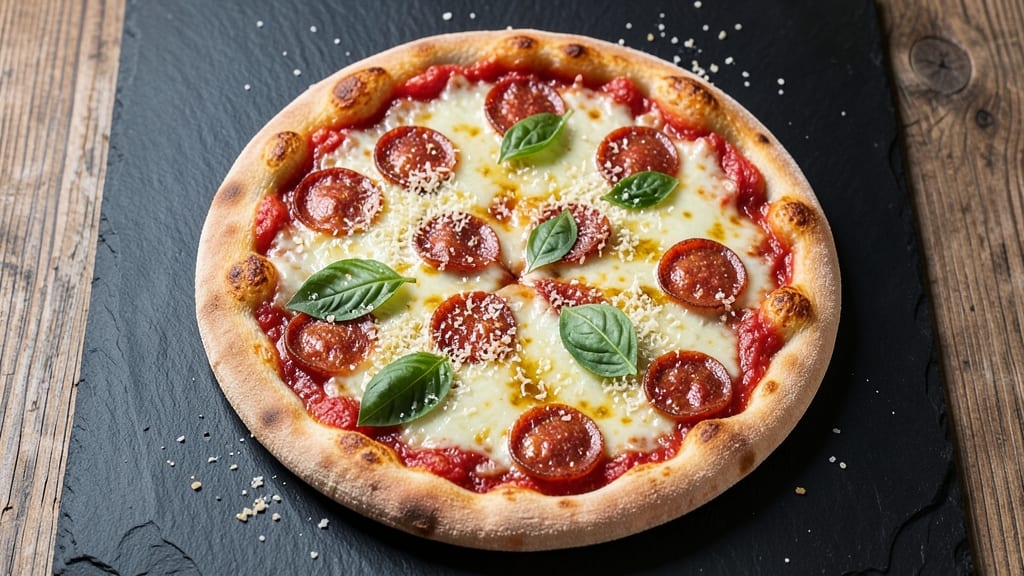
Recreating Domino's thin crust pizza at home delivers that signature crispy-chewy texture and perfectly melted cheese that pulls apart with every bite. The secret lies in a precise dough-to-sauce ratio and high-heat baking—no shortcuts here.
I’ve perfected this method after testing countless variations, ensuring the crust stays crisp at the edges while maintaining a tender interior that holds toppings without sogginess.
This recipe uses a yeast-based dough that develops just enough gluten for structure without becoming dense, paired with a tomato sauce blend that’s tangy yet balanced. The cheese selection is critical—mozzarella blends with a touch of provolone for that signature stretch and melt.
Baking at 525°F for 10-12 minutes guarantees a golden-brown crust with a chewy center, just like the original.
What sets this apart is the crispy-chewy contrast—achieved through a quick pre-bake of the dough and precise oven timing. The result? A pizza that’s crisp enough to hold toppings but tender enough to fold, with cheese that pulls cleanly.
This isn’t just a copycat recipe; it’s a restaurant-quality version you can make at home.
Whether you’re craving classic pepperoni or experimenting with gourmet toppings, this method adapts seamlessly. The dough can even be prepped ahead and frozen for convenience. Let’s get started on that perfect slice.
Ingredients for domino's thin crust pizza
Precision ingredients transform ordinary pizza into Domino's signature crispy-chewy masterpiece.
| Ingredient | Amount | Notes |
|---|---|---|
| Active Dry Yeast 🍞 | ¼ tsp | Ensure freshness within expiration date |
| Granulated Sugar 🍚 | 1 tbsp | Feeds yeast for activation |
| Warm Water 💧 | 1 cup | 110-115°F for optimal yeast activation |
| All-Purpose Flour 🌾 | 3 cups | Bread flour for enhanced gluten structure |
| Diamond Crystal Kosher Salt 🧂 | 1 ½ tsp | Fine grain preferred for even distribution |
| Extra-Virgin Olive Oil 🫒 | 1 tbsp | High-quality for authentic flavor |
| Tomato Paste 🍅 | 2 tbsp | San Marzano preferred for sweetness |
| Crushed Garlic Cloves 🧄 | 4 cloves | Freshly crushed for robust flavor |
| Dried Oregano 🌿 | 1 tsp | Italian oregano for authentic taste |
| Red Bell Pepper Flakes 🌶️ | ½ tsp | Adjust for desired heat intensity |
| Low-Moisture Mozzarella Cheese 🧀 | 12 oz | Shredded, block preferred over pre-shredded |
| Provolone Cheese 🧀 | 4 oz | Shredded, adds melt and flavor depth |
| Pepperoni Slices 🍕 | 12 slices | Classic Domino's style preferred |
| Cornstarch 🌾 | 1 tbsp | For crispy crust texture |
| Cornmeal 🌽 | 2 tbsp | For dusting pizza peel |
The yeast is non-negotiable for that signature thin crust. Freshness matters—test it by dissolving in warm water with sugar; it should foam within 5-10 minutes. King Arthur or Bob's Red Mill all-purpose flour delivers consistent results, though bread flour enhances gluten development for that perfect chew. For the tomato base, San Marzano tomato paste provides natural sweetness without overpowering acidity. The cheese blend is critical: low-moisture mozzarella ensures proper melt, while provolone adds depth. Pepperoni should be classic Domino's style—thin, spicy, and slightly oily for that signature stickiness to the crust.
No San Marzano paste? High-quality crushed tomatoes work in a pinch, but reduce them first to intensify flavor. Substituting Parmigiano-Reggiano for provolone adds umami but requires careful monitoring to prevent over-melting. For yeast activation issues, instant yeast works at half the quantity. The cornstarch isn't just for crispiness—it creates that signature crunchy-chewy contrast when baked at high heat. Pre-shredded cheese? Use half the amount—it contains anti-caking agents that prevent proper melt. For gluten-free adaptations, King Arthur gluten-free flour blend works but requires longer hydration time.
Store the yeast in the freezer for up to 6 months to preserve freshness. The dough can be prepped 24 hours ahead and refrigerated, though it develops more flavor at room temperature. For freezer storage, shape the dough balls, freeze, then thaw overnight in the fridge before shaping. The tomato sauce base keeps 5 days refrigerated or 3 months frozen. Cheese should be stored in airtight containers to prevent moisture loss. The cornmeal and cornstarch have shelf lives of 12-18 months when stored properly, making them ideal pantry staples for frequent pizza nights.
Why You'll Love This Recipe
- No Yeast Fuss: I swear by the "dissolve-and-wait" trick—just toss that yeast and sugar into warm water, let it bubble for 5 minutes, and you’re done. No kneading, no waiting hours, just hands-off magic while you prep toppings.
- Crispy-Chewy Magic: That perfect balance? All in the dough. The yeast and kosher salt work together to give you a thin crust with a satisfying snap—like Domino’s, but without the delivery wait. (Yes, even on a Tuesday night.)
- Budget Crowd-Pleaser: A single batch stretches to four slices, and the ingredients cost pennies. Feed a family of four for under $10, or make two doughs for a pizza party that won’t break the bank.
- Leftovers That Don’t Suck: Unlike soggy takeout, this pizza reheats like a dream—crispy edges stay crispy, cheese stays melty. I’ve had it cold the next day, too, and it’s still the star of my lunchbox. (My kid’s favorite, honestly.)
Step-by-step instructions for Domino's thin crust pizza recipe
Master the art of a crispy, chewy crust with perfectly melted cheese using these precise techniques.
Activate the Yeast for Maximum Rise
In a small bowl, combine the 1 cup warm water and 1 tablespoon granulated sugar. Sprinkle the 0.25 teaspoon active dry yeast over the surface and let it sit for 5 minutes until it becomes foamy. This activation step ensures your dough develops the proper gluten structure for that signature thin crust texture.
I always check for foam by gently stirring the mixture—you should see bubbles forming on the surface. If no foam appears, your yeast may be inactive, and you'll need to start fresh. Once activated, proceed immediately to avoid overproofing.
Mix the Dough for Optimal Texture
In the bowl of a stand mixer fitted with the dough hook, combine the 3 cups all-purpose flour and 1.5 teaspoons diamond crystal kosher salt. Mix on low speed until evenly distributed, then add the yeast mixture and 1 tablespoon extra-virgin olive oil. Mix on medium speed for 5-7 minutes until the dough forms a smooth, elastic ball that pulls away from the sides of the bowl.
This mixing time is crucial—under-mixing results in a dense crust, while over-mixing develops too much gluten, making the pizza tough. The dough should be slightly tacky but not sticky. Once mixed, cover the bowl with a clean kitchen towel and let it rest at room temperature for 1 hour. This resting period allows the gluten to relax, making it easier to roll out later.
Prepare the Sauce and Cheese Blend
In a small saucepan, combine the 2 tablespoons tomato paste, 4 cloves crushed garlic cloves, 1 teaspoon dried oregano, and 0.5 teaspoon red bell pepper flakes. Add 1 tablespoon cornstarch and 1 tablespoon water, then cook over medium-low heat for 5-7 minutes, stirring constantly, until the mixture thickens to a smooth, spreadable consistency. Remove from heat and let it cool slightly.
In a separate bowl, combine the 12 ounces shredded low-moisture mozzarella cheese and 4 ounces shredded provolone cheese. The provolone adds depth of flavor and helps create that signature pull-apart cheese texture. Keep both the sauce and cheese blend at room temperature until ready to use.
Shape the Dough and Assemble the Pizza
Lightly dust a clean surface with 2 tablespoons cornmeal and transfer the rested dough onto it. Gently press and roll the dough into a 12-inch round, about ⅛-inch thick. The cornmeal prevents sticking and adds a subtle crunch to the crust. Transfer the dough to a second sheet of parchment paper and dust the top lightly with more cornmeal.
Preheat your oven to 475°F with a pizza stone or inverted baking sheet inside for at least 30 minutes. This high heat is essential for achieving that crispy, chewy texture. Spread the cooled sauce evenly over the dough, leaving a ½-inch border for the crust. Sprinkle the cheese blend evenly over the sauce, then arrange the 12 slices pepperoni in a circular pattern, slightly overlapping.
Bake for Perfect Crispiness and Melted Cheese
Carefully transfer the assembled pizza onto the preheated pizza stone or baking sheet. Bake for 10-12 minutes until the crust is deep golden brown and the cheese is fully melted and bubbly. The edges should be crispy, while the center remains slightly chewy—this is the hallmark of a well-made thin crust pizza.
Remove the pizza from the oven and let it rest for 2-3 minutes before slicing. This resting period allows the cheese to set slightly, making it easier to cut clean slices. Serve immediately while the crust is still crisp and the cheese is at its peak melt. The combination of the crispy edges, chewy center, and perfectly melted cheese will deliver that Domino's-style experience at home.
Pro Tips For Making Domino'S Thin Crust Pizza
- Measure Salt Precisely: Diamond Crystal kosher salt clumps like a drama queen—tap it into the measuring spoon instead of scooping. The recipe calls for 1 teaspoon, but I’ve seen people use twice that and wonder why their dough tastes like a salt mine. Weigh it if you’re paranoid (like me after the third burnt batch).
- Proof Yeast at 105°F: Warm water isn’t just "hot enough to touch"—it should feel like bathwater, around 105°F. Too cold? Your yeast will sulk and take forever. Too hot? You’ll kill it faster than bad pizza at a party. Use a thermometer if you’re serious; otherwise, dip your pinky in and hold it for 5 seconds. If it’s uncomfortable, it’s perfect.
- Knead Until Silky: Stop when the dough springs back slowly when poked—not instantly like a rubber ball. I used to over-knead and end up with a chewy brick instead of Domino’s signature crisp. Wet your hands, keep the surface lightly floured, and work it for about 8–10 minutes. It should feel like a smooth, slightly tacky pillow, not a stress ball.
- Rest Dough 2 Hours: Skip the rush—let that dough chill in the fridge for a full 2 hours before rolling. I learned this the hard way when my first attempt puffed up like a sad balloon and refused to stretch. Cold dough is your friend: it’s easier to handle, less likely to shrink, and gives you that thin, even crust Domino’s nails. Set a timer and walk away.
Essential equipment for domino's thin crust pizza
Pizza Peel Essentials
Your pizza peel is the unsung hero of thin crust pizza—it ensures crispy edges and easy transfer. I swear by a perforated steel peel (like the Ooni Pizza Peel) for its durability and heat resistance. The holes prevent sticking while allowing heat to circulate evenly.
For beginners, a wooden peel works, but avoid warping by storing it in a dry place. Always dust your peel with cornmeal before sliding the pizza onto it—this prevents sticking and adds that signature crunch. 🔥
High-Heat Oven Tools
A pizza stone or steel baking sheet is non-negotiable for that Domino’s-style crispiness. I use a Baker’s Secret Pizza Steel—it heats up faster than stone and retains heat longer. Preheat it for at least 30 minutes at 500°F before baking.
For a budget-friendly option, an inverted baking sheet works in a pinch, but it won’t conduct heat as efficiently. Pro tip: Place a wire rack under your pizza stone to prevent soggy bottoms from trapped steam.
Precision Thermometer
While your oven’s thermometer might lie, a laser thermometer (like the Thermoworks Thermapen ONE) ensures your pizza stone hits 525°F—the sweet spot for crispy-chewy crusts. I check the stone’s temperature right before baking to avoid over- or under-cooking.
For ovens without precise controls, a thermometer probe inserted into the dough’s edge helps gauge doneness at 375°F for a perfect pull-apart texture. 🌡️
Cheese Tools for Melt Mastery
Shredding cheese properly is half the battle. A box grater (like the Microplane) gives you fresh, even shreds—pre-shredded cheese contains anti-caking agents that prevent proper melt. For extra stretch, I mix low-moisture mozzarella (like Sargento) with provolone (like Boar’s Head) in a separate bowl before sprinkling.
A small offset spatula helps spread sauce evenly, leaving that ½-inch crust border for maximum crispiness.
Cornmeal and Dusting Supplies
Fine cornmeal (not coarse) is your secret weapon for texture and non-stick action. I keep a small bowl of cornmeal near my workstation for quick dusting between dough transfers. For extra crispiness, I also sprinkle a light layer on the pizza peel before sliding the dough onto it. A pastry brush comes in handy for brushing olive oil on the dough’s edges before baking—this enhances browning and adds flavor. Store cornmeal in an airtight container to prevent clumping from moisture.
Timing and Resting Tools
A kitchen timer (like the OXO Good Grips) ensures you don’t overbake—10-12 minutes at 525°F is ideal for thin crust. For resting, I use a clean kitchen towel to wrap the pizza loosely after baking, trapping heat while allowing cheese to set.
A pizza cutter with a serrated wheel (like the West Bend) makes clean slices without crushing the crust. For gourmet touches, a small squeeze bottle lets you drizzle olive oil or balsamic glaze right after baking. ✨
Nutrition facts
Frequently asked questions
Why does Domino's thin crust have that signature crispy-chewy texture?
The secret lies in the dough's yeast activation and high-heat baking. The yeast creates just enough gluten for structure, while the 525°F oven temperature and 10-12 minute bake create the perfect contrast—crispy edges and a chewy center. The cornstarch in the dough also plays a key role in that signature crunch.
Can I make this thin crust pizza without a pizza stone?
Use a preheated inverted baking sheet or even a cast-iron skillet for 30 minutes at 500°F. For best results, place a wire rack on the lower oven rack to prevent sogginess. The key is maintaining that high heat—just monitor closely to avoid over-browning.
What's the best way to store leftover thin crust pizza?
Let it cool completely, then wrap tightly in parchment paper followed by aluminum foil. Store in an airtight container for up to 3 days at room temperature, or freeze for up to 2 months. To reheat, bake at 375°F for 5-7 minutes until crispy again. The foil prevents moisture loss that makes crust soggy.
How do I adjust this recipe for a thicker crust?
Increase the dough to 3.5 cups flour and reduce the yeast to 0.125 tsp for a slightly thicker base. Roll to ¼-inch thickness and bake at 475°F for 12-15 minutes. For extra thickness, add a second layer of sauce and cheese before baking. The same cheese blend and sauce work perfectly—just extend the bake time.
Why did my pizza crust turn out dense instead of crispy?
This usually happens from over-mixing the dough (too much gluten) or under-proofing (not enough rise). Mix only until combined (5-7 minutes max) and let it rest 1 hour before shaping. Also ensure your oven reaches 525°F—use a thermometer to verify. For extra crispiness, brush the edges with olive oil before baking.