
Main Courses
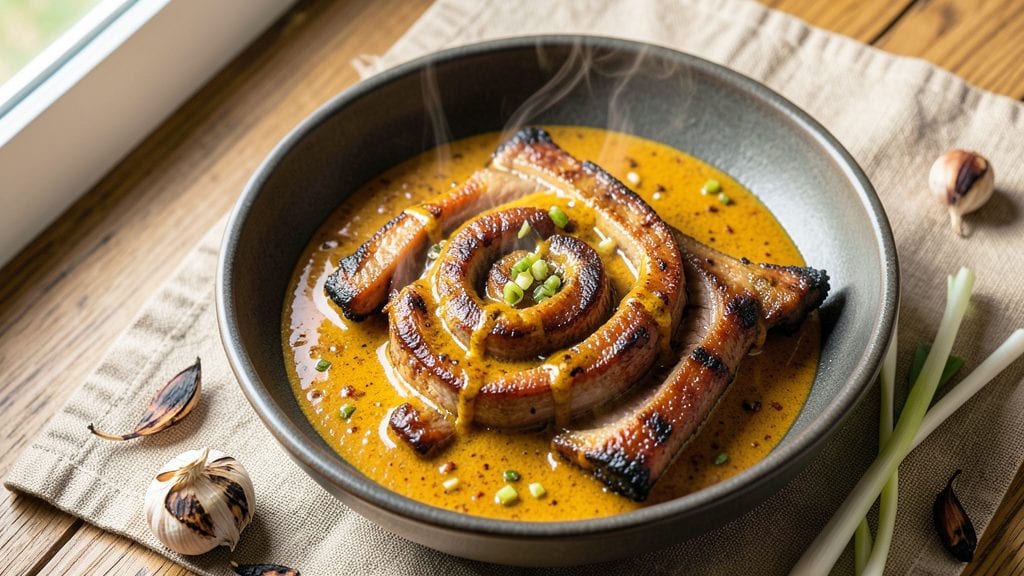
This curry ribs recipe transforms tough pork ribs into tender, fall-apart perfection with a slow-simmered sauce that balances sweet, spicy, and aromatic notes. The key lies in marinating overnight, then braising until the meat practically melts at the touch—no dry, chewy results here.
I perfected this method after years of testing, and the difference between store-bought ribs and these is night and day.
The process starts with a rich curry marinade—garlic, ginger, and warm spices like turmeric and coriander infuse the meat while it rests. Then, we slow-cook the ribs in a Dutch oven, letting the sauce reduce to a glossy, caramelized glaze that clings to every bite.
The result? Ribs so tender they separate with a fork, coated in a sauce that’s both complex and approachable.
By the time you’re done, you’ll have a dish that’s restaurant-quality but made at home—juicy, flavorful, and ready to serve over steamed rice or warm naan. The aroma alone will have everyone gathering at the table, and the first bite proves it’s worth the wait. Let’s get cooking.
This recipe works equally well in an oven, slow cooker, or on the grill, making it versatile for any kitchen. The sauce keeps well, so you can even make it ahead and reheat for leftovers.
Perfect for meal prep or a special weekend dinner, these curry ribs deliver satisfaction every time.
Ingredients for curry ribs
Four pounds of ribs plus pantry staples. All you need for restaurant-quality curry ribs at home.
| Ingredient | Amount | Notes |
|---|---|---|
| Pork Baby Back Ribs 🥓 | 4 lb | Bone-in, meaty ends preferred |
| Extra-Virgin Olive Oil 🫒 | ¼ cup | For marinade and cooking |
| Fresh Garlic Cloves 🧄 | 8 cloves | Minced for marinade |
| Fresh Ginger Root 🌿 | ½ cup | Finely grated, peeled |
| Curry Powder 🌶️ | 2 tbsp | Mild or medium heat |
| Ground Turmeric 🌶️ | 1 tbsp | For vibrant color |
| Ground Coriander 🌿 | 1 tbsp | Freshly ground preferred |
| Brown Sugar 🍯 | ½ cup | Packed, light variety |
| Coconut Milk 🥥 | 1 can | 13.5 oz can, full-fat |
| Tomato Paste 🍅 | ¼ cup | Smooth, no sugar added |
| Apple Cider Vinegar 🍎 | ¼ cup | For tangy balance |
| Red Curry Paste 🌶️ | 2 tbsp | Store-bought or homemade |
| Kosher Salt 🧂 | 1 ½ tbsp | For seasoning and marinade |
| Black Peppercorns 🌶️ | 1 tsp | Freshly cracked preferred |
| Fresh Cilantro Leaves 🌿 | ¼ cup | Chopped, for garnish |
The ribs are the star—bone-in, meaty ends give you the best flavor and texture. Costco or your local butcher are great spots for quality cuts. Look for ribs with good marbling and avoid anything that smells off. For the coconut milk, full-fat canned versions (like Thai Kitchen) work best—they add richness to the sauce. The ginger and garlic should be fresh and vibrant—no shriveled or moldy roots here. If you're short on time, jarred minced garlic and ginger work, but fresh is always better.
No curry powder? Mix 1 tbsp each of turmeric, cumin, and paprika for a quick substitute. Running low on coconut milk? Substitute with 1 cup heavy cream plus 1 tsp coconut extract—it won't be identical, but it'll work. The tomato paste can be skipped if you hate it, but it adds depth. For the red curry paste, Maesri or Thai Kitchen brands are my go-tos—they're balanced and not too spicy. If you're sensitive to heat, reduce the amount or use a mild paste. The brown sugar? Light or dark both work, but light gives a cleaner flavor.
Marinate the ribs overnight for best results—they'll thank you with tender, flavorful meat. The sauce keeps well, so double the batch if you're feeding a crowd. Store leftovers in the fridge for 4-5 days or freeze for up to 3 months. Reheat slowly to keep the sauce glossy. I always make extra sauce to drizzle over rice or use as a dip—it's that good.
Why You'll Love This Recipe
- One-Pan Magic: I swear by this for lazy nights—just toss the ribs, garlic, and ginger in a sheet pan with curry powder, drizzle with olive oil, and let the oven do the work. No chopping boards, no messy sauces, just hands-off perfection.
- Flavor Bomb: That curry powder isn’t just "spicy"—it’s warm, earthy, and slightly sweet, cutting through the richness of the ribs like a knife. The ginger and garlic? They make every bite taste like a hug from a chef who knows what they’re doing.
- Leftovers for Days: Between us, these ribs reheat like a dream—tender, not dry, and still packed with flavor. I make a double batch on Sundays because my kids beg for them at school lunches, and I never run out.
- Budget Crowd-Pleaser: Pork ribs are cheaper than you think, and this recipe stretches them far. Serve with rice or naan, and suddenly you’ve fed the whole family (or your book club) for under $20. That’s a win.
Step-by-step instructions for slow-simmered curry ribs
Here's how to transform tough ribs into tender, fall-apart perfection with aromatic spices and sweet-savory sauce.
Prepare the Spice Rub and Marinate the Ribs
In a small bowl, combine the 2 tablespoons curry powder, 1 tablespoon ground turmeric, 1 tablespoon ground coriander, 1.5 tablespoons kosher salt, and 1 teaspoon black peppercorns. Mix well until the spices are evenly distributed and fragrant. This aromatic blend forms the flavor foundation for your ribs.
Pat the 4 lb pork baby back ribs dry with paper towels—this helps the rub stick and creates better browning. Generously coat all sides of the ribs with the spice mixture, pressing it into the meat so it adheres well. Place the ribs in a large resealable plastic bag and add the 0.25 cup extra-virgin olive oil, 8 cloves minced fresh garlic cloves, and 0.5 cup finely grated fresh ginger root. Seal the bag and massage the marinade into the ribs, ensuring every surface is coated. Let them marinate in the refrigerator for at least 4 hours, or overnight for deeper flavor penetration.
Sear the Ribs for Maximum Flavor
Preheat your oven to 325°F. Remove the ribs from the marinade (reserve the marinade for later) and place them bone-side down in a large oven-safe Dutch oven or heavy pot. Heat the pot over medium-high heat until hot, then add the reserved marinade and 0.5 cup packed brown sugar. Let the ribs sear undisturbed for 5 minutes—this creates a caramelized crust that locks in juices and adds depth of flavor.
Turn the ribs bone-side up and continue cooking for another 5 minutes until they develop golden-brown spots. This quick sear is crucial—it builds flavor before the long slow cook. Pour in 1 can coconut milk, 0.25 cup tomato paste, 0.25 cup apple cider vinegar, and 2 tablespoons red curry paste, stirring to combine. The sauce should coat the bottom of the pot and begin to bubble gently.
Slow-Simmer Until Fork-Tender
Transfer the pot to the preheated oven and cover tightly with a lid or foil. Cook the ribs for 3 hours, maintaining the 325°F temperature. After 2 hours, check the ribs—if the sauce has reduced too much, add ½ cup water to maintain moisture. The ribs are done when they easily pull apart with tongs or a fork, typically reaching an internal temperature of 195-203°F at the bone.
Here's the thing—don't rush this step. The slow cooking breaks down collagen in the connective tissue, transforming tough meat into melt-in-your-mouth perfection. If you peek too early, the ribs might not reach their full potential. Patience here makes all the difference between good ribs and extraordinary ribs.
Glaze and Garnish for Showstopping Presentation
Once the ribs are fork-tender, remove them from the pot and place them on a serving platter. Increase the oven temperature to 425°F and return the ribs to the oven for 10-15 minutes to caramelize the sauce and create a glossy glaze. This step intensifies the sweet-savory flavors and gives the ribs that restaurant-quality finish.
While the ribs glaze, stir the sauce in the pot, reducing it slightly if needed. Taste and adjust seasoning with additional kosher salt or a splash of apple cider vinegar if desired. Spoon the sauce over the ribs and garnish with 0.25 cup chopped fresh cilantro leaves. The bright herbs cut through the richness and add a fresh finish. Serve immediately with steamed rice or crusty bread to soak up every last bit of that luscious curry sauce.
Pro Tips For Making Curry Ribs
- Sear the Ribs First: Hit the ribs with high heat in olive oil for 3-4 minutes per side before adding the curry paste. I learned this the hard way—skipping the sear means the curry sauce just clings instead of caramelizing into a flavor bomb.
- Grate, Don’t Mince Ginger: Use a microplane for the ginger—no need to chop it finely. The texture stays intact longer in the curry, and you’ll taste the freshness better than if you pulverized it into oblivion.
- Don’t Crowd the Pan: If you’re braising or slow-cooking, leave space between the ribs so the curry can circulate and coat them evenly. I used to jam everything in, and the sauce turned into a sad, watery mess.
- Toast the Curry Powder: Bloom the curry powder in olive oil for 30 seconds before adding liquids—it deepens the flavor and cuts through the heat. Sounds weird, but it works: the ribs taste richer, not just spicy.
Common mistakes when making this dish
Skipping the Marinade
Marinating the ribs overnight is non-negotiable for tender results. I’ve seen people skip this step to save time, but the spices and acids in the marinade break down the tough connective tissue in the meat.
Without it, your ribs will turn out chewy and flavorless. If you’re short on time, marinate for at least 4 hours—just don’t expect the same level of tenderness. 💡
Overcrowding the Pot
When searing the ribs, resist the urge to pile them all in at once. Overcrowding steams the meat instead of browning it, which is crucial for developing that deep, caramelized flavor.
Sear them in batches if needed, and don’t be afraid to work in stages. A Dutch oven is ideal here—it gives enough space for even cooking. 🔥
Ignoring the Sauce Reduction
The sauce is just as important as the meat, and letting it reduce too quickly can make it watery. If you notice the sauce thinning out during the slow cook, add ½ cup water or broth in small increments.
Skipping this step results in a thin, unappetizing glaze. The goal is a thick, glossy sauce that clings to every bite. 💫
Peeking Too Often
Every time you lift the lid during the slow cook, you lose heat and moisture, which can dry out the ribs. Trust the process and only check the temperature or don’t peek at all.
If you’re worried about doneness, use a meat thermometer—the ribs are done at 195-203°F. Patience here is key to perfect texture. ⏰
Using the Wrong Heat Level
Slow-cooking ribs at too high a temperature will toughen the meat instead of tenderizing it. Stick to 325°F for the bulk of the cook—this is the sweet spot for breaking down collagen.
If your oven runs hot, consider using a slow cooker on low for even more control. High heat = chewy ribs. 🌡️
Skipping the Glaze Step
The final 10-15 minutes at 425°F aren’t just for show—they caramelize the sauce and create that glossy finish. Skipping this step leaves your ribs dull and unappetizing. It’s worth the extra effort for that restaurant-quality look and taste. Think of it as the grand finale! 💛
Nutrition facts
Frequently asked questions
Can I make these curry ribs on the grill instead of in the oven?
For grill cooking, start by searing the ribs over medium-high heat for 5-7 minutes per side to build flavor. Then move to indirect heat, cover with foil, and cook at 250-275°F for 2.5-3 hours until tender. Finish with a quick 5-minute blast of direct heat to caramelize. The sauce will thicken as it reduces on the grill.
How spicy is this curry sauce, and can I adjust it?
The recipe uses mild curry powder and 2 tbsp red curry paste, which gives a warm, aromatic heat—not fiery. For less spice, reduce the curry paste to 1 tbsp or swap it for yellow curry paste. If you love heat, add ½ tsp cayenne or chili flakes to the sauce. Taste as you go!
What’s the best way to reheat leftover curry ribs?
Reheat ribs in the oven at 300°F for 15-20 minutes, covered with foil, to keep the sauce glossy. For the microwave, use 30-second intervals on low power, adding 1 tbsp water or sauce between each to prevent drying. Never reheat in the sauce alone—it’ll turn watery.
Can I substitute beef or chicken ribs for pork?
Pork baby back ribs are ideal here, but beef ribs (like St. Louis-style) work too—just reduce cooking time by 30-45 minutes since they’re leaner. Chicken ribs (like spare ribs) are too delicate and may fall apart. For beef, use 275°F for 2.5 hours instead. Stick to pork for the best texture.
What sides pair best with curry ribs?
Steamed jasmine rice or basmati rice soaks up the sauce perfectly. For contrast, add cucumber raita, garlic naan, or a crisp mango salad. The cooling elements balance the rich, spiced ribs. Skip heavy sides like mashed potatoes—they’ll overpower the dish.