Soups & Stews
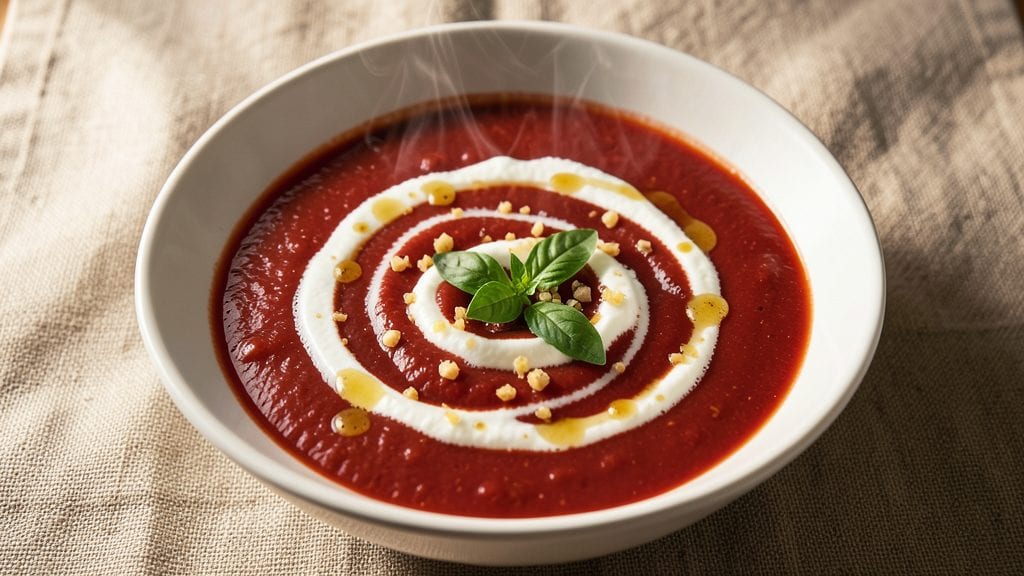
This copycat Campbell's tomato soup recipe delivers that nostalgic, velvety texture and rich flavor without opening a can. After years of perfecting the balance—creamy yet smooth, tangy yet sweet—I’ve cracked the code for restaurant-quality results at home.
The secret lies in blending fresh tomatoes just right and simmering the broth to develop depth.
The process is simpler than you’d think: no fancy techniques, just precise steps and quality ingredients. We’ll start with a base of canned tomatoes (for consistency) but elevate it with a touch of cream, a splash of vinegar for brightness, and a blend of spices that mimics Campbell’s signature profile.
Every spoonful will taste like the comfort of childhood, but with the satisfaction of making it yourself.
What you’ll end up with is a creamy, velvety soup that’s perfectly balanced—smooth enough to sip straight from the bowl but hearty enough to pair with grilled cheese. The texture is the star here: thick enough to coat a spoon but light enough to feel refreshing.
No lumps, no aftertaste, just pure, nostalgic tomato goodness that’s ready in under an hour.
This recipe works just as well for weeknight dinners as it does for holiday gatherings. Double the batch and freeze half for later—because once you taste this version, you’ll never go back to the canned kind. Let’s get started on recreating that iconic flavor.
Ingredients for copycat campbell's tomato soup
Nine simple ingredients recreate that iconic Campbell's flavor without a can in sight.
| Ingredient | Amount | Notes |
|---|---|---|
| Canned Tomato Sauce 🍅 | 1 can | 28 oz can for consistency |
| Heavy Cream 🥛 | ½ cup | Full-fat for creaminess |
| Yellow Onion 🧅 | 1 whole | Medium size, diced small |
| Garlic Cloves 🧄 | 3 cloves | Freshly minced for aroma |
| White Vinegar 💧 | 1 tbsp | For tangy brightness |
| Sugar 🍚 | 1 tbsp | Balances acidity |
| Salt 🧂 | 1 ½ tsp | Kosher or sea salt |
| Black Pepper 🌶️ | ½ tsp | Freshly ground preferred |
| Dried Basil 🌿 | 1 tsp | Or 1 tbsp fresh basil |
| Dried Oregano 🌿 | ½ tsp | Italian variety preferred |
| Chicken Broth 💧 | 2 cups | Low-sodium preferred |
| Butter 🧈 | 2 tbsp | Unsalted, for richness |
The canned tomato sauce is your shortcut to that signature Campbell's taste—Muir Glen plain tomatoes or Del Monte tomato sauce work best. Grab a medium yellow onion from the produce section (the smaller ones are usually sweeter). Fresh garlic is non-negotiable here—three cloves make all the difference. For the vinegar, white or apple cider both work, but white gives you that classic tang. I always grab the Heinz white vinegar because it's consistent and affordable. The dried herbs? Penzeys or Trader Joe's have the best quality, but regular grocery store brands work fine if they're fresh-smelling.
No fresh garlic? Two cloves of garlic powder will do in a pinch, but trust me on the fresh stuff. Running low on chicken broth? Water plus a bouillon cube works, but add an extra pinch of salt. The butter is where the richness comes from—don't skip it. For the cream, full-fat is key here (the good stuff, not the light version). Want to make it dairy-free? Coconut cream gives a similar texture. The sugar might seem odd, but it balances the acidity from the vinegar—don't leave it out. Prefer fresh basil? Use one tablespoon, but chop it finely so it blends smoothly into the soup.
This soup tastes even better the next day—double the batch and freeze half for lazy days. Store leftovers in an airtight container for up to 5 days. For freezing, portion into one-cup servings so you can grab exactly what you need. The texture thickens as it cools, so add a splash of broth or water when reheating. Perfect with grilled cheese sandwiches or as a cozy side for any meal.
Why You'll Love This Recipe
- Pantry Magic: The second I crack open that canned tomato sauce and toss in a handful of garlic, I’m hooked—no fresh tomatoes, no fancy prep. Honestly, the vinegar’s tang cuts through the richness of the cream like a secret weapon, making it taste way more complex than it should.
- Creamy-Garlicky Bliss: That moment when you stir in the heavy cream and the garlic’s aroma hits you—it’s like a warm hug in a bowl. The onions caramelize just enough to add depth, but you won’t spend hours chopping them. (Yes, even on a Tuesday night.)
- Leftovers That Don’t Suck: I make a double batch on Sunday because reheating this? Zero fight. The cream stays silky, the flavors deepen overnight, and it’s still ridiculously good cold in a sandwich. My lunchbox’s new best friend.
- Blanket Weather Ready: Rainy day? Cold snap? This soup’s your go-to. Pair it with grilled cheese, serve it with crackers, or just eat it straight from the pot—it’s that unfussy. And between us, the vinegar’s sharpness makes it feel fancy without trying.
Step-by-step instructions for creamy copycat tomato soup
Here's how to recreate that iconic Campbell's flavor with a velvety texture and perfect balance.
Sauté Aromatics Until Fragrant
Melt the 2 tablespoons butter in a large pot over medium heat. Add the whole yellow onion and cook for 5 minutes until softened and translucent. Here's the thing—don't rush this step. You want the onion to become completely clear and sweet-smelling before moving forward.
Add the 3 cloves garlic cloves and cook for another 30 seconds until you can smell that rich, toasty aroma. Be careful not to let the garlic brown—it should just perfume the onions. This aromatic base forms the flavor foundation for your soup, so take your time getting it right.
Build the Tomato Base
Pour in the 1 can canned tomato sauce and stir to combine with the onions and garlic. Add the 1 tablespoon white vinegar and 1 tablespoon sugar, then bring everything to a gentle boil. The vinegar brightens the flavor while the sugar balances the acidity—this is what gives Campbell's that signature taste.
Let it simmer for 5 minutes until the mixture thickens slightly. You'll notice the sauce starts to coat the back of a spoon, which means it's ready for the next ingredients. This step develops the tomato flavor and prepares it to absorb all the other components beautifully.
Season and Simmer the Soup
Add the 2 cups chicken broth, 1.5 teaspoons salt, 0.5 teaspoon black pepper, 1 teaspoon dried basil, and 0.5 teaspoon dried oregano. Stir well to combine all the ingredients. Bring the mixture back to a gentle simmer, then reduce the heat to low and let it cook uncovered for 15 minutes. This allows all the flavors to meld together perfectly.
I know it seems like a long time, but this slow cooking is what creates that deep, complex flavor. You'll see the soup become smoother and more cohesive as it simmers. The spices will fully infuse, giving you that familiar Campbell's taste without the canned version.
Add Cream for Velvety Texture
Remove the pot from heat and stir in the 0.5 cup heavy cream. The heat should be off at this point—adding cold cream to hot soup can cause it to curdle. You want to create a smooth, velvety texture that coats the back of a spoon when you taste it. If the soup looks too thick, you can thin it slightly with a little warm water or broth.
This is where the magic happens—adding the cream at the end ensures that rich, creamy texture without making the soup taste heavy. The cream should blend seamlessly into the soup, creating that signature Campbell's velvety mouthfeel. Taste and adjust seasoning if needed, adding a pinch more salt or pepper if desired.
Serve Warm and Enjoy
Ladle the soup into bowls and serve immediately. The soup should be hot and steaming, with that perfect balance of creamy texture and rich tomato flavor. I like to serve it with some crusty bread or a grilled cheese sandwich—it's pure comfort food perfection.
This recipe makes 4 servings, and you'll have leftovers that taste just as good the next day. The flavors actually improve as they sit, so don't hesitate to make extra. The key to this copycat version is the balance of acidity, sweetness, and creaminess—once you get that right, you'll have Campbell's-quality soup every time.
Pro Tips For Making Copycat Campbell'S Tomato Soup
- Simmer Slow and Steady: The original recipe relies on a long, gentle simmer to meld flavors—don’t rush it. After adding vinegar and tomato sauce, keep the heat at a barely bubbling simmer for at least 20 minutes. I used to crank the heat and wonder why my soup tasted flat; patience here makes a real difference.
- Sweat the Onions First: Skip the raw onion taste by cooking it low and slow until it’s translucent and just starting to caramelize—about 8-10 minutes. This isn’t the prettiest method, but it works: no bitter bite, just deep, sweet flavor that carries through the whole dish.
- Don’t Dump Cold Cream: Heavy cream straight from the fridge will curdle your soup like a science experiment gone wrong. Warm it slightly in a separate bowl first—just until it’s room temperature. I learned this the hard way when my first batch separated like a sad salad dressing.
- Use Real Garlic, Not Powder: Fresh garlic cloves roasted whole (or minced and sautéed) add complexity the jarred stuff can’t match. Crush 2-3 cloves into the onions early—this lets the flavor bloom instead of hitting you with a sudden punch at the end. (Yes, even if you’re impatient like me.)
Essential equipment for perfect results
Large Pot Essentials
You’ll need a large, heavy-bottomed pot (I use my All-Clad 5-quart Dutch oven) to handle the soup’s volume without scorching. The wide base distributes heat evenly, preventing hot spots that can burn your onions or garlic.
If you’re short on space, a stainless steel stockpot like the Cuisinart MultiClad works just as well—just make sure it’s at least 4 quarts for proper headspace while simmering. 🔥
Immersion Blender
For that signature Campbell’s smoothness, an immersion blender (like the Ninja Foodi 1200-watt) is your secret weapon. After simmering, blend the soup directly in the pot for 10-15 seconds until velvety. No blender?
A high-speed blender (like the Ninja BN601) works too—just transfer half the soup at a time and blend until silky smooth. Avoid regular blenders; they can’t handle hot liquids safely. 💫
Wooden Spoon
Stirring is where flavor develops, so grab a long-handled wooden spoon (I swear by OXO Good Grips). Wood won’t scratch your pot and helps prevent scorching while you sauté onions and garlic.
For extra comfort, look for one with a silicone handle—it stays cool longer during long simmering sessions. A metal spoon can react with acidic ingredients, so stick with wood or heat-resistant silicone. 🌡️
Measuring Spoons
Precision matters with spices and liquids—small, nested measuring spoons (like OXO Stainless Steel) ensure you hit the exact 1.5 tsp salt or 0.5 tsp pepper every time. I keep mine near the stove for quick adjustments.
For vinegar and sugar, a liquid measuring cup (like Pyrex) makes pouring easier. Pro tip: Use the 1 tbsp vinegar mark for brightness—too much makes the soup taste sharp. ✨
Fine-Mesh Strainer
If you’re using fresh tomatoes instead of canned sauce, a fine-mesh strainer (like OXO Good Grips) removes seeds and skins for a smoother texture. After blending, strain the soup through it to eliminate any remaining chunks.
This step isn’t mandatory but elevates the soup’s restaurant-quality feel. For canned tomatoes, skip this—just blend as-is for that classic Campbell’s consistency. 🍅
Lid for Even Simmering
A fitting lid (I use a glass or stainless steel one) traps steam to develop flavors faster during the 15-minute simmer. Avoid plastic lids—they can melt or warp under heat.
If your pot doesn’t have one, a silicone pot lid (like OXO Good Grips) is a budget-friendly alternative. Keep it slightly ajar during the final simmer to prevent overflowing. 💡
Nutrition facts
Frequently asked questions
Why does Campbell's tomato soup taste so different from homemade versions?
The iconic Campbell's flavor comes from a precise balance of vinegar (1 tbsp) for tang, sugar (1 tbsp) to balance acidity, and dried herbs (basil/oregano) that develop during the 15-minute simmer. The cream is added last to preserve its velvety texture, while the canned tomato base provides that familiar concentrated flavor.
Can I make this soup without heavy cream?
For a lighter version, substitute with ½ cup coconut milk (full-fat) or ¼ cup Greek yogurt blended until smooth. The texture will be slightly thinner but still creamy. If you prefer a dairy-free option, cashew cream (blended soaked cashews + water) works beautifully too.
What if my soup turns out too thick or too thin?
For a thicker soup, simmer uncovered for 5-10 extra minutes to reduce. Too thin? Stir in 1 tbsp cornstarch mixed with 2 tbsp cold water and simmer for 2 minutes until thickened. Never add raw flour directly—it can create lumps. The ideal consistency coats the back of a spoon but remains smooth.
Can I use fresh tomatoes instead of canned tomato sauce?
Yes, but you'll need 8-10 medium ripe tomatoes (peeled, seeded, and chopped) plus ½ cup water to compensate for lost volume. Simmer the tomatoes until broken down (10 minutes), then blend until smooth before proceeding with the recipe. Strain if you prefer an ultra-smooth texture.
How do I prevent the soup from curdling when adding cream?
Always remove the pot from heat before adding cream and stir gently to avoid creating air bubbles. If the soup is too hot, let it cool for 2-3 minutes first. For extra insurance, temper the cream by whisking in 1 tbsp of hot soup before adding the rest. The cream should blend seamlessly without breaking.