
Main Courses
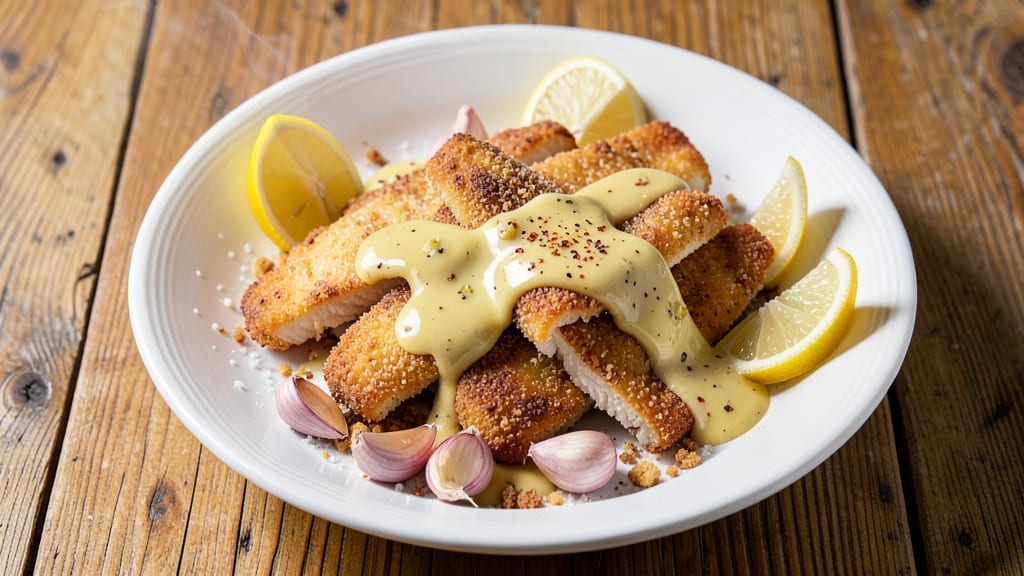
This channel catfish recipe delivers the perfect balance of crispy cornmeal crust and tender, buttery Southern flavor that makes every bite unforgettable.
The secret lies in a precise blend of cornmeal and flour that creates an irresistible crunch while keeping the fish moist inside—a technique I’ve perfected after years of testing different coatings.
What sets this apart is the buttery-lemon marinade that infuses the fillets with bright, tangy depth before they hit the pan.
The process is straightforward but yields restaurant-quality results: pat the catfish dry, coat it evenly in the cornmeal mixture, and fry until golden brown—just 5 to 7 minutes per side at 350°F.
The key to that signature crispiness is maintaining the right oil temperature and avoiding overcrowding the pan, which guarantees a perfect sear every time. This method works equally well for pan-frying or air-frying, making it versatile for any kitchen setup.
When served, the catfish emerges with a crispy, golden crust that shatters slightly with each bite, revealing tender, flaky flesh underneath. The buttery lemon marinade adds a bright contrast, cutting through the richness of the crust while enhancing the natural sweetness of the fish.
Pair it with classic Southern sides like collard greens, buttery corn on the cob, or a simple tomato salad for a complete meal that feels both comforting and elegant.
Whether you’re grilling outdoors or frying on the stovetop, this recipe delivers foolproof results that impress even the most discerning guests. The technique scales easily for feeding a crowd, and leftovers reheat beautifully in the oven.
For an extra kick, sprinkle with smoked paprika or cayenne before frying—just don’t skip the cornmeal crust, as that’s what makes this dish truly special.
Ingredients for channel catfish
The foundation of this Southern classic lies in crispy cornmeal crust and buttery lemon-infused fillets.
| Ingredient | Amount | Notes |
|---|---|---|
| Channel Catfish Fillets 🐟 | 1 ½ lb | Skin-on preferred for crispiness |
| Fine Cornmeal 🌽 | 1 cup | Stone-ground preferred for texture |
| All-Purpose Flour 🌾 | ½ cup | Lightly toasted for extra crunch |
| Unsalted Butter 🧈 | ½ cup | Melted for marinade and coating |
| Fresh Lemon Juice 🍋 | ¼ cup | Strained for clarity in marinade |
| Garlic Cloves 🧄 | 4 cloves | Minced for marinade depth |
| Diamond Crystal Kosher Salt 🧂 | 1 ½ tsp | Fine grain for even seasoning |
| Ground Black Pepper 🌶️ | ½ tsp | Freshly cracked for brightness |
| Smoked Paprika 🌶️ | ½ tsp | For subtle smoky aroma |
| Vegetable Oil 🫒 | 3 cups | High smoke point for frying |
| Fresh Parsley 🌿 | ¼ cup | Chopped for garnish |
| Lemon Zest 🍋 | 1 tbsp | Fine for aromatic finish |
The catfish fillets should be skin-on and uniform thickness for even cooking. Purchase from a reputable seafood counter like Whole Foods Market or Local Seafood Market—look for fillets with a vibrant, translucent sheen and minimal fishy odor. If using frozen, thaw overnight in the refrigerator. The cornmeal is critical: Bob's Red Mill stone-ground delivers the best texture, but any fine grind will work. Toast it lightly in a dry pan for 2 minutes before mixing to enhance its nutty flavor and prevent clumping in the coating.
No fresh parsley? Dried parsley at one-third the amount suffices, though it lacks the bright pop of fresh. Substitute smoked paprika with half the amount of cayenne pepper for heat, but reduce to taste—smoked paprika adds depth without overpowering. For the marinade, if you're short on butter, use olive oil in equal measure, though the flavor will differ subtly. The lemon juice can be bottled, but freshly squeezed yields superior brightness. When coating the fillets, press the cornmeal mixture firmly against each piece to ensure adhesion—this guarantees that signature crispy crust.
Store leftover catfish in an airtight container in the refrigerator for up to 2 days, though it reheats best when crispy fresh. For longer storage, freeze portions on parchment-lined trays before transferring to a sealed bag for up to 3 months. Reheat in a 375°F oven for 8-10 minutes to restore crispiness. The cornmeal coating loses its crunch when reheated in oil or microwave, so oven is key. Garnish with fresh parsley and lemon zest just before serving to preserve that restaurant-quality presentation.
Why You'll Love This Recipe
- Five-Ingredient Magic: I swear by this recipe—just catfish, cornmeal, flour, butter, and lemon. That’s it. No fancy marinades or last-minute grocery runs. Honestly, I keep the ingredients stocked just for this, because it’s the kind of meal that feels special without the fuss.
- Crispy-Creamy Balance: The cornmeal crust gets gloriously golden while the inside stays tender—like a hug from your grandma’s kitchen. That bright lemon juice at the end? It cuts through the richness and makes every bite feel fresh, even if you’re cooking on a Tuesday night.
- Tailgate to Tuesday: Between us, this recipe works for everything. Grill it for summer cookouts, pan-fry it for lazy weeknights, or even bake it for a crowd. My college roommates used to beg for leftovers, and now my kids do the same—proof it’s not just a one-trick pony.
- Budget-Friendly Feast: Channel catfish is affordable, and this recipe stretches it far. A pound feeds four, and the leftovers reheat like a dream (yes, even the crust stays crispy). I’ll be real: it’s my go-to when I’m trying to feed the family without breaking the bank.
Step-by-step instructions for crispy cornmeal-crusted catfish
Master this Southern technique for restaurant-quality catfish with a golden, crunchy crust and tender interior.
Prepare the Marinade and Season the Fillets
In a small bowl, combine the 0.5 cup unsalted butter, 0.25 cup fresh lemon juice, 4 cloves garlic cloves (minced), 1.5 tsp diamond crystal kosher salt, 0.5 tsp ground black pepper, and 0.5 tsp smoked paprika. Whisk until the butter melts completely and the mixture becomes smooth. This marinade infuses the fillets with bright, herby flavor while keeping them moist.
Pat the 1.5 lb channel catfish fillets dry with paper towels—this is critical for achieving a crispy crust. Place the fillets in a shallow dish and pour the marinade evenly over them, ensuring both sides are coated. Let them marinate for at least 30 minutes at room temperature, turning once halfway through. The skin-on fillets will develop a deeper flavor and better texture from this step.
Create the Cornmeal Crust
In a separate bowl, mix the 1 cup fine cornmeal and 0.5 cup all-purpose flour until evenly combined. Lightly toast the flour in a dry skillet over medium heat for 1-2 minutes until fragrant—this enhances the crust's crunch. Let it cool slightly before using. The cornmeal provides that signature Southern crunch, while the flour helps bind the coating.
Remove the catfish from the marinade, allowing any excess to drip off. Working with one fillet at a time, press the cornmeal-flour mixture firmly onto both sides, ensuring full coverage. The crust should adhere well but not be too thick—this prevents the fillets from becoming dense. Place the coated fillets on a wire rack set over a plate to keep them elevated and dry.
Fry to Golden Perfection
Heat the 3 cups vegetable oil in a deep skillet or Dutch oven to 350°F—use a thermometer for accuracy. The oil should shimmer but not smoke excessively. Fry the catfish fillets in batches to avoid overcrowding, which lowers the oil temperature and results in greasy rather than crispy fillets. Cook for 3-4 minutes per side until the crust turns a deep golden brown and the fish flakes easily with a fork.
Transfer the fried fillets to a paper towel-lined plate to drain excess oil. The crust should be crisp enough to hold its shape but still yield slightly when pressed. If the oil temperature drops below 340°F, the crust will absorb oil instead of crisping—monitor closely. Real talk: This is where the magic happens, so don't rush it.
Rest and Garnish
Let the catfish rest for 5 minutes before serving. This allows the juices to redistribute, ensuring each bite is moist and flavorful. The crust will stay crisp while the fish maintains its tenderness. In a small bowl, combine the 0.25 cup fresh parsley (chopped) and 1 tbsp lemon zest for a bright, aromatic garnish.
Sprinkle the parsley-lemon zest mixture evenly over the fillets just before serving. The acidity cuts through the richness of the butter and cornmeal, balancing the dish. Serve immediately with lemon wedges on the side—this Southern classic shines when enjoyed fresh, with the crust still holding its crunch.
Pro Tips For Making Channel Catfish
- Pat the fillets dry: Wet fish is the enemy of crispy crusts—skip the paper towels if you’re in a rush, but at least blot with a clean kitchen towel until they’re actually dry. I learned this the hard way when my first batch came out soggy despite the cornmeal.
- Use a 50-50 mix: Split the flour and cornmeal evenly for a crust that’s crispy outside, tender inside. Pure cornmeal gets gummy; too much flour makes it dense. (Yes, even if you’re impatient like me.)
- Cook in batches: Overcrowding the pan drops the temperature fast, leading to greasy, uneven cooking. Two fillets max per side—your patience here guarantees that golden crust.
- Butter matters: Melt the butter until it’s just foaming, not smoking, then add the lemon juice. Cold butter burns; hot butter makes the crust bitter. Taste it—you’ll know when it’s right.
Serving suggestions for this channel catfish
Classic Southern Plating
Serve your crispy cornmeal-crusted catfish on a large platter lined with paper towels to catch any drips—this keeps the presentation clean while highlighting that golden crust. I like to arrange the fillets skin-side up in a slightly overlapping pattern, creating a visually appealing display.
Add lemon wedges at each place setting for guests to squeeze over their portions, enhancing the bright citrus notes. 🍋
For an elevated touch, garnish each fillet with a sprig of fresh parsley and a pinch of lemon zest right before serving. This not only adds color but also balances the richness of the butter and cornmeal.
If you're serving a crowd, place small bowls of hot sauce and extra smoked paprika on the table for customization—some guests love a little kick!
Complementary Sides
Buttery corn on the cob is a must—brush 4-6 ears with melted butter, sprinkle with salt and pepper, and grill or boil until tender. The sweetness of the corn pairs perfectly with the savory catfish. For a lighter option, serve a tomato and cucumber salad with a drizzle of red wine vinegar and a pinch of sugar to cut through the richness. 🥗
Collard greens cooked with smoked bacon and a splash of apple cider vinegar add depth to the meal. If you're short on time, roasted sweet potatoes tossed with olive oil, salt, and rosemary provide a hearty, flavorful alternative. These sides round out the plate with textures and flavors that complement the crispy crust.
Beverage Pairings
A chilled Southern sweet tea is the classic choice—its subtle sweetness and acidity cleanse the palate between bites. For a non-alcoholic option, sparkling lemonade with a splash of mint syrup adds a refreshing contrast.
If you're serving alcohol, a crisp Sauvignon Blanc from New Zealand highlights the lemon and herb notes in the marinade. 🍷
For beer lovers, a light lager like Miller Lite or Heineken keeps the meal balanced without overpowering the delicate flavors. A witbier with its citrusy notes also works beautifully.
Avoid heavy, malty beers that could compete with the buttery crust. Serve drinks in chilled glasses to enhance the overall dining experience.
Presentation Tips
Use wooden serving boards or slate plates to add rustic charm to your presentation. The natural textures contrast beautifully with the crispy catfish. If you're serving outdoors, place the platter on a large picnic table with checkered cloth napkins for a casual yet inviting setup. 🌳
For a restaurant-style finish, drizzle the plate with a light honey glaze (mix 1 tbsp honey with 1 tsp water) before serving. This adds a touch of sweetness that ties all the flavors together.
Keep the garnishes minimal but intentional—less is more when it comes to plating this Southern classic.
Nutrition facts
Frequently asked questions
Why does my channel catfish crust turn soggy instead of crispy?
The most common causes are wet fillets or oil temperature below 340°F. Always pat the fish bone-dry with paper towels before coating, and use a thermometer to maintain precise oil heat. Overcrowding the pan also lowers temperature—fry in batches for that perfect golden crust.
Can I bake this recipe instead of frying?
Yes! For an oven-baked version, preheat to 425°F and bake the coated fillets on a wire rack for 12-15 minutes until golden. Brush with melted butter halfway through for extra crispiness. The crust won't be as crunchy as fried, but it's a lighter alternative that still delivers great flavor.
What's the best way to store leftover catfish?
Keep leftovers in an airtight container in the fridge for up to 2 days. To reheat, place on a baking sheet at 375°F for 8-10 minutes to restore crispiness. For longer storage, freeze portions on parchment for up to 3 months. Never microwave—it destroys the crust's texture.
Can I substitute cornmeal with another flour?
While cornmeal gives that signature Southern crunch, you can use panko breadcrumbs or crushed cornflakes in a pinch. For best results, mix with 1/4 cup flour to help bind the coating. Just know the texture will differ slightly from the traditional cornmeal crust.
How do I know when the catfish is fully cooked?
The fish is done when it flakes easily with a fork and reaches an internal temperature of 145°F. The crust should be deep golden brown, not pale. For skin-on fillets, the skin should pull away cleanly from the flesh—this indicates perfect doneness.