
Appetizers
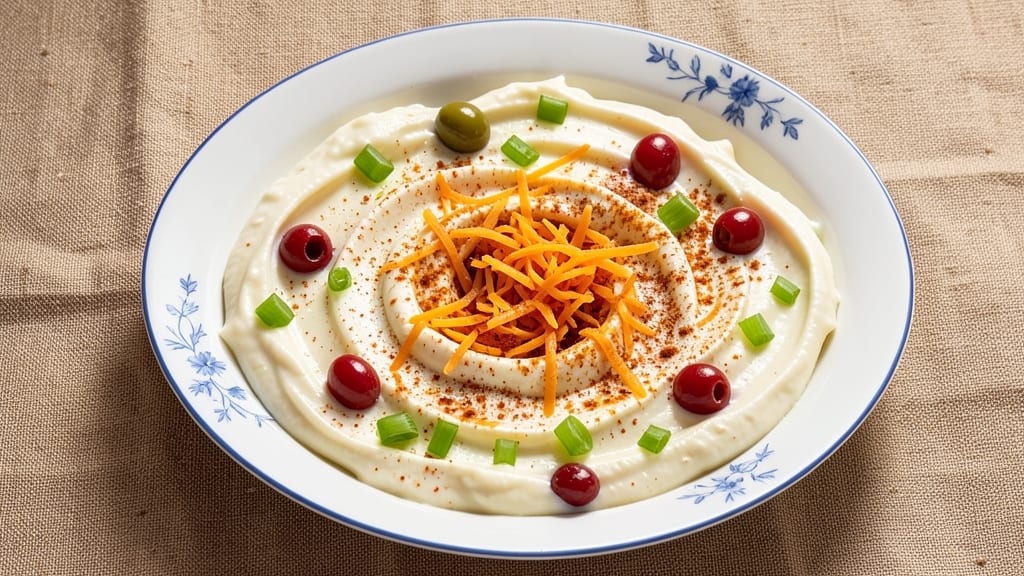
Betty Crocker's pimento cheese recipe delivers that iconic Southern spread with a perfect balance of creamy, tangy, and slightly spicy flavors—exactly what you need for game day, sandwiches, or crispy crackers.
The secret lies in combining sharp cheddar with mayonnaise and pimentos, then letting it rest so the flavors meld completely. I've perfected this version over years of testing, ensuring every batch achieves that signature texture: smooth yet slightly thick enough to hold its shape.
What makes this recipe stand out is the celery zing—finely diced celery adds freshness and crunch that cuts through the richness, while a touch of cayenne brings just enough heat to keep things interesting.
The blend of spices, including mustard powder and paprika, deepens the flavor profile without overpowering the cheese. This isn't just any pimento cheese; it's the kind that makes guests ask for seconds and keeps well for up to a week in the fridge.
You'll end up with a versatile spread that works as a dip for veggies, a sandwich filling for po' boys, or a topping for burgers and fries. The texture is ideal—creamy enough to spread smoothly but firm enough to hold its shape on toasted bread or crackers.
Whether you're hosting a gathering or just craving a taste of the South, this recipe delivers restaurant-quality results with minimal effort.
Ready in just 15 minutes, this pimento cheese requires no cooking—just mixing and resting. The ingredients are simple, but the flavor impact is anything but basic. Let's get started on creating this bold Southern classic that's become a staple in kitchens across the country.
Ingredients for betty crocker pimento cheese
Nine simple ingredients transform into a bold Southern spread with perfect crunch and tang.
| Ingredient | Amount | Notes |
|---|---|---|
| Sharp Cheddar Cheese 🧀 | 1 ½ cups | Shredded, aged 6 months minimum |
| Mayonnaise 🥛 | 1 cup | Full-fat preferred for creaminess |
| Pimento-Stuffed Green Olives 🫒 | ½ cup | Chopped, drained well |
| Celery Stalk 🥬 | 1 whole | Finely diced, fresh preferred |
| Dry Mustard Powder 🌶️ | 1 tsp | For subtle tang |
| Sweet Paprika 🌶️ | ½ tsp | For subtle warmth |
| Ground Cayenne Pepper 🔥 | ¼ tsp | Adjust for heat preference |
| Sea Salt 🧂 | ½ tsp | Fine grain preferred |
| Black Pepper 🌶️ | ¼ tsp | Freshly ground for best flavor |
| Heavy Cream 🥛 | ¼ cup | Optional, for extra richness |
The cheddar is non-negotiable—sharp, aged varieties like Cabot or Tillamook deliver the best flavor. Whole Foods and Wegmans carry excellent pre-shredded options, but block cheese grated fresh yields superior texture. For the pimentos, Goya or Vlasic olives are the gold standard, but any pimento-stuffed green olives work. Celery should be crisp and vibrant—organic stalks from the grocery store produce section hold up best when finely diced. The spices are where the magic happens: mustard powder adds depth, paprika brings warmth, and cayenne delivers that signature Southern kick without overpowering.
No sharp cheddar? White cheddar or pepper jack can substitute, though flavor will differ slightly. Short on pimentos? Diced roasted red peppers provide a milder alternative. The heavy cream is optional but recommended for a smoother texture—full-fat is critical here. For extra crunch, add 1 tbsp crushed Ritz crackers or 1 tsp toasted breadcrumbs. If you prefer a tangier spread, increase the mustard powder to 1.5 tsp. Always taste before serving—adjust cayenne or salt as needed. This blend keeps well for up to 1 week in the fridge, so double the batch if you're hosting.
Store in an airtight container with a layer of plastic wrap pressed directly against the surface to prevent a skin from forming. This spread reheats beautifully—simply microwave for 30-45 seconds until warmed through. For best results, let it sit at room temperature for 10 minutes before serving to achieve optimal texture. Portion into small containers for easy grab-and-go snacking or party dips. The flavor actually improves after 24 hours as the ingredients meld together—perfect for making ahead.
Why You'll Love This Recipe
- Five-Ingredient Magic: I swear by this recipe because it’s that simple. Sharp cheddar, mayo, olives, celery, and a pinch of mustard—no fancy techniques, no last-minute grocery runs. The olives add a tangy punch without extra effort, and the celery keeps it fresh-tasting.
- Party-Ready Any Day: Spread it on crackers for a game-day snack, slather it on sandwiches for lunch, or serve it with toasted bread at a picnic. It’s the ultimate crowd-pleaser because it’s familiar enough to love but still feels like a treat.
- Leftovers That Don’t Suck: Unlike some dips that turn rubbery in the fridge, this stays creamy and delicious for days. I’ve packed it in lunchboxes, reheated it for sandwiches, and even used it as a pizza topping—no waste, just flavor.
Step-by-step instructions for betty Crocker's pimento cheese recipe
Here's the classic method for creamy, tangy pimento cheese with perfect texture every time.
Prepare the Celery and Olives
Start by finely dicing the whole celery stalk into small pieces—about 1/8-inch cubes. You want the celery to be small enough to blend smoothly but still provide that signature crunch. Place the diced celery in a medium bowl and set aside.
Next, drain the 0.5 cup pimento-stuffed green olives thoroughly to remove any excess liquid. Chop them into small pieces, similar in size to the celery. The olives should be well-drained to prevent a watery spread. Combine the chopped olives with the celery in the same bowl and set aside.
Shred and Mix the Cheese
Using a box grater or food processor, shred the 1.5 cups sharp cheddar cheese into fine, even shreds. I prefer using a food processor for this step as it yields more consistent shreds. Place the shredded cheese in the bowl with the celery and olives.
Add the 1 cup mayonnaise to the bowl and mix everything together using a rubber spatula. You're looking to combine the ingredients thoroughly but gently—overmixing can create air pockets and affect the texture. The mixture should be smooth but still retain some of the celery's texture.
Incorporate the Seasonings
Add the 1 tsp dry mustard powder, 0.5 tsp sweet paprika, 0.25 tsp ground cayenne pepper, 0.5 tsp sea salt, and 0.25 tsp black pepper to the bowl. Mix well to ensure the seasonings are evenly distributed throughout the cheese mixture.
Here's the thing—taste as you go. The cayenne pepper can be quite potent, so adjust to your heat preference. If you're adding the 0.25 cup heavy cream, now is the time to incorporate it. The cream adds richness but also helps create a smoother, more velvety texture. Mix until fully combined and smooth.
Chill for Perfect Texture
Transfer the pimento cheese mixture to an airtight container and refrigerate for at least 2 hours, or up to 24 hours. Chilling allows the flavors to meld together and the texture to set properly. This step is crucial for achieving that classic, creamy consistency that makes pimento cheese so irresistible.
When you're ready to serve, give the mixture a quick stir. It should be smooth, slightly thick, and ready to spread on crackers, sandwiches, or use as a dip. If it's too thick, you can thin it slightly with a splash of mayonnaise or heavy cream if needed. Enjoy immediately or store in the refrigerator for up to 5 days.
Pro Tips For Making Betty Crocker Pimento Cheese
- Grate Cheese Coarse: I learned this the hard way—shredding cheddar too fine turns pimento cheese into a gluey mess. Use a box grater with medium holes (or pulse in a food processor) so the cheese melts smoothly without clumping. (Yes, even if you’re impatient like me.)
- Drain Olives Well: Pimento olives pack liquid, and skipping this step means your cheese spread will be watery. Drain them in a colander for 10 minutes, then blot with a paper towel—no one wants a soggy dip. (Your future self will thank you.)
- Mix in Stages: Dumping all ingredients at once risks a greasy, uneven texture. Start with half the mayo, mix until smooth, then add cheese in batches. The mustard powder goes last—sprinkle it in while stirring to avoid clumps. (This isn’t rocket science, but it makes a real difference.)
- Chill Before Serving: Pimento cheese tastes best when the flavors meld, and serving it straight from the bowl means a runny, uneven texture. Pop it in the fridge for 30 minutes—it’ll firm up and taste richer. (I know, waiting sucks, but trust the process.)
Make-ahead tips for leftovers
Prep Ahead for Game Day
This pimento cheese is perfect for game day prep—make it 24 hours ahead for the best flavor development. The longer it rests, the more the spices and cheese meld together, creating that signature tangy richness.
I like to portion it into small 4-ounce containers with lids for easy serving. Keep them in the fridge until ready to use—just give it a quick stir before serving. 🏈
Storage Containers Matter
Use glass containers with airtight seals like Pyrex or Owens Corning to maintain freshness. Plastic containers can absorb odors, which may affect the flavor. Press plastic wrap directly against the surface before sealing to prevent a skin from forming.
For parties, transfer to a serving bowl just before guests arrive to keep it at the perfect temperature.
Freezing for Later Use
Portion into freezer-safe containers or ziplock bags, leaving 1-inch headspace for expansion. Label with the date—it freezes well for up to 3 months. When ready to use, thaw overnight in the fridge.
For quick use, microwave for 1-2 minutes on low power, stirring halfway. The texture will be slightly softer after freezing, but the flavor remains rich and creamy.
Reheating Like a Pro
For the best texture, reheat in 10-second intervals in the microwave, stirring between each interval. This prevents overheating, which can make the cheese greasy. Alternatively, warm in a small saucepan over low heat with 1 tbsp mayonnaise or heavy cream to restore creaminess.
Never microwave directly from the fridge—let it sit at room temperature for 10 minutes first. ⏰
Portioning for Parties
For gatherings, spread onto a parchment-lined tray and chill for 1 hour to firm up. Use a bench scraper to create clean slices for easy serving. Store remaining portions in the fridge in a covered dish for up to 5 days.
The spread thickens slightly when chilled, so thin with a splash of mayonnaise if needed before serving.
Make-Ahead Mistakes to Avoid
Never skip the chilling step—rushing the resting time results in a greasy, uneven texture. Avoid overmixing after chilling, as it can incorporate air and make the spread too light.
If storing long-term, use dark glass containers to protect from light, which can degrade the flavor. And always taste before serving—adjust cayenne or salt as needed after chilling. 💡
Nutrition facts
Frequently asked questions
Why does my pimento cheese turn greasy after chilling?
Greasy texture usually happens from overmixing or not letting it rest long enough. Always chill for 2 hours minimum—this lets the cheese firm up properly. If it's still greasy, stir in 1 tbsp mayonnaise or heavy cream to restore creaminess. Avoid mixing after chilling to prevent air pockets.
Can I make this without celery?
Yes! Skip the celery and increase the pimentos to 0.75 cup for extra tang. For crunch, try 1 tbsp finely chopped red onion or pickles instead. The celery adds freshness, but the recipe still works without it—just expect a slightly different texture.
How spicy should it be? Can I adjust the heat?
The cayenne gives a mild kick—start with 0.25 tsp and taste before serving. For more heat, add up to 0.5 tsp total. If you prefer no spice, omit it entirely and add 0.25 tsp extra paprika for warmth instead.
What’s the best way to serve this spread?
This versatile spread works as a dip for veggies, crackers, or chips. Spread it on toasted bread for open-faced sandwiches, or use it as a topping for burgers and fries. For parties, serve in a bowl with toothpicks—it’s a crowd-pleaser!
Can I use pre-shredded cheese?
Pre-shredded cheese works fine, but it often contains anti-caking agents that can make the spread slightly grainy. For the smoothest texture, grate your own cheese using a box grater or food processor. If using pre-shredded, drain excess moisture first to avoid a watery consistency.