
Soups & Stews
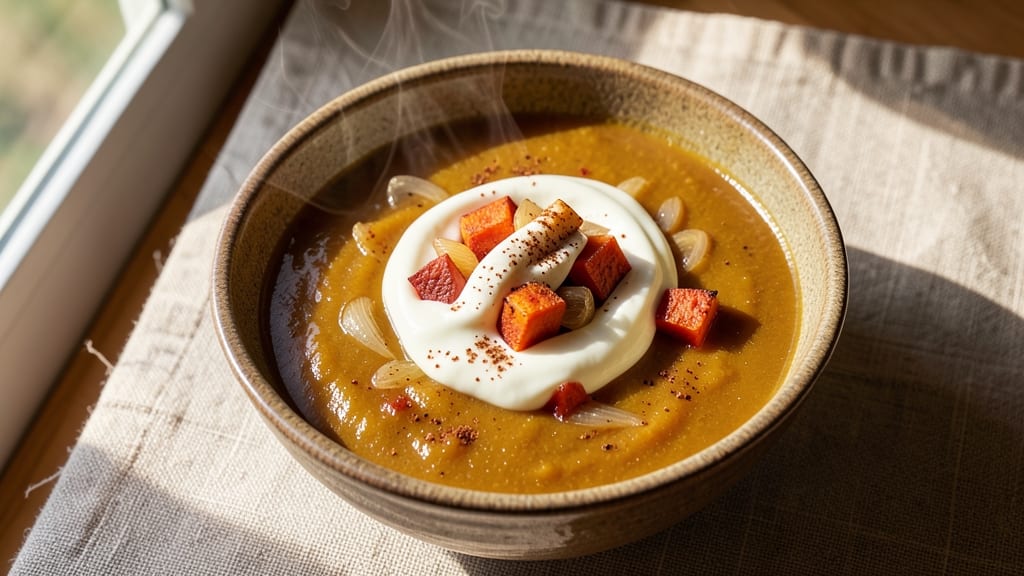
Betty Crocker's butternut squash soup recipe delivers that velvety, spice-infused comfort in just one pot, perfect for chilly evenings. The secret lies in roasting the squash until tender and caramelized, which builds natural sweetness without overpowering the warm cinnamon and nutmeg flavors.
I've refined this classic method to ensure every spoonful is smooth, aromatic, and packed with that signature homey taste.
This recipe balances simplicity with professional results—no fancy techniques required, just precise steps. You'll start by roasting the squash and onions until deeply caramelized, then blend everything with broth and spices for a rich, foolproof soup.
The best part? It's ready in under an hour, with minimal cleanup. Whether you're feeding a family or meal prepping for the week, this soup delivers consistent, restaurant-quality texture every time.
The velvety blend of spices—cinnamon, nutmeg, and a touch of clove—creates warmth that lingers, while the roasted squash adds natural depth. Top with a swirl of cream (or coconut milk for a vegan twist) and toasted pumpkin seeds for extra crunch.
This is the kind of soup that transforms a simple weeknight into a cozy gathering, with flavors that feel both nostalgic and refined.
For extra richness, stir in a splash of heavy cream or roasted garlic at the end. Serve with crusty bread or alongside a hearty salad for a complete meal.
The technique is straightforward, but the results are anything but basic—this is the soup that tastes like a hug in a bowl. Let's get started on creating yours.
Ingredients for betty crocker butternut squash soup
Simple ingredients transform into velvety butternut squash soup with caramelized depth and warming spices.
| Ingredient | Amount | Notes |
|---|---|---|
| Medium Butternut Squash 🎃 | 3 lb | Peeled, cubed, seeds removed |
| Yellow Onion 🧅 | 1 whole | Chopped into wedges |
| Vegetable Broth 💧 | 4 cups | Low-sodium preferred |
| Heavy Cream 🥛 | ½ cup | Full-fat for richness |
| Extra-Virgin Olive Oil 🫒 | 2 tbsp | High-quality, fruity |
| Ground Cinnamon 🌿 | 1 ½ tsp | Freshly ground preferred |
| Ground Nutmeg 🌿 | ½ tsp | Freshly grated nutmeg |
| Ground Clove 🌶️ | ¼ tsp | Lightly toasted |
| Sea Salt 🧂 | 1 tsp | Kosher or fine grain |
| Black Pepper 🌶️ | ½ tsp | Freshly ground |
| Garlic Cloves 🧄 | 3 cloves | Minced or roasted |
| Pumpkin Seeds 🥜 | ¼ cup | Toasted for garnish |
| Fresh Thyme Leaves 🌿 | ¼ cup | Chopped, optional garnish |
The butternut squash is the star—opt for firm, heavy squash with no soft spots. Trader Joe's or Whole Foods carry excellent organic varieties, but any grocery store's standard squash works. Peel and cube it before roasting, leaving the skin on for deeper flavor. For the onions, yellow or red both work, but yellow adds a touch of sweetness. Roast both until caramelized—this step builds the soup's natural sweetness without added sugar. Costco often has bulk squash at a great price, but buy what you'll use within a week.
No heavy cream? Coconut milk or Greek yogurt adds richness without overpowering. Fresh nutmeg and cloves can be swapped for ground, but pre-ground spices lose potency quickly—buy whole and grind them yourself. The vegetable broth should be low-sodium to control seasoning; Pacific Foods or Imagine brands are excellent choices. For extra depth, roast the garlic with the squash—it caramelizes beautifully. If you're short on time, jarred minced garlic works in a pinch, but fresh is always better. Diamond Crystal kosher salt is ideal for balancing flavors.
Roasted squash and onions keep in the fridge for 5 days—perfect for meal prep. The finished soup reheats beautifully, though add a splash of broth if it thickens. Garnish with toasted pumpkin seeds and thyme just before serving. For longer storage, freeze in airtight containers for up to 3 months. Portion into single servings for easy reheating—just microwave and stir. The flavors deepen overnight, so leftovers taste even better the next day.
Why You'll Love This Recipe
- Cut the Prep Short: This recipe skips the fuss of peeling and seeding squash—I just halve it, roast the halves, then scoop out the flesh. No knife marathons, no mess, and honestly? The caramelized edges from the oven make it taste like you put in way more effort.
- Creamy Without Overdoing It: That splash of heavy cream doesn’t turn it into a heavy blob—it’s silky but still lets the squash shine. Between us, the olive oil sautéed onions add this deep, sweet backbone that makes every spoonful feel like a hug. (Yes, even on a Tuesday night.)
- Leftovers That Don’t Suffer: I make a double batch on Sundays, and three days later, it’s still ridiculously good. The flavors only get better as the broth melds, and reheating? Just stir in a splash of water—no graininess, no sad soup. My freezer’s full of these jars for lazy winter evenings.
- Budget-Friendly Luxury: Butternut squash is cheap this time of year, and this recipe uses just enough heavy cream to feel special without breaking the bank. Swap the vegetable broth for homemade if you’re feeling fancy, but honestly? The canned stuff here does the job—no one’s judging.
Step-by-step instructions for velvety spice-infused butternut squash soup
This method delivers restaurant-quality soup with perfect texture and balanced spices.
Sauté Aromatics Until Fragrant
Heat the 2 tablespoons extra-virgin olive oil in a large Dutch oven over medium heat. Add the chopped yellow onion and cook for 5-6 minutes until softened and translucent. This slow cooking prevents burning while developing sweetness.
Add the 3 cloves minced garlic and cook for 30 seconds until fragrant—don't let it brown. Immediately add the 1.5 teaspoons ground cinnamon, 0.5 teaspoon ground nutmeg, and 0.25 teaspoon ground clove. Stir constantly for 30 seconds to toast the spices and release their aromatic oils. This step builds the warm, complex flavor foundation.
Roast the Butternut Squash for Depth
Add the 3 lb cubed butternut squash and 1 teaspoon sea salt to the pot. Stir to coat evenly with the spices. Increase heat to medium-high and cook for 5 minutes until the squash begins to soften and develop golden spots.
Pour in the 4 cups vegetable broth and bring to a boil. Then reduce heat to low, cover partially, and simmer for 25-30 minutes until the squash is fork-tender. You'll know it's ready when the knife slides in easily with minimal resistance. This slow cooking ensures maximum flavor extraction from both the squash and spices.
Blend Until Silky Smooth
Use an immersion blender to purée the soup directly in the pot until completely smooth, about 1-2 minutes. For best results, blend in batches if needed—this prevents motor strain and ensures even texture. If you prefer chunky soup, blend only until partially smooth.
Return the pot to medium-low heat and stir in the 0.5 cup heavy cream and 0.5 teaspoon black pepper. Simmer gently for 5 minutes to let the flavors meld. The cream should be fully incorporated but not curdled. Taste and adjust seasoning with additional salt if needed.
Finish and Serve Warm
Ladle the soup into bowls and garnish immediately with toasted pumpkin seeds and chopped fresh thyme leaves. The seeds add crunch while the thyme provides a bright herbal note that cuts through the richness. Serve with crusty bread to soak up every last drop of this velvety creation.
For best results, serve within 30 minutes of blending when the soup is at its peak temperature and texture. The spices will continue to develop subtle complexity as it sits, but the cream maintains its luxurious quality when served warm.
Pro Tips For Making Betty Crocker Butternut Squash Soup
- ROAST THE SQUASH FIRST: I learned this the hard way—skipping the roast and just boiling or steaming the squash leaves you with a watery, bland mess. Roast the peeled, cubed butternut at 400°F (200°C) for 25-30 minutes until fork-tender and caramelized. The flavor depth is what turns this from "okay" to "wow."
- PEEL THE SQUASH WET: The skin’s tough, and dry peeling is a nightmare—especially when you’re in a hurry. Wet the squash first with a damp paper towel or splash of water, then the knife glides right off. No more fighting the peel or ending up with weird orange streaks in your soup.
- TEMPER THE CREAM: Heavy cream straight from the fridge will curdle when hitting hot broth. Warm it first by whisking it into a splash of the hot soup before adding the rest—just a ladle or two. This keeps the soup silky, not lumpy.
- SALT THE BROTH WELL: The vegetable broth is the soul of this soup, and if it’s bland, nothing fixes it. Add an extra ½ teaspoon of salt per cup of broth (or more if using low-sodium). Trust me, the cream and squash will thank you later.
Common mistakes when making your betty crocker butternut squash soup
Over-Roasting Squash
Roasting butternut squash too long turns it mushy and dulls its natural sweetness. Aim for 25-30 minutes until fork-tender, not until it collapses completely. I’ve ruined batches by walking away—set a timer!
Over-roasted squash also releases excess moisture, thinning your soup. If this happens, simmer uncovered for 5-10 minutes to restore thickness. 🔥
Skipping Spice Toasting
Toasting cinnamon, nutmeg, and clove in the oil releases their aromatic oils, which are essential for depth. Skipping this step leaves your soup tasting flat and one-dimensional.
I recommend toasting spices for 30 seconds over medium heat—just until fragrant. Use freshly ground spices for maximum impact; pre-ground spices lose potency quickly.
Under-Salting the Broth
Vegetable broth varies in saltiness, so taste before blending. If your soup tastes bland, it’s likely under-seasoned. I add an extra ½ teaspoon salt at the end if needed, but adjust gradually.
Remember, you can’t remove excess salt—only add more. For extra insurance, use low-sodium broth and add salt in stages while cooking. 🧂
Blending Too Aggressively
Immersion blenders can overheat if pressed too hard, especially in thick soups. Work in batches if needed, and avoid pressing the blade against the pot’s sides. I’ve seen blenders stall or even burn out from overworking.
For extra insurance, pulse the blender in short bursts until smooth. If using a countertop blender, let the soup cool slightly first to prevent splattering.
Adding Cream Too Early
Stirring in heavy cream before the soup is fully cooked can cause it to curdle or separate. Always add cream at the end, simmering gently for just 5 minutes to warm it through.
If your soup looks too thick after adding cream, thin it with a splash of warm broth. I’ve also seen cream turn grainy if heated too quickly—low and slow is key. 🥛
Ignoring Resting Time
Letting the soup sit for 10-15 minutes after blending allows flavors to meld and textures to settle. Skipping this step can leave the soup tasting rushed or unevenly seasoned. I always cover the pot loosely and let it rest before serving.
This also prevents the cream from separating if you’re short on time. Patience here makes all the difference!
Nutrition facts
Frequently asked questions
Can I make this soup without an immersion blender?
Transfer the hot soup to a countertop blender in batches, blending until smooth. For safety, let the soup cool slightly first to prevent steam burns. Always leave room at the top of the blender—fill it no more than halfway. If you don't have a blender, mash the squash with a potato masher for a rustic texture.
How can I make this soup vegan?
Swap the heavy cream for ½ cup full-fat coconut milk and use vegetable broth. For extra richness, stir in 2 tablespoons nutritional yeast after blending. The spices and roasted squash will still shine through while keeping it plant-based.
What's the best way to reheat leftovers?
Reheat gently on the stove over low heat, stirring occasionally, until warmed through. Avoid microwaving—it can make the soup watery. If too thick, add a splash of warm broth. For extra insurance, cover the pot loosely to prevent skin formation. Leftovers keep well for 4-5 days in the fridge.
Can I use frozen butternut squash instead?
Yes, but thaw and drain it first. Frozen squash works well but lacks the caramelized depth of roasted fresh squash. For best results, add it to the pot with the broth and simmer for 10-15 minutes longer until tender. The texture will be slightly less velvety but still delicious.
What if I don't have pumpkin seeds for garnish?
Try toasted pecans, sunflower seeds, or even croutons for crunch. For a herbaceous touch, use chopped parsley or chives. A drizzle of olive oil or a sprinkle of smoked paprika also adds visual appeal. The key is balancing the creamy soup with contrasting textures.