Main Courses
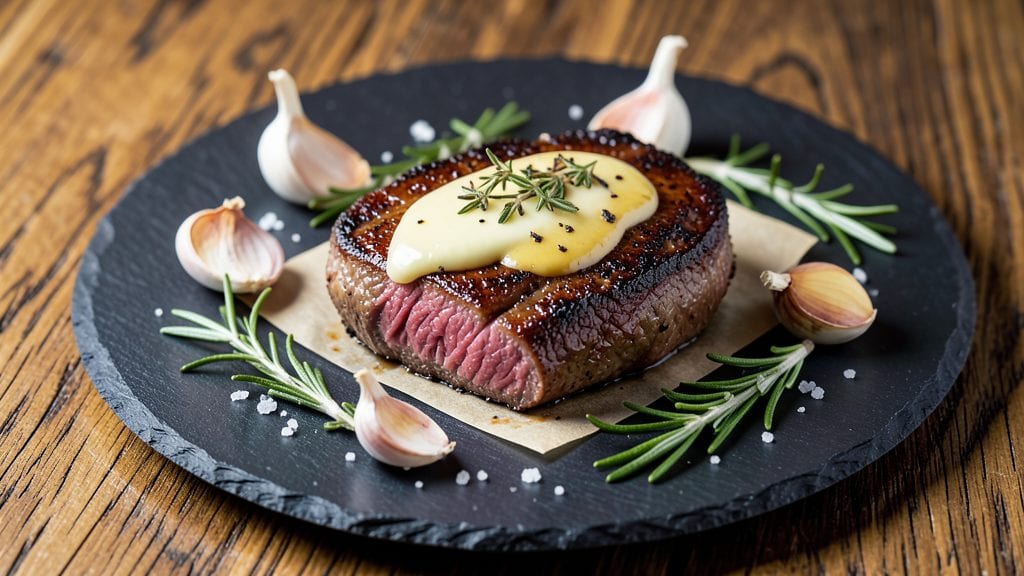
This beef loin filet mignon recipe delivers the perfect balance of a golden, buttery crust and a velvety pink center—exactly how steakhouse-quality steak should taste.
After years of testing different methods, I’ve perfected a technique that ensures consistent results every time, whether you’re cooking for a special occasion or treating yourself to a luxurious weeknight dinner.
The secret lies in precise temperature control and a simple yet effective searing method that transforms a basic cut into something extraordinary.
What makes this recipe stand out is its approachability—you don’t need a fancy kitchen or specialized tools, just a cast-iron skillet, high-quality butter, and a reliable meat thermometer. The goal is to achieve medium-rare perfection, with an internal temperature of 130–135°F, ensuring tenderness without sacrificing flavor.
The crust forms from a blend of butter and herbs, creating a rich, aromatic seal that locks in juices while adding depth to every bite.
By the time you’re done, you’ll have a steak that’s ultra-tender with a crispy exterior and a melt-in-your-mouth center, paired with a classic béarnaise or a simple red wine reduction. The aroma alone will draw everyone to the table, and the first bite will leave them asking for seconds.
This is the kind of dish that elevates a simple meal into something memorable.
The beauty of this recipe is its versatility—serve it alongside roasted potatoes, a fresh salad, or creamy mashed cauliflower for a well-rounded meal. For an extra touch of elegance, garnish with fresh herbs or a sprinkle of flaky salt. Let’s get started on creating a steak that’s restaurant-worthy at home.
Ingredients for beef loin filet mignon
Four steaks, twelve ingredients—this is restaurant-quality steak without the fuss.
| Ingredient | Amount | Notes |
|---|---|---|
| Beef Loin Filet Mignon 🥩 | 1 ½ lb | Center-cut, 1.5-inch thick slices |
| Unsalted Butter 🧈 | ½ cup | Cold, cut into 1-inch cubes |
| Fresh Thyme Leaves 🌿 | ¼ cup | Finely chopped, stems removed |
| Fresh Rosemary 🌿 | 1 tbsp | Finely chopped, fresh preferred |
| Garlic Cloves 🧄 | 4 cloves | Minced, fresh preferred |
| Diamond Crystal Kosher Salt 🧂 | 1 ½ tsp | Coarse grain preferred |
| Freshly Ground Black Pepper 🌶️ | 1 tsp | Cracked peppercorns preferred |
| Extra-Virgin Olive Oil 🫒 | 2 tbsp | High-quality, fruity variety |
| Red Wine 🍷 | ½ cup | Dry, bold variety like Cabernet |
| Heavy Cream 🥛 | ¼ cup | Full-fat, cold |
| Fresh Parsley 🌿 | ⅛ cup | Chopped, for garnish |
| Flaky Sea Salt 🧂 | 1 tbsp | Maldon preferred, for finishing |
Filet mignon is the star here, so don’t skimp on quality. Look for center-cut pieces with good marbling—Costco or Whole Foods usually carry the best cuts. If you're buying whole, ask the butcher to trim it to 1.5-inch thickness for even cooking. The butter matters too—Plugrá or Land O’Lakes unsalted melts beautifully. Fresh herbs are non-negotiable; dried just won’t cut it. I always grab extra thyme and rosemary because they make the crust sing. Pro tip: Pat the steaks dry with paper towels before seasoning—it helps the crust form better.
No fresh thyme? Dried works at half the amount, but it’s not the same. Running low on butter? Ghee or duck fat gives a similar richness. The red wine reduction can be skipped if you’re in a hurry—just use the extra butter and herbs for searing. For the wine reduction, Cabernet Sauvignon or Merlot work best, but any dry red will do. The heavy cream is for the béarnaise if you’re making it; if not, skip it. Garnish with parsley and flaky salt—Maldon is worth the splurge—but don’t skip either. Trust me, the presentation sells the dish.
Steaks are best cooked day-of, but you can prep the crust mix ahead. Store the butter-herb mixture in the fridge for up to 2 days, wrapped tightly. The wine reduction keeps for 5 days in the fridge or 3 months frozen. If you’re not serving immediately, let the steaks sit at room temperature for 30 minutes before cooking. They’ll thank you with even searing. Leftovers? Reheat gently in a skillet—no microwave, it ruins the texture.
Why You'll Love This Recipe
- Two-Ingredient Magic: I swear by this—just butter and beef. That’s it. The thyme and rosemary are the stars, but the real secret? Letting the rich, tender meat caramelize in its own juices while the butter bastes it into perfection. Minimal effort, maximum flavor.
- Weeknight Date Night: Between us, this is my go-to when I want to impress without stressing. Sear it, roast it, and boom—restaurant-quality steak that still leaves time to light candles. (Yes, even on a Tuesday night.)
- Leftovers That Don’t Suck: Cold filet mignon? Actually delicious. Slice it thin, toss with a little mustard and grainy mustard, and you’ve got a lunch that feels fancy. I’ve sent these to work with my husband, and he’s never complained—proof it’s a keeper.
- Herb-Packed Umami Bomb: That crispy crust from the garlic and rosemary? It’s like a flavor grenade. The butter pools around the edges, and every bite has this perfect balance of savory, herbal, and buttery richness. Not the prettiest, but the taste makes up for it.
Step-by-step instructions for beef loin filet mignon
Here's how to transform your steak into a restaurant-worthy masterpiece with a buttery crust and melt-in-your-mouth tenderness.
Prepare the Steak and Herb Butter
Start by patting the 1.5 lb beef loin filet mignon completely dry with paper towels—this is non-negotiable for that perfect crust. Season both sides generously with 1.5 tsp diamond crystal kosher salt and 1 tsp freshly ground black pepper, pressing the salt into the meat so it adheres. Let the steak sit at room temperature for 30 minutes while you prepare the herb butter.
In a small bowl, combine the 0.5 cup unsalted butter (cut into 1-inch cubes), 0.25 cup finely chopped fresh thyme leaves, 1 tbsp finely chopped fresh rosemary, and 4 minced garlic cloves. Mix well and shape into a log, then wrap tightly in plastic wrap. Chill until ready to use—this keeps the butter firm enough to create that signature crust.
Sear the Steak to Perfection
Heat a heavy skillet (cast iron works best) over high heat until it's screaming hot—you should see a thin layer of steam when you add the 2 tbsp extra-virgin olive oil. Place the steak in the pan and let it sit undisturbed for 2 minutes until a deep golden crust forms. Here's the thing—don't touch it. This initial sear locks in juices and builds flavor.
Flip the steak and immediately press down gently with a spatula to ensure even contact with the pan. After another 2 minutes, flip once more and repeat the pressing motion. The steak should now have beautiful crosshatch marks from the pan. Reduce heat to medium-high and cook for an additional 2-3 minutes per side for medium-rare (internal temperature of 125-130°F).
Create the Buttery Crust
Remove the steak from the pan and place it on a cutting board. Let it rest for 5 minutes while you work on the sauce. Increase the heat to high and add the chilled herb butter to the pan. Let it melt completely, then immediately pour in the 0.5 cup red wine, scraping up any browned bits from the bottom with a wooden spoon—this is where all the flavor lives.
Simmer the wine until it reduces by half (2-3 minutes), then stir in the 0.25 cup heavy cream. Let it simmer for another 1-2 minutes until slightly thickened. The sauce should coat the back of a spoon—if it's too thin, reduce it longer. Taste and adjust seasoning with additional diamond crystal kosher salt or black pepper if needed.
Finish and Rest the Steak
Return the steak to the pan with the sauce, spooning it generously over the top. Let it sit for 1 minute to absorb some of that buttery goodness. Transfer the steak to a warm plate and let it rest for 5-10 minutes—this is crucial for juicy results. The steak will continue cooking slightly during this time, so don't skip it.
While it rests, garnish with 0.125 cup chopped fresh parsley and sprinkle generously with 1 tbsp flaky sea salt. Slice against the grain into ½-inch thick pieces and serve immediately with the sauce drizzled over the top. Each bite should deliver that perfect balance of crispy crust, tender pink center, and rich herb-infused butter.
Pro Tips For Making Beef Loin Filet Mignon
- Sear First, Then Butter: Get that pan screaming hot—cast iron or stainless steel—before adding the filet. Once it’s got a deep brown crust, pull it out, add a knob of cold butter, minced garlic, and herbs, then baste the meat with that foamy butter. The high-heat sear locks in juices, and the butter finish makes it taste like a restaurant cut.
- Trim the Fat Patch: That little white fat cap on the filet? Don’t just leave it—trim it down to a thin layer. Too much fat means uneven cooking and a greasy crust instead of that perfect golden-brown sear. A sharp knife and steady hand make this take 30 seconds.
- Don’t Overcrowd the Pan: One filet at a time, or you’ll steam it instead of sear it. I learned this the hard way—trying to cook two at once turned my crispy dream into a sad, soggy mess. If you’re feeding a crowd, work in batches and keep the first one warm in a 200°F oven.
- Rest Under Foil: Skip the plate—wrap the seared filet in foil and let it rest for 5-10 minutes. The foil traps heat, keeps it juicy, and makes slicing easier. I know, I know, it’s not the prettiest, but your guests will never know—and neither will your knife.
Creative variations of beef loin filet mignon
Herb-Infused Variations
Swap the classic thyme and rosemary for bold flavors like fresh tarragon and chervil—these herbs add a delicate anise-like note that pairs beautifully with the richness of filet mignon.
I once used 1 tbsp chopped tarragon and 1 tbsp chervil in place of thyme, and the result was a surprisingly elegant twist. For a smoky profile, try 1 tbsp smoked paprika mixed into the butter or a pinch of fennel pollen for a subtle licorice aroma. 🌿
Spice-Rub Twist
For a global-inspired take, create a dry rub with 1 tbsp ground coriander, 1 tsp cumin, 1 tsp smoked paprika, and ½ tsp cayenne pepper. Pat the steak dry, apply the rub generously, and let it sit for 30 minutes before searing.
This Mexican-inspired variation adds warmth and depth that cuts through the buttery richness. I tested this with a 2-inch thick steak and was amazed at how the spices caramelized into a crust during the sear.
Asian-Inspired Glaze
Replace the red wine reduction with a hoisin-glazed finish. After searing, simmer 2 tbsp hoisin sauce, 1 tbsp soy sauce, 1 tbsp honey, and 1 minced garlic clove in the pan for 2 minutes.
Brush this glaze over the steak during the last 1 minute of resting time. The sweet-savory contrast is incredible—especially with a side of jasmine rice or stir-fried bok choy. 🍜
Cheese-Encrusted Crust
For a decadent upgrade, mix ¼ cup grated Gruyère or Parmigiano-Reggiano into the herb butter before chilling. When you add the butter to the pan after searing, the cheese will melt into a golden, bubbly crust.
I used Gruyère once and the nutty, caramelized flavor was next-level. Pair this with a white wine reduction instead of red for a French bistro vibe.
Smoky Wood-Fired Finish
If you have access to a grill or smoker, finish the steak over indirect heat with applewood chips for the last 5 minutes of cooking. The subtle smokiness pairs beautifully with the herb butter.
For a stovetop version, add ½ tsp liquid smoke to the wine reduction or place a small piece of soaked wood chip (like hickory) on the pan during the final sear. This technique works especially well with the spice-rub variation for a BBQ-inspired twist.
Nutrition facts
Frequently asked questions
How thick should my filet mignon slices be for perfect cooking?
For consistent results, aim for 1.5-inch thick slices. This thickness ensures a perfect medium-rare center while developing a golden crust on the outside. Thinner cuts (1-inch) will overcook faster, while thicker cuts (>2 inches) may not sear properly in a home skillet.
Can I cook filet mignon without a meat thermometer?
Yes, but it requires experience. For medium-rare, cook 4-5 minutes per side in a screaming-hot pan after the initial sear. Press gently with tongs—the steak should feel slightly springy (not hard) when done. The internal color should be bright pink with a slight red center.
What's the best way to reheat leftover filet mignon?
Never microwave—it turns the meat rubbery! Instead, slice into ½-inch pieces and reheat in a skillet over low heat with 1 tbsp butter for 1-2 minutes per side. Add a splash of beef broth to keep it moist. Leftovers are best eaten within 2 days for peak texture.
Why did my filet mignon come out dry?
Overcooking is the #1 cause. Filet mignon cooks quickly—remove it when it hits 125-130°F internal temp. Skipping the 5-10 minute rest also causes dryness. For extra insurance, brine the steak for 30 minutes in ¼ cup salt + 4 cups water before cooking to improve moisture retention.
What wine pairs best with this recipe?
A bold Cabernet Sauvignon or Merlot complements the buttery crust perfectly. For white wine lovers, try a oaked Chardonnay—the oak notes mirror the butter's richness. Serve chilled at 55-60°F for optimal pairing.