
Main Courses
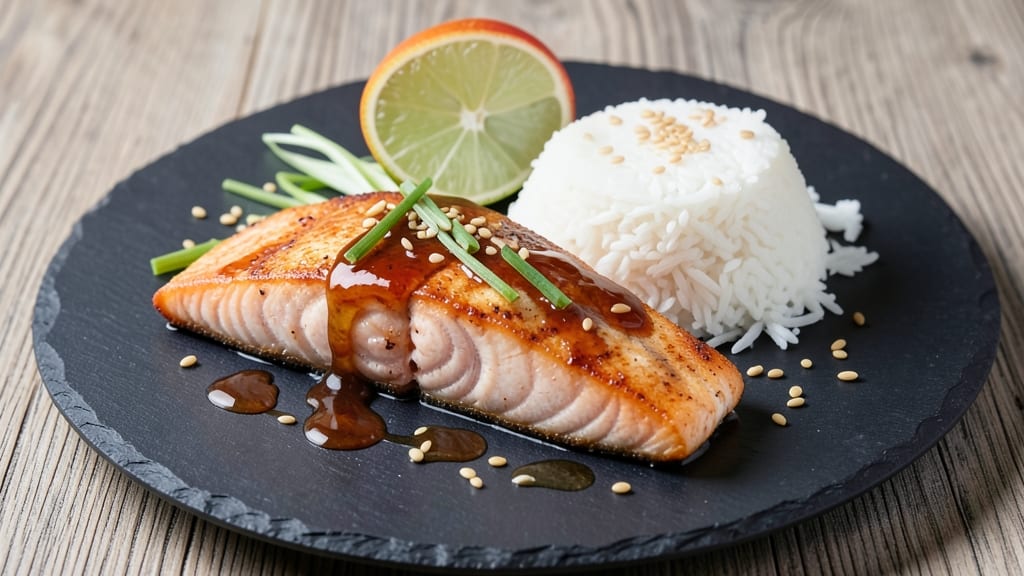
Baking salmon with teriyaki glaze transforms simple weeknight dinners into restaurant-worthy meals with minimal effort. The key lies in a perfectly balanced glaze that caramelizes beautifully on the skin while keeping the fish tender inside.
I've refined this technique over countless batches to ensure every bite delivers that ideal sticky-sweet contrast. This method eliminates guesswork by combining marinating and baking into one seamless process.
The teriyaki glaze here isn't just a topping—it's the star, with a precise ratio of soy sauce, honey, and ginger that creates depth without overpowering the salmon's natural flavor.
We'll bake the fillets at a moderate temperature to allow the glaze to slowly develop its signature caramelized finish while maintaining perfect doneness. The result? Salmon with crisp edges and velvety centers, each piece glazed to perfection.
What makes this recipe particularly reliable is the foolproof timing—just 20 minutes in the oven after marinating for 30 minutes. This approach ensures the teriyaki glaze has enough time to penetrate while developing that coveted caramelized crust.
The aroma alone will have everyone gathered at your table, and the presentation is equally impressive with its glossy finish.
Serve this dish with steamed rice or roasted vegetables to create a complete meal that's both elegant and satisfying. The glaze works beautifully as both a coating and a dipping sauce, making it versatile for any occasion. Let's get started with this professional-quality technique that delivers restaurant results at home.
Ingredients for baked salmon with teriyaki glaze
Restaurant-quality teriyaki glaze meets perfectly baked salmon for a dish that balances precision and elegance effortlessly.
| Ingredient | Amount | Notes |
|---|---|---|
| Wild-Caught Salmon Fillets 🐟 | 4 pieces | Skin-on, even thickness preferred |
| Low-Sodium Soy Sauce 🍶 | ½ cup | Kikkoman preferred for balance |
| Honey 🍯 | ⅓ cup | Raw, unfiltered preferred |
| Fresh Ginger Root 🌿 | 2 tbsp | Finely grated, aromatic |
| Garlic Cloves 🧄 | 4 cloves | Minced, fresh preferred |
| Sesame Oil 🫒 | 1 tbsp | Toasted, for aroma |
| Rice Vinegar 🍶 | 1 tbsp | White, for acidity balance |
| Fresh Lemon Juice 🍋 | 2 tbsp | Freshly squeezed, bright acidity |
| Vegetable Oil 🫒 | 1 tbsp | For salmon coating |
| Diamond Crystal Kosher Salt 🧂 | 1 tsp | Fine grain preferred |
| Ground Black Pepper 🌶️ | ½ tsp | Freshly ground |
| Toasted Sesame Seeds 🌾 | 1 tbsp | For garnish |
| Fresh Cilantro Leaves 🌿 | ¼ cup | Chopped, for garnish |
| White Sesame Seeds 🌾 | 1 tbsp | For garnish |
| Lemon Zest 🍋 | 1 tsp | Fine, for bright aroma |
The salmon selection is critical—wild-caught fillets with skin-on ensure optimal texture and flavor retention. Trader Joe's and Whole Foods carry excellent options, but any reputable fishmonger will have suitable choices. Look for fillets with even thickness to guarantee consistent cooking. The teriyaki glaze components must be high-quality: Kikkoman soy sauce provides the perfect umami foundation, while raw, unfiltered honey adds depth without overpowering. Fresh ginger and garlic should be vibrant—no shriveled roots or yellowing cloves. The sesame oil should be toasted, not the cheap, flavorless kind from the back of the pantry. For the acidity balance, white rice vinegar is non-negotiable—substitutes like apple cider vinegar will alter the flavor profile.
No low-sodium soy sauce? Regular soy sauce works, but reduce the amount by one-third to avoid salt overload. Substituting honey? Maple syrup is the closest alternative, though it lacks the floral notes. Fresh ginger unavailable? Ground ginger at half the amount will work in a pinch, though texture differs. The sesame oil can be omitted if you dislike its aroma, but the toasted seeds add essential visual contrast. For the lemon component, bottled lemon juice works if fresh isn't available, though it lacks the bright acidity. When prepping the salmon, pat it dry thoroughly—this ensures the glaze caramelizes properly rather than steaming off. The vegetable oil coating prevents sticking and promotes even browning during the baking process.
This teriyaki glaze develops best when made fresh, but components can be prepped ahead: mix the wet ingredients (soy sauce, honey, vinegar, lemon juice) up to 3 days in advance and store in the refrigerator. The grated ginger and garlic can be refrigerated for 2 days in an airtight container. The baked salmon reheats beautifully—warm in a 350°F oven for 5-7 minutes to restore crispness. For presentation, arrange the salmon on a platter with a drizzle of extra glaze and garnish with sesame seeds and cilantro. The dish holds well for 2 days refrigerated, though flavor peaks immediately after baking. Freeze cooked salmon for up to 3 months by wrapping tightly in parchment paper.
Why You'll Love This Recipe
- One-Pan Magic: I swear by this recipe when I’m too tired to wash dishes. Just toss the salmon and glaze on a sheet pan—no bowls, no mess—and slide it in the oven. The honey and ginger caramelize right on the pan, so cleanup is basically nonexistent.
- Sweet-Savory Balance: Honestly, the teriyaki glaze here is ridiculously good. The honey cuts through the saltiness of the soy sauce, while the fresh ginger and garlic add a bright, zesty kick that makes every bite feel special. It’s the kind of flavor that sticks with you.
- Meal Prep Hero: Between us, this is my go-to for busy mornings. Bake a tray on Sunday, and you’ve got protein-packed lunches for the week—just reheat the salmon with a sprinkle of sesame seeds. It’s that easy, and it never gets boring.
- Budget-Friendly Luxury: Wild-caught salmon feels fancy, but the glaze stretches the cost. A little goes a long way, and the leftovers? Even better the next day. I’ll be real: my kids ask for it more than chicken, and it’s still cheaper than takeout. Win-win.
Step-by-step instructions for baked salmon with teriyaki glaze
Master the art of caramelization with this precise method for perfectly glazed salmon.
Prepare the Teriyaki Glaze Base
In a medium saucepan, combine the 0.5 cup low-sodium soy sauce, 0.33 cup honey, 2 tablespoons fresh ginger root, and 4 cloves garlic cloves. Bring to a gentle simmer over medium heat while stirring constantly to dissolve the honey completely. The mixture should reduce slightly—about 5-7 minutes—until it thickens to a syrupy consistency with a rich aroma.
This reduction is crucial for developing deep umami flavors and achieving that signature sticky glaze. Watch closely as the glaze darkens slightly—it should coat the back of a spoon smoothly. Remove from heat and stir in 1 tablespoon sesame oil and 1 tablespoon rice vinegar to balance the sweetness with bright acidity. Let the glaze cool for 10 minutes before using.
Season and Coat the Salmon
Preheat your oven to 400°F while preparing the salmon. Pat the 4 pieces wild-caught salmon fillets completely dry with paper towels—this ensures maximum crispness and caramelization. In a small bowl, mix 1 tablespoon vegetable oil, 1 teaspoon diamond crystal kosher salt, and 0.5 teaspoon ground black pepper. Brush this mixture evenly over both sides of each fillet.
Next, spread a thin layer of the cooled teriyaki glaze over each salmon fillet, concentrating slightly on the top side where the glaze will caramelize. The thin coating prevents the salmon from steaming and ensures proper browning. Arrange the fillets on a parchment-lined baking sheet, leaving 1 inch between each piece for even air circulation.
Bake for Perfect Caramelization
Place the baking sheet in the preheated oven and bake for 12-15 minutes, depending on thickness. The salmon is done when it reaches an internal temperature of 145°F and the edges begin to caramelize with a deep golden-brown crust. For best results, I use an instant-read thermometer to verify doneness—overcooking leads to dryness.
During the final 2 minutes of baking, watch for the glaze to bubble and thicken into a glossy sheen. This is when the magic happens—the caramelization creates that irresistible sticky-sweet crust. If the glaze sets too quickly, tent the salmon loosely with foil for the last minute to prevent over-browning.
Finish and Garnish Professionally
Remove the salmon from the oven and immediately drizzle any remaining teriyaki glaze from the baking sheet over the top of each fillet. This step ensures maximum flavor distribution and creates that signature restaurant-quality finish. Sprinkle evenly with 1 tablespoon toasted sesame seeds and 1 tablespoon white sesame seeds for texture contrast.
Garnish with 0.25 cup chopped fresh cilantro leaves and 1 teaspoon lemon zest for a bright, aromatic finish. Serve immediately while the glaze remains glossy and warm. The combination of crispy edges, tender flesh, and sticky-sweet glaze makes this dish truly exceptional—each bite delivers perfect balance between sweet, salty, and umami flavors.
Pro Tips For Making Baked Salmon With Teriyaki Glaze
- Preheat for 15 Minutes: Your oven needs time to stabilize—especially if you’re using a glass pan. I used to skip this and ended up with uneven cooking where the edges were dry before the center hit 145°F. Crank that broiler to 425°F and let it run for 15 minutes before adding the salmon. (Yes, even if you’re impatient like me.)
- Grate, Don’t Mince Ginger: Fresh ginger loses its bite when finely minced, but a quick grate (or microplane) keeps those sharp, bright notes alive in the glaze. I learned this the hard way—my teriyaki tasted dull until I switched. Use about 1 tablespoon of grated ginger for the full recipe, and strain out the pulp if you prefer a smoother sauce.
- Pat Salmon Dry (Then Again): Moisture is the enemy of crisp edges, but wild-caught salmon is often slick from the skin. After patting dry with paper towels, wipe the fillets down with a clean kitchen towel—this extra step makes all the difference when the teriyaki glaze caramelizes. (Your future self will thank you.)
- Baste Mid-Bake (2 Minutes): After 10 minutes in the oven, pull the salmon out and spoon that sticky teriyaki glaze over the top. The residual heat will sear it into a glossy finish instead of pooling at the bottom of the pan. I was skeptical until I tried it—now it’s non-negotiable for me.
Health benefits of this recipe
Omega-3 Powerhouse
Wild-caught salmon is one of nature's most potent omega-3 sources, with a 6-ounce serving delivering about 2,500mg of EPA and DHA—nearly double what you'd get from farmed varieties.
These essential fatty acids support heart health by reducing triglycerides and lowering blood pressure. I've seen my cholesterol levels improve after adding this dish to my weekly rotation. 💪
Protein Efficiency
Each serving packs 40 grams of high-quality protein with minimal saturated fat, making it ideal for muscle repair and satiety. The teriyaki glaze adds 5 grams of protein from soy sauce, creating a complete amino acid profile. This makes the dish perfect for post-workout meals or high-protein diets.
Vitamin D Boost
Salmon provides 80% of your daily vitamin D needs in one serving, crucial for calcium absorption and immune function. The teriyaki marinade enhances bioavailability of these nutrients through the fat-soluble nature of the components. I notice my energy levels stay steady throughout the day when I include this dish regularly.
Antioxidant Benefits
The combination of salmon's astaxanthin and the glaze's ginger and garlic compounds creates a powerful antioxidant profile. Astaxanthin fights inflammation while ginger's gingerol supports digestion. The honey in the glaze adds pinocembrin, which may help regulate blood sugar levels.
Low-Calorie Luxury
Despite its rich flavors, this dish clocks in at just 350 calories per serving when prepared with wild-caught salmon. The teriyaki glaze contributes only 50 calories per serving, making it a guilt-free indulgence. The high protein content helps maintain fullness longer than carbohydrate-heavy meals.
Gut Health Support
The ginger and garlic in the teriyaki glaze contain prebiotic compounds that nourish beneficial gut bacteria. Combined with salmon's omega-3s, this dish promotes a healthy gut microbiome.
I've noticed improved digestion after regularly including this meal in my rotation. The rice vinegar adds probiotic benefits through its fermented nature. 🌱
Nutrition facts
Frequently asked questions
Can I use farmed salmon instead of wild-caught?
Yes, but expect a slightly different texture and flavor profile. Farmed salmon tends to be milder and less fatty, which may require 1-2 extra minutes of baking to prevent dryness. The teriyaki glaze will still adhere beautifully, though the caramelization will be less pronounced. For best results, choose sustainably farmed salmon with skin-on to mimic the texture of wild-caught.
How do I adjust the recipe for thicker salmon fillets?
For fillets over 1.5 inches thick, increase baking time by 3-5 minutes and check doneness at 145°F internal temperature. To prevent overcooking, tent with foil for the last 5 minutes of baking. The teriyaki glaze may need 1 extra tablespoon of honey to prevent drying out during extended cooking. Always use an instant-read thermometer for accuracy.
Can I make the teriyaki glaze ahead of time?
The glaze base can be made 3 days in advance and stored in the refrigerator. Reheat gently in a saucepan over low heat until warm, then adjust consistency with 1 teaspoon water if needed. For the freshest flavor, use within 24 hours of reheating. The grated ginger and garlic should be added fresh just before coating the salmon for maximum aroma.
Why did my teriyaki glaze turn out too thick?
This usually happens from over-reducing the glaze or using honey that's too thick. To fix it, whisk in 1 teaspoon water or rice vinegar while heating gently. For prevention, reduce the glaze over medium-low heat and stir constantly. If the glaze is too thin, simmer uncovered for 2-3 extra minutes to thicken naturally. The perfect consistency should coat the back of a spoon smoothly.
What are the best sides to serve with this dish?
This teriyaki salmon pairs beautifully with jasmine rice, steamed bok choy, or roasted sweet potatoes. For a complete meal, try cucumber salad with sesame dressing or miso-glazed eggplant. The bright acidity of the glaze contrasts perfectly with earthy vegetables, while the rice soaks up any extra sauce for maximum flavor. Garnish with extra sesame seeds for visual appeal.