Sauces & Condiments
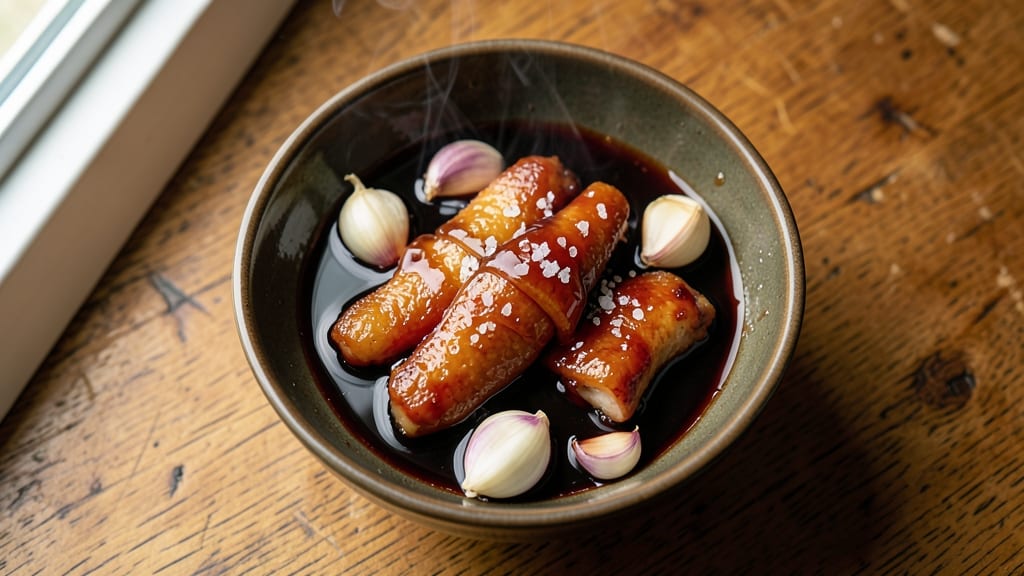
This baked chicken wings marinade recipe transforms ordinary wings into finger-licking masterpieces with a smoky garlic-honey glaze that clings to every bite. The balance of sweet, savory, and tangy flavors creates a sticky, caramelized crust while keeping the meat tender and juicy.
I developed this marinade after years of testing—it’s the one that finally earned me compliments instead of "good job, it’s not burnt."
The secret lies in the precise ratio of ingredients: liquid smoke for depth, honey for caramelization, and a splash of apple cider vinegar to tenderize the wings while cutting through the richness.
This marinade works equally well for baked, grilled, or air-fried wings, and the flavors intensify the longer they sit—up to 24 hours for maximum impact. No complicated techniques required, just mix, coat, and bake.
What you’ll get is wings with a glossy, sticky glaze that’s perfectly balanced between sweet and smoky, with a crisp edge that shatters at every bite. The marinade’s acidity ensures the meat stays tender, while the honey creates that irresistible caramelized finish.
It’s the kind of flavor that makes people ask for seconds—and thirds.
Use this marinade as a pre-bake coating or a post-cook glaze for wings that taste like they came from a high-end restaurant. Store any leftovers in the fridge for up to a week, making it perfect for meal prep.
Let’s get started—your wings are about to become the star of the table.
Ingredients for baked chicken wings marinade
Ten simple ingredients for a marinade that turns wings into restaurant-quality bites.
| Ingredient | Amount | Notes |
|---|---|---|
| Honey 🍯 | ½ cup | Raw or regular, not clover if possible |
| Liquid Smoke 🔥 | 2 tbsp | High-quality, no sugar added |
| Apple Cider Vinegar 🍎 | ¼ cup | Unfiltered preferred for tang |
| Garlic Cloves 🧄 | 6 cloves | Fresh, minced or finely chopped |
| Worcestershire Sauce 🍶 | 2 tbsp | High-quality, no artificial flavors |
| Soy Sauce 🍜 | 2 tbsp | Low-sodium preferred |
| Brown Sugar 🍚 | 2 tbsp | Light or dark, packed |
| Mustard 🥬 | 1 tbsp | Dijon or yellow, smooth |
| Salt 🧂 | 1 ½ tsp | Kosher or sea salt |
| Black Pepper 🌶️ | ½ tsp | Freshly ground preferred |
The honey is what makes this marinade special—it’s not just sweetness, it’s the caramelization that creates that sticky, glossy crust. Local farmers markets often have raw honey that’s less processed, and it adds a deeper flavor. If you can’t find raw, regular honey still works, but avoid clover if you want that rich, floral note. The liquid smoke is non-negotiable for that smoky depth—Kikkoman or Wright’s are solid brands, but the good stuff comes from specialty stores or online. I grab mine from Penzeys when I’m making a big batch. The garlic? Fresh is always better, but if you’re in a pinch, jarred minced works (just drain it first).
No liquid smoke? Smoked paprika at double the amount gets you close, but it won’t have that same depth. Short on honey? Maple syrup works one-to-one, though it’s slightly earthier. The apple cider vinegar can be swapped for white vinegar, but the tang won’t be as bright. Worcestershire sauce hard to find? Fish sauce at half the amount adds umami, but skip it if you’re avoiding fish. The brown sugar can be swapped for white, but it won’t caramelize as nicely. And if you’re watching sugar, use half the amount of stevia or monk fruit sweetener, but taste as you go—it’s intense.
This marinade keeps for up to 2 weeks in the fridge, sealed tight. I like to make a double batch—one for immediate use, one to store. The flavors actually get better after a day or two, so if you’re prepping for a big cookout, let it sit overnight. It also freezes beautifully for up to 6 months. Just thaw in the fridge before using. Pro tip: if the marinade separates, just stir it up—it’s normal. The wings? Use within 2 days of marinating for best texture, but the flavor stays amazing even after baking.
Why You'll Love This Recipe
- Five-Ingredient Magic: I swear by this combo—just honey, liquid smoke, vinegar, garlic, and Worcestershire. No fancy prep, no extra bowls. Honestly, I keep a spray bottle of this marinade in my fridge now for lazy nights.
- Sweet-Smoky Balance: That honey caramelizes into sticky goodness while the liquid smoke adds depth without overpowering. The apple cider vinegar cuts through the richness—it’s the kind of flavor that makes you close your eyes mid-bite.
- Game for Any Gathering: Perfect for game day (trust me, my Super Bowl party crowd begs for seconds), but also works as a weeknight dinner when I’m too tired to order takeout. The leftovers? Just as good cold in sandwiches.
- Budget Meal Prep Win: A single batch marinates 20 wings for under $10. I make double, bake half, and freeze the rest—no wasted ingredients, no last-minute grocery runs. My wallet and my taste buds thank me.
Instructions for smoky garlic-honey glazed baked wings
This marinade transforms ordinary wings into sticky, smoky, and irresistibly flavorful bites every time.
Combine Wet Ingredients for the Marinade
In a medium bowl, whisk together the 0.5 cup honey and 2 tablespoons liquid smoke until fully blended. The honey should become slightly darker as the liquid smoke incorporates—this is your flavor foundation. Add the 0.25 cup apple cider vinegar and stir well. The vinegar will help tenderize the wings while adding bright acidity to balance the sweetness.
Next, pour in the 2 tablespoons Worcestershire sauce and 2 tablespoons soy sauce, whisking continuously. These ingredients bring deep umami flavor and help create that signature sticky glaze. The mixture will start to smell rich and complex right away—this is your first taste of the final flavor profile.
Add Aromatics and Sweetener
Mince the 6 garlic cloves finely—you want them almost paste-like for even distribution. Add them to the bowl along with the 2 tablespoons brown sugar, 1 tablespoon mustard, 1.5 teaspoons salt, and 0.5 teaspoon black pepper. Stir everything together until the brown sugar dissolves completely and you achieve a smooth, glossy marinade.
Here's the thing—this marinade works best when it penetrates the wings thoroughly. If it looks too thick, you can thin it slightly with 1 tablespoon of warm water, but it should coat the back of a spoon without being runny. The mustard helps emulsify the mixture, ensuring all flavors stick to the wings during baking.
Marinate Wings for Maximum Flavor
Place your wings in a large resealable plastic bag or shallow dish. Pour the marinade over them, making sure each piece is fully coated. Seal the bag (if using) and massage the marinade into the wings, pressing down gently to help it penetrate. This step is crucial—don't skip it, even if it seems like overkill.
Refrigerate the wings for at least 4 hours, but overnight is ideal. The longer they marinate, the deeper the flavor will be. If you're short on time, you can marinate them for just 2 hours, but you'll sacrifice some of that complex, layered taste. During this time, the acidity from the vinegar will begin to tenderize the meat while the honey and brown sugar start caramelizing on the surface.
Bake to Sticky Perfection
Preheat your oven to 400°F and line a baking sheet with parchment paper or aluminum foil. Arrange the wings in a single layer, leaving about 1 inch between each piece to ensure even browning. Pour any remaining marinade from the bag over the wings, reserving about 2 tablespoons for basting later.
Bake for 35-40 minutes, flipping the wings halfway through at the 20-minute mark. You'll know they're ready when the edges are deep golden brown and the glaze has thickened into a sticky, caramelized coating. During the last 5 minutes, brush the reserved marinade over the wings to enhance that glossy finish.
Rest and Serve
Transfer the wings to a serving platter and let them rest for 5 minutes before serving. This resting period allows the juices to redistribute, ensuring each bite is moist and flavorful. The wings should be tender enough to pull apart easily at the joints, with a crispy exterior that gives way to juicy meat beneath.
Serve immediately with your favorite dipping sauce or extra glaze drizzled on top. The combination of smoky, sweet, and tangy flavors makes these wings unforgettable—perfect for game day, parties, or whenever you crave something truly craveable.
Pro Tips For Making Baked Chicken Wings Marinade
- Whisk Before Marinate: I learned this the hard way—liquid smoke and honey don’t mix on their own. After blending the apple cider vinegar and Worcestershire, hit that honey with a whisk (or a quick shake in a jar) until it’s fully dissolved. No streaks = even flavor distribution, not just sticky patches on your wings.
- Roast Garlic First: Raw garlic cloves in this marinade? They’ll fight for dominance instead of blending smoothly. Wrap the cloves in foil, roast at 400°F for 20 minutes, then mash them into the mix. The flavor’s deeper, and the marinade won’t taste like you’re chewing on a clove.
- Don’t Skip the Vinegar Rest: The apple cider vinegar needs time to break down the honey’s stickiness. Let the marinade sit for at least 15 minutes before tossing the wings—this guarantees the liquid smoke and Worcestershire soak in evenly, not just pool at the bottom of your bowl.
- Bake Wings Skin-Side Down: Crowding a tray? Flip the wings halfway, but start them skin-side down. The fat renders faster, creating a crispier crust without steaming the meat. (Yes, even if you’re impatient like me—trust the process.)
Pro cooking tips for great baked chicken wings marinade
Marinade Consistency
The perfect marinade should coat the back of a spoon without being watery—think glossy syrup consistency like honey. If yours is too thick after mixing, thin it with 1 tablespoon warm water at a time until it reaches that ideal balance.
I’ve ruined batches by skipping this step, leading to uneven coating on the wings. The mustard in this recipe helps emulsify everything, so don’t skip it—it’s the secret to a smooth, clingy glaze. 🍯
Acidity Control
The apple cider vinegar is your flavor regulator—it tenderizes the meat while cutting through the sweetness. If you’re using store-bought vinegar (not unfiltered), add an extra ½ teaspoon of lemon juice to brighten the tang.
For extra heat, toss in ½ teaspoon of cayenne pepper or 1 teaspoon of hot sauce before marinating. This is where the magic happens—too little acid, and the wings taste flat; too much, and they’ll get mushy. 🌶️
Garlic Prep Matters
Don’t just chop your garlic—smash it with the flat side of your knife first to release more flavor.
For this marinade, I like to mince it into a paste using the rock method (place a clove on a cutting board, hold the knife flat, and rock it back and forth). This ensures even distribution and prevents large chunks.
If you’re short on time, 1 teaspoon of garlic powder works in a pinch, but fresh is always better. 🧄
Marinating Time
Four hours is the minimum, but overnight is ideal—this is where the flavors meld and the acidity really works its magic. If you’re in a rush, marinate for at least 2 hours, but don’t skip it entirely.
Pro tip: Double-bag the wings—place them in a resealable bag, then put that bag inside a second one. This creates a vacuum seal, ensuring the marinade clings to every surface. 💡
Basting for Gloss
Reserve 2 tablespoons of marinade before baking—this is your finishing touch. Brush it on the wings during the last 5 minutes of cooking to create that restaurant-quality shine.
For extra crispiness, broil the wings for 1-2 minutes at the end, but watch them like a hawk—burnt glaze is a real risk when you’re distracted. A wire cooling rack on the baking sheet helps prevent soggy bottoms. ⚡
Leftovers Hack
Save any leftover marinade (after baking) in an airtight container for up to 1 week in the fridge. It makes an amazing dipping sauce—just warm it gently in a small saucepan.
For wings, store them in a single layer on a tray before transferring to containers to prevent sticking. Reheat in the oven at 350°F for 10 minutes to restore crispiness. 🔥
Nutrition facts
Frequently asked questions
Can I use this marinade for other proteins besides chicken wings?
This marinade works beautifully on chicken breasts, thighs, or even pork chops. For tougher cuts like pork shoulder, marinate for 24 hours to maximize tenderness. Just reduce the baking time by 10-15 minutes since smaller proteins cook faster. The honey and vinegar balance ensures juiciness across all meats.
Why does my marinade look too thick or too thin?
If it's too thick, thin with 1 tablespoon warm water at a time until it reaches a glossy, spoon-coatable consistency. Too thin? Simmer it gently in a small saucepan for 3-5 minutes to reduce. The mustard in this recipe helps stabilize the texture, so don't skip it—it's the emulsifier that keeps everything clinging to the meat.
How do I make this marinade spicier?
Add ½ teaspoon cayenne pepper or 1 teaspoon hot sauce directly to the marinade before applying. For extra heat, include 1 chopped jalapeño (seeds removed for mild heat) or 1 teaspoon smoked paprika. Always taste as you go—spice builds during marinating, so start conservative.
Can I reuse leftover marinade?
Yes! After baking, store any remaining marinade in an airtight container for up to 1 week in the fridge. It makes an excellent dipping sauce—simply warm it gently in a saucepan. Never reuse marinade that touched raw meat without cooking it first, as it may contain bacteria.
What if I don't have liquid smoke?
Use 2 teaspoons smoked paprika as a substitute, though it won't have the same depth. For a closer match, combine 1 teaspoon smoked paprika + ½ teaspoon chipotle powder. The vinegar and Worcestershire sauce will still provide the necessary acidity and umami to balance the flavors.