Appetizers
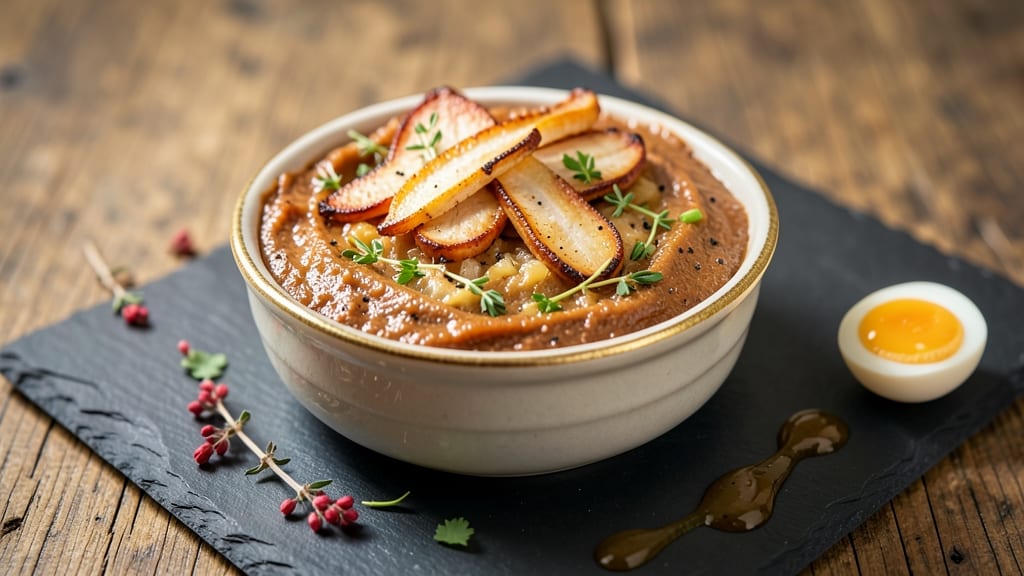
Creating a baked chicken liver pâté transforms humble ingredients into a luxurious appetizer with velvety texture and deep herbal notes. This recipe delivers restaurant-quality results using precise techniques—rendering fat, blending until silky, and baking for stability.
The secret lies in balancing richness with bright flavors, ensuring every bite is both decadent and refined.
What sets this pâté apart is its foolproof method for achieving that signature smooth, spreadable consistency without breaking the bank. You’ll work with chicken livers, rendered fat, and aromatic herbs, all combined and baked to perfection.
The result is a pâté that’s rich yet balanced, with a subtle tang from mustard and a hint of warmth from slow-cooked onions.
By the time you serve it, you’ll have a pâté that’s silky-smooth with a delicate crust on top—a visual and textural triumph. Pair it with toasted baguette slices or crisp crackers for an appetizer that feels both elegant and approachable.
The best part? It’s easier than you think, with clear steps that ensure success every time.
For those who love variations, consider adding a splash of port wine for depth or fresh thyme for brightness. This recipe scales beautifully for gatherings, making it perfect for holiday parties or intimate dinner parties. Let’s get started on creating your pâté masterpiece.
Ingredients for baked chicken liver pate
Rich, velvety pâté starts with just 12 ingredients—no fancy shortcuts needed.
| Ingredient | Amount | Notes |
|---|---|---|
| Chicken Livers 🍗 | 1 lb | Fresh, trimmed of connective tissue |
| Unsalted Butter 🧈 | ½ cup | Cold, cubed for rendering |
| Yellow Onion 🧅 | 1 whole | Slow-cooked until caramelized |
| Fresh Thyme 🌿 | ¼ cup | Leaves only, stems removed |
| Fresh Parsley 🌿 | ¼ cup | Flat-leaf, finely chopped |
| Dijon Mustard 🍯 | 1 tbsp | For subtle tang |
| Dry Sherry 🍷 | ½ cup | Or substitute white wine |
| Heavy Cream 🥛 | ¼ cup | Full-fat for richness |
| Salt 🧂 | 1 ½ tsp | Kosher or sea salt |
| Black Pepper 🌶️ | ½ tsp | Freshly ground |
| Garlic Cloves 🧄 | 2 cloves | Peeled, minced |
| Baguette Slices 🍞 | 12 slices | For serving, toasted |
The chicken livers are the star, so pick fresh, plump ones—they should be bright red, not gray or slimy. Butcher shops often have the best quality, but grocery stores work too if they're wrapped and refrigerated. Trim off any yellow fat or connective tissue before cooking. For the butter, unsalted is a must—salted can make the pâté too salty. I always grab European-style butter from the grocery store's international section if available, but regular unsalted works fine too. The onions? Slow-cook them until caramelized—this adds natural sweetness that balances the richness.
No sherry? Dry white wine or even chicken stock works in a pinch, though sherry adds a lovely depth. Fresh thyme and parsley are ideal, but dried at half the amount gets you close. The mustard is non-negotiable—it cuts through the richness. For a smoother texture, blend the pâté until ultra-silky before baking. If you're serving a crowd, double the recipe—it scales perfectly. The baguette? Toast it until crisp so it holds up to the pâté's richness. Store-bought slices work, but fresh baguette toasted in butter is worth the effort.
This pâté keeps beautifully—3-4 days in the fridge sealed tightly. For longer storage, freeze for up to 3 months in an airtight container. Reheat gently in the oven at 350°F (175°C) until warmed through. The crust that forms on top? Don't skip it—it's the secret to that restaurant-quality texture. I always make a double batch because it disappears fast, especially with crackers or crusty bread on hand.
Why You'll Love This Recipe
- No-Fuss Ingredients: I swear by this recipe because it’s that simple—just livers, butter, onion, and herbs. No fancy pantry items, no last-minute grocery runs. Honestly, if I’ve got chicken livers and a knife, I’m making this.
- Rich, Earthy Depth: That crispy-buttery crust on the outside? Absolute magic. The thyme and parsley brighten the deep, savory richness of the livers—like a hug in food form. (Yes, even on a Tuesday night.)
- Crowd-Pleasing Flex: Slather it on toast for brunch, stuff it into croissants for a fancy touch, or serve it chilled with crusty bread. My in-laws asked for the recipe after one bite—no joke.
- Budget-Friendly Luxury: Chicken livers are cheap, and this recipe stretches them far. I make a double batch, store it in the fridge, and use it all week. Feels fancy, costs next to nothing. My secret weapon.
Step-by-step instructions for baked chicken liver pate
Here's how to craft this luxurious, velvety pate with layers of herby richness.
Prep and Sear the Chicken Livers
Start by trimming any connective tissue from the 1 lb chicken livers and pat them completely dry with paper towels. This step is crucial—wet livers will steam instead of sear. Cut the livers into 1-inch chunks and season generously with 1 tsp of the 1.5 tsp salt and ¼ tsp of the 0.5 tsp black pepper.
Heat a large skillet over medium-high heat and add the 0.5 cup unsalted butter, cubed. Once the butter foams, add the liver chunks in a single layer. Let them sear undisturbed for 2-3 minutes until they develop a deep golden crust on one side. Flip carefully and sear the other side for another 2-3 minutes. Remove the livers and set aside—they should be cooked through but still tender. Don't overcook them or they'll turn rubbery.
Caramelize the Onion and Cook the Aromatics
In the same skillet (no need to clean it—the browned bits add flavor), add the 1 whole yellow onion, peeled and sliced thin. Reduce heat to medium-low and cook for 20-25 minutes, stirring occasionally, until the onions turn deep golden brown and caramelized. This slow cooking process brings out their natural sweetness and creates the perfect base for the pate.
When the onions are nearly done, add the 2 cloves garlic, minced, and cook for another 30 seconds until fragrant. Remove the skillet from heat and let it cool slightly. This aromatic foundation will carry the herbal notes throughout the pate.
Build the Pate Base with Herbs and Sherry
Transfer the caramelized onions and garlic to a food processor along with the seared chicken livers. Add the 0.25 cup fresh thyme leaves and 0.25 cup fresh parsley. Pulse until the mixture is finely chopped but still slightly textured—you want to maintain some body in the pate.
Transfer the mixture to a mixing bowl and stir in the 1 tbsp Dijon mustard, 0.5 cup dry sherry, and remaining ½ tsp salt and ¼ tsp black pepper. The sherry adds depth while deglazing any remaining flavor from the pan. Let this mixture sit at room temperature for 10 minutes to allow the flavors to meld.
Create the Silky Texture with Cream
Preheat your oven to 350°F. Spread the liver mixture evenly in a 9-inch pie dish or baking dish. The goal is to create an even layer about ½-inch thick. Gently pour the 0.25 cup heavy cream over the top, letting it seep into the mixture. The cream will create that signature silky texture we're after.
Bake uncovered for 25-30 minutes until the top is set but still slightly jiggly in the center. You're looking for a custard-like consistency—it should be firm enough to hold its shape but still have that luxurious, velvety mouthfeel. If the edges brown too quickly, tent loosely with foil.
Chill and Serve with Baguette
Remove the pate from the oven and let it cool at room temperature for 15 minutes. Then transfer it to the refrigerator and chill for at least 2 hours, or preferably overnight. This chilling step is essential—it allows the flavors to fully develop and the texture to set properly.
When ready to serve, toast the 12 slices baguette lightly and spread each with a generous layer of the chilled pate. The contrast of warm bread with cool, rich pate is what makes this dish truly special. Store any leftovers in the refrigerator for up to 3 days, though I doubt you'll have any left!
Pro Tips For Making Baked Chicken Liver Pate
- Trim the Membranes: Chicken livers have those nasty white membranes—don’t just rinse them, cut them off with kitchen shears. I learned this the hard way after biting into a liver with a slimy texture in my first batch. Takes 30 seconds but makes a real difference.
- Sear On High Heat: Get that pan screaming hot before adding the livers—you’re not making a stew. High heat for 2 minutes per side seals them fast and keeps them tender. After burning three batches with low-and-slow, I finally cracked the lid on this.
- Salt the Butter: Skip pre-salting the butter—add ½ teaspoon of salt directly to the butter while it melts. Unsalted butter tastes bland in pâté, and this guarantees seasoning without overdoing it. (Yes, even if you’re impatient like me.)
- Blend in Stages: Pulse the livers in batches—don’t overload the food processor. Start with coarse pulses, then refine to a smooth paste, adding butter gradually. I used to dump everything in at once and ended up with a greasy, uneven mess. This keeps it silky.
Perfect pairings for this baked chicken liver pate
Bread Pairings
Toasted baguette slices are the classic choice, but don’t limit yourself—sourdough, rye, or even water crackers elevate the experience. For extra crunch, toast the bread with a brush of garlic-infused olive oil before serving.
I love pairing this pâté with rosemary-infused flatbread for a fragrant twist that complements the herbal notes. 🥖
Cheese Boards
Serve your pâté alongside aged cheddar, brie, and blue cheese for a sophisticated spread. The sharpness of aged Gouda or smoked Gouda cuts through the richness beautifully.
Add cornichons, walnuts, and honeycomb to create a balanced, textured board. I often include dried apricots for a touch of sweetness that contrasts the pâté’s depth.
Wine Pairings
A dry white wine like Chardonnay or Sauvignon Blanc enhances the pâté’s herbal and creamy qualities. For something bolder, a light-bodied red such as Pinot Noir adds a fruity counterpoint.
I reach for Spanish Albariño—its citrus notes brighten the dish without overpowering it. Avoid heavy reds like Cabernet, which can clash with the pâté’s delicate texture. 🍷
Beverage Alternatives
If wine isn’t your thing, dry cider or sparkling water with a splash of lemon work wonderfully. For a festive touch, serve chilled rosé or gin-based cocktails like a French 75—the effervescence cleanses the palate.
I’ve also enjoyed pairing this pâté with iced tea infused with mint and lemon, especially during summer gatherings.
Garnish Ideas
Elevate your serving with microgreens, edible flowers, or a drizzle of truffle oil for a luxurious finish. A sprinkle of flaky sea salt right before serving adds a satisfying contrast.
For a pop of color, pickled onions or cherry tomatoes add brightness. I often garnish with crispy fried shallots for extra texture and crunch. ✨
Nutrition facts
Frequently asked questions about chicken liver pâté
Why does my pâté turn out greasy instead of smooth?
Over-rendered fat is the culprit! Chicken livers release natural oils during cooking. To fix this, blend the pâté until completely silky before baking, then chill thoroughly. If it's still too rich, spread it thinly on toasted bread to absorb excess fat.
Can I make this pâté ahead of time?
This pâté tastes even better when made 24 hours ahead. The flavors meld beautifully during chilling. Store it in an airtight container in the fridge for up to 4 days. For longer storage, freeze for 3 months—just thaw in the fridge overnight.
What's the secret to getting that perfect crust on top?
The crust forms during the final 25-30 minutes of baking at 350°F. For best results, bake uncovered until the top is set but still slightly jiggly. If it browns too quickly, tent loosely with foil. The crust should be golden and firm—this indicates perfect texture.
Can I substitute duck or pork liver?
Yes, but adjust the cooking time! Duck liver is richer and requires 10% less cream, while pork liver needs slightly longer searing (3-4 minutes per side). For best flavor balance, stick with chicken liver for this recipe's herbal profile.
How do I fix if my pâté is too salty?
Add a splash of dry sherry or white wine (about 1-2 tbsp) and blend well to redistribute flavors. For a more dramatic fix, spread the pâté on toast and serve with extra mustard or pickled vegetables to cut the saltiness. Prevention tip: Taste before baking!