Side Dishes
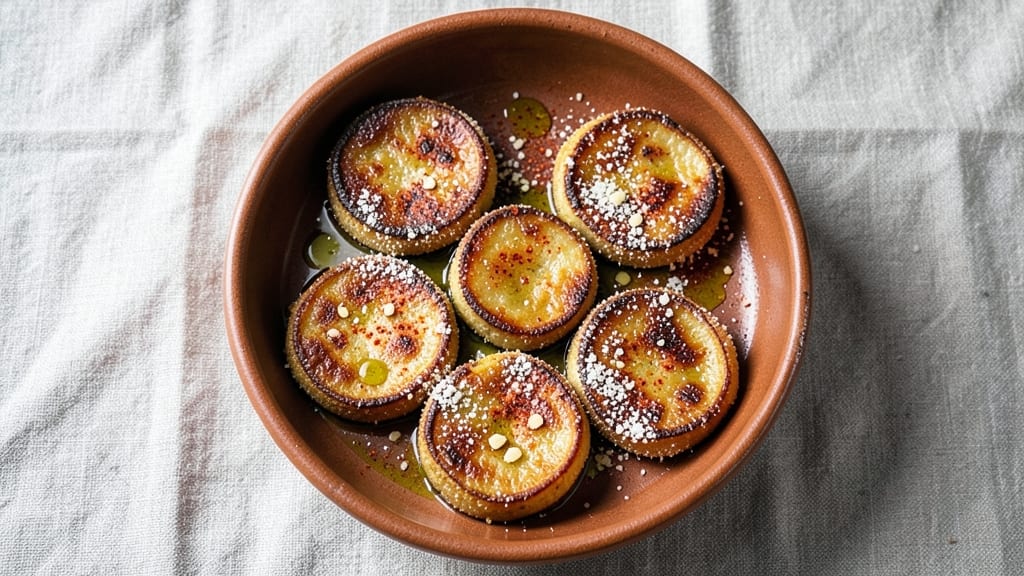
This baked cassava recipe turns humble cassava into a crispy, golden side dish with cornmeal crust and sweet potato-like tenderness—easier than you’d expect. This baked cassava recipe delivers restaurant-quality texture—crispy on the outside, perfectly tender inside—while keeping preparation straightforward.
The secret lies in the cornmeal coating and precise baking technique, which ensures every bite achieves that satisfying contrast.
What sets this recipe apart is its versatility—whether you're serving it as a standalone side or pairing it with coconut milk-based curries, grilled meats, or fresh salads. The process begins with proper preparation: peeling, cutting, and optional boiling to achieve the ideal texture before baking.
Traditional seasonings like garlic powder, smoked paprika, or even a touch of cayenne can elevate the flavor profile without overpowering the cassava's natural sweetness.
By the time it emerges from the oven, you'll have a dish that's crispy enough to hold its shape yet tender enough to melt in your mouth.
The cornmeal crust adds a satisfying crunch, while the interior remains moist and flavorful, much like a sweet potato but with cassava's unique earthy notes. This recipe is perfect for vegan diets, hearty meals, or even as a snackable appetizer when cut into fries.
The beauty of this method is its adaptability—double the batch for meal prep, adjust seasonings to suit your taste, or serve alongside dips like chimichurri or spicy mayo. With just a few simple ingredients and a precise baking approach, you'll master a dish that's both impressive and foolproof.
Let's get started on creating this crispy, tender cassava masterpiece.
Ingredients for baked cassava
Crispy cassava magic starts with these 11 simple ingredients—no fancy tools needed.
| Ingredient | Amount | Notes |
|---|---|---|
| Fresh Cassava Tubers 🍠 | 2 lbs | Organic preferred, peeled and cut |
| Fine Cornmeal 🌾 | 1 cup | Yellow or white, not instant |
| Extra-Virgin Olive Oil 🫒 | ¼ cup | For crispy coating |
| Garlic Powder 🧄 | 1 tbsp | Freshly ground preferred |
| Smoked Paprika 🌶️ | 1 tbsp | For depth of flavor |
| Ground Cayenne Pepper 🔥 | ½ tsp | Adjust for heat preference |
| Sea Salt 🧂 | 1 ½ tsp | Fine grain preferred |
| Fresh Lemon Juice 🍋 | 1 tbsp | Brightens the crust |
| Fresh Parsley 🌿 | ¼ cup | Chopped for garnish |
| Coconut Oil 🥥 | 1 tbsp | For greasing baking sheet |
| Water 💧 | 4 cups | For optional pre-boiling |
The cassava is the star, so pick firm, unblemished tubers—avoid any with soft spots or sprouts. Most grocery stores carry them in the international or Latin foods section, but Whole Foods or Latin markets often have better quality. Organic is ideal, but regular cassava works fine. Peel them just before cutting to prevent browning. The cornmeal should be fine, not instant—Bob's Red Mill or King Arthur are reliable brands. For extra crispiness, toast the cornmeal in a dry pan for 2-3 minutes before mixing with oil. This step makes all the difference in texture.
No smoked paprika? Regular paprika plus a pinch of liquid smoke works in a pinch. Short on lemon juice? Apple cider vinegar at half the amount gives similar brightness. The optional pre-boiling step (10 minutes in salted water) ensures even cooking—skip it for a firmer texture. For meal prep, double the batch and store in the fridge for up to 5 days. The cassava thickens as it cools, so reheat with a splash of water or coconut milk to restore moisture. Fresh parsley is ideal, but dried parsley at one-third the amount works if you're in a bind.
Prep the cassava ahead of time—peel and cut into even pieces, then store in cold water in the fridge for up to 24 hours to prevent browning. The baking sheet should be well-greased with coconut oil, and arrange the cassava pieces in a single layer for even browning. Bake at 400°F for 35-40 minutes, flipping halfway, until golden and crispy. Leftovers keep well in an airtight container for 4-5 days, or freeze for up to 3 months. For extra crispiness, broil for 2-3 minutes at the end of baking.
Why You'll Love This Recipe
- No-Peel Hassle: I’ll be real—peeling cassava is a pain. But here, you just scrub the tubers, slice them, and bake. That’s it. No knife fights, no mess.
- Smoky, Crispy Magic: That smoked paprika and olive oil combo? It turns simple cassava into something ridiculously good—crispy edges, tender inside, with a warm, earthy kick.
- Meal Prep MVP: Bake a big batch on Sunday, and you’ve got snacks, sides, or even a quick lunch for the week. Reheats like a dream, no soggy bits.
- Budget Sidekick: Cornmeal stretches the flavor, and cassava’s cheap but filling. Feed four for the price of one fancy dish—my wallet and my family thank me.
Step-by-step instructions for baked cassava recipe
Transform humble cassava into a restaurant-worthy dish with this foolproof baking method.
Prepare the Cassava for Even Cooking
Peel the 2 lbs of fresh cassava tubers using a vegetable peeler or sharp knife, removing all tough skin. Cut each tuber into even 1-inch thick rounds - consistency is key for uniform baking. Place them in a large bowl and cover with the 4 cups of water. Let them soak for 30 minutes to remove any residual bitterness and prevent drying during baking.
After soaking, drain the cassava thoroughly and pat completely dry with paper towels. This step is critical for developing that crispy cornmeal crust later. Arrange the dried cassava pieces on a clean kitchen towel to air dry for an additional 10 minutes while you prepare the seasoning mixture.
Create the Crispy Cornmeal Coating
In a large mixing bowl, combine the 1 cup of fine cornmeal with the 1 tbsp garlic powder, 1 tbsp smoked paprika, 0.5 tsp ground cayenne pepper, and 1.5 tsp sea salt. Whisk vigorously until the spices are evenly distributed throughout the cornmeal. This blend will create both the flavor profile and that coveted crispy exterior.
Drizzle in the 0.25 cup extra-virgin olive oil while continuing to stir. The mixture should become slightly clumpy but still free-flowing. Add the 1 tbsp fresh lemon juice and toss again. The acidity in the lemon juice helps tenderize the cassava slightly while adding brightness to the crust. Taste the mixture - it should be seasoned but not overwhelming.
Coat and Arrange for Baking
Working in batches, toss each cassava piece in the cornmeal mixture until fully coated. Press gently to ensure the coating adheres well to all surfaces. Arrange the coated cassava pieces on a parchment-lined baking sheet, leaving about 1 inch between each piece. This spacing allows for proper air circulation and even browning.
Lightly brush the baking sheet with the 1 tbsp coconut oil using a paper towel. This prevents sticking and adds an extra layer of crispiness to the bottom of your cassava pieces. Preheat your oven to 400°F while the cassava arranges itself on the baking sheet.
Bake to Golden Perfection
Place the baking sheet in the preheated oven and bake for 25 minutes. After the initial 25 minutes, rotate the baking sheet 180 degrees for even cooking. The cassava should be developing a golden-brown crust while remaining tender inside. If you notice any pieces browning too quickly, tent loosely with aluminum foil.
Continue baking for an additional 15-20 minutes until the cassava pieces are fork-tender when pierced at the thickest point and the crust is deep golden brown. The internal temperature should reach 205°F. Remove from the oven and let rest for 5 minutes before serving - this allows the juices to redistribute for maximum tenderness.
Finish and Serve
While the cassava rests, heat a small skillet over medium heat. Add the 0.25 cup chopped fresh parsley and toast for 30 seconds until fragrant. Sprinkle this parsley over the baked cassava pieces just before serving. The fresh parsley adds a vibrant contrast to the smoky, spiced crust.
Serve immediately with a side of your choice - the cassava's crispy exterior and tender interior make it perfect with a simple green salad or a creamy avocado dip. The combination of smoky paprika, bright lemon, and crispy cornmeal creates a flavor profile that's both comforting and sophisticated.
Pro Tips For Making Baked Cassava
- PEEL AND SOAK CASSAVA: Fresh cassava is toxic raw—don’t skip this. Peel the tubers, slice them into even ½-inch rounds, then soak in cold water for 30 minutes to remove lingering bitterness and soften the edges. (Yes, even if you’re impatient like me, this step prevents a weird aftertaste.)
- BAKE LOW AND SLOW: Crank the oven to 375°F (200°C) and bake the cassava for 40-45 minutes—don’t rush it. The outside will crisp up, but the center needs time to tenderize without turning gummy. (I learned this the hard way after pulling them out undercooked and regretting it.)
- DON’T OVERLOAD THE CORNMEAL: Use just enough fine cornmeal to lightly coat the baked cassava—about ¼ cup per pound of tubers. Too much turns it into a dry, gritty mess; too little won’t give that satisfying crunch. (Your future self will thank you for measuring.)
- ROAST THE GARLIC FIRST: Toast the garlic powder with a splash of olive oil in a dry pan for 2 minutes until fragrant. Let it cool, then mix it into the cornmeal—this adds depth without burning the cassava. (Sounds weird, but it works: the flavor jumps off the plate.)
Storing and reheating this dish
Refrigerator Storage
Store your baked cassava in an airtight container with parchment paper between layers to prevent sticking. The crispy crust will soften slightly but remains intact for up to 5 days in the fridge at 40°F or below.
I always reheat portions in the oven for best texture—just 5 minutes at 375°F with a splash of water or coconut milk to restore moisture. 💫
Freezer Preservation
For longer storage, freeze baked cassava in a single layer on a tray before transferring to a freezer bag (remove as much air as possible). It keeps for 3 months without significant texture loss.
Thaw overnight in the fridge before reheating. When ready to eat, bake at 375°F for 10-12 minutes until heated through—this method preserves the crispy exterior. ✨
Reheating Methods
Oven reheating is my top choice: place cassava on a baking sheet at 375°F for 8-10 minutes until golden. For quick fixes, use the microwave on medium power for 2 minutes, then finish under the broiler for 2-3 minutes to restore crispiness.
Always cover with a damp paper towel to prevent drying. 🔥
Reviving Texture
If your cassava loses crispiness, brush with melted coconut oil and broil for 1-2 minutes at the end of reheating. For extra moisture, add 1-2 tablespoons of water or broth to the container before reheating—this mimics the baking process and prevents dryness. 💡
Meal Prep Tips
Double the recipe for easy prep: store half in the fridge and half in the freezer. Portion into individual containers for grab-and-go meals. The cassava reheats beautifully in 5 minutes at 375°F, making it perfect for busy weeknights.
I like pairing it with pre-made chimichurri for a quick, flavorful meal. 🌟
Nutrition facts
Frequently asked questions
Why should I peel cassava before baking?
The tough outer skin of cassava doesn't soften during baking and can make the dish unpleasantly chewy. Peeling ensures a smooth, tender texture throughout. For extra safety, wear gloves when peeling—cassava contains natural toxins that require proper cooking to neutralize.
Can I use instant cornmeal instead of fine cornmeal?
Instant cornmeal works in a pinch, but fine cornmeal creates a better crust due to its coarser texture. If using instant, reduce the amount by 20% (use 0.8 cup instead of 1 cup) and add 1 extra tablespoon of olive oil to compensate for the finer particles.
How do I know when cassava is fully cooked?
Test doneness by piercing the thickest piece with a fork—it should slide in easily with no resistance. The internal temperature should reach 205°F. A golden-brown crust indicates proper browning, but the inside should remain tender, not dry.
What are the best dips for baked cassava?
Try spicy mayo (mix mayo with lime juice and cayenne), chimichurri (parsley, garlic, olive oil), or coconut yogurt dip (coconut yogurt + lime zest + chili flakes). For a tropical twist, blend avocado with lime and salt for a creamy dip.
Why did my cassava turn out gummy instead of crispy?
Overly wet cassava (from insufficient drying) or undercooked pieces cause gumminess. Always pat pieces very dry before coating and bake until fork-tender at the center. If needed, broil for 1-2 minutes at the end to restore crispiness.