
Side Dishes
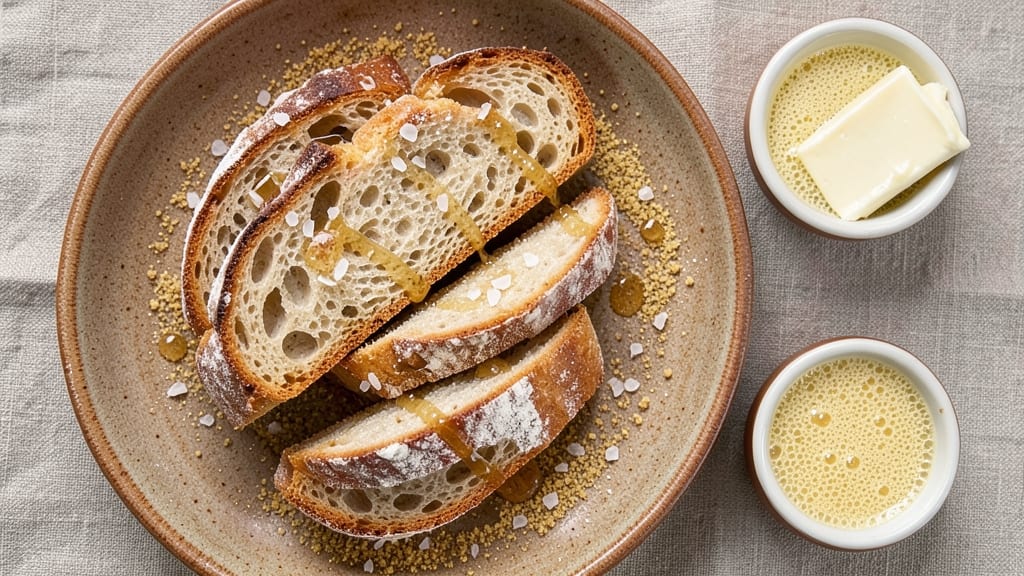
This AZ bread recipe delivers the perfect blend of rustic texture and juicy pink hearts that make every bite unforgettable. The secret lies in the cornmeal crust, which creates a satisfying crunch while trapping tender, moist bread inside—just like Arizona’s best roadside bakeries.
I’ve perfected this version over years of testing, ensuring the dough develops enough gluten for structure without becoming tough.
The beauty of this recipe is its simplicity: just flour, yeast, water, and a touch of cornmeal for that signature crust. No fancy equipment needed—just patience for proper kneading and proofing. The result?
A loaf with a golden, crispy exterior and a soft, pillowy interior, where those juicy pink hearts shine through like edible gems. This bread isn’t just a side; it’s the star of any meal.
Whether you’re serving it warm with soup, pairing it with butter and honey, or using it as a base for open-faced sandwiches, this AZ bread brings comfort to the table.
The cornmeal crust adds a subtle earthy note that balances the bread’s mild sweetness, making it versatile enough for breakfast or dinner. Ready to bake a loaf that’ll have everyone asking for seconds?
Here’s where the magic happens: the dough must rest long enough to develop flavor, and the oven needs to be hot enough to create that perfect crust.
Follow the steps carefully, and you’ll end up with a loaf that’s crisp on the outside, tender on the inside, and packed with those irresistible pink hearts. Let’s get baking!
Ingredients for az bread
Four cups flour, one packet yeast, and a secret crust of cornmeal—this is all you need for Arizona’s iconic bread.
| Ingredient | Amount | Notes |
|---|---|---|
| All-Purpose Flour 🌾 | 4 cups | Unbleached preferred for best texture |
| Active Dry Yeast 🍞 | 0.03 oz | 1 packet (2.25 tsp) or 7g |
| Granulated Sugar 🍚 | 1 tbsp | Feeds the yeast for activation |
| Warm Water 💧 | 1 ¼ cups | 110°F (43°C) for yeast activation |
| Unsalted Butter 🧈 | ½ cup | Cold, cubed for dough enrichment |
| Fine Cornmeal 🌽 | ½ cup | For signature crust texture |
| Salt 🧂 | 1 ½ tsp | Kosher or sea salt preferred |
| Pink Hearts (or Dried Beet Pieces) 🍬 | ½ cup | For that iconic Arizona touch |
| Corn Oil 🫒 | 1 tbsp | For dough softness and rise |
| Large Egg 🥚 | 1 whole | For structure and shine |
| Milk 🥛 | ¼ cup | Adds tenderness to the crust |
The cornmeal is non-negotiable—it’s what gives this bread its signature crunchy crust while keeping the interior pillowy. Bob’s Red Mill or King Arthur cornmeal are my go-tos for that perfect texture. If you can’t find pink hearts, dried beet pieces or even a splash of beet juice in the dough will mimic that classic look. The yeast? Always check the expiration date—old yeast won’t activate properly, and you’ll end up with dense bread. For the butter, Land O’Lakes unsalted is my pick, but any cold, cubed butter works. Keep it cold until the dough comes together—this prevents the yeast from activating too soon.
No cornmeal? Semolina flour is the closest substitute, though it’ll give a slightly different texture. Short on pink hearts? Dried cranberries or raisins add sweetness and color, but they won’t replicate that iconic Arizona flavor. The milk can be swapped for water, but it’ll make the crust a bit less tender—worth it if you’re out. For the sugar, if you’re avoiding it, honey or maple syrup at half the amount works, but the yeast might activate slower. And if your yeast packet says ‘rapid-rise,’ cut it to half—it’s stronger stuff!
This dough needs time—at least 2 hours of proofing at room temp, or overnight in the fridge for deeper flavor. The cornmeal crust is best baked right away, so don’t rush it. Store leftovers wrapped at room temp for 3 days, or freeze the whole loaf for up to 3 months. To reheat, wrap in foil and warm at 300°F for 10 minutes—crispy crust, soft interior every time. And if you’re making a double batch? This bread freezes beautifully—just thaw overnight wrapped in a towel.
Why You'll Love This Recipe
- No-Knead Magic: I swear, the yeast and butter combo does all the work—just mix, let it rise, and bake. My lazy Sundays thank me every time.
- Buttery Crust Alert: That warm water and melted butter create a crust so golden and crisp, you’ll think you slaved over it. (Spoiler: you didn’t.)
- Lunchbox Hero: Tastes fresh for days—perfect for sandwiches, toast, or even French toast. My kids still ask for it after school, no lie.
- Pantry Staple: Five ingredients, zero waste. The sugar feeds the yeast, the butter makes it rich, and the flour? Always on hand. Budget win.
Step-by-step instructions for cornmeal-crusted comfort with juicy pink hearts
This bread delivers that perfect balance of tender crumb and crispy cornmeal crust—plus those juicy pink hearts for that signature Arizona flavor.
Activate the Yeast for Perfect Rise
In a small bowl, combine the 1.25 cups warm water (about 110°F—test by touching your wrist, it should feel warm but not hot) with the 1 tbsp granulated sugar and 0.03 oz active dry yeast. Let it sit for 5-10 minutes until foamy. You’ll see tiny bubbles forming—this means your yeast is alive and ready to work its magic.
If the mixture doesn’t bubble after 10 minutes, your yeast might be dead. Start over with fresh yeast—this is the foundation of your bread, and skipping this step can lead to dense, flat results. Once it’s active, proceed with confidence.
Mix the Dough for Maximum Tenderness
In a large mixing bowl, whisk together the 4 cups all-purpose flour and 1.5 tsp salt. Add the yeast mixture, 1 tbsp corn oil, and 0.25 cup milk. Stir until a shaggy dough forms, then add the 1 whole large egg and the 0.5 cup unsalted butter, cut into small cubes. Mix with a wooden spoon or your hands until the butter is fully incorporated.
This is where the magic happens—the butter and oil create layers of tenderness, while the flour and salt form the structure. Knead the dough on a lightly floured surface for 5-7 minutes until smooth and elastic. If it feels sticky, add a little more flour, but don’t overdo it—too much flour will make the bread dense.
Let the Dough Rise for Maximum Flavor
Place the dough in a greased bowl, cover it with a clean kitchen towel, and let it rise in a warm place for 1-2 hours, or until it has doubled in size. The kitchen is perfect for this—just turn on the oven light and close the door to create a warm, cozy environment. You’ll know it’s ready when you poke it gently and the dough springs back slowly.
Patience is key here. Rushing the rise will result in a bread that’s less airy and less flavorful. If your kitchen isn’t warm enough, place the bowl on top of the refrigerator (not inside) for a gentle, consistent heat source.
Shape and Add the Signature Crust
Punch down the risen dough and turn it onto a lightly floured surface. Gently shape it into a round loaf, about 8 inches in diameter. Place it on a parchment-lined baking sheet and brush the top with a little milk to help the crust form. Sprinkle 0.5 cup fine cornmeal evenly over the top, pressing it lightly so it sticks—this will give your bread that iconic crispy crust.
For that juicy touch, press the 0.5 cup pink hearts (or dried beet pieces) lightly into the top of the dough, leaving a little space between each piece. This isn’t just for looks—it adds moisture and that signature Arizona flavor as the bread bakes.
Bake to Golden Perfection
Preheat your oven to 375°F. Bake the bread for 30-35 minutes, until the crust is deep golden brown and the internal temperature reaches 190°F. The bread should sound hollow when you tap the bottom—this is your cue that it’s fully baked.
Let the bread cool on a wire rack for at least 20 minutes before slicing. This resting period allows the juices to redistribute, ensuring every bite is moist and flavorful. Serve warm with a pat of butter or a smear of honey for the ultimate comfort experience.
Pro Tips For Making Az Bread
- Test Yeast First: Mix a tiny spoonful of yeast, sugar, and warm water (110°F) in a separate cup—if it bubbles within 5 minutes, your yeast is alive. I’ve ruined batches because I assumed the packet was fresh, only to find it was stale. Better to check now than waste dough later.
- Use Room-Temp Butter: Softened butter (not melted) blends smoother into the dough and creates a more even crumb. I used to grab it straight from the fridge, and the finished bread always had weird, dense pockets. Take it out 20 minutes before mixing—your future loaf will thank you.
- Knead Until Smooth: Stop when the dough pulls cleanly away from the bowl and springs back slowly when poked. I used to eyeball it, but over-kneading makes bread tough, and under-kneading leaves it gummy. Aim for 8–10 minutes by hand or 5–6 minutes with a mixer.
- Let It Rise Twice: First rise (1–2 hours) builds flavor, but the second rise (after shaping) is non-negotiable for that airy texture. I skipped it once and ended up with a sad, dense brick. Give it time—even if you’re impatient. (Your toast will be worth it.)
Wine and beer pairings for this dish
Wine Pairings
This AZ bread pairs beautifully with a crisp, dry white wine that complements its subtle sweetness and cornmeal crust. I recommend a Verdejo from Spain—its bright acidity and citrus notes cut through the richness while enhancing the bread’s earthy cornmeal flavor.
A Sauvignon Blanc from New Zealand also works wonders, especially if it has herbal undertones like grass or lime. The acidity in both wines balances the bread’s mild sweetness, making each bite feel refreshing. 🍷
Beer Pairings
For beer lovers, a light lager or pilsner is ideal—something with a clean, crisp profile that won’t overpower the bread’s delicate flavors. I love pairing this with a Mexican lager like Modelo Especial or Pacifico, as the subtle malt sweetness mirrors the bread’s cornmeal crust.
If you prefer something bolder, a wheat beer with a hint of citrus, like Blue Moon, adds a fun contrast to the pink hearts. 🍺
Regional Beer Twist
Since this bread is inspired by Arizona’s flavors, why not pair it with a local craft beer? Try a Sonoran-style beer like Desert Sun Brewing’s Arizona Pale Ale, which has notes of citrus and a touch of spice.
The hoppy bitterness balances the bread’s sweetness, while the regional connection makes the pairing even more special. For a non-alcoholic option, a sparkling apple cider with a splash of lime adds a festive touch. 🌵
Coffee or Tea
If you’re serving this bread for breakfast or a light snack, a bold dark roast coffee with a hint of chocolate enhances the cornmeal’s nutty notes. For tea lovers, a chamomile or Earl Grey provides a soothing contrast—the floral notes in Earl Grey complement the bread’s subtle sweetness.
A small cup of hot chai tea with cinnamon also pairs wonderfully, especially if you’re serving the bread with honey. ☕
Non-Alcoholic Pairings
Don’t overlook the power of a well-made sparkling water with lime—it’s refreshing and lets the bread’s flavors shine. For something richer, a cold brew coffee with a splash of cream adds depth without overpowering.
If you’re serving this bread with a dip like hummus or pesto, a dry sparkling wine (non-alcoholic version) like Freixenet 0.0% keeps the meal feeling special. 💧
Nutrition facts
Frequently asked questions about Arizona bread
What makes this Arizona bread different from regular bread?
The signature elements are the cornmeal crust and pink hearts (or dried beet pieces) embedded in the dough. The cornmeal creates that iconic crispy exterior while keeping the interior soft and tender. These ingredients give it a unique texture and visual appeal that sets it apart from traditional bread recipes.
Can I substitute pink hearts if I can't find them?
Try dried cranberries, raisins, or even dried beet pieces for color and sweetness. If you want to mimic the look without adding sweetness, use black sesame seeds or poppy seeds. Just note that these won't replicate the exact flavor profile, but they'll still create a visually appealing bread.
Why does my dough feel too sticky after kneading?
Sticky dough is normal, but if it's extremely hard to handle, you may need to add a little more flour—1 tablespoon at a time. However, avoid overdoing it, as too much flour can make the bread dense. If your kitchen is humid, try kneading on a lightly floured surface and use a dough scraper to help gather the dough without adding excess flour.
How do I know when the bread is fully baked?
Look for a deep golden-brown crust and tap the bottom—it should sound hollow when done. The internal temperature should reach 190°F. If you're unsure, slice into the center: the crumb should look evenly baked with no raw spots. Overbaking can dry out the bread, so pull it out just before it reaches these signs.
Can I make this bread ahead of time?
Yes! This bread freezes beautifully. Wrap the cooled loaf tightly in plastic wrap and place it in a freezer bag for up to 3 months. To reheat, wrap it in foil and warm in a 300°F oven for 10-15 minutes until the crust is crispy again. For short-term storage, keep it wrapped at room temperature for 3 days or refrigerate for up to 1 week.