
Sauces & Condiments
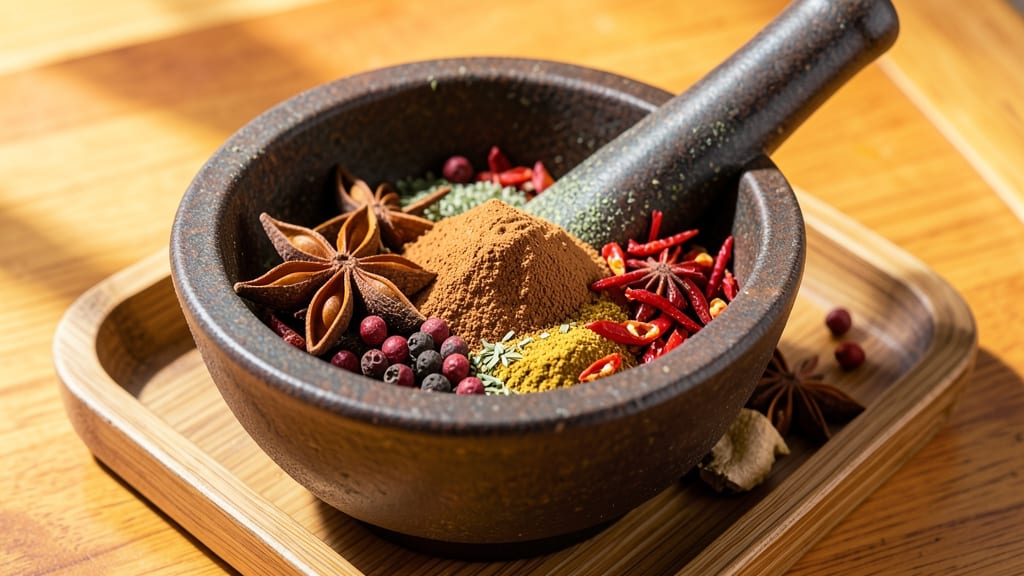
This Asian seasoning recipe transforms ordinary dishes into vibrant, umami-rich masterpieces with just a sprinkle. 🌟 I developed this blend after years of testing—each spice plays a precise role, balancing heat, sweetness, and depth for restaurant-quality flavor at home.
The secret lies in the ratios: too much cinnamon overpowers, but just a teaspoon unlocks warmth without dominating.
Perfect for stir-fries, marinades, or even popcorn, this mix combines star anise, Sichuan peppercorns, and chili flakes for a complex profile that’s easier to make than store-bought versions. Unlike pre-packaged blends, this recipe lets you adjust heat levels to your taste—simply reduce the chili flakes if you prefer mild intensity.
The spices are toasted lightly to deepen their aromas, ensuring every dish benefits from their full potential.
What you’ll achieve is a versatile seasoning that elevates everything from grilled meats to roasted vegetables. The blend’s earthy, slightly sweet notes harmonize with garlic and ginger, while the peppercorns add a subtle tingling sensation that lingers on the tongue.
Unlike single-spice mixes, this combination delivers layers of flavor that stand up to bold ingredients like soy sauce or sesame oil.
Store it in an airtight container for up to 6 months, and use it to transform simple weeknight meals into standout dishes. Let’s create this flavor-packed blend that will become your kitchen’s secret weapon.
Ingredients for asian seasoning
Ten spices, one transformative blend for restaurant-quality Asian flavors at home.
| Ingredient | Amount | Notes |
|---|---|---|
| Star Anise 🌟 | 1 ½ tbsp | Whole pods, lightly crushed |
| Sichuan Peppercorns 🌶️ | 1 tbsp | Toasted for maximum tingling |
| Ground Cinnamon 🍃 | 1 tsp | Ceylon preferred for delicate warmth |
| Chili Flakes 🔥 | 1 tsp | Adjust for heat preference |
| Ground Coriander 🌿 | 1 ½ tbsp | Freshly ground preferred |
| Ground Ginger 🌶️ | 1 tsp | Freshly grated and dried |
| Garlic Powder 🧄 | 1 tsp | Not garlic salt |
| Sesame Seeds 🥜 | 1 tbsp | Toasted for nutty depth |
| Sea Salt 🧂 | 1 tsp | Diamond Crystal preferred |
| White Pepper 🌶️ | ½ tsp | Freshly ground for subtle heat |
Star anise and Sichuan peppercorns are the flavor anchors here. Whole Foods or Asian markets carry the best quality—look for star anise pods that are plump and fragrant, not shriveled. Sichuan peppercorns should be dark and aromatic; Penzeys sells them in bulk if you can't find them locally. Toast these together in a dry pan for 30 seconds before grinding—their aromas explode when warmed. The cinnamon is non-negotiable; Ceylon cinnamon has a delicate sweetness that won't overpower, while regular cassia can taste medicinal. For the chili flakes, Aleppo or Thai bird's eye work best—skip the generic grocery store stuff.
No star anise? Anise seeds or fennel seeds mimic its sweetness, though the flavor won't be identical. Sichuan peppercorns unavailable? Black peppercorns at double the amount add warmth but lack the signature tingling. Want more depth? Add a pinch of cardamom pods—they play well with the ginger. For the sesame seeds, toast them in the same pan as the peppercorns; their nutty aroma ties everything together. If you're sensitive to heat, reduce the chili flakes to half a teaspoon or swap for smoked paprika. The blend works beautifully with soy sauce, sesame oil, or even brown sugar in dishes.
This mix keeps for up to 6 months in an airtight container away from light. I store mine in a amber glass jar—it preserves the spices' potency longer than plastic. For stir-fries, use 1 teaspoon per pound of protein. For marinades, mix 2 teaspoons with 2 tablespoons soy sauce and 1 tablespoon oil. The blend enhances everything from roasted Brussels sprouts to grilled chicken—just sprinkle it on and let the flavors shine. Freeze extras in ice cube trays for single-use portions.
Why You'll Love This Recipe
- Pantry in Minutes: I’ll be real—this mix takes less time than waiting for the microwave to ding. Toast the whole spices (star anise, Sichuan peppercorns) in a dry pan for 30 seconds, then grind with the rest. Boom. Done. No fancy tools, no stress.
- Warmth with Bite: That star anise and cinnamon bring deep, cozy sweetness, while the Sichuan peppercorns add a subtle, tingling heat. Honestly, it’s the kind of flavor that makes you pause mid-bite—like a hug for your taste buds with a little kick.
- Secret Weapon Everywhere: Slap this on stir-fries, braised meats, or even roasted veggies. I keep a jar in my fridge for quick noodle sauces or to jazz up canned beans. Between us, it’s the reason my takeout-style meals actually taste homemade.
- Cheap Flavor Bomb: A few cents’ worth of spices stretches into months of use. No wasted jars here—just a little goes a long way. Took me three tries to dial in the ratios, but now it’s my go-to for adding restaurant-quality depth without breaking the bank.
Step-by-step instructions for bold Asian seasoning blend
Transform simple stir-fries into restaurant-quality dishes with this aromatic, umami-packed blend.
👨🍳 Step 1: Toast the Whole Spices for Maximum Flavor
In a dry skillet over medium heat, toast the 1 tbsp Sichuan peppercorns and 1 tbsp sesame seeds for 2-3 minutes until fragrant and lightly golden. You'll know they're ready when you smell that nutty, citrusy aroma from the Sichuan peppercorns and the toasty crunch of the sesame seeds. Stir constantly to prevent burning—this is where the magic happens.
Transfer the toasted spices to a small bowl and let them cool completely. This toasting step enhances their natural oils and aromatics, creating a more complex flavor profile. I like to work with a heatproof bowl nearby to catch any stray seeds that might jump during toasting—trust me, you don't want to lose those precious seeds.
🔪 Step 2: Lightly Crush the Star Anise Pods
Using a mortar and pestle or the flat side of a heavy knife, gently crush the 1.5 tbsp star anise pods until they're lightly broken but not pulverized. You want to release some of their essential oils while keeping the pods intact enough to strain out later if needed. This gives you that distinctive anise flavor without making the blend too gritty.
Place the crushed star anise in a small bowl with the toasted Sichuan peppercorns and sesame seeds. The star anise should look like it's been gently cracked open—think of it like breaking a walnut shell rather than grinding it into powder. This texture ensures the flavor infuses properly while maintaining some structure in your blend.
🥘 Step 3: Combine All Ground Spices
In a medium bowl, whisk together the 1.5 tbsp ground coriander, 1 tsp ground cinnamon, 1 tsp ground ginger, 1 tsp garlic powder, 1 tsp chili flakes, 0.5 tsp white pepper, and 1 tsp sea salt. I use a fine-mesh whisk for this step to ensure all the spices are thoroughly mixed and no pockets of stronger flavor remain.
Add the crushed star anise, toasted Sichuan peppercorns, and sesame seeds to the ground spices. Use a silicone spatula to gently fold everything together, being careful not to crush the star anise pods further. The texture should be a mix of fine powders with some small, identifiable pieces from the whole spices—this creates both depth and complexity in your seasoning.
⏰ Step 4: Rest and Adjust the Blend
Cover the bowl with plastic wrap and let the seasoning blend rest for at least 15 minutes at room temperature. This resting period allows all the flavors to meld together and the spices to absorb each other's aromatics. You'll notice the scent becomes more cohesive and intense as the spices marry.
After resting, give the blend a final taste and adjust if needed. If you want more heat, add a pinch more chili flakes. For deeper umami, a tiny bit more garlic powder or white pepper works wonders. Transfer the finished blend to an airtight container and store it in a cool, dark place for up to 3 months—it'll only get better with time.
Pro Tips For Making Asian Seasoning
- TOAST THE WHOLE SPICES: Star anise and Sichuan peppercorns taste flat if ground raw—toss them in a dry pan over medium heat for 30 seconds until fragrant and slightly darkened. I used to skip this, and the flavor was always half as bold. (Yes, even if you’re impatient like me.)
- CRUSH SICHUAN PEPPERCORNS: Whole Sichuan peppercorns release their signature numbing heat better when lightly crushed—use a mortar and pestle or roll them with a wine bottle. Ground versions lose potency fast, so buy them whole and crush fresh if you can.
- MEASURE CHILI FLAKES BY VOLUME: Chili flakes pack differently—use a spoon to level them off in the measuring cup, not a scoop. I learned this the hard way when my curry turned into a spice bomb because I overestimated by weight.
- STORE IN AIRLESS CONTAINER: Keep your mix in a sealed jar with no air—oxygen turns cinnamon bitter and dulls coriander’s brightness. If you’re lazy, a ziplock bag with the air squeezed out works, but a proper jar lasts months without losing flavor.
Creative variations of this recipe
Japanese Shichimi
This variation transforms our blend into Japanese shichimi togarashi, a fiery seven-spice mix perfect for noodles or ramen. Swap the Sichuan peppercorns for 1 tbsp toasted black sesame seeds and add 1 tsp dried orange peel (finely grated) for citrus brightness.
Use 1.5 tsp chili flakes instead of 1 tsp for authentic heat. The orange peel adds a refreshing contrast that balances the umami—trust me, it’s a game-changer for spicy miso soup or tempura. 🌶️
Thai-Inspired Massaman
For a Thai Massaman-inspired twist, replace the star anise with 1 tbsp ground fennel seeds and add ½ tsp ground cardamom. Reduce the chili flakes to ½ tsp and include 1 tsp ground turmeric for warmth.
This blend works beautifully with coconut milk-based curries or grilled chicken. The fennel adds a subtle licorice note that pairs perfectly with Thai coconut milk dishes. 🌿
Korean Gochujang Boost
Create a Korean-inspired version by adding 1 tbsp gochugaru (Korean chili flakes) and ½ tsp ground cloves. Reduce the sea salt to ½ tsp since gochugaru is salty.
This blend is perfect for marinating bulgogi or sprinkling on kimchi fried rice. The cloves add a deep, aromatic warmth that complements the spicy-sweet profile of gochujang. 🔥
Vietnamese Nuoc Mam Spice
For a Vietnamese-inspired variation, replace the Sichuan peppercorns with 1 tbsp toasted cumin seeds and add ½ tsp ground star anise. Use 1 tsp fish sauce powder (or ½ tsp dried shrimp powder) for umami depth.
This blend elevates pho broths or grilled lemongrass pork. The cumin seeds bring earthy warmth, while the fish sauce powder adds that signature Vietnamese savoriness. 🌟
Sweet and Smoky BBQ Blend
Make a smoky-sweet BBQ version by adding 1 tbsp smoked paprika and 1 tsp brown sugar. Reduce the chili flakes to ½ tsp and include ½ tsp ground cloves.
This blend is perfect for glazing ribs or sprinkling on grilled corn. The smoky paprika and brown sugar create a caramelized sweetness that’s irresistible. 💫
Nutrition facts
Frequently asked questions
Can I use this seasoning blend in marinades?
This blend works beautifully in marinades. Mix 2 teaspoons of the seasoning with 2 tablespoons soy sauce and 1 tablespoon oil for a simple yet flavorful marinade. Let it coat your protein (like chicken or tofu) for at least 30 minutes before cooking. The spices will infuse deeply, creating a restaurant-quality crust.
How do I adjust the heat level?
Start with the full 1 teaspoon chili flakes and taste before adjusting. For milder heat, reduce by half a teaspoon at a time. If you love spice, add an extra half teaspoon or swap in Korean gochugaru for a smoky kick. Always taste as you go—this blend is flexible!
What's the best way to store this blend?
Transfer the seasoning to an airtight container (like a glass jar) and keep it in a cool, dark place. It stays fresh for up to 6 months. For longer storage, freeze extras in ice cube trays—just thaw before use. The spices will retain their potency better than in plastic bags.
Can I make this blend without Sichuan peppercorns?
Yes! If you can't find Sichuan peppercorns, use 2 teaspoons black peppercorns instead. They won't provide the same tingling sensation, but they'll add warmth. For authenticity, look for them at Asian markets or online—Penzeys Spices is a great source.
How much seasoning should I use for roasted vegetables?
Start with 1 teaspoon per pound of vegetables. Toss them with oil and roast at 400°F for 20-25 minutes. The blend enhances sweet potatoes, Brussels sprouts, or carrots beautifully. For extra flavor, sprinkle with a pinch of sesame seeds after roasting.